
The Andean Bear Encounter: The Story Behind the Scenes by Shannon Hobbs
Andean Bear Spectacle: My Journey to Colombia with Retorno Photo Tours

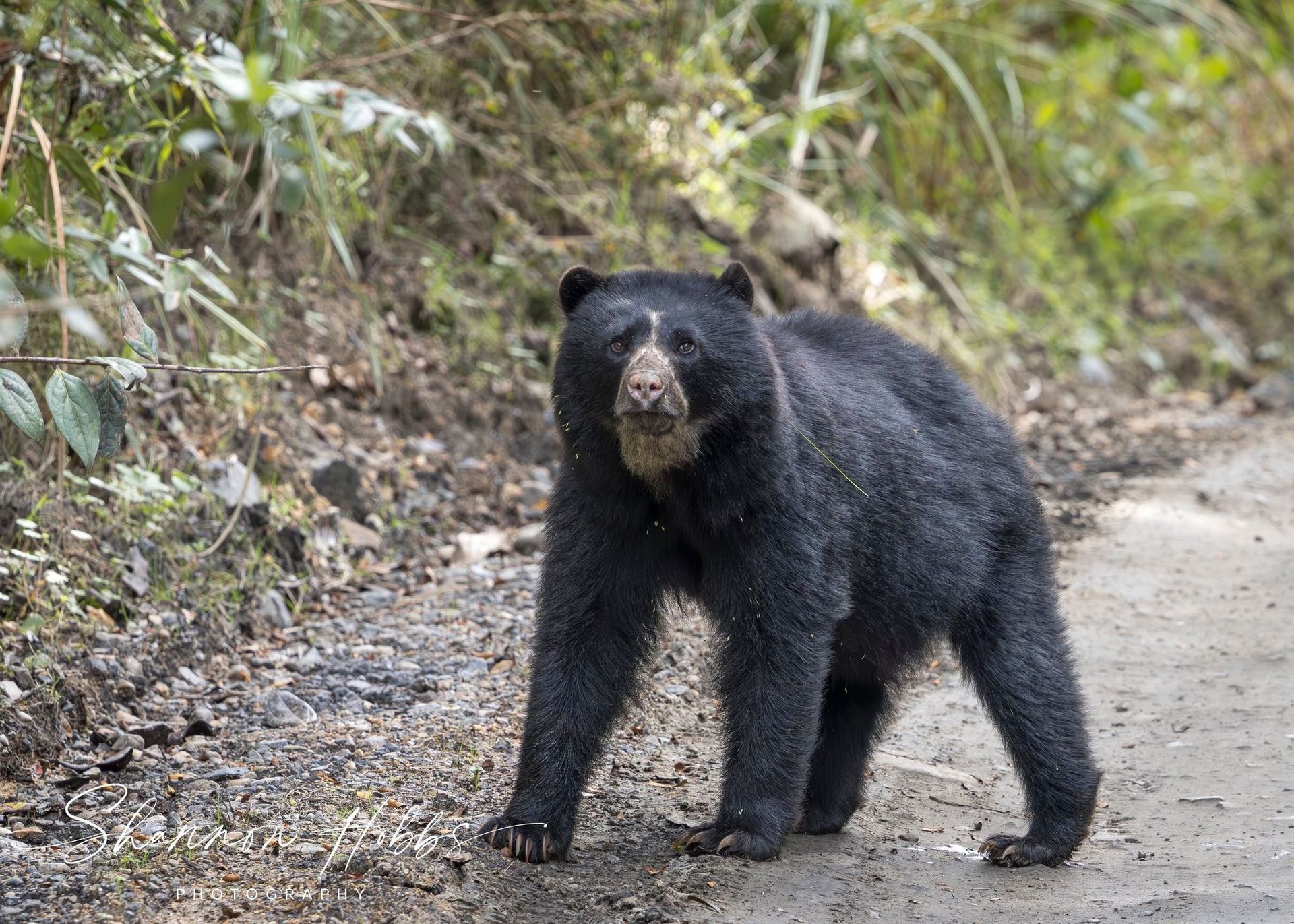
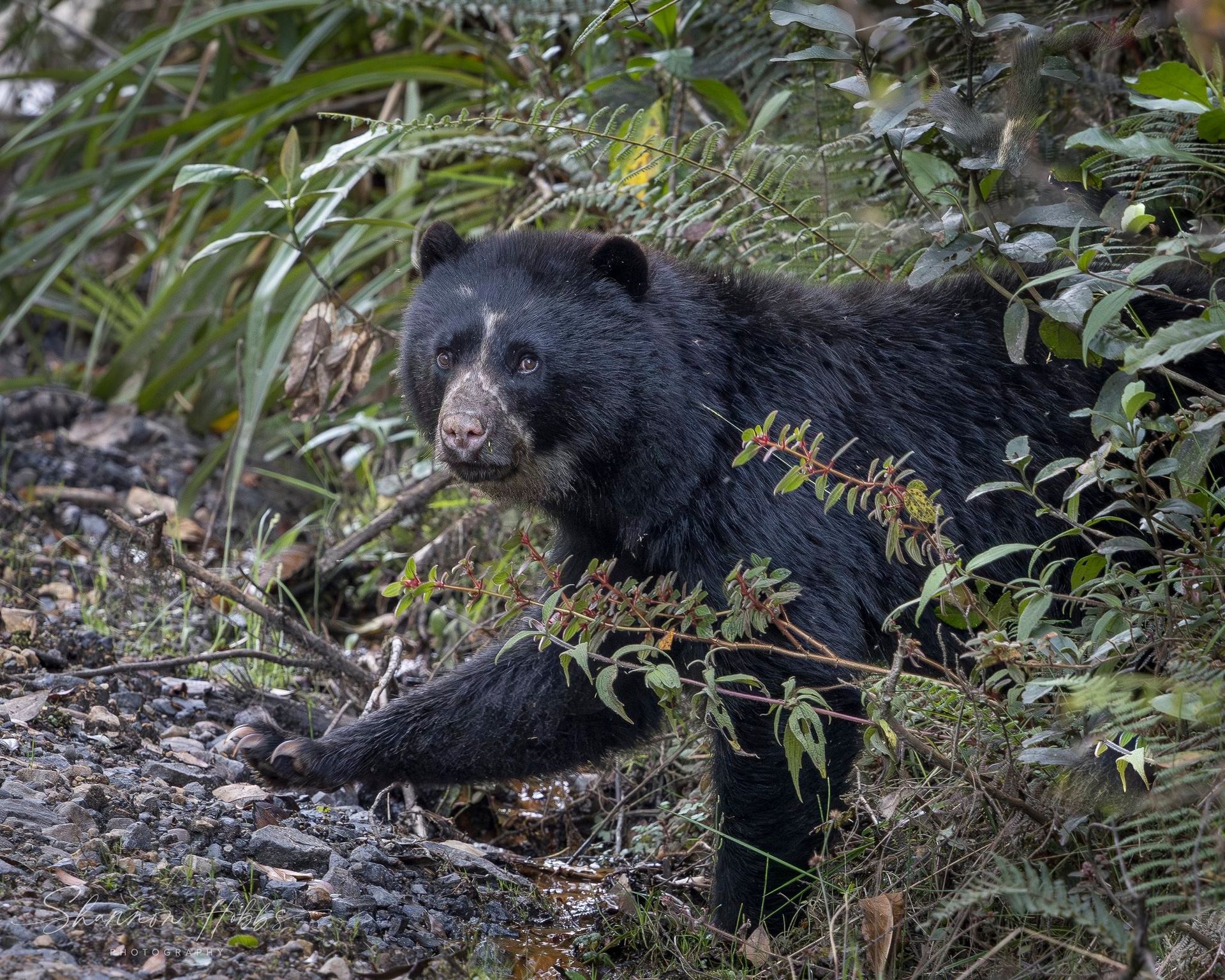
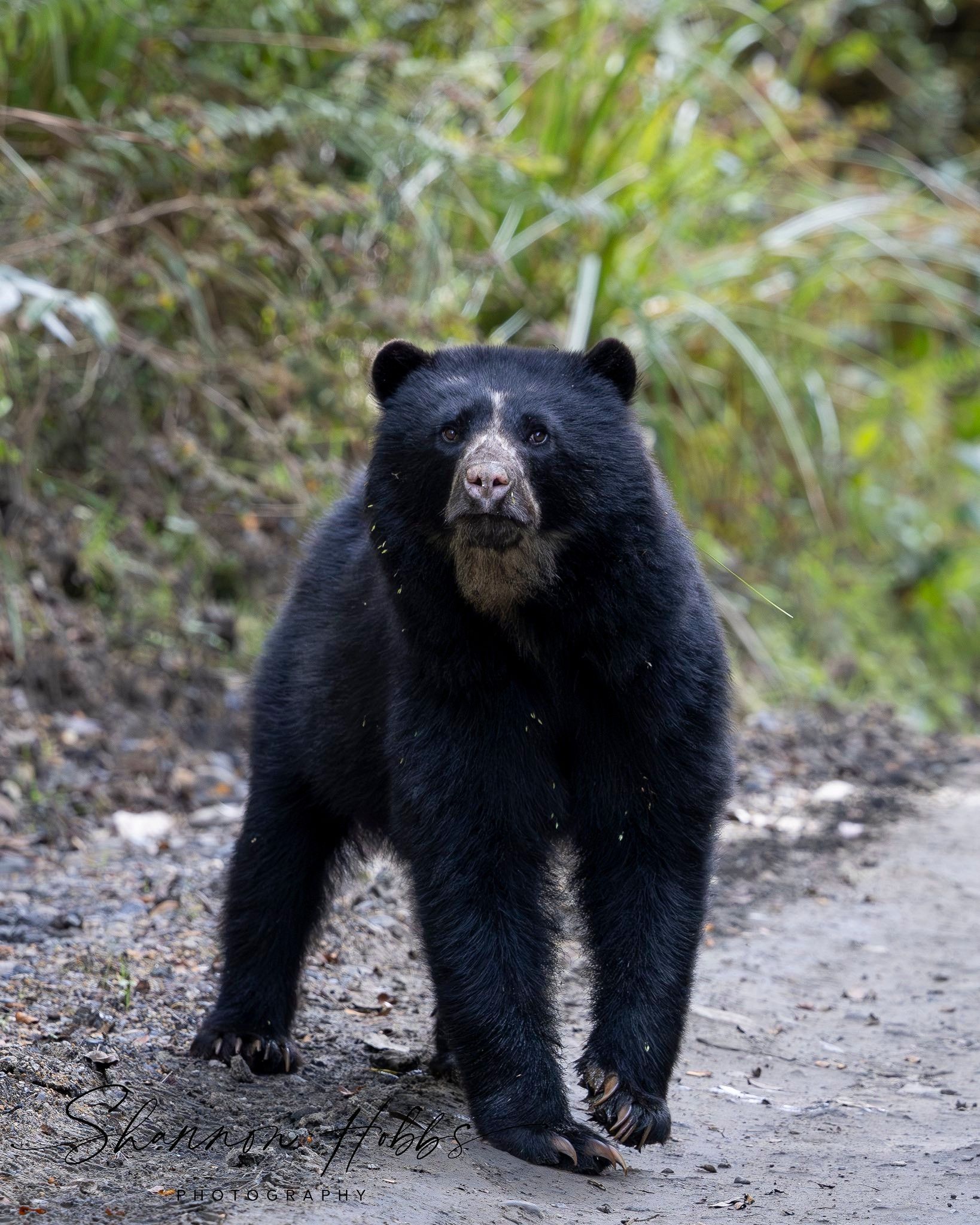
Guest Feature & Field Experience by Shannon Hobbs
Original story, experience, and images by Shannon Hobbs
📍 Chingaza National Park, Colombia
📷 Travelled with Retorno Photo Tours
Wildlife Photography Traveler
Original reference & personal post:
👉
https://www.facebook.com/share/p/1DAv3v4r5j/
Photos by: Shannon Hobbs
Facebook and Instagram: @ShannonHobbsPhotography
When Wildlife Photography Becomes a Responsibility
Wildlife photography is often described as a pursuit of rare moments—fleeting seconds when nature reveals itself without warning. But beyond the pursuit of images lies something far more important: responsibility. Every encounter with wildlife carries ethical weight, especially when the subject is rare, vulnerable, or endangered.
Shannon Hobbs’ journey to Chingaza National Park in Colombia is not just a story about photographing the Andean spectacled bear. It is a powerful example of how ethical wildlife photography should be practiced—patiently, respectfully, and with deep awareness of conservation.
Her experience demonstrates that meaningful wildlife encounters are not manufactured. They happen when photographers, guides, and ecosystems align in balance, guided by ethics rather than expectation.
Understanding Ethical Wildlife Photography
Ethical wildlife photography is not defined by proximity, drama, or viral impact. It is defined by restraint.
At its core, ethical photography means allowing wildlife to behave naturally, without interference or pressure. It means observing rather than influencing, waiting rather than forcing, and accepting that sometimes the most ethical choice is to walk away without a photograph.
Photographers who operate ethically understand that an image is never worth stressing an animal, disrupting a family group, or altering behavior patterns. Ethical photography values the life behind the lens more than the image captured through it.
Shannon’s encounter reflects this philosophy in action—not as a rulebook, but as lived experience.
Chingaza National Park: A Fragile Stronghold for the Andean Bear
Chingaza National Park is one of Colombia’s most important high-altitude ecosystems. Located in the Eastern Andes, it protects vast páramo landscapes, cloud forests, and water sources that supply millions of people.
It is also one of the most significant habitats for the Andean spectacled bear—the only bear species native to South America.
The Andean bear is elusive, intelligent, and naturally wary of humans. Encounters are rare and unpredictable. Ethical observation in places like Chingaza requires not only knowledge of the terrain, but respect for the species’ boundaries and survival needs.
This is where experienced local guides and conservation-focused tour operators play a crucial role.
The Role of Responsible Guides in Wildlife Encounters
Ethical wildlife photography does not happen in isolation. It is shaped by the decisions of guides, drivers, tour leaders, and photographers alike.
Responsible guides understand animal behaviour, recognize signs of stress, and know when to stop, wait, or retreat. They prioritize safety—for both humans and wildlife—over the promise of a sighting.
During Shannon’s journey with Retorno Photo Tours, the focus was never on forcing an encounter. The day unfolded naturally, driven by patience rather than pressure.
This approach is fundamental to ethical wildlife tourism. It ensures that encounters, when they happen, are authentic and respectful rather than intrusive.
The Andean Bear Encounter Story By Shannon Hobbs
(Original text preserved exactly as written)
It has long been my dream to visit Chingaza National Park to see and photograph the Andean Spectacled Bear. This week, that dream came true.
We spent six long hours driving through the park searching for bears. We did spot one fairly quickly, but it was nearly a quarter mile away and impossible to see clearly through my camera lens. We eventually reached the turnaround point in the park, and I truly thought all hope was lost. I didn’t have a single photo on my camera from the entire day.
I asked if we could stop in an area where the masked trogon is sometimes found. When we stopped, we called for it—and incredibly, it came out for us. We were able to capture some wonderful photographs, and spirits were already lifting.
Then, while we were photographing the bird, I heard something moving in the bushes. My park guide heard it too. At first, I thought it was my photo guide rustling around in the bushes, but it quickly became clear it was something else. We soon realized—it was a bear.
We carefully moved away from the road, positioning ourselves in case the bear emerged. As we waited, I noticed two clear game trails in the bushes lining the road. We stood still, hearts pounding. After a few minutes, to our absolute amazement and delight, the bear stepped out. She glanced at us, seemed completely at ease, and calmly crossed the road, occasionally looking our way.
Then she turned back to where she had come from and began trilling—a signal to her cub that it was safe. Moments later, her cub emerged from the bushes and quickly followed its mother across the road.
It was a brief encounter, but incredibly close and deeply moving. The three of us immediately started hugging and laughing in disbelief. Both of my guides said it was one of the best wildlife encounters they’ve ever experienced. I feel completely and profoundly lucky to have been there to witness it.
Ethical Behaviour in Action: What Made This Encounter Special
What makes Shannon’s experience ethically significant is not just the rarity of the sighting, but how it unfolded.
There was no pursuit.
No baiting.
No crowding.
No attempt to influence the bear’s movement.
The bear appeared naturally, assessed the situation calmly, and continued her behaviour without distress. Most importantly, she felt safe enough to call her cub forward—an extraordinary indicator of comfort and trust in that moment.
Ethical photography is often invisible in the final image. It exists in the decisions not made, the movements restrained, and the silence maintained.
Mother and Cub: The Highest Ethical Boundary
Photographing wild mothers with their offspring carries the highest ethical responsibility. Disturbing a mother bear with a cub can lead to stress, defensive behaviour, or long-term avoidance of critical habitat.
In this encounter, the ethical response was stillness.
The group did not approach.
They did not reposition for a better angle.
They did not attempt to prolong the moment.
They allowed the bear to lead.
This respect is what transforms a wildlife sighting into a conservation success rather than a disturbance.
Photography Without Ownership
Ethical photographers understand that wildlife encounters are not possessions. They are privileges.
Shannon’s reflection shows no sense of entitlement—only gratitude. This mindset is essential. When photographers release the need to “get the shot,” they become better observers, storytellers, and stewards of the natural world.
The most powerful wildlife images are often born from humility rather than ambition.
Conservation Awareness Through Storytelling
Stories like Shannon’s do more than inspire—they educate.
By sharing authentic experiences rooted in ethical practice, photographers help shift the culture of wildlife tourism away from exploitation and toward preservation.
Images paired with responsible storytelling can:
- Increase awareness of endangered species
- Encourage ethical travel choices
- Support conservation-driven tour operators
- Foster respect for fragile ecosystems
When done responsibly, wildlife photography becomes a tool for conservation rather than consumption.
Retorno Photo Tours and Ethical Wildlife Travel
Ethical wildlife photography is supported by operators who prioritize conservation, local knowledge, and sustainable practices.
Retorno Photo Tours operates with an understanding that access to wildlife comes with responsibility. Their approach emphasizes:
- Respect for protected areas
- Collaboration with park authorities
- Small-group encounters
- Ethical guiding standards
- Long-term conservation relationships
This framework enables rare encounters like Shannon’s without compromising animal welfare.
The Emotional Impact of Ethical Encounters
Ethical wildlife experiences often leave a deeper emotional imprint than any photograph ever could.
Shannon describes hugging and laughing in disbelief—not because of the image captured, but because of the shared human experience of witnessing something rare and unspoiled.
These moments remind photographers why ethics matter. The goal is not to take something away from nature, but to leave it untouched.
Join One of the World’s Most Meaningful Wildlife Tours
If photographing one of the planet’s most powerful and elusive species is part of your wildlife photography dream, Colombia is where that dream becomes possible. And there is no better way to experience it than with a team that understands the land, the species, and the responsibility that comes with both.
👉Explore Retorno Photo Tours’ wildlife expeditions and discover why Retorno has access to the best places for Andean bear observation and ethical wildlife encounters in Colombia.
Your images can become more than photographs—they can become part of a conservation legacy.