
Private Versus Group Photo Tours: Which Is Best?
Best Photo Hides for Bird and Wildlife Photography in Colombia
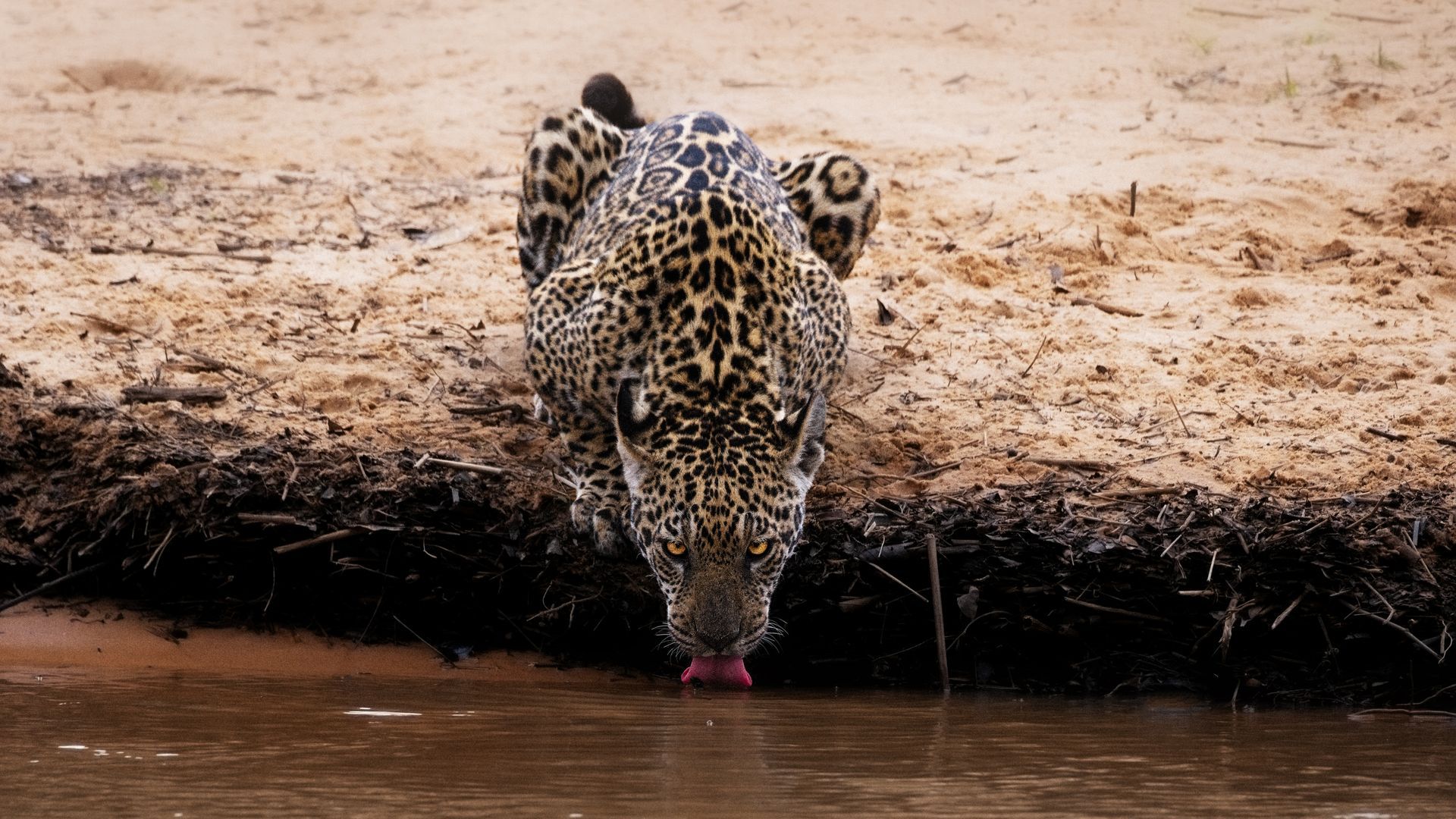
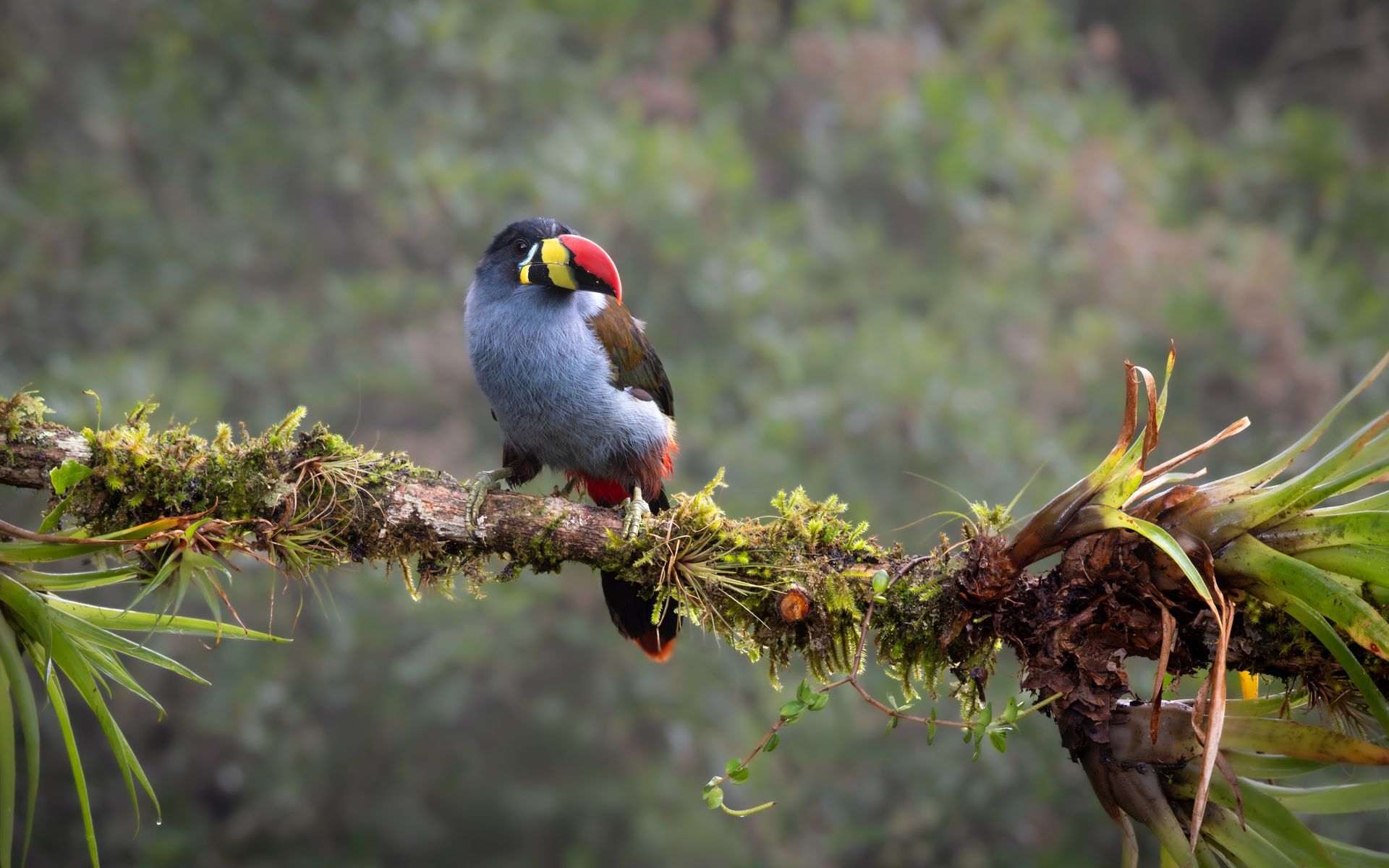
A Black-and-gold Tanager appears for less than a minute in the cloud forest. A Jaguar steps onto a Pantanal riverbank at first light. In moments like these, the question is not simply whether you are traveling alone or with others. It is whether your itinerary, guide, vehicle position, and daily pace give you the best possible chance to be ready. Choosing between private versus group photo tours shapes every part of that experience.
For serious bird and wildlife photographers, both formats can deliver exceptional images and meaningful encounters. The better choice depends on your target species, photographic priorities, travel style, budget, and tolerance for the unpredictability that makes nature photography so rewarding.
Private Versus Group Photo Tours: The Core Difference
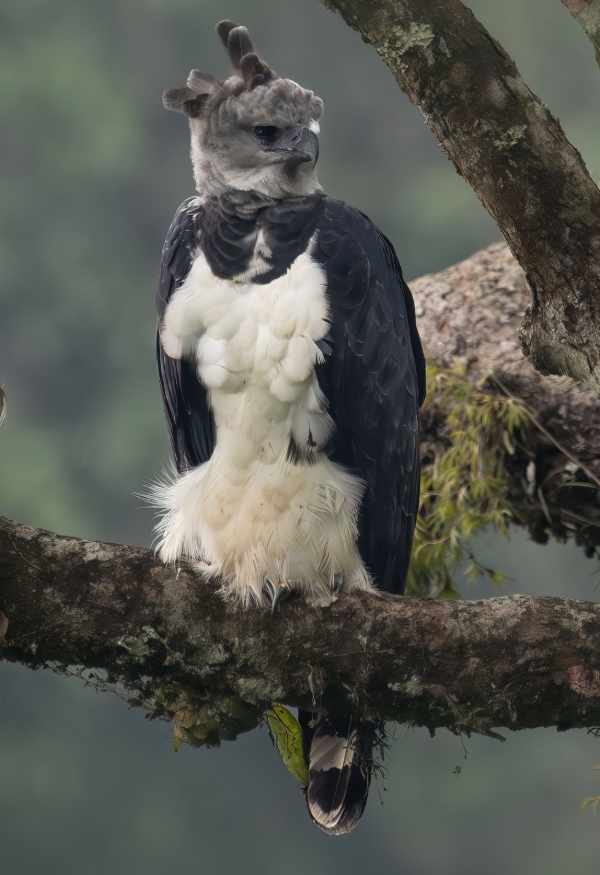
A private photo tour is built around you. The itinerary can be tailored to your preferred subjects, available dates, desired pace, mobility needs, and comfort level. If your goal is a portfolio of Colombian endemics, a dedicated Harpy Eagle search, or several days devoted to Jaguars in the Pantanal, a private expedition allows the route to follow that purpose.
A group photo tour follows a carefully designed route shared by a small number of photographers. Departure dates, accommodations, transport, and core destinations are set in advance, often around seasonal conditions and the best windows for target species. The structure is less flexible, but that structure is also where much of the value lies: the route has been tested, field logistics are coordinated, and every traveler benefits from a guide’s focused local knowledge.
Neither format is automatically superior. A private tour offers control. A small group tour offers camaraderie, shared cost, and an itinerary refined for a productive wildlife season.
When a Private Tour Is the Right Investment
Private travel makes the most sense when your photographic ambition is highly specific. Perhaps you have already photographed the most common Andean hummingbirds and want time with regional specialties. Perhaps you are traveling with a non-photographing partner and need a balance of field intensity and comfort. Or perhaps your work schedule means you can only travel during a narrow set of dates.
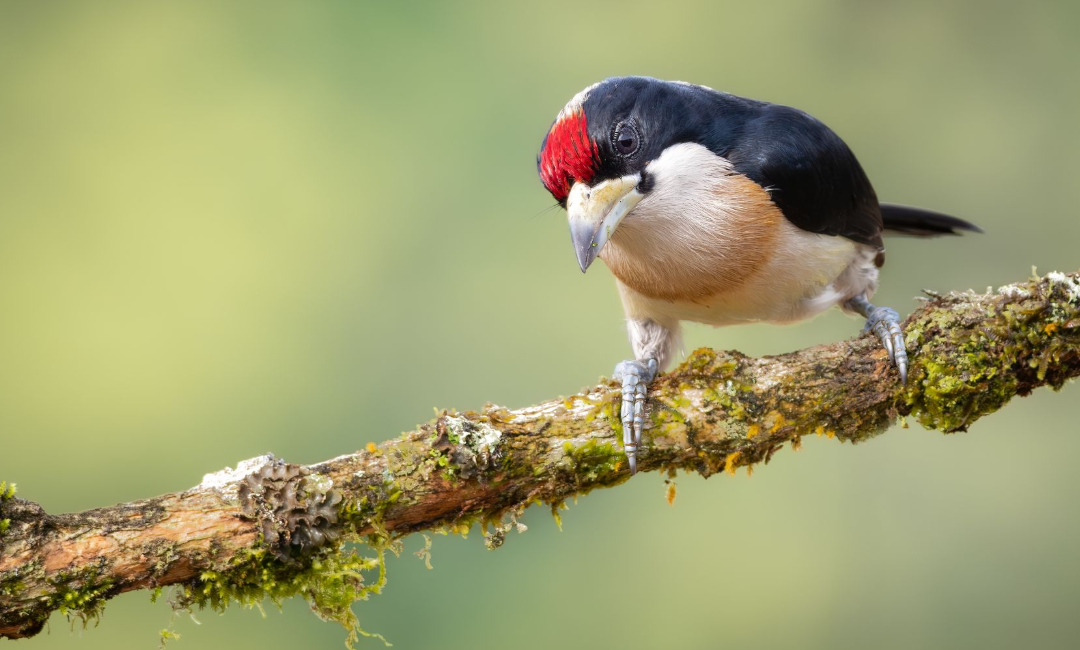
The greatest advantage is flexibility in the field. If an active fruiting tree is drawing tanagers, toucans, and barbets, you can remain there longer. If rain changes the light or a road becomes temporarily impassable, the guide can adjust the plan without needing to weigh the expectations of a full group. You can start before dawn for a particular species, stay out late for nocturnal mammals and frogs, or schedule a midafternoon break when the light is harsh.
Private tours also work well for photographers with very different goals from a standard itinerary. A bird photographer using a 600mm lens may want extended time at feeders, forest blinds, canopy towers, and known display sites. A wildlife photographer may care less about a long bird list and more about behavior, clean backgrounds, low-angle opportunities, and repeated visits to one productive location. A custom plan can account for that distinction.
There are practical considerations. A private expedition typically costs more per person because transport, guiding, and coordination are not shared across several participants. It also requires clearer communication before departure. The more precisely you describe your priorities, equipment, physical expectations, and must-have species, the better the route can be designed. Nature still sets the terms, of course. No ethical operator can promise a Harpy Eagle, Spectacled Bear, or Jaguar on command. What private planning can do is maximize time in the right habitat at the right season.
Why Small-Group Tours Remain a Photographer’s Dream
A well-run group tour is not a compromise trip. For many photographers, it is the most intelligent way to access a complex region with confidence. Colombia alone holds extraordinary variety across the Andes, Amazon, Caribbean lowlands, Chocó, and Llanos, and reaching productive sites can involve internal flights, mountain roads, local drivers, changing weather, and close coordination with lodges and community partners. A scheduled group departure removes much of that planning burden.
Cost is a meaningful advantage. Because vehicles, guides, hotels, and local logistics are shared, group tours can provide access to specialist locations at a more approachable per-photographer price. This can leave room in the budget for an extra expedition, upgraded equipment, or a longer stay in the field.
The social side is equally valuable for many travelers. You spend long days with people who understand why a distant silhouette matters, why everyone falls silent near a displaying bird, and why a guide may ask the group to wait patiently rather than push closer. Conversations over dinner often include camera settings, species identification, field stories, and the kind of generous image-sharing that makes a trip memorable long after the final edit.
Small groups also create a strong learning environment. A specialist guide can explain not only where to point your lens, but why a bird is behaving a certain way, how weather influences activity, and how to position yourself without disturbing the subject. Fellow participants may bring different skills, from flight photography to flash technique to video. The right group creates encouragement, not competition.
The trade-off is shared decision-making. A group cannot remain indefinitely with one subject if the itinerary must continue to another site. You may occasionally photograph from a less ideal seat in the vehicle or wait while another participant has a clear angle. For photographers who need complete control over every hour, this can feel limiting. For those who enjoy a collaborative expedition and a broad range of photographic opportunities, it is part of the experience.
Consider the Subjects, Not Just the Format
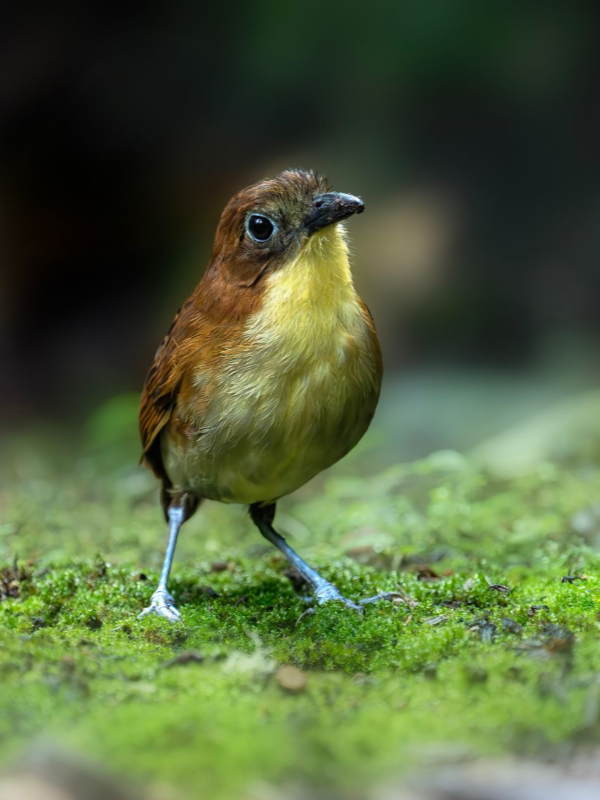
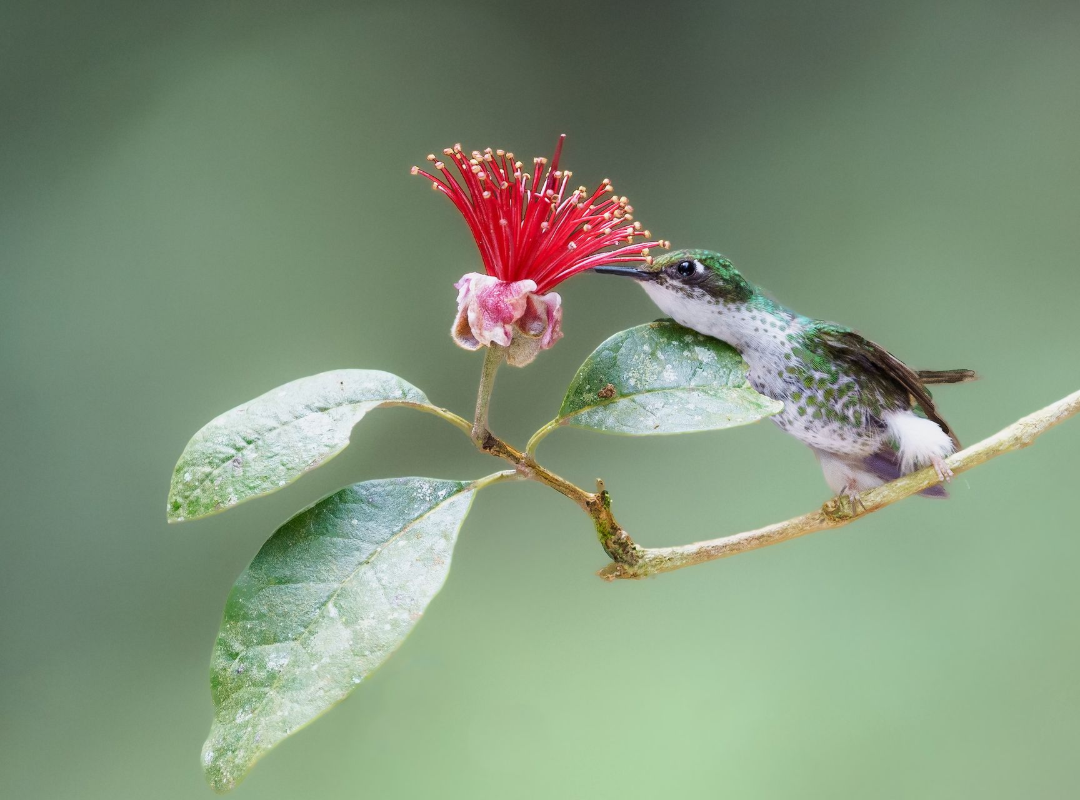
Your subject list should lead the decision. Hummingbird-focused photography often rewards repeated sessions at established locations, where a group itinerary can provide excellent variety and reliable opportunities. Endemic bird expeditions may also suit a group route, particularly when the itinerary connects several highly localized species across a region.
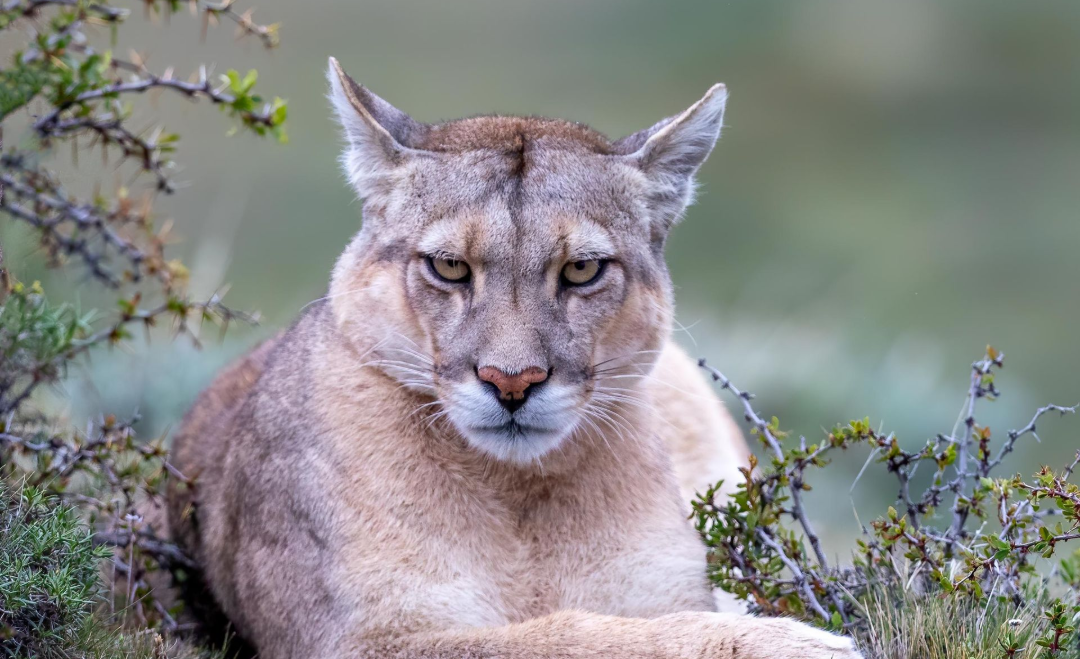
Iconic mammals often call for more flexibility. Jaguar photography may involve waiting along waterways, adapting to recent sightings, and returning to a productive stretch of river. A private format can make it easier to prioritize those decisions. The same is true for elusive forest species, specialized macro work, or an extended personal project that needs a particular background, behavior, or image style.
Consider your desired pace as well. A photographer seeking a comprehensive species list may welcome early departures, full-day field sessions, and frequent lodge changes. Another may prefer fewer locations and more time to work one habitat carefully. Neither approach is more serious. They simply produce different photographs.
Questions to Ask Before You Choose
Before committing to either format, look beyond the itinerary headline. Ask how many photographers will share the tour, how field positions are managed, whether guides understand photographic needs, and how much time is planned at each key site. Find out what happens if weather disrupts a transfer or a target species is missed. In remote regions, experienced coordination is as valuable as a beautiful destination.
You should also ask about ethical field practices. Responsible wildlife photography means keeping appropriate distance, avoiding playback or baiting where it causes stress, respecting local regulations, and allowing guides to make conservative decisions around sensitive species. The strongest images carry more meaning when they come from encounters that protect the animal and support the people who safeguard its habitat.
At Retorno Photo Tours, that local relationship matters. Travel supports rural, Indigenous, and Afro-descendant communities whose knowledge and stewardship make access to extraordinary ecosystems possible. Whether you travel privately or in a group, the journey should leave value in the places that make the photographs possible.
Make the Choice That Serves Your Photography
Choose a private tour when your dates, subjects, pace, or travel companions require a plan built specifically around you. Choose a small-group tour when you value a proven seasonal route, shared expertise, and the energy of traveling with photographers who are just as excited by a rare bird call before sunrise as you are.
The best expedition is not the one with the most ambitious itinerary on paper. It is the one that gives you enough time, guidance, and patience to recognize the moment when the forest finally opens - and to be ready when it does.
Ready to photograph Colombia?
Join us on a bird or wildlife photography tour designed around great photography, special locations, and unique experiences in Colombia.
Explore our upcoming tours:
www.retornophototours.com
Have a question or want to plan a private tour?
Email us at
dcasas@retornophototours.com
WhatsApp: +57 305298600
Let’s plan your next photography adventure in Colombia.
—
David Casas
Founder & Director | Retorno Photo Tours
Bird & Wildlife Photography Tours in Colombia
Scheduled Tours
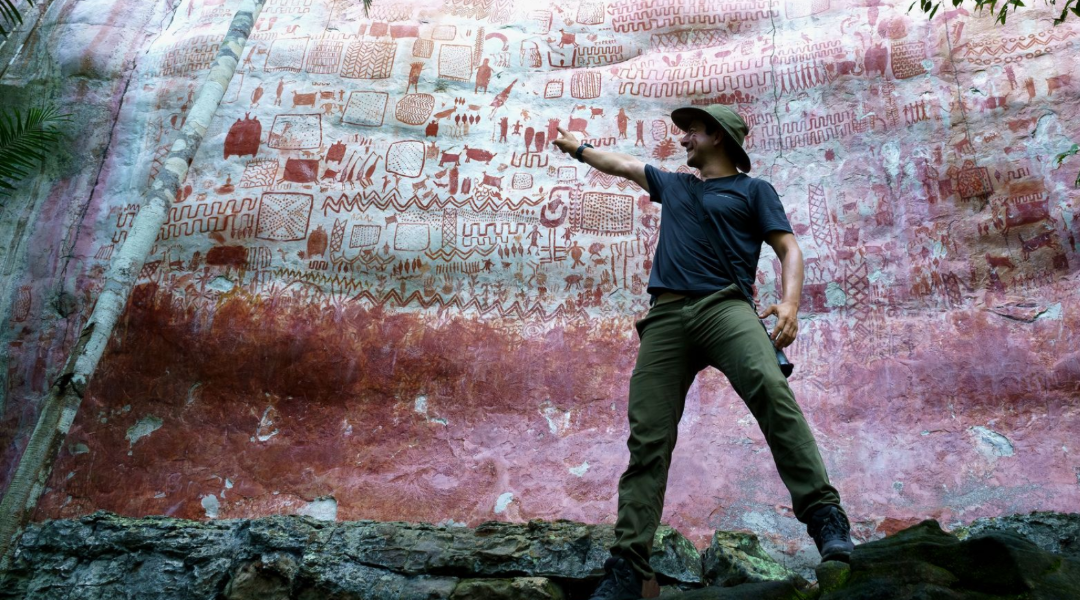
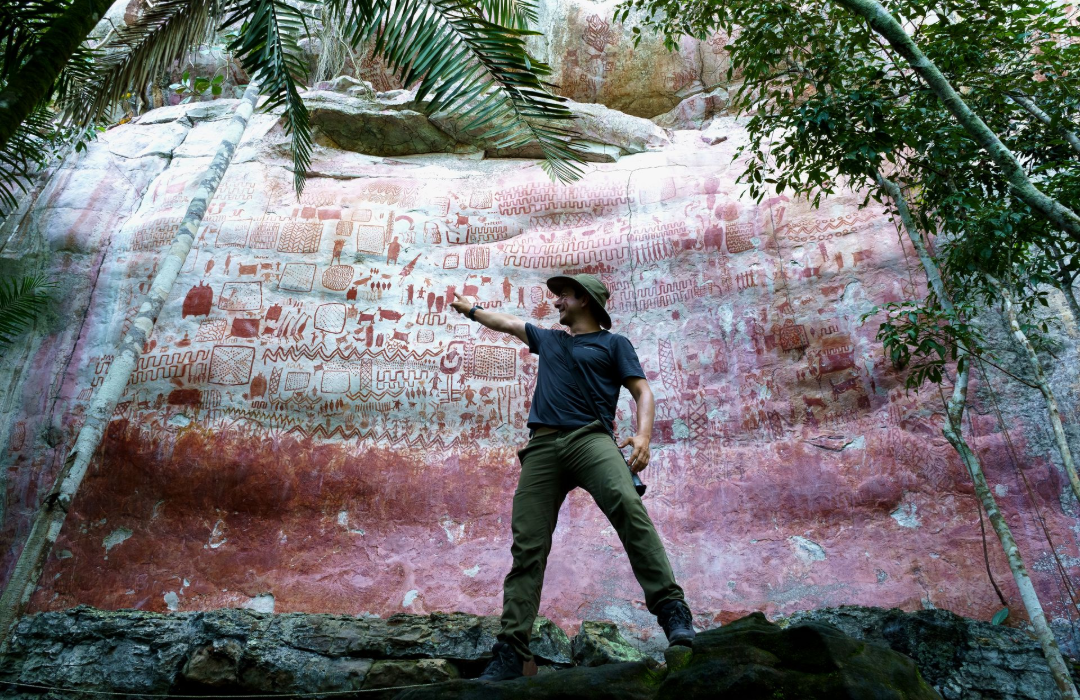
The road to Chiribiquete, Colombia's Western Amazon.
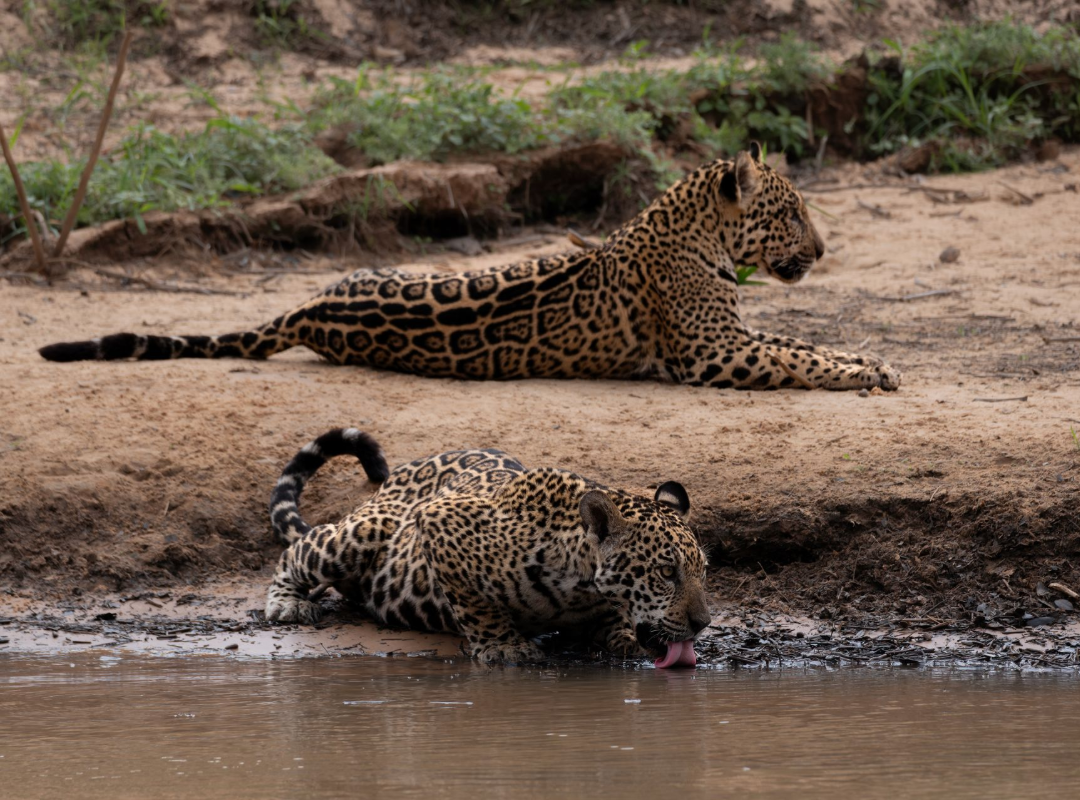
Jaguars Safari, Pantanal - Brazil.
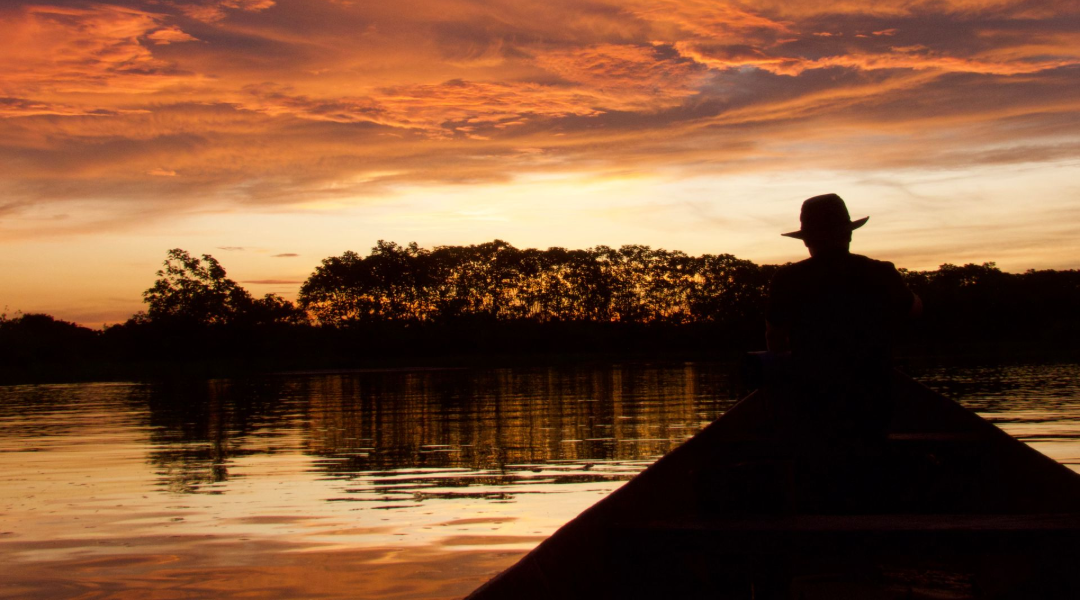
Amazon's Guiana Shield Specialties. Mitu-Vaupes.
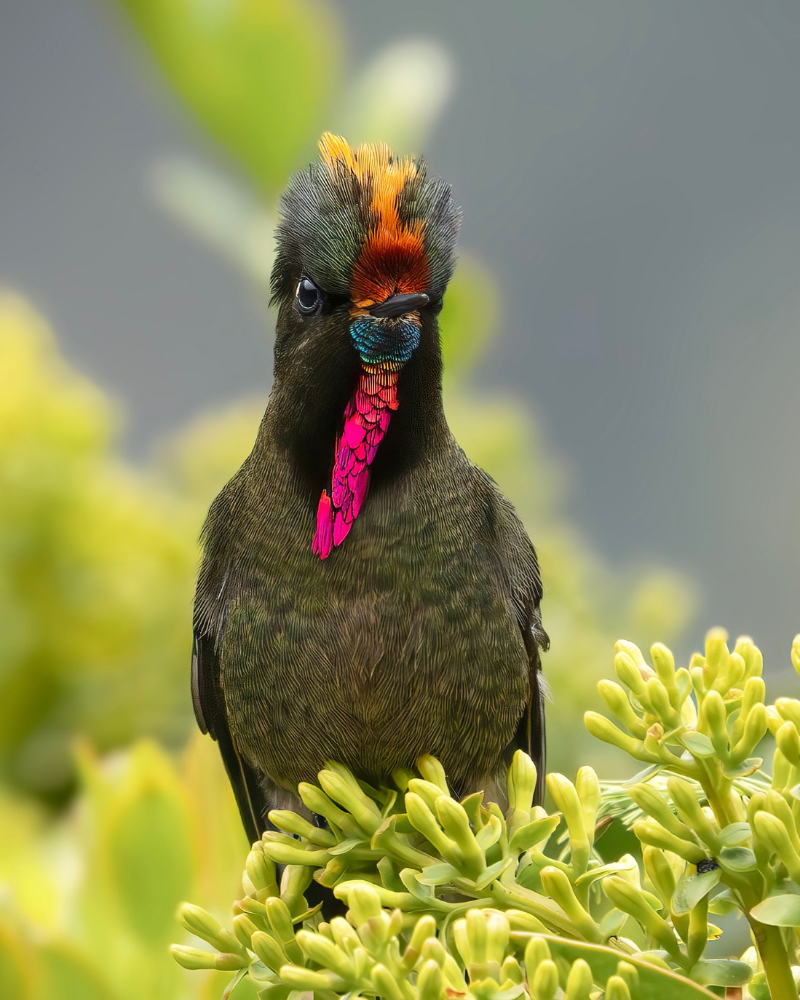
Emblematic Birds Photo Tour, Coffee Triangle.