
Fixed Departure Versus Private Expedition
Colombia Is a Photographer’s Dream for Frogs
A fixed departure versus private expedition is not simply a choice between joining a group and travelling alone. For a serious wildlife photographer, it shapes how many hours you spend at a hummingbird feeder, whether you can wait out rain for a Harpy Eagle, how much your itinerary can change around a target species, and who shares the blind beside you. Both formats can produce extraordinary images. The better choice depends on your photographic priorities, travel dates, budget, and appetite for flexibility.
What a fixed departure offers photographers
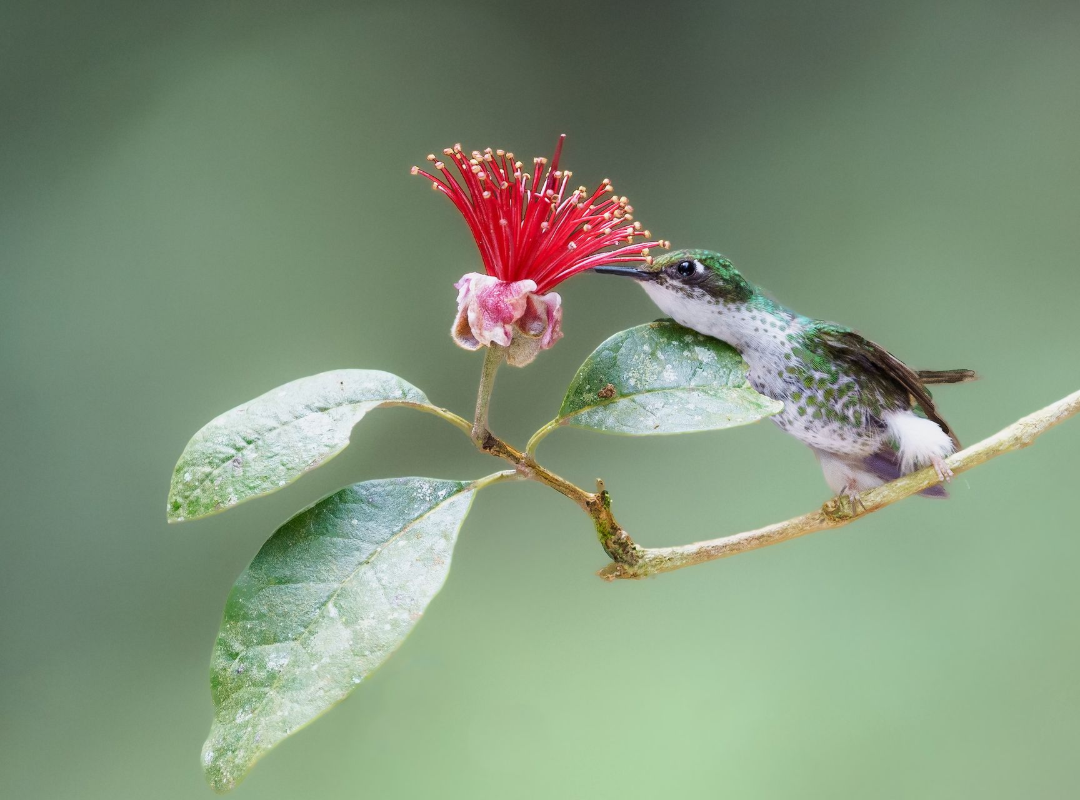
A fixed departure is a scheduled small-group expedition with confirmed dates, a defined route, and a carefully planned set of photographic opportunities. It is built around seasonal conditions: Andean tanagers at productive feeding stations, lek activity, jaguar concentrations in the Pantanal, migratory birds on the Caribbean coast, or the flowering cycles that draw hummingbirds to particular elevations.
The great advantage is that much of the hard work has already been done. The route has been tested, lodging and meals are coordinated, drivers know the roads, and local hosts understand why a photographer may need an early breakfast, a late dinner, or an extra fifteen minutes at the edge of the forest. Instead of spending your energy solving logistics, you can concentrate on exposure, positioning, behaviour, and the changing light.
For photographers visiting Colombia or Brazil for the first time, this confidence matters. A productive birding site may be several hours from the nearest city, reached by winding mountain roads or river transport. A schedule that looks simple on a map can become complicated when weather, road conditions, baggage limits, or regional flights enter the picture. On a fixed departure, those operational details are managed as one coordinated expedition.
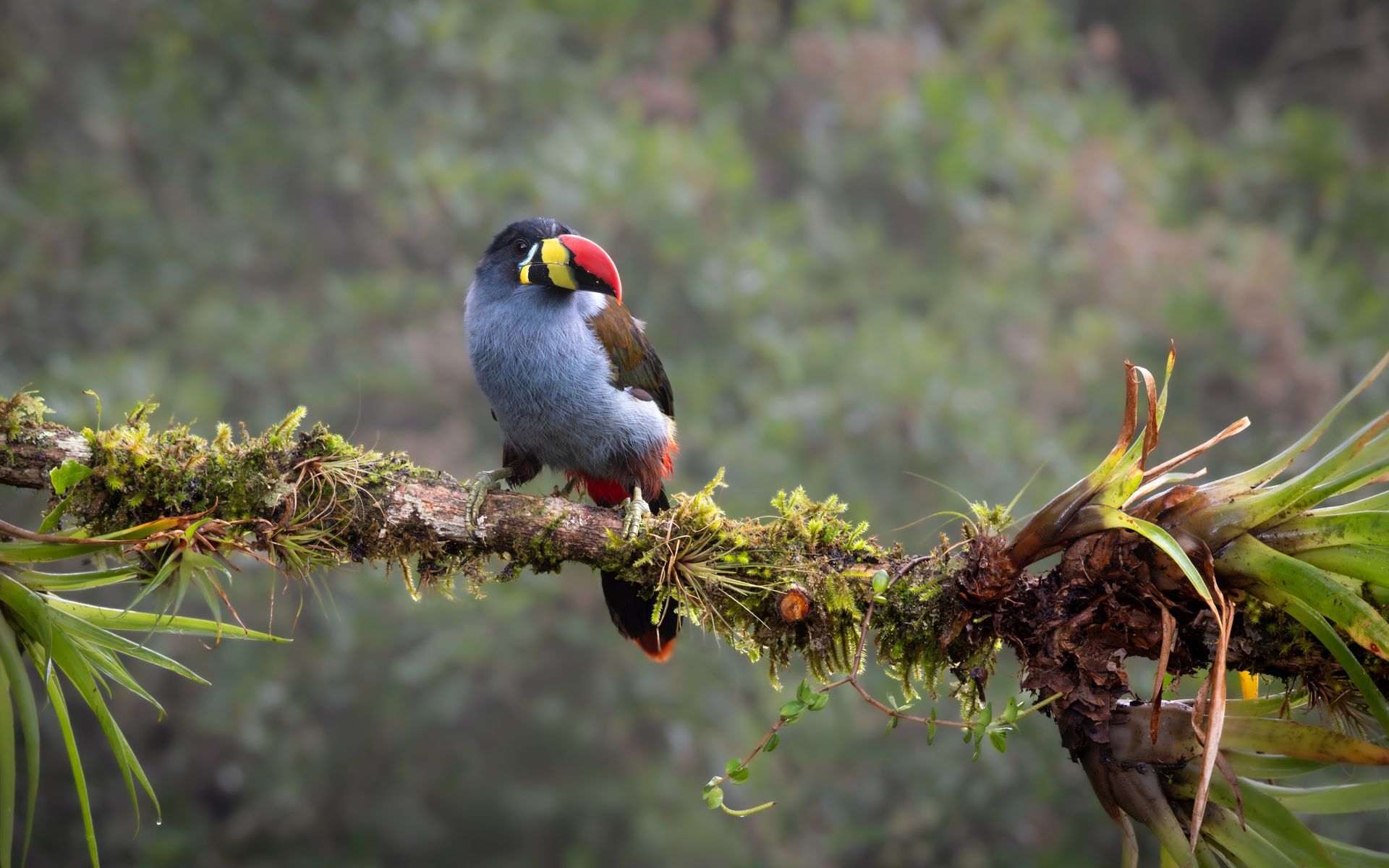
There is also real value in the group itself. A small group often means several skilled sets of eyes scanning canopy gaps, listening for calls, and noticing behaviour that signals an incoming subject. One photographer may spot a male Andean Cock-of-the-rock moving through the understory; another may identify the perch a toucan returns to at first light. Good field etiquette turns those moments into shared opportunities rather than competition.
Fixed departures are generally the more accessible option on a per-photographer basis because transport, guides, support staff, and regional planning costs are shared. They also suit travellers with a firm vacation window. If you know you can travel for ten days in a particular month and want a proven route focused on a rich selection of species, a scheduled expedition can be the most efficient path to a strong portfolio.
The trade-off: the route serves the group
The strength of a fixed itinerary is also its limit. A group trip must keep moving. If you have already photographed the planned hummingbird subjects and would rather devote a full day to reptiles, the schedule may not allow it. If one participant has a dream of finding a Spectacled Bear while another wants to stay at a tanager feeder, the guide must balance the experience fairly.
That does not mean fixed departures are rigid by nature. Weather, animal activity, and local conditions always require judgment. Experienced guides adjust field sessions when a better opportunity appears. Still, the central route, dates, accommodations, and core targets are designed before the group arrives. Choose this format when the itinerary already aligns with what you most want to photograph.
When a private expedition is worth it
A private expedition begins with a different question: what do you want to create? Rather than fitting your goals into a scheduled route, the route is designed around your priority species, preferred pace, photographic style, and comfort expectations.
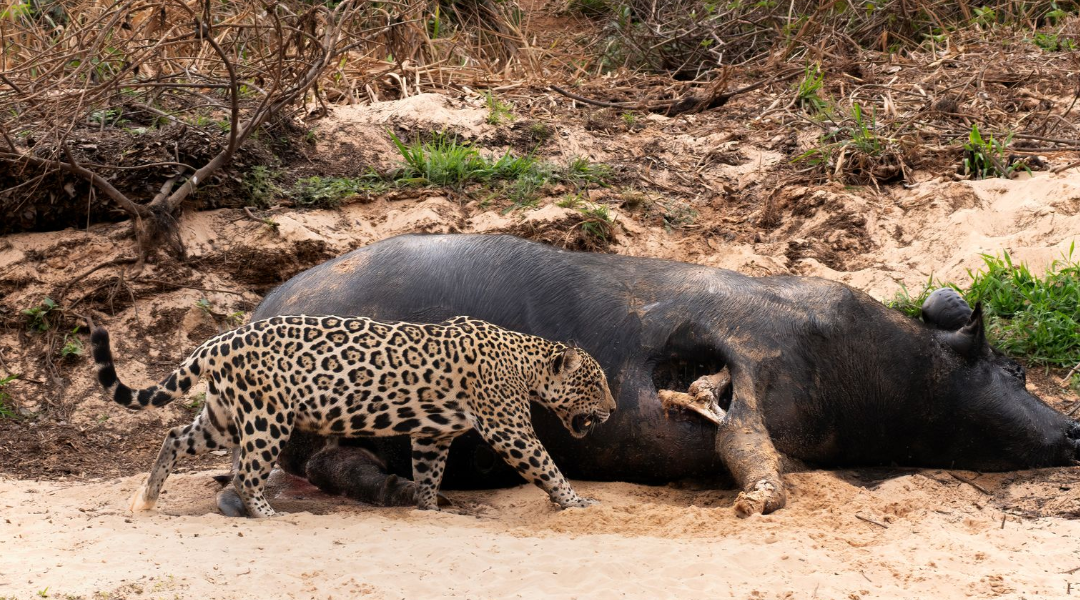
For some photographers, that means a concentrated Colombia itinerary for endemic birds and high-elevation hummingbirds. For others, it means allocating several patient days to a remote Amazonian site where a rare primate, Harpy Eagle, or secretive understory bird may appear only briefly. A private itinerary can also combine interests that would be difficult to serve on a standard group departure, such as bird photography in the Andes followed by macro work, herpetology, or a Pantanal extension for jaguars.
Time is often the most valuable part of private travel. You can remain at a productive location when the action is good, leave earlier when it is not, and arrange field sessions around your own working rhythm. A photographer focused on flight images may want repeated dawn sessions at one feeder. Someone pursuing clean behavioural portraits may prefer long waits at a forest blind. Neither approach is better, but they need different schedules.
Private trips are particularly useful for photographers travelling with a partner, family member, or a small group of friends. The expedition can account for different fitness levels, dietary needs, room preferences, and interests without asking unrelated travellers to compromise. It can also include more time to recover between transfers, use selected lodges, or build in a cultural stop that deepens the journey beyond the camera.
The trade-off: customization has a price
Private expeditions typically cost more per person, especially for one or two travellers. Vehicles, guide time, local access, and specialized arrangements are no longer distributed across a larger group. Remote destinations can add further costs through charter flights, boats, porters, or the limited availability of quality lodging.
A custom itinerary also asks more of the traveller before departure. You will need to be clear about your priorities. Are you pursuing a species list, a few signature images, difficult behavioural shots, or a broad first introduction to a region? How much walking are you comfortable with? Do you work best from feeders, blinds, boats, forest trails, or open roadside habitats? Honest answers help shape a trip that feels intentional rather than overpacked.
Private does not mean guaranteed. Wild animals remain wild, and ethical operators do not force encounters, crowd nests, bait sensitive species, or pressure communities to produce wildlife on demand. What customization provides is the best possible alignment of season, habitat, field time, local knowledge, and photographic patience.
Fixed departure versus private expedition: choose by priority
Choose a fixed departure when you want a proven itinerary, shared costs, set dates, and the energy of a small group working toward a rich range of subjects. It is often ideal for a first dedicated photo expedition to a new country, for photographers who enjoy learning alongside peers, and for those who want major logistics handled from arrival to departure.
Choose a private expedition when a specific target drives the trip, when your dates cannot match a published schedule, or when your ideal pace differs sharply from a group itinerary. It is also the stronger fit when you want to revisit a site, spend extra time on one difficult subject, travel with people you know, or create a journey across several distinct ecosystems.
There is a middle ground worth considering. A small private group can make custom travel more cost-effective while preserving flexibility. Two to six friends with compatible photographic goals can share a guide and vehicle, choose their dates, and still have room to linger where the images are happening. This works best when everyone agrees on the main targets before planning begins.
Questions to ask before committing
Start with the image you would regret missing. Is it a perched male Cock-of-the-rock in soft forest light, a hummingbird frozen against a clean background, a jaguar at water level, or a portfolio of endemic species? That answer tells you whether you need breadth or depth.
Then consider your tolerance for uncertainty. A fixed departure provides a reliable framework and a diversity of chances. A private trip allows more time for a narrow objective, but it may involve long waits, changing plans, and the possibility that a highly elusive species stays hidden. Photographers who enjoy the process of searching often find that uncertainty is part of the reward.
Ask how you like to travel, too. Some people return energized by discussing settings and sightings over dinner with fellow photographers. Others value quiet field time and want each day built around their own pace. Neither preference is selfish or superior. It is simply useful to recognize before you book.
Finally, look beyond the itinerary. The strongest expeditions depend on guides who understand animal behaviour, drivers and local hosts who know the region, and relationships with rural, Indigenous, and Afro-descendant communities that make respectful access possible. At Retorno Photo Tours, this local foundation is part of the photographic experience, not an afterthought. Your travel supports people who live alongside the habitats that make these encounters possible.
The right format is the one that gives your best subjects enough time, keeps the practical details in capable hands, and lets you stay fully present when the forest suddenly comes alive.