
How Professional Bird Photography Guides Improve Your Wildlife Images
How Professional Bird Photography Guides Improve Your Wildlife Images
Bird photography is often seen as a mix of patience, luck, and expensive equipment. While all three matter, there is another factor that consistently separates average images from outstanding ones: the presence of a professional bird photography guide. For photographers traveling to biodiverse regions such as Colombia and Brazil, guides are not just helpers—they are essential partners in creating meaningful wildlife images.
Whether you are an experienced photographer or someone building your wildlife portfolio, working with professional guides can dramatically improve the quality, consistency, and storytelling power of your photographs. Their knowledge, field skills, and understanding of bird behavior directly influence what you see, how you see it, and how successfully you capture it.
Seeing More Birds Is Only the Beginning
Most photographers initially think guides help by finding birds. While that is true, it is only the surface benefit. Professional bird photography guides understand ecosystems, habitats, and micro-locations in ways that go far beyond trail maps or species lists.
In countries like Colombia, where biodiversity changes rapidly with altitude, forest type, and weather, knowing exactly where to be at the right moment is critical. Guides know which species are active at dawn, which prefer shaded understory, and which appear only after rain or mist. This timing knowledge allows photographers to encounter birds in natural, photogenic situations rather than fleeting glimpses.
The result is not just more sightings, but better photographic opportunities.
Understanding Behavior Creates Better Images
Strong bird photographs are built on behavior, not just appearance. A perched bird can be beautiful, but a bird calling, feeding, displaying, or interacting with its environment tells a story.
Professional bird photography guides read behavior instinctively. They notice subtle movements, calls, and patterns that signal what a bird is about to do next. This anticipation gives photographers time to prepare their settings, position themselves correctly, and wait for the decisive moment.
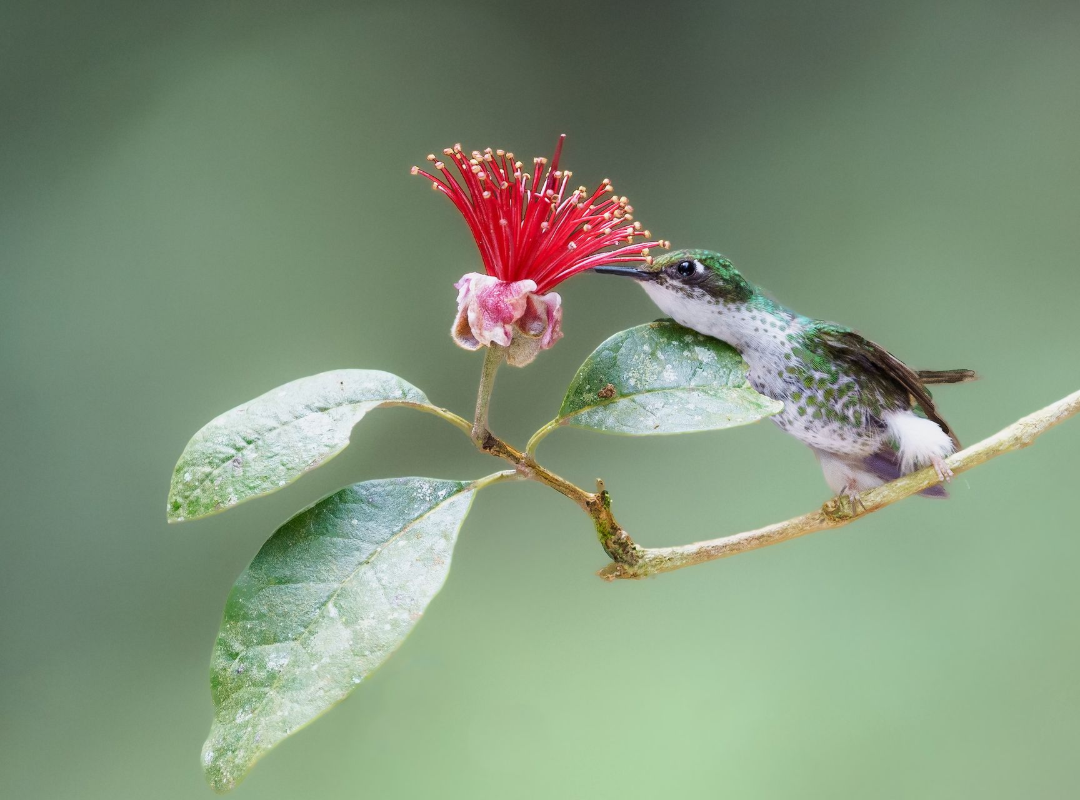
For example, a guide may recognize when a hummingbird is about to hover at a flower, when a manakin is preparing to display, or when a raptor is about to launch from its perch. These moments often last only seconds, but they define exceptional wildlife images.
Positioning Matters More Than Gear
Many photographers focus heavily on cameras and lenses, but positioning is often more important. Professional guides understand how light, background, and angle affect an image.
They help photographers avoid harsh backlighting when possible, position themselves for clean backgrounds, and choose angles that separate the subject from distracting foliage. In dense tropical forests, this guidance is invaluable. A few steps in the wrong direction can turn a great scene into visual clutter.
Guides also understand how birds respond to human presence. They know when to stay still, when to move slowly, and when to give a subject space so it behaves naturally. This respect for wildlife leads to more authentic images.
Ethical Practices Protect Both Birds and Images
Ethical bird photography is not just about conservation—it directly improves image quality. Birds that feel stressed or threatened rarely behave naturally, and stressed subjects lead to rushed, unnatural photographs.
Professional guides prioritize ethical practices. They limit disturbance, control group movement, and avoid overusing techniques that can disrupt birds. This creates calmer encounters where birds remain relaxed and behave naturally.
Ethical guiding results in images that feel genuine rather than forced. It also ensures that photography tourism supports conservation instead of harming the very species photographers come to capture.
Local Knowledge Unlocks Rare Opportunities
Professional guides often spend years working in specific regions. This long-term experience allows them to notice patterns that are invisible to short-term visitors.
They know when certain species are breeding, when fruits or flowers attract specific birds, and when seasonal movements bring rare species into accessible areas. This knowledge opens doors to opportunities that independent travelers rarely encounter.
For photographers, this can mean access to species, behaviors, and settings that are simply not available without expert guidance.
Managing Time in the Field
Time is one of the most valuable resources on any photography tour. Professional guides manage time efficiently, ensuring that photographers are in the right places during peak activity periods.
Early mornings, late afternoons, and specific weather conditions often produce the best light and bird activity. Guides structure days around these windows, balancing shooting time with rest, travel, and learning.
This thoughtful pacing prevents fatigue and maximizes productive shooting hours, especially on multi-day tours.
Helping Photographers of All Skill Levels
One of the strengths of professional bird photography guides is their ability to work with photographers at different experience levels. Beginners benefit from basic field advice, while advanced photographers benefit from refined positioning and behavior insights.
Guides adjust their approach without judgment, creating an environment where everyone feels supported. This inclusive atmosphere encourages learning, experimentation, and improvement.
Even experienced photographers often find that working with skilled guides sharpens their instincts and improves their consistency in the field.
Reducing Stress and Increasing Focus
Traveling in unfamiliar environments can be stressful. Language barriers, logistics, weather, and navigation all demand attention. Professional guides remove these distractions.
By handling routes, access permissions, timing, and local coordination, guides allow photographers to focus entirely on photography. This mental clarity improves creativity and decision-making in the field.
A relaxed photographer is a better photographer.
Building Stronger Visual Stories
Great wildlife photography is about storytelling, not just isolated images. Professional guides help photographers understand context—habitat, interactions, and environmental relationships.
This understanding encourages photographers to think beyond portraits and capture wider scenes, behavioral sequences, and environmental compositions. The result is a more complete and compelling visual story.
Why Guides Matter Even More in Biodiverse Regions
In places like Colombia and Brazil, biodiversity is immense, but so is complexity. Dense forests, fast-changing conditions, and high species diversity can overwhelm even experienced photographers.
Professional guides bring structure to this complexity. They help photographers prioritize opportunities, understand what is realistic, and make the most of each location.
Without this guidance, many photographers leave feeling they missed opportunities they never knew existed.
Learning That Lasts Beyond the Tour
One of the most valuable benefits of working with professional bird photography guides is learning that extends beyond the trip. Observational skills, ethical practices, and behavioral understanding stay with photographers long after they return home.
These lessons improve future photography in any environment, making guided tours a long-term investment in skill development, not just a single experience.
Choosing the Right Bird Photography Tour
Not all tours are created equal. The quality of guiding often determines whether a trip feels rushed and superficial or immersive and rewarding.
Professional guides combine local knowledge, ethical responsibility, adaptability, and communication skills. They respect wildlife, support photographers, and understand how to create meaningful field experiences.
Choosing tours that prioritize expert guiding is one of the smartest decisions a wildlife photographer can make.
Improve Your Images With Retorno Photo Tours
If you want to truly improve your wildlife images, choosing the right guide and destination matters. Retorno Photo Tours works in some of the best bird photography locations in Colombia and Brazil, partnering with experienced professional guides who understand bird behavior, ethical photography, and the needs of photographers.
Retorno’s tours are designed to maximize photographic opportunities while respecting nature and supporting conservation. From vibrant tanagers and hummingbirds to rare forest species, Retorno takes you to the best places with the right people to help you capture your strongest images.
Join Retorno Photo Tours and experience how professional bird photography guides can transform not just your photos, but your entire approach to wildlife photography.