
Is Colombia Safe for Photographers? What to Know
Rainforest Photography Tips Start Before the Trail
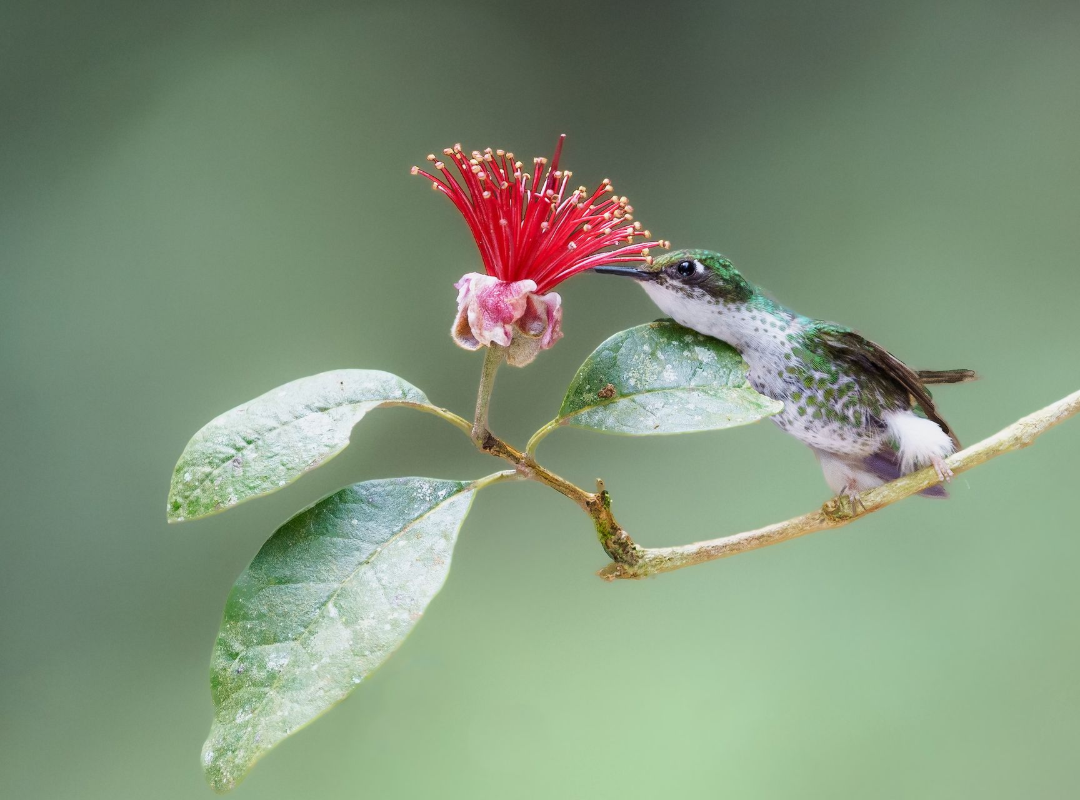
A hummingbird flashes through a cloud-forest garden, a Red Howler Monkey calls from the canopy, and your camera is already in hand. For photographers drawn to Colombia’s extraordinary biodiversity, the question is practical: is Colombia safe for photographers? The honest answer is yes, with informed planning, sensible field habits, and an itinerary designed around the realities of each region.
Colombia is not one uniform destination. A private photography day in a busy city, a dawn session at an Andean lodge, and a multi-day expedition in the Amazon have different risk profiles, transport needs, and standards of preparation. Most nature photographers who travel with experienced local coordination find Colombia deeply welcoming, remarkably productive, and far more straightforward than its old reputation suggests. But expensive camera equipment deserves discretion anywhere, and remote wildlife travel always rewards preparation.
Is Colombia Safe for Photographers in Practice?
For dedicated bird and wildlife photographers, safety is usually less about avoiding Colombia and more about making good decisions about where, when, and how to photograph. The country has a mature tourism infrastructure in many natural areas, including specialist lodges, reserves, rural roads, domestic flights, and local guides who know the daily conditions on the ground.
The key distinction is between urban travel and purpose-built nature travel. In cities, visitors should use the same awareness they would in any major destination: keep equipment close, avoid displaying valuables unnecessarily, use trusted transportation, and ask locally before walking with a camera in unfamiliar neighborhoods. Wildlife itineraries, meanwhile, often involve private vehicles, vetted accommodations, guides, reserve staff, and landowners who know the territory well.
A long lens can attract attention because it is clearly valuable. That does not mean it should stay at home. It means a photographer should avoid carrying a fully assembled 600mm lens through crowded streets, leave nonessential gear secured at the lodge when possible, and move between locations with a plan rather than improvising. The best photographic travel is not carefree because it ignores risk. It feels carefree because the details have been handled thoughtfully.
Colombia’s Safety Story Has Changed, but Regional Knowledge Matters
Many travelers still know Colombia through headlines and outdated perceptions. The country has changed enormously over recent decades, with thriving nature tourism in areas that were once absent from international itineraries. At the same time, Colombia remains geographically complex. Conditions can change from one valley to the next, and some border zones or isolated corridors are not appropriate for independent visitors.
This is why broad statements such as “Colombia is safe” or “Colombia is unsafe” miss the point. Cartagena’s historic center, Medellín’s popular districts, the Eastern Plains, a Chocó forest reserve, and an isolated mountain road should not be judged by one blanket rule. A strong itinerary is built on current local information, not assumptions made from thousands of miles away.
For photographers, local knowledge also improves the trip itself. A guide who understands where a rare antpitta has been active, which road becomes difficult after rain, or when a community reserve is open can protect both your time and your safety. Those same relationships create respectful access to habitat and more meaningful encounters with the people who care for it.
The Most Common Risks Are Often Practical, Not Dramatic
Wildlife photographers tend to focus on personal security, yet field conditions are frequently the more immediate challenge. Colombia’s terrain is spectacular and demanding. Steep, wet trails, high elevations, intense sun, sudden downpours, river crossings, insects, and long days in hides can all affect comfort and judgment.
In the Andes, altitude and changing temperatures can catch visitors off guard. A pre-dawn session may begin cold and misty, then become warm by midday. In lowland forests, humidity can test cameras, batteries, and rain protection. In the Llanos, heat and dust deserve as much respect as the wildlife. In the Amazon and Chocó, waterproofing, hydration, and dependable boots are not optional extras.
Photography introduces its own hazards. Looking through a viewfinder while backing up near a slope, stepping off a boardwalk for a cleaner angle, or concentrating on a calling bird while separated from the group can turn a minor situation into a serious one. Good guides set clear boundaries around trails, hides, riverbanks, and wildlife distance. Good photographers follow them, even when the frame seems irresistible.
Wildlife Requires Respectful Distance
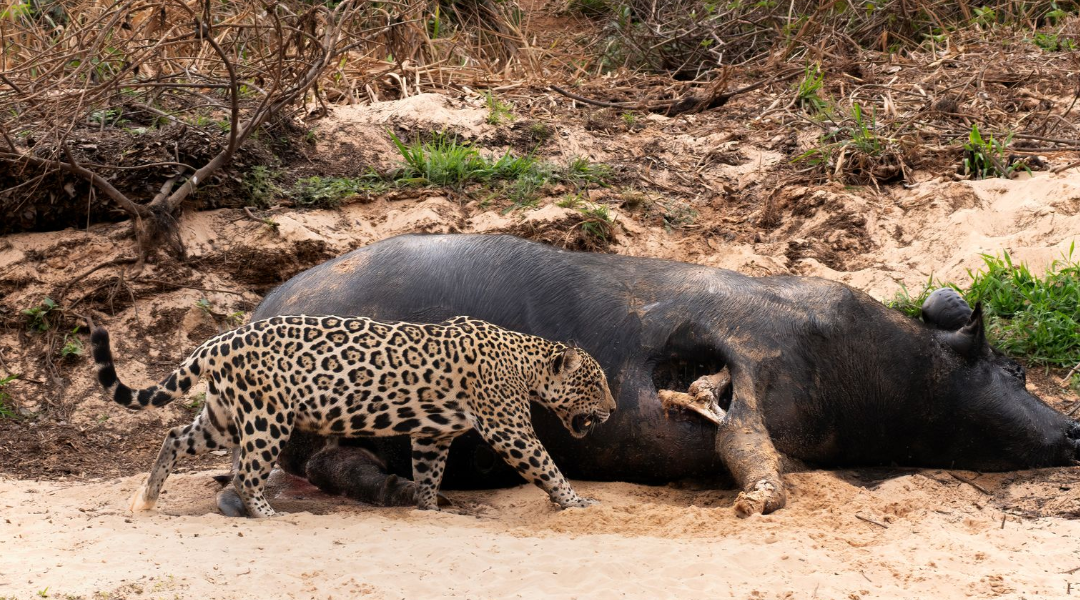
Colombia offers opportunities to photograph powerful and sensitive subjects, from Spectacled Bears and Harpy Eagles to caimans, snakes, and large mammals of the lowlands. These encounters are memorable because they are wild. The right approach is calm observation, appropriate distance, and no pressure on an animal for a closer image.
Ethical practice is also a safety practice. Avoid blocking trails, approaching nests, using playback where it is not appropriate, or moving ahead of your guide to create a scene. A quiet, patient photographer is more likely to see natural behavior and return home with images worth keeping.
How to Protect Your Gear Without Losing Photographic Opportunities
There is a balance between protecting equipment and being ready when a once-in-a-lifetime subject appears. Keep your primary camera accessible in the field, but make the rest of your system less visible during transfers. A simple rain cover, a dry bag for boat travel, silica packs for humid regions, and a clean cloth for lenses can prevent far more trouble than a complicated setup.
At lodges, do not leave cameras unattended on porches, in dining areas, or inside vehicles. Ask where gear can be stored securely if you are heading out without it. Bring a lockable hard case or cable lock if it gives you peace of mind, but do not assume every situation calls for the same approach. A remote birding lodge and an airport transfer require different habits.
Back up photographs regularly. Carrying two small backup drives separately is often wiser than keeping every image in one bag. Consider cloud backup only when connectivity is realistic, as many productive wildlife areas have limited or inconsistent service. Extra batteries, memory cards, lens cloths, and a weather-resistant camera cover are usually more useful than bringing every accessory you own.
Smart Habits for Independent and Guided Travel
Independent photographers can have an excellent trip in Colombia, particularly when staying in established nature lodges and planning transport carefully. Still, travel becomes more complex when the objective is a narrow target list, remote access, or a short window for subjects such as endemic hummingbirds, rare tanagers, or large mammals. Every hour spent solving a logistics problem is an hour away from the field.
A guided photography expedition provides a practical layer of safety through coordinated vehicles, drivers familiar with mountain roads, trusted lodging, and guides who can adjust plans when weather or local conditions shift. It also minimizes the small decisions that can create exposure: where to stop for food, which route to take after dark, whether a trail is suitable after heavy rain, and how to communicate in a rural community.
Before departure, share your itinerary with family, purchase travel insurance suited to your plans, and keep copies of passport, insurance, and emergency contacts separate from the originals. Use hotel safes where available, carry only the cash needed for the day, and rely on trusted transport rather than accepting informal rides. These are ordinary travel habits, but they matter more when you are traveling with professional-grade equipment.
Safety and Conservation Belong Together
The most rewarding photography happens where visitors are welcomed as respectful guests, not simply consumers of a landscape. Community-owned reserves, family-run lodges, Indigenous territories operating under agreed access, and rural conservation projects can offer extraordinary wildlife experiences while directing income toward habitat protection.
That relationship improves security in a meaningful way. When tourism supports local livelihoods and respects local rules, photographers are not arriving as isolated outsiders. They are part of a shared effort to protect the forests, wetlands, and species they came to see. At Retorno Photo Tours, that principle shapes route planning as much as target-species research: photographic opportunity, community respect, and dependable coordination belong in the same itinerary.
Bring your best long lens, prepare for rain and mud, and let local expertise guide the route. Colombia rewards photographers who arrive with curiosity, patience, and the good sense to treat every landscape and community with respect.