
Mastering Low-Light Bird Photography in Colombia’s Cloud Forests
Mastering Low-Light Bird Photography in Colombia’s Cloud Forests
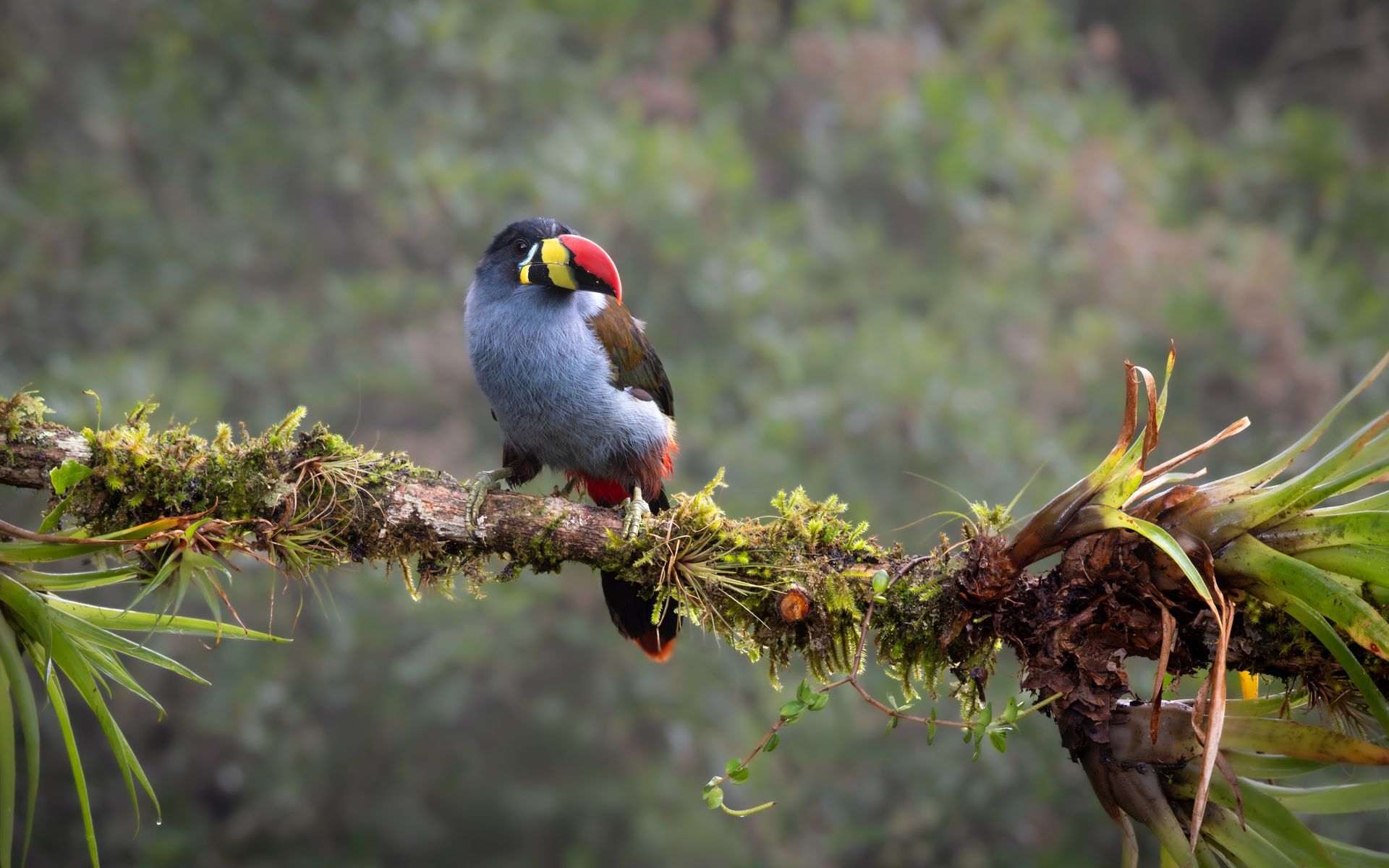
Colombia’s cloud forests are among the most magical environments for bird photography. Wrapped in mist and rich in biodiversity, these high-altitude ecosystems are home to an extraordinary variety of species, including hummingbirds, tanagers, and many elusive forest specialists. However, while the visual rewards are exceptional, the technical challenges are equally significant—especially when it comes to low-light conditions.
Photographing birds in these environments requires more than just good equipment. It demands an understanding of light, camera control, and field technique. Mastering low-light bird photography allows you to capture sharp, vibrant, and meaningful images even under dense canopy and constantly shifting conditions.
Understanding Light in Cloud Forest Environments
Cloud forests are defined by their thick vegetation, high humidity, and frequent mist. These factors combine to limit the amount of available light reaching the forest floor.
Light in these environments is often:
- Soft and diffused
- Inconsistent due to moving clouds and fog
- Filtered through layers of foliage
While this creates beautiful, natural tones, it also makes it difficult to achieve fast shutter speeds and clean exposures. Recognizing how light behaves in these forests is the first step toward adapting your photography approach.
Choosing the Right Camera Settings
In low-light conditions, your camera settings must be carefully balanced to maintain image quality while capturing sharp details.
Key adjustments include:
- Increasing ISO to compensate for limited light
- Using wide apertures to allow more light into the lens
- Selecting the fastest possible shutter speed for moving subjects
Birds rarely stay still, especially in forest environments. Even small movements can cause blur if your shutter speed is too slow. Finding the right balance between these settings is essential.
Managing ISO Without Losing Quality
Higher ISO settings are often necessary in cloud forests, but they can introduce noise into your images.
To manage this effectively:
- Use the lowest ISO possible while maintaining proper exposure
- Understand your camera’s noise performance limits
- Expose correctly in-camera to reduce noise during editing
Modern cameras handle high ISO better than ever, making it easier to work in challenging lighting conditions.
The Importance of Fast Lenses
A fast lens with a wide maximum aperture is one of the most valuable tools for low-light bird photography.
Lenses with apertures such as f/2.8, f/4, or f/5.6 allow more light to reach the sensor, making it easier to maintain faster shutter speeds.
Benefits of fast lenses include:
- Improved performance in dim environments
- Better subject isolation with shallow depth of field
- Increased autofocus accuracy in low light
Investing in a quality telephoto lens significantly improves your ability to capture sharp images in cloud forests.
Autofocus Techniques in Low Light
Autofocus can struggle in dim conditions, especially when subjects are small and moving.
To improve focus accuracy:
- Use continuous autofocus mode for moving birds
- Select a single focus point or small focus area
- Aim for areas of contrast, such as the bird’s eye or edges
Practicing these techniques helps ensure your images remain sharp even in challenging situations.
Stabilization and Shooting Techniques
Camera stability becomes critical when working with slower shutter speeds.
To reduce motion blur:
- Use proper handholding techniques
- Keep your body steady and controlled
- Consider using a monopod for added support
In some cases, image stabilization features in lenses or cameras can also help maintain sharpness.
Working With Natural Perches and Predictable Behavior
In low-light environments, chasing fast-moving birds can be difficult.
Instead, focus on:
- Birds that return to the same perch repeatedly
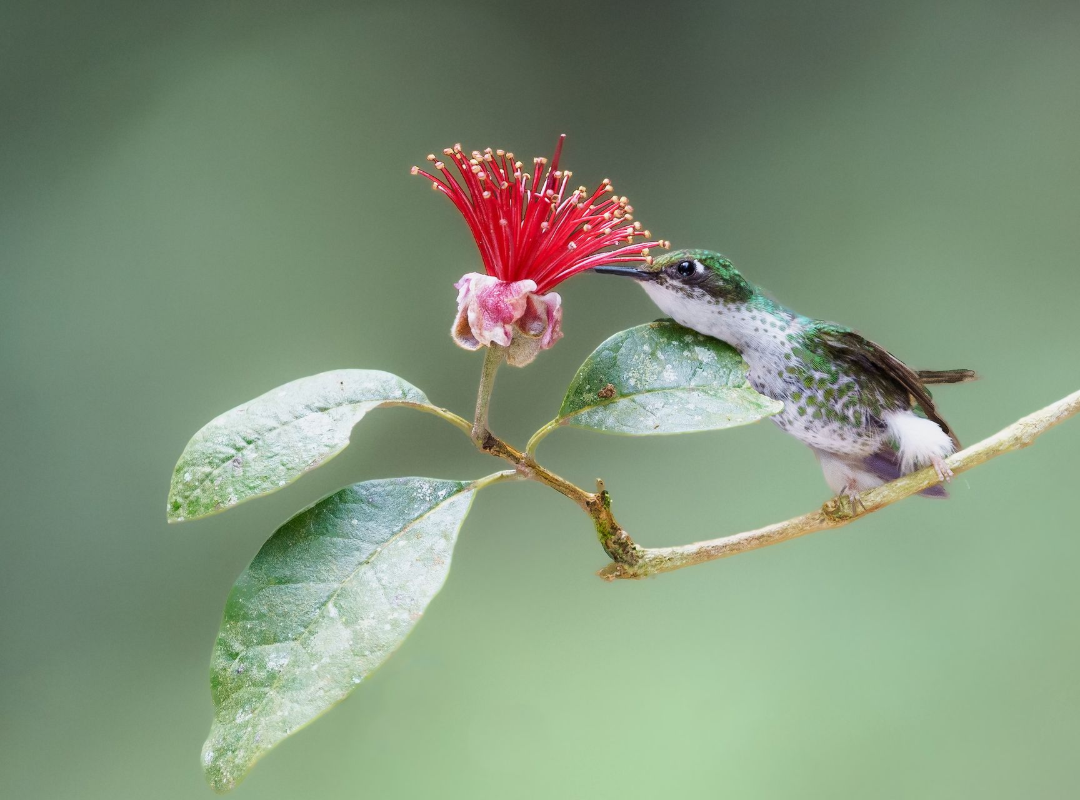
- Feeding areas such as flowering plants
- Locations where birds pause briefly before moving again
By positioning yourself strategically, you can prepare your settings in advance and capture sharper images.
Making the Most of Soft Light
Although low light can be challenging, it also offers creative advantages.
Soft, diffused light can:
- Reduce harsh shadows
- Enhance natural colors
- Create a calm and atmospheric mood
Learning to work with this type of light allows you to produce more artistic and visually appealing images.
Dealing With Humidity and Equipment Challenges
Cloud forests are not only dark but also humid.
Moisture can affect both your gear and your shooting experience.
To protect your equipment:
- Use weather-sealed cameras and lenses when possible
- Carry protective covers
- Store gear with moisture-absorbing materials
Taking care of your equipment ensures consistent performance in demanding conditions.
Practicing Patience and Timing
Low-light bird photography requires patience.
Instead of rushing, take time to:
- Observe bird movement and behavior
- Wait for moments when light improves slightly
- Position yourself for the best available conditions
Often, the difference between an average shot and an exceptional one is simply waiting for the right moment.
Learning Through Guided Field Experience
One of the fastest ways to improve low-light photography skills is by learning in real environments with experienced guides.
Guided tours provide:
- Access to locations with consistent bird activity
- Expert advice on camera settings and positioning
- Real-time feedback to improve your technique
This hands-on learning approach helps you adapt quickly to challenging conditions.
Experience Cloud Forest Photography with Retorno Photo Tours
Retorno Photo Tours offers specialized bird photography experiences in Colombia’s cloud forests, designed to help photographers succeed in even the most challenging lighting conditions.
Our tours focus on:
- Positioning photographers in optimal locations
- Providing expert guidance on low-light techniques
- Ensuring ethical and responsible wildlife photography
- Creating opportunities to capture unique bird species
We welcome photographers of all levels who want to improve their skills and explore Colombia’s incredible biodiversity.
If you would like to learn more about our bird photography tours, we invite you to contact us through our website.
By mastering low-light techniques, you can unlock the full potential of Colombia’s cloud forests and capture stunning, atmospheric images that truly stand out.