
How Weather and Climate Influence Bird Photography Success in Colombia
How Weather and Climate Influence Bird Photography Success in Colombia
Colombia is widely recognized as one of the best destinations in the world for bird photography, thanks to its unmatched biodiversity and range of ecosystems. However, beyond location and species diversity, one of the most important factors influencing your success in the field is weather and climate.
From misty cloud forests to humid rainforests and sunlit wetlands, weather conditions shape bird behavior, visibility, lighting, and overall shooting opportunities. Understanding how these elements interact allows photographers to adapt quickly and consistently capture better images.
Colombia’s Climate Diversity and Its Impact
Located in Colombia, the country’s geography creates a wide range of microclimates.
These include:
- Cool, misty cloud forests in the Andes
- Hot and humid lowland rainforests
- Open, sunlit wetlands and river systems
- Seasonal dry and wet regions
Each of these environments presents different weather patterns that directly affect bird activity and photography conditions.
Light Conditions and Photography Quality
Weather plays a major role in determining available light.
In ideal conditions:
- Soft, diffused light (cloudy or misty weather) reduces harsh shadows
- Early morning sunlight adds warmth and depth
- Overcast skies help balance exposure in forest environments
However, challenging conditions include:
- Very low light in dense forests
- Harsh midday sun creating strong contrasts
- Rapid light changes due to moving clouds
Photographers who understand how to work with these variations can turn difficult conditions into creative advantages.
Rain and Its Influence on Bird Activity
Rain is a common part of Colombia’s climate, especially in tropical regions.
Its effects include:
- Temporary reduction in bird activity during heavy rain
- Increased activity immediately after rain stops
- Opportunities to capture unique behaviors, such as birds shaking off water or feeding actively
Light rain or mist can also add atmosphere to images, creating a more dramatic and natural feel.
Being prepared for rain allows photographers to continue working while others stop shooting.
Humidity and Its Challenges
High humidity is a defining feature of many Colombian ecosystems.
This affects photography in several ways:
- Fogging of lenses and camera sensors
- Reduced visibility in dense forests
- Slower equipment performance if not properly maintained
To adapt, photographers should:
- Allow gear to acclimate gradually
- Use protective covers and dry storage
- Clean lenses regularly
Managing humidity effectively ensures consistent performance throughout the trip.
Wind and Bird Movement
Wind conditions can significantly influence bird behavior.
In calm conditions:
- Birds are more predictable and stable
- Perching opportunities are easier to capture
In windy conditions:
- Birds may stay hidden or move less
- Branch movement can make focusing more difficult
- Flight patterns may change
Understanding wind patterns helps photographers anticipate where and how birds will move.
Seasonal Changes and Bird Diversity
Different times of the year bring changes in bird presence and activity.
Seasonal variations can affect:
- Migration patterns
- Breeding behavior
- Feeding activity
For example:
- Certain species may only be visible during specific months
- Breeding seasons can lead to more active and visible behavior
- Food availability influences where birds gather
Planning your trip around these cycles can significantly increase your chances of capturing diverse species.
Cloud Forest Conditions: Mist and Low Visibility
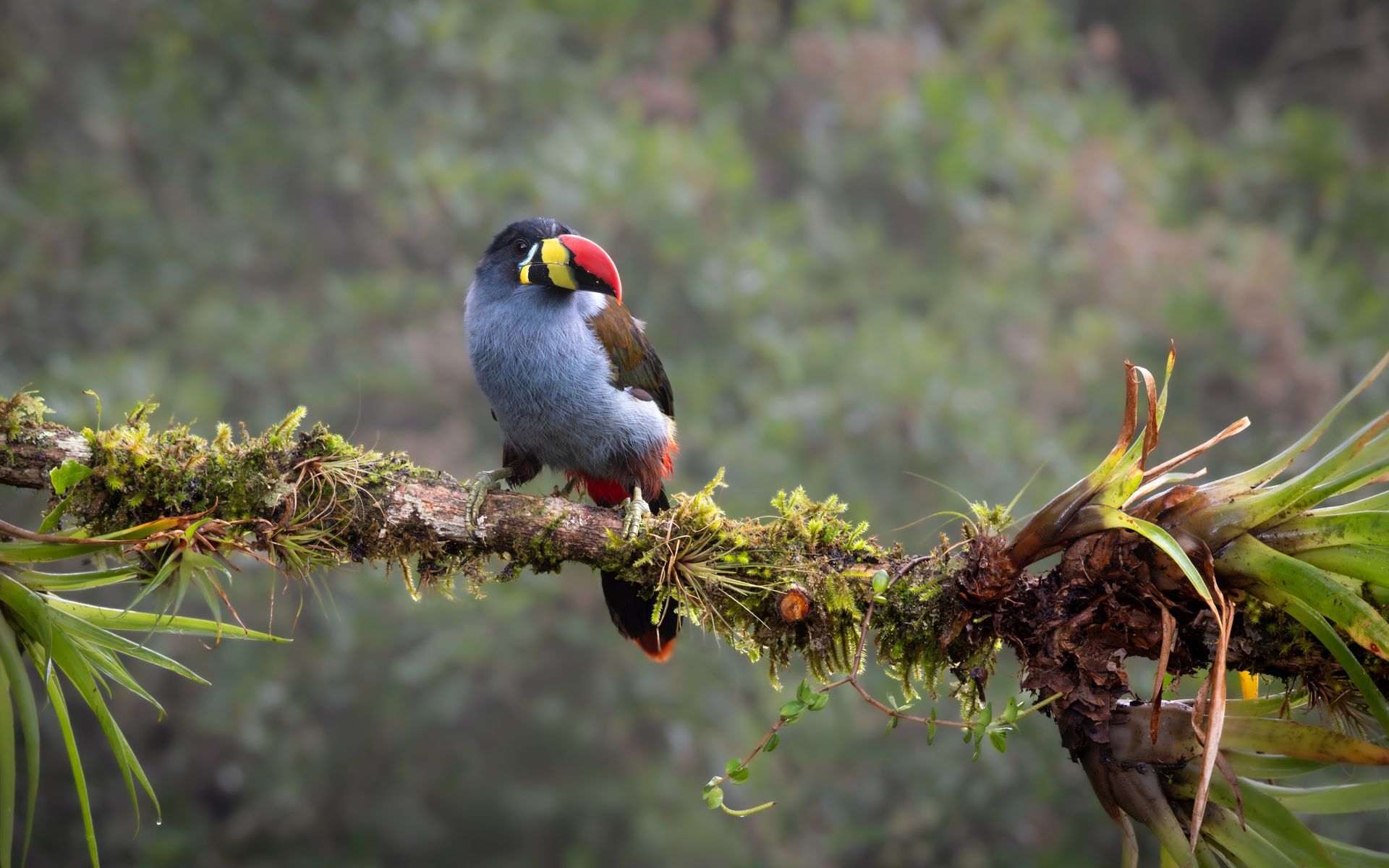
Cloud forests are known for their constant mist and shifting visibility.
While challenging, these conditions offer:
- Soft, even lighting ideal for color accuracy
- Atmospheric backgrounds that enhance storytelling
- Unique opportunities to capture birds in natural, moody environments
Photographers must adapt by using higher ISO settings and fast lenses, but the visual rewards are often exceptional.
Wetland and Open Habitat Weather Advantages
In contrast, wetlands and open areas provide:
- More consistent and brighter light
- Better visibility for birds in flight
- Opportunities for action photography
However, these environments can also bring:
- Strong sunlight during midday
- Heat haze affecting image clarity
Timing your shoots early or late in the day helps maximize results.
Adapting Quickly to Changing Conditions
One of the most important skills in bird photography is adaptability.
Weather in tropical regions can change rapidly, so photographers must be ready to:
- Adjust camera settings instantly
- Move to better positions based on light
- Protect gear during sudden rain
Flexibility is key to maintaining consistent results in unpredictable conditions.
Using Weather to Enhance Storytelling
Rather than seeing weather as a limitation, experienced photographers use it creatively.
Examples include:
- Mist to create depth and mood
- Rain to capture natural behavior
- Dramatic skies to enhance composition
Weather can add emotion and context, transforming simple images into powerful visual stories.
The Importance of Local Knowledge
Understanding local weather patterns is difficult for international travelers.
Experienced guides help by:
- Predicting the best times and locations based on weather
- Adjusting daily plans to maximize opportunities
- Positioning photographers for optimal light and conditions
This local expertise can make a significant difference in overall success.
Experience Colombia’s Changing Conditions with Retorno Photo Tours
Retorno Photo Tours specializes in bird photography experiences across Colombia, helping photographers adapt to diverse weather and climate conditions.
Our tours provide:
- Access to multiple ecosystems with different climates
- Expert guidance on adjusting to weather changes
- Strategic planning to maximize shooting opportunities
- Ethical and professional field practices
We ensure that weather becomes an advantage rather than an obstacle.
If you would like to learn more about our bird photography tours, we invite you to contact us through our website.
By understanding and adapting to weather and climate, you can significantly improve your bird photography results and capture more dynamic, authentic images in Colombia.