
Top Bird Photography Mistakes Beginners Make and How to Avoid Them
Top Bird Photography Mistakes Beginners Make and How to Avoid Them
Bird photography is one of the most rewarding yet challenging forms of wildlife photography. Beginners often arrive in destinations like Colombia full of excitement, only to realize that capturing sharp, well-composed, and meaningful images of birds requires more than just a good camera. The learning curve can feel steep, but most common mistakes are easy to fix once you understand them.
By recognizing these pitfalls early and learning how to avoid them, photographers can dramatically improve their results and enjoy a much smoother progression from beginner to confident wildlife shooter.
Not Understanding Bird Behavior
One of the biggest mistakes beginners make is focusing only on camera settings while ignoring bird behavior.
Birds are unpredictable, but they do follow patterns:
- Feeding routines
- Perching habits
- Flight paths
- Reactions to human presence
Without understanding these patterns, photographers often miss the best moments. Learning to observe before shooting allows you to anticipate action instead of reacting too late.
Shooting at the Wrong Time of Day
Lighting is everything in photography, and beginners often shoot during harsh midday light.
This leads to:
- Overexposed highlights
- Strong shadows
- Flat or washed-out colors
The best times are early morning and late afternoon, when light is softer and birds are more active. Adjusting your schedule around light conditions can instantly improve image quality.
Using Incorrect Camera Settings
Another common issue is relying on automatic settings.
Problems include:
- Motion blur due to slow shutter speed
- Incorrect exposure in changing light
- Lack of control over depth of field
For bird photography, it’s essential to:
- Use fast shutter speeds for movement
- Adjust ISO based on lighting conditions
- Control aperture for subject isolation
Understanding these basics gives you control over your results.
Focusing on the Wrong Part of the Bird
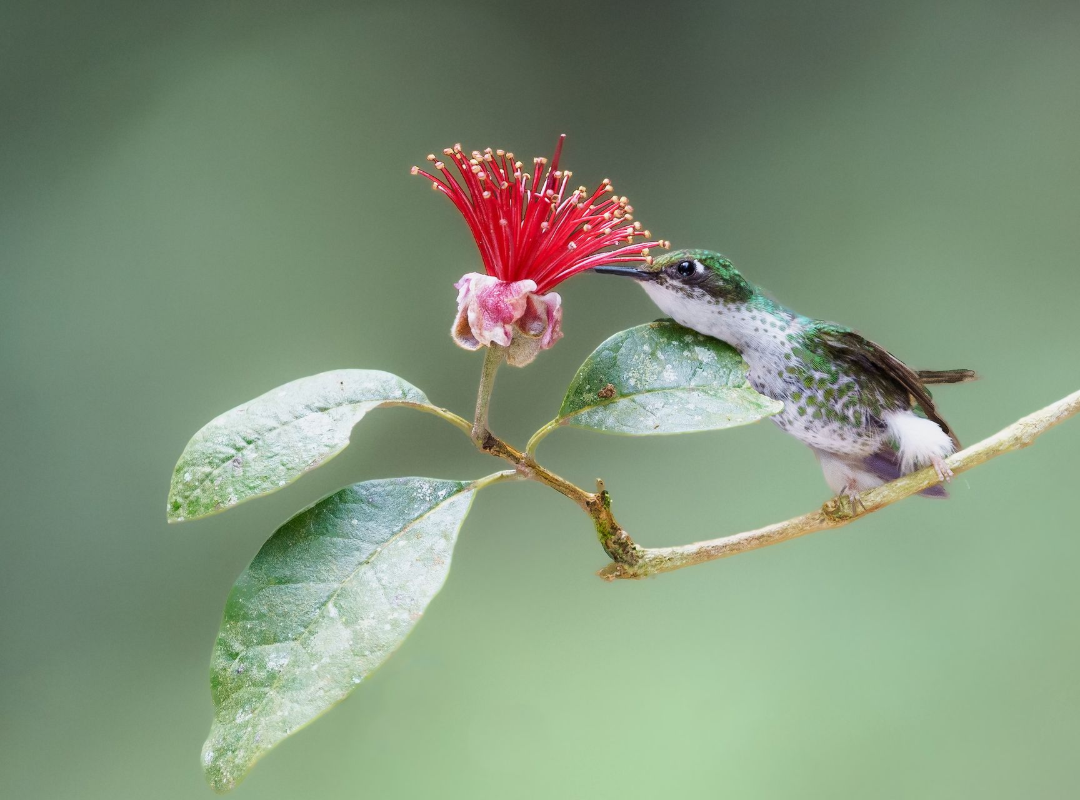
Sharpness is critical, and the most important area is the eye.
Beginners often:
- Focus on the body instead of the head
- Use incorrect autofocus modes
- Miss focus entirely during movement
Always prioritize the eye and use continuous autofocus for moving subjects. A sharp eye can make even a simple image stand out.
Getting Too Close Too Quickly
Excitement often causes beginners to approach birds too fast.
This results in:
- Scaring birds away
- Missing natural behavior
- Limited shooting opportunities
Patience is key. Move slowly, keep a safe distance, and let the bird become comfortable with your presence.
Ignoring the Background
A distracting background can ruin an otherwise great shot.
Common mistakes include:
- Busy or cluttered surroundings
- Bright spots that pull attention away
- Poor contrast between subject and background
Choosing the right angle and position helps create clean, professional-looking images.
Overusing Zoom Without Stability
Long lenses are essential, but they also introduce challenges.
Beginners often:
- Shoot handheld without proper stability
- Use slow shutter speeds with long focal lengths
- End up with blurry images
Using proper technique—such as stabilizing your body or increasing shutter speed—helps maintain sharpness.
Taking Too Many Shots Without Purpose
Burst mode is useful, but relying on it too much can lead to poor habits.
This often results in:
- Thousands of images to sort through
- Missed intentional compositions
- Less awareness of timing
Instead, focus on capturing meaningful moments rather than shooting continuously without direction.
Neglecting Weather and Environmental Conditions
Many beginners underestimate how much weather affects bird photography in places like Colombia.
Mistakes include:
- Not preparing for rain or humidity
- Ignoring changing light conditions
- Failing to adapt camera settings
Understanding the environment helps you stay prepared and make better decisions in the field.
Overediting Photos
Editing is important, but beginners often go too far.
Common issues:
- Oversaturated colors
- Excessive sharpening
- Unrealistic results
Editing should enhance, not distort. Keeping adjustments natural preserves the authenticity of wildlife photography.
Lacking Patience and Persistence
Perhaps the most important mistake is expecting instant results.
Bird photography requires:
- Time
- Observation
- Practice
Not every outing will produce perfect shots, but each experience builds skill and confidence.
Not Learning From Experienced Photographers
Trying to learn everything alone can slow progress.
Working with experienced guides or photographers helps you:
- Avoid common mistakes
- Learn faster in real-world conditions
- Understand both technical and field skills
Guidance can significantly shorten the learning curve.
Turning Mistakes Into Progress
Every mistake in bird photography is an opportunity to improve.
By becoming aware of:
- Your shooting habits
- Your technical limitations
- Your decision-making in the field
You can gradually refine your approach and achieve better results.
Improve Faster with Retorno Photo Tours
At Retorno Photo Tours, we help photographers avoid these common mistakes while exploring the incredible biodiversity of Colombia.
Our tours are designed to provide:
- Hands-on guidance in real shooting conditions
- Expert advice on bird behavior and technique
- Support for both beginners and advanced photographers
- Access to some of the best bird photography locations in the world
We focus on practical learning, helping you improve quickly while enjoying the experience.
If you want to take your bird photography skills to the next level, we invite you to contact us through our website.
By understanding and avoiding these common mistakes, you can dramatically improve your results and fully enjoy the art of bird photography.