
Pantanal vs Amazon vs Atlantic Forest: Best Wildlife Photography Regions
Pantanal vs Amazon vs Atlantic Forest Best Wildlife Photography Regions
South America offers some of the most spectacular wildlife photography opportunities on the planet, and three regions in particular stand out: the Pantanal, the Amazon, and the Atlantic Forest of Brazil. Each provides unique ecosystems, distinct species assemblages, and different field conditions, making them appealing to photographers with diverse goals. Choosing the right region—or ideally, combining several—requires an understanding of what each offers in terms of accessibility, species visibility, and photographic potential.
This comparison explores the strengths and challenges of each region, providing insights for photographers planning professional wildlife tours. From jaguar encounters in the Pantanal to rare birds in the Atlantic Forest and unparalleled biodiversity in the Amazon, South America offers a complete palette for nature photographers seeking iconic images and immersive experiences.
The Pantanal: Jaguars and Wetland Wonders
The Pantanal is widely regarded as the world’s premier destination for large-cat photography. Stretching across Brazil, with extensions into Bolivia and Paraguay, this vast floodplain is a unique ecosystem defined by seasonal inundation. During the dry season, water levels drop dramatically, concentrating wildlife along rivers, lagoons, and pools, which creates highly predictable conditions for photographers.
Why the Pantanal is ideal for wildlife photography:
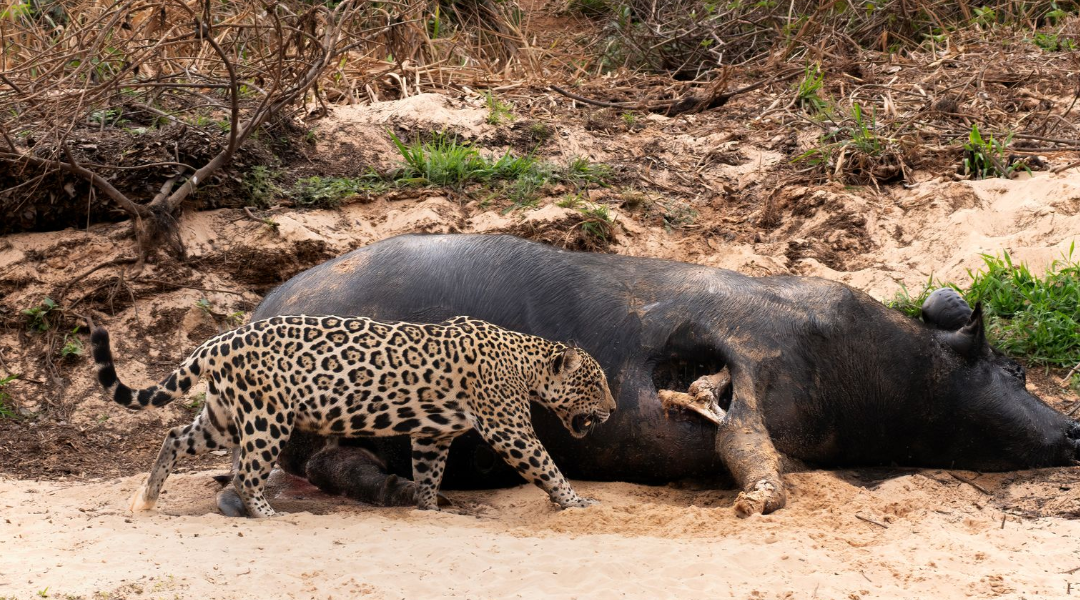
- High visibility of apex predators: Jaguars, the region’s flagship species, often walk riverbanks in open terrain, providing rare opportunities for extended observation and storytelling sequences.
- Diverse wetland species: Giant river otters, marsh deer, capybaras, caimans, and numerous waterbirds are consistently present.
- Accessible river-based photography: Small boats allow photographers to follow wildlife quietly, providing eye-level perspectives without disturbing natural behavior.
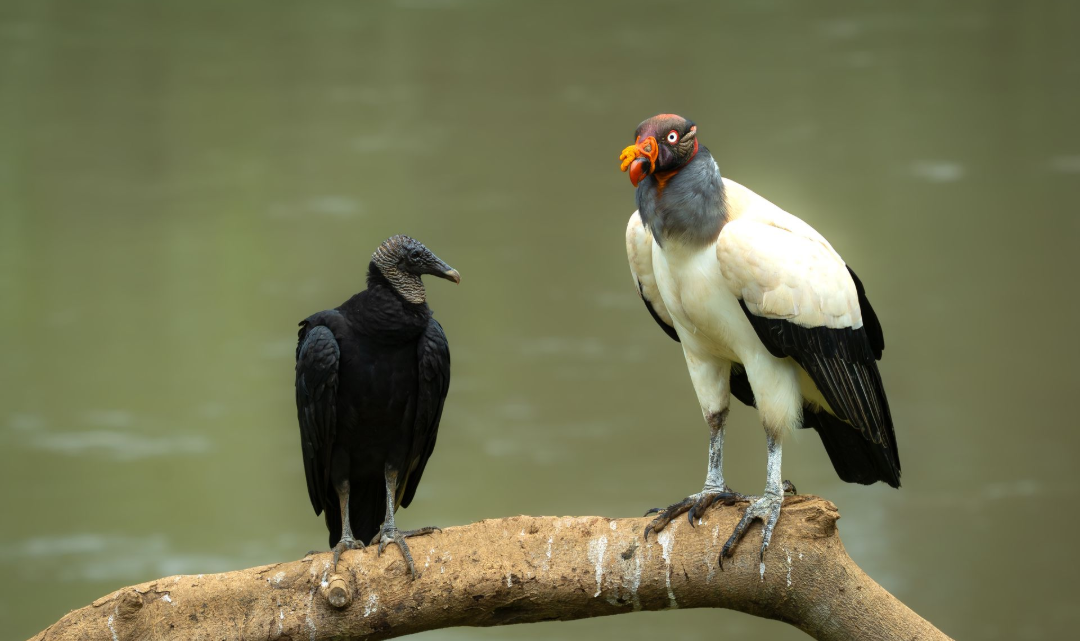
The Pantanal is also known for its bird diversity. Hyacinth macaws, jabiru storks, roseate spoonbills, and kingfishers are common photographic subjects. The openness of the landscape creates excellent lighting and uncluttered backgrounds, ideal for professional-grade photography.
The Amazon: Biodiversity and Immersive Forest Experiences
The Amazon rainforest represents one of the most biodiverse regions on Earth. While jaguars are present, they are far less visible than in the Pantanal. Instead, the Amazon excels in species richness, ecological complexity, and immersive rainforest experiences.
Photographers in the Amazon encounter:
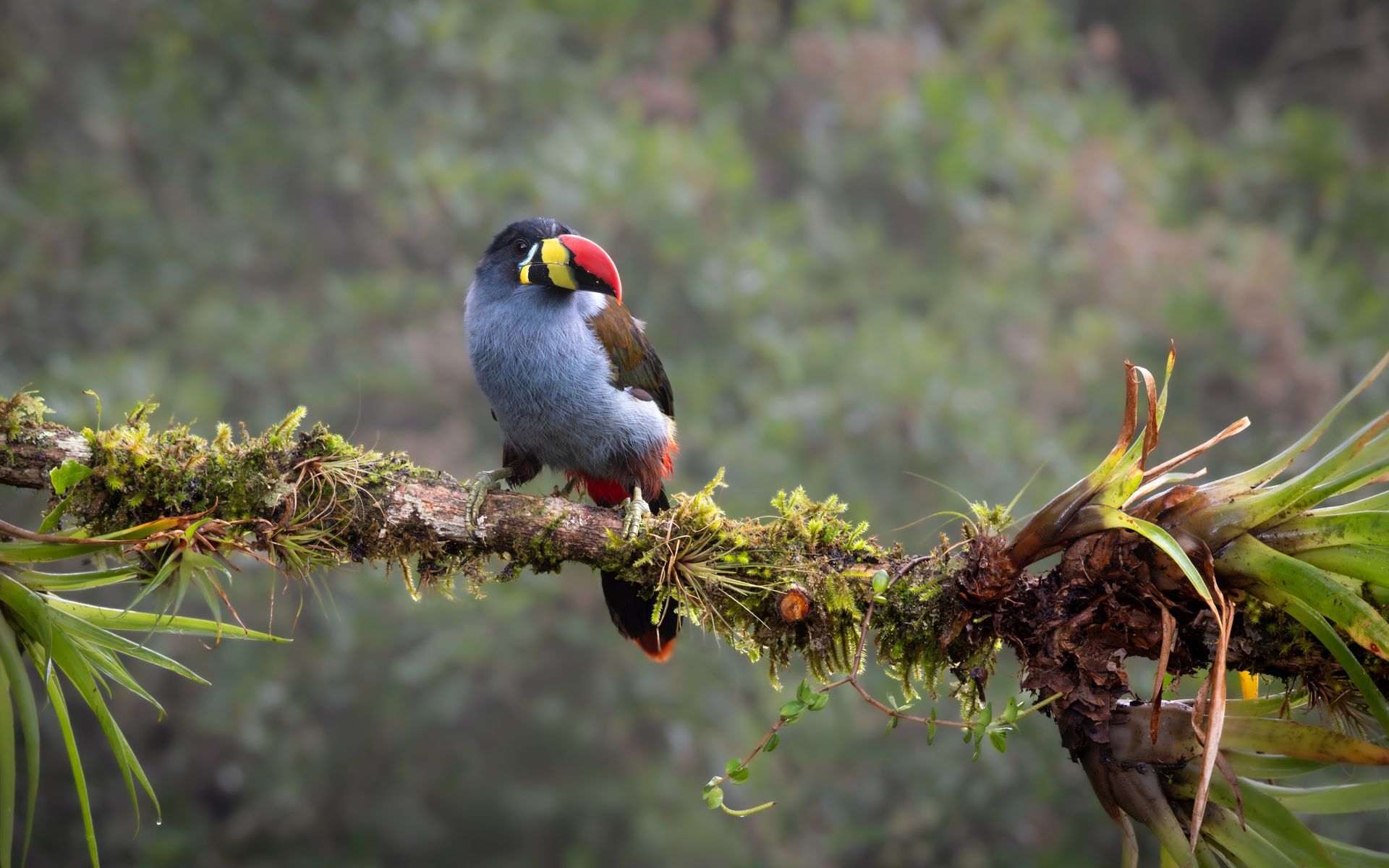
- Hundreds of bird species, including toucans, trogons, and parrots.
- Primates such as howler monkeys, spider monkeys, and capuchins.
- Amphibians and reptiles, including tree frogs, snakes, and lizards.
- Dense and dynamic ecosystems, where light filtering through the canopy creates unique photographic moods.
Amazon expeditions often require longer treks and river journeys, with the logistics of rainforest navigation demanding patience and preparation. Yet the rewards include rare and intimate wildlife interactions, along with unparalleled opportunities for creative, environmental storytelling.
The Amazon’s low visibility for large predators encourages photographers to focus on behavioral studies, macro wildlife, and bird diversity, making it the perfect destination for nature photographers seeking depth and variety.
The Atlantic Forest: Compact Endemism and Colorful Birds
The Atlantic Forest, running along Brazil’s eastern coast, is smaller and more fragmented than the Pantanal or Amazon but packs an extraordinary concentration of endemic species into limited areas. This ecosystem is ideal for photographers interested in birds, small mammals, amphibians, and macro subjects.
Highlights include:
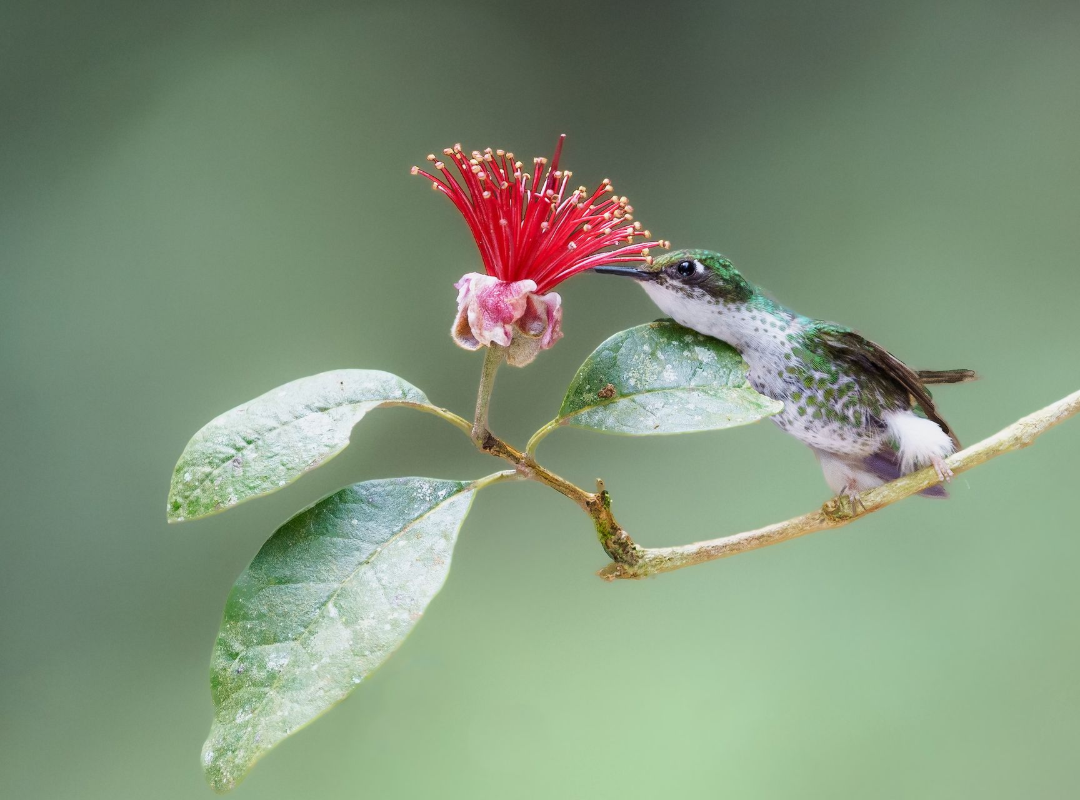
- Endemic birds: Tanagers, manakins, antbirds, and trogons provide constant photographic action.
- Small primates: Golden lion tamarins and black-faced lion tamarins move predictably through reserves, offering approachable photographic opportunities.
- Atmospheric conditions: Mist, filtered light, and layered forest environments create cinematic compositions that elevate images beyond standard wildlife portraits.
The Atlantic Forest’s accessibility is a major advantage. Many prime reserves are close to cities yet feel remote once inside, allowing photographers to maximize shooting time without excessive travel logistics.
Comparing the Three Regions
While all three regions offer excellent photography, their characteristics differ significantly. Here’s a high-level comparison:
FeaturePantanalAmazonAtlantic ForestKey SpeciesJaguars, capybaras, giant river otters, waterbirdsPrimates, toucans, macaws, frogsEndemic birds, manakins, tamarins, reptilesVisibilityVery high; open terrainModerate; dense canopyModerate; forested, but species often habituatedPhotographic ChallengePatience on riverbanks; boat-basedNavigation; low light; canopy shootingLow light; forest layering; mixed-species flocksBest SeasonDry season (June–October)Varies by river and flooding cyclesDry season (June–September)Unique StrengthApex predator photographyExtreme biodiversity and immersive forestConcentrated endemics and atmospheric bird photography
Field Techniques for Each Region
Pantanal Techniques
- Boat-based observation: Essential for jaguar photography; allows eye-level shots without disturbance.
- Long telephoto lenses: 400–600mm to maintain distance from predators while achieving close-up details.
- Patience: Many encounters last long enough to tell a behavioral story rather than capturing a single frame.
Amazon Techniques
- Macro and mid-range lenses: Essential for photographing dense forest species, insects, amphibians, and birds.
- Patience and tracking: Follow animal signs and feeding areas; canopy access may require tree platforms or hides.
- Low-light management: Fast lenses, higher ISO, and stabilization tools are crucial under thick canopy conditions.
Atlantic Forest Techniques
- Close-range shooting: Endemic birds and tamarins often allow more intimate shots.
- Blending with forest: Use of natural hides, camouflage, and quiet observation improves success rates.
- Environmental storytelling: Emphasize layers, mist, and light to capture the mood alongside wildlife subjects.
Choosing Your Region Based on Goals
Selecting the right photography destination depends on your objectives:
- For apex predators: Pantanal is unparalleled. Jaguars, river otters, and marsh deer dominate the photographic narrative.
- For biodiversity exploration: The Amazon offers unmatched species richness, including rare and endemic birds, amphibians, and forest mammals.
- For endemics and color: The Atlantic Forest concentrates rare, colorful birds and small mammals within accessible and visually rich forest landscapes.
Many professional photographers and tour operators recommend combining regions over multiple trips to diversify a portfolio: jaguars in the Pantanal, macaws and canopy birds in the Amazon, and endemic tanagers or manakins in the Atlantic Forest.
Seasonality and Access Considerations
Understanding seasonal differences is critical for successful photography:
- Pantanal: Dry season (June–October) provides predictable wildlife concentrations along riverbanks.
- Amazon: High-water and low-water seasons affect river accessibility, animal behavior, and photographic lighting.
- Atlantic Forest: Dry season (June–September) offers clearer trails and more stable shooting conditions, while the rainy season enhances amphibian activity and forest mist.
Professional guides with deep local knowledge dramatically increase the efficiency of shooting expeditions across all regions. They know animal movement patterns, the best hides, and how to optimize light conditions throughout the day.
Conservation and Ethical Photography Across Regions
All three ecosystems face conservation challenges:
- Pantanal: Threats include fires, ranching, and habitat fragmentation. Ethical boat-based tours mitigate disturbance and generate local revenue for preservation.
- Amazon: Deforestation, mining, and infrastructure development threaten species-rich areas. Photography tours support conservation by encouraging low-impact tourism and education.
- Atlantic Forest: Fragmentation is severe, and remaining patches are vital for endemic species survival. Professional photography tours help fund local reserves and promote habitat protection.
Ethical photography practices—maintaining distances, using hides, avoiding baiting, and supporting conservation initiatives—are essential in all regions.
Equipment Recommendations for Multi-Region Expeditions
Given the diversity of environments, photographers should prepare for variable conditions:
- Telephoto lenses (400–600mm): Ideal for jaguars, river wildlife, and forest birds.
- Fast zoom lenses (24–70mm or 70–200mm): Flexible for mixed-species flocks, landscapes, and environmental portraits.
- Macro lenses (100–180mm): For amphibians, insects, and small reptiles.
- Tripods or monopods: Useful for stability, particularly under low-light forest conditions.
- Weather-sealed gear: Essential for humid forests, wetland excursions, and river-based photography.
By preparing for multi-ecosystem expeditions, photographers can maximize opportunities in South America’s top wildlife regions.
Why Retorno Photo Tours Recommends Multi-Region Exploration
Professional wildlife photographers often cite the combination of the Pantanal, Amazon, and Atlantic Forest as the ultimate South American experience. Each region complements the others: the Pantanal delivers predator and wetland shots, the Amazon provides unparalleled diversity, and the Atlantic Forest offers endemic species and dramatic forest moods. Retorno Photo Tours curates itineraries that balance logistics, ethical access, and photographic productivity, ensuring photographers achieve the highest quality results in each ecosystem.
Explore South America’s top wildlife photography regions with Retorno Photo Tours. Join expert-led Photo wildlife tours through the Pantanal, Amazon, and Atlantic Forest to photograph jaguars, endemic birds, and vibrant wetland life while supporting ethical and conservation-focused expeditions.