
Do Photo Tours Include Permits? What to Ask
Guided Tours in the Colombian Andes, the most rewarding experience.
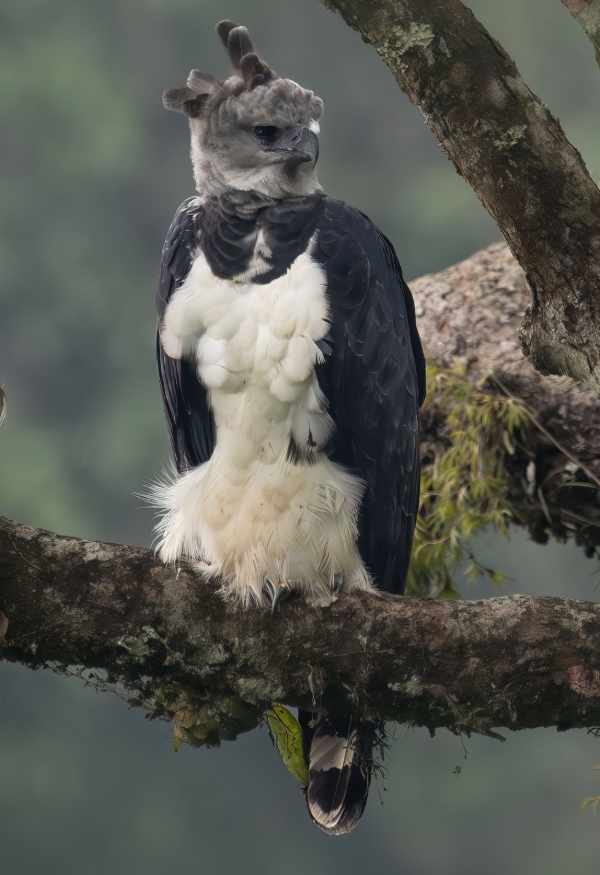
A Harpy Eagle appears for only a few moments. A dazzling tanager settles at eye level. The last thing any serious photographer wants at that moment is a conversation about whether the group has legal access to the trail, reserve, or private property. So, do photo tours include permits? Often, yes - but the useful answer is more specific: it depends on the destination, the activity, the land manager’s rules, and exactly what the tour price says is included.
For wildlife photographers traveling to Colombia, the Pantanal, the Amazon, or other biodiverse regions, permits are not merely paperwork. They can determine where you are allowed to photograph, how close a vehicle may approach, whether a guide can enter a restricted habitat, and whether a visit supports the people protecting that habitat.
Do Photo Tours Include Permits for Every Location?
A well-run photo tour generally coordinates the permissions needed for the itinerary it sells. That may include protected-area entry, reserve access, local community fees, trail permissions, boat registrations, or access charges for private birding and wildlife properties. In many cases, these costs are built into the tour price because the operator must reserve access in advance and manage it as part of the trip logistics.
But “permits included” should never be treated as a universal promise. A national park entrance fee is different from authorization for commercial filming. A lodge’s private photography hide is different from access to an Indigenous territory. Drone authorization is different again. Each has its own process, cost, timing, and restrictions.
The strongest question is not simply, “Are permits included?” Ask: “Which access fees and permits are included for every location on this itinerary, and which ones would I need to arrange or pay for separately?” A specialist operator should answer clearly, without vague language or assumptions.
What is commonly included
On a fully coordinated wildlife photography expedition, included permissions often cover the practical access required to operate the planned route. This can include entry to a private reserve, local guide fees, community conservation contributions, boat access, road or trail access, and permits held by the lodge or local partner.
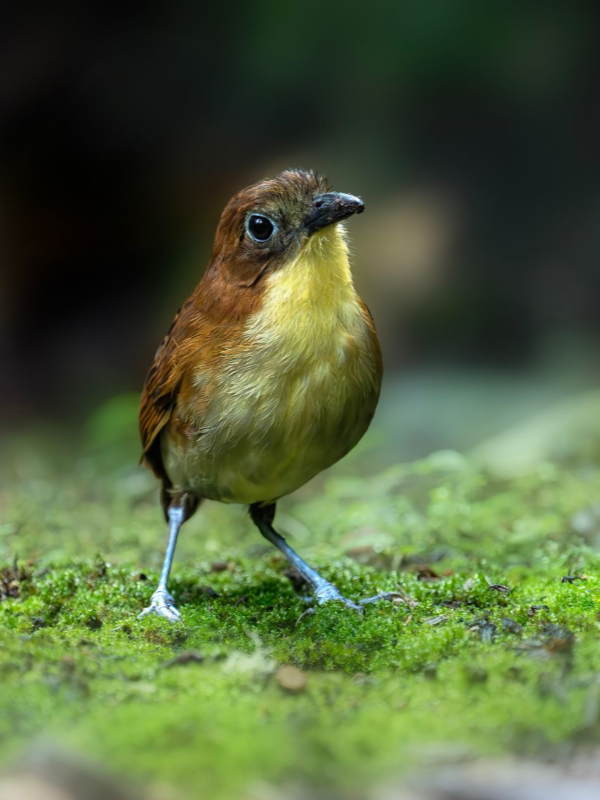
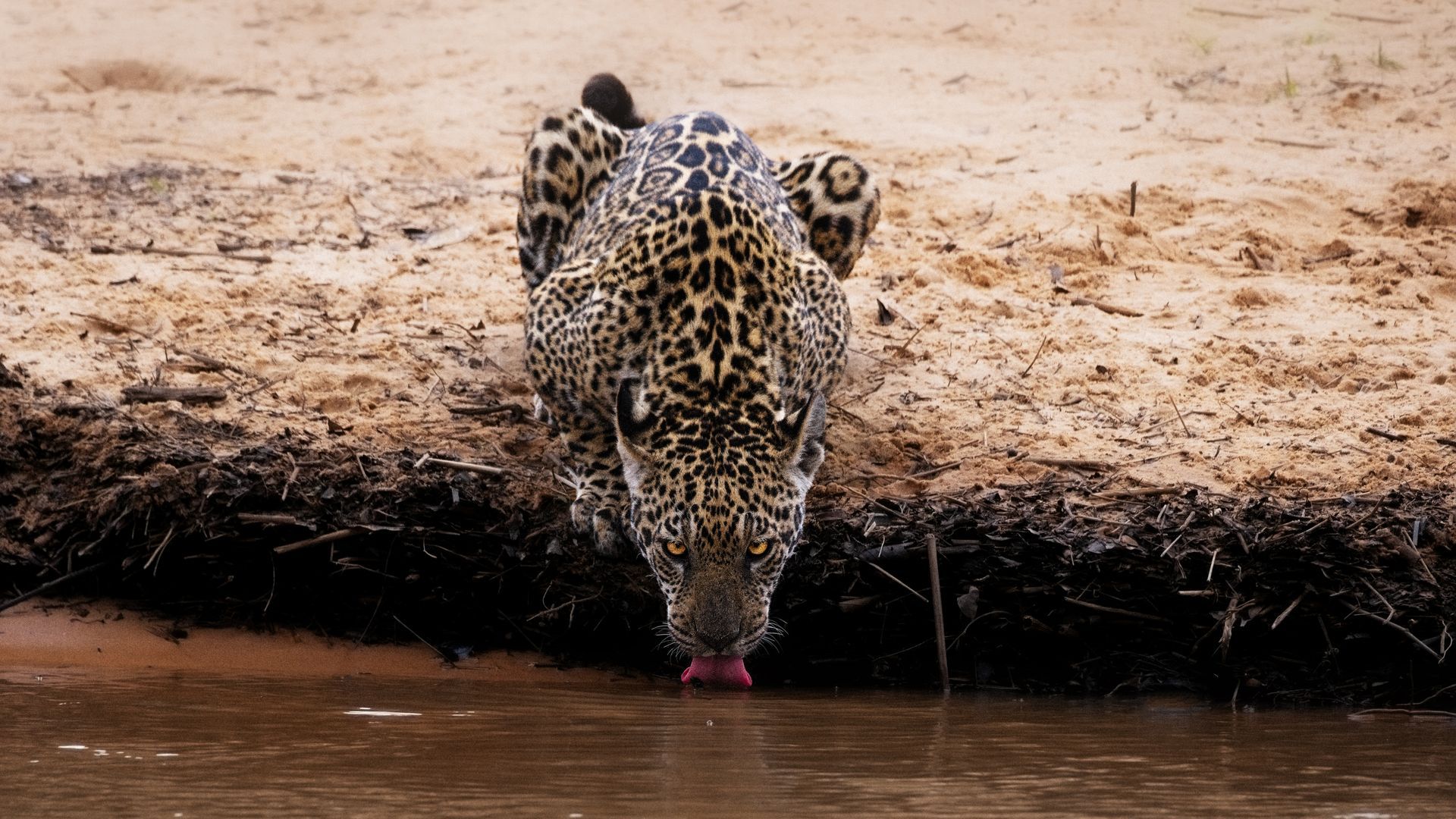
These arrangements matter most in remote areas. A productive Andean hummingbird garden, a lowland rainforest trail with reliable antbird activity, or a jaguar-focused river route may be managed by families, community associations, reserve owners, or local organizations rather than a single government agency. Their permission is as essential as a formal park ticket.
What may be excluded or require separate approval
Some permissions are personal, optional, or dependent on how you intend to use your images. International flights, visas, travel insurance, and excess baggage fees are usually the traveler’s responsibility. Drone flights almost always require separate planning and may be prohibited outright in sensitive wildlife areas.
Commercial productions can also fall outside a standard photo tour arrangement. If you are working for a publication, brand, documentary, stock agency, or workshop business, disclose that before booking. You may need a specialized filming permit, additional insurance, a local fixer, or written clearance from a park authority, community, or property owner.
A standard tour is designed for personal travel photography and portfolio work. That does not automatically grant the right to conduct a commercial production, install equipment, use artificial lighting, record extensive video, or direct other participants for a paid project.
Why Wildlife Photography Permits Matter
Good access protects both your trip and the wildlife you came to photograph. Rules can limit group size, restrict certain trails during breeding seasons, set boat distances around jaguars or river dolphins, or prohibit flash and playback near sensitive species. These rules are not obstacles to great photography. They are often the reason a location remains productive year after year.
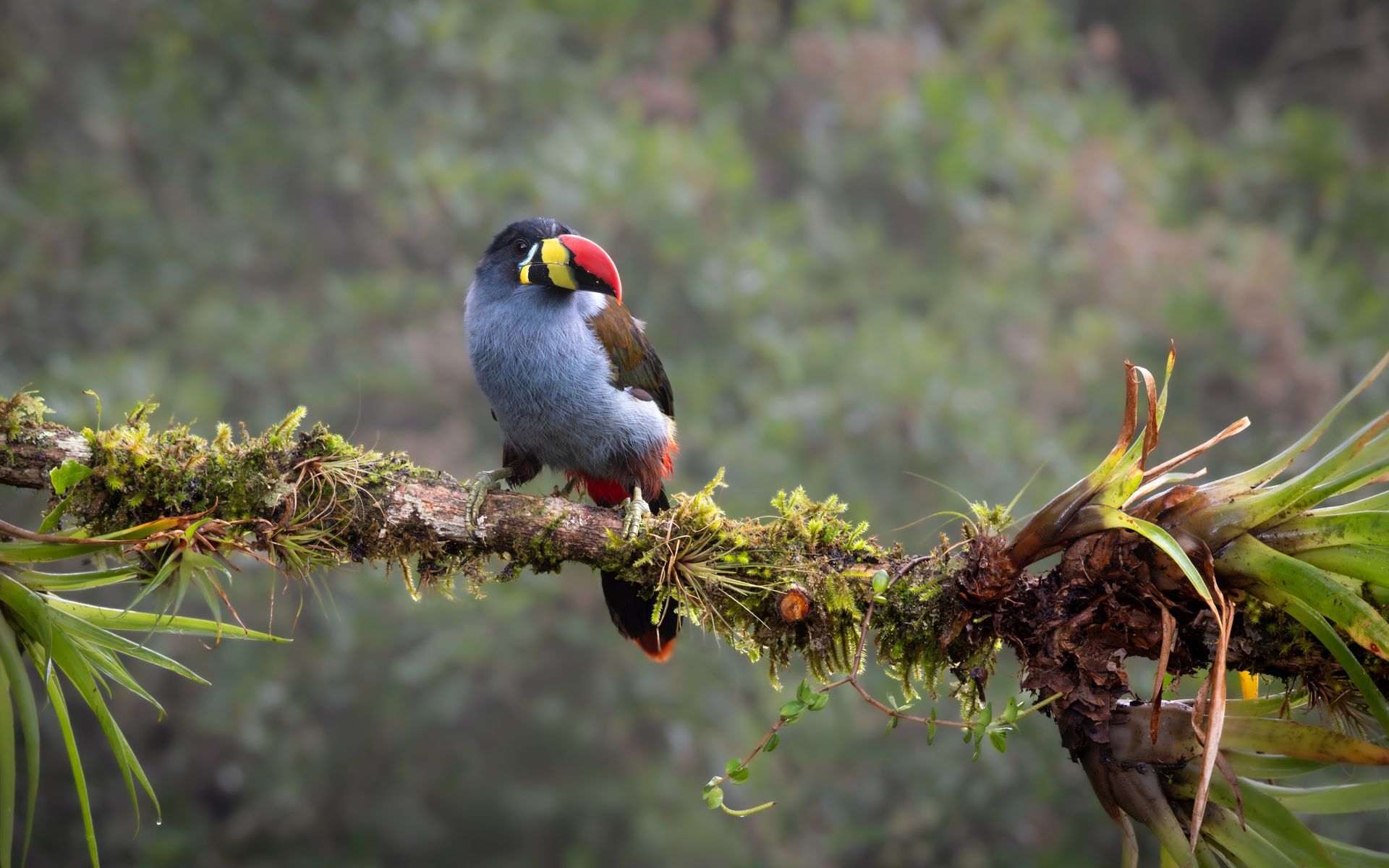
In Colombia, many exceptional photography opportunities depend on trust. Rural families may maintain feeders that bring hummingbirds, tanagers, and mountain-toucans within beautiful photographic range. Community-led reserves may protect forest used by rare endemic species. Local boat drivers may know how to position quietly for wildlife without crowding it. Paying agreed access fees and respecting local protocols keeps those relationships healthy.
This is also why the cheapest-looking itinerary is not always the best value. If an operator has not accounted for local access, conservation fees, qualified guides, or required transport permissions, the burden can fall on travelers at the last minute. At best, that creates delays. At worst, it means missing the location that was central to your photographic goals.
Questions to Ask Before You Book
Before committing to a wildlife photo tour, request a written list of inclusions and exclusions. You do not need a legal document full of jargon. You do need a straightforward explanation of what the tour company coordinates, what you pay directly, and what can change if local conditions require a different route.
Ask whether national park fees, private reserve entry, community contributions, boat permissions, hides, and local guides are included. If the itinerary involves remote forests, islands, rivers, or border regions, ask whether any permits must be secured before arrival and whether your passport details are needed in advance.
It is also wise to ask about photography-specific restrictions. Are drones prohibited? Is flash allowed at feeders or nocturnal sites? Can tripods be used in hides? Are there limits on recording video? Will the group visit places where commercial image use needs separate clearance? Clear answers let you pack the right gear and avoid awkward decisions in the field.
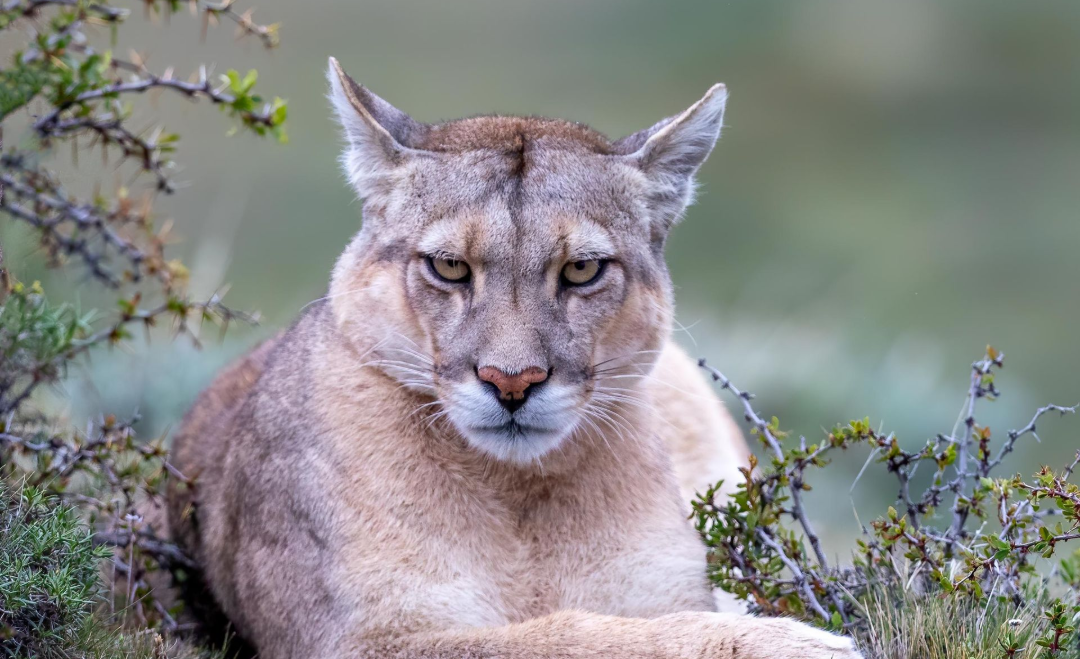
For a custom itinerary, the conversation should go even further. A private expedition built around Harpy Eagles, Spectacled Bears, endemic birds, or a particular macro subject may involve locations with limited capacity or seasonal closures. Tell the operator your target species, intended dates, equipment, and whether your work has commercial objectives. The earlier they know, the more responsibly they can design access around your priorities.
Permit Changes and the Reality of Field Travel
Even carefully planned expeditions operate in living landscapes. Heavy rain can close a road. A reserve may temporarily restrict access after a landslide. Wildlife authorities may adjust rules during nesting periods. A community may close a site for a local event or conservation decision. These changes are part of responsible nature travel, not a sign that the trip is poorly organized.
A capable local operator builds alternatives into the route: another productive elevation, a different forest trail, a nearby lodge garden, or a complementary target species. The goal is not to force access at any cost. It is to protect your field time while respecting the authority of the people and institutions caring for the land.
At Retorno Photo Tours, this local coordination is part of the photographic experience. The best images come from being in the right habitat at the right time with guides who understand conditions, behavior, and the relationships behind access - not from rushing into a site with a long lens and a loose plan.
A Better Standard for Ethical Access
The most valuable permit is not always a document stamped by an office. Sometimes it is the welcome of a landowner who has protected a patch of forest for decades. Sometimes it is a community agreement that keeps tourism income circulating locally. Sometimes it is a strict no-entry rule that allows a threatened species to breed undisturbed.
When you choose a photo tour, look for an operator that treats access as a responsibility, not a shortcut. Ask the practical questions before you travel, respect every field rule once you arrive, and let the places that give you extraordinary photographs receive something meaningful in return.
Ready to photograph Colombia?
Join us on a bird or wildlife photography tour designed around great photography, special locations, and unique experiences in Colombia.
Explore our upcoming tours:
Have a question or want to plan a private tour?
Email us at dcasas@retornophototours.com
WhatsApp: +57 305298600
Let’s plan your next photography adventure in Colombia.
—
David Casas
Founder & Director | Retorno Photo Tours
Bird & Wildlife Photography Tours in Colombia
Scheduled Tours
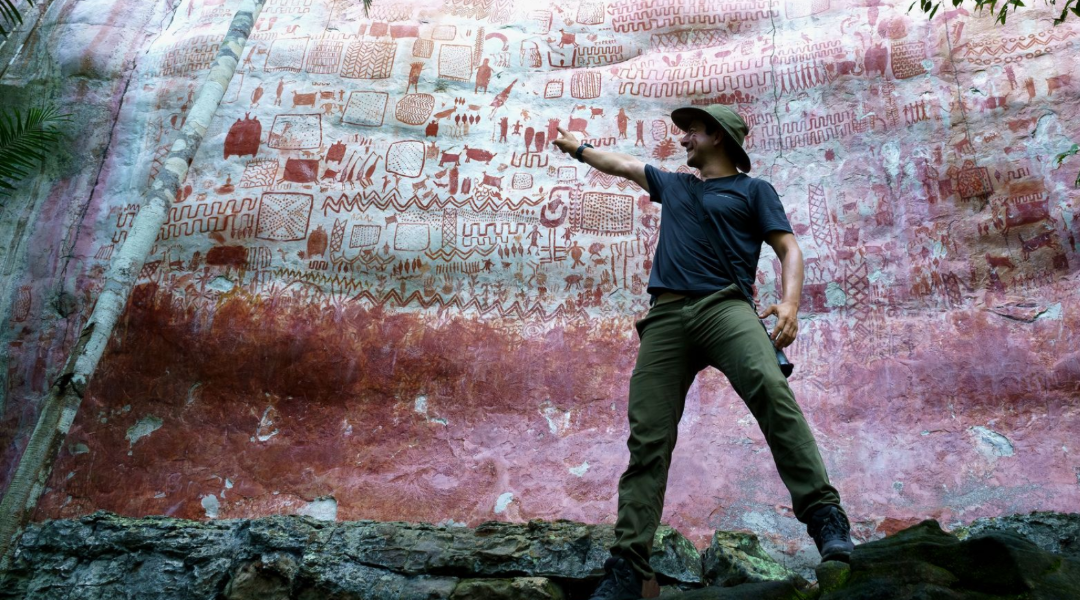
The road to Chiribiquete, Colombia's Western Amazon.
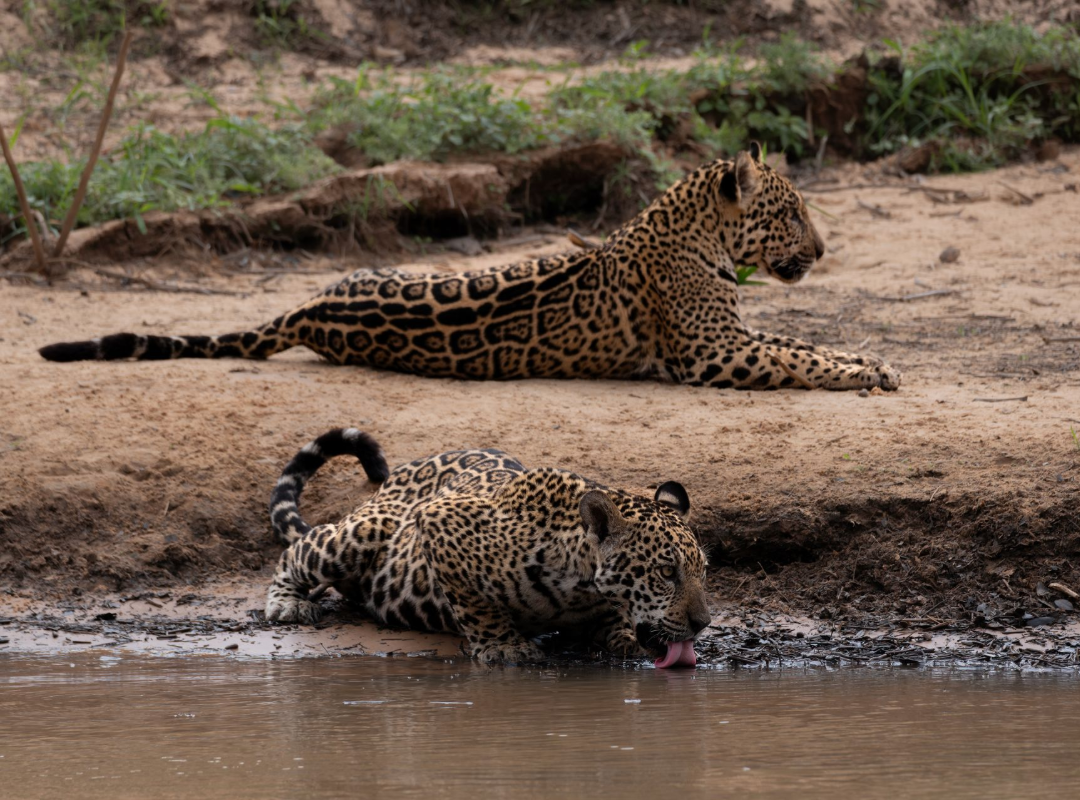
Jaguars Safari, Pantanal - Brazil.
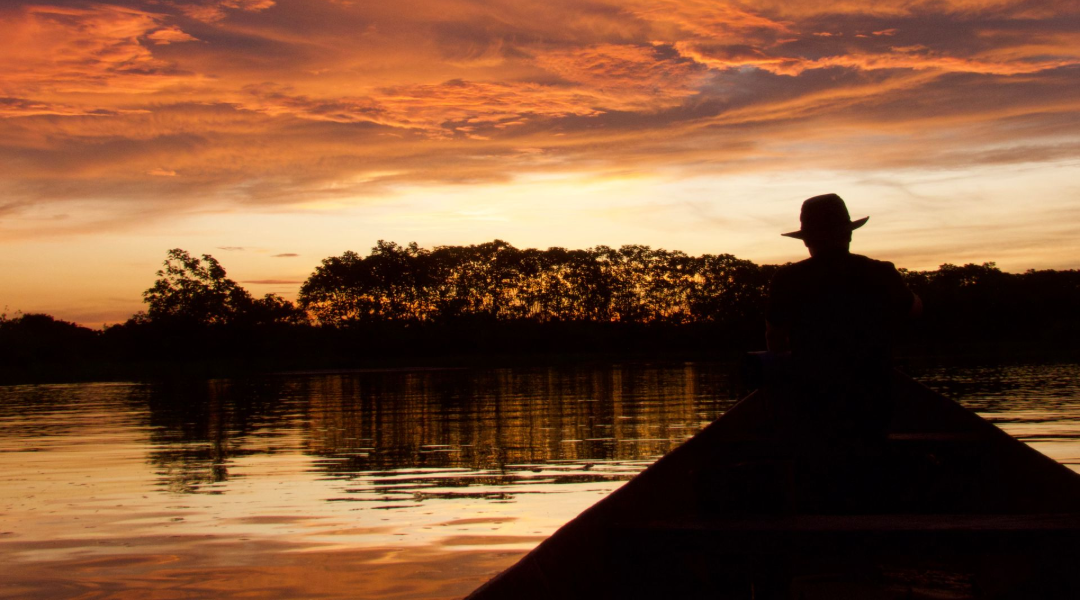
Amazon's Guiana Shield Specialties. Mitu-Vaupes.
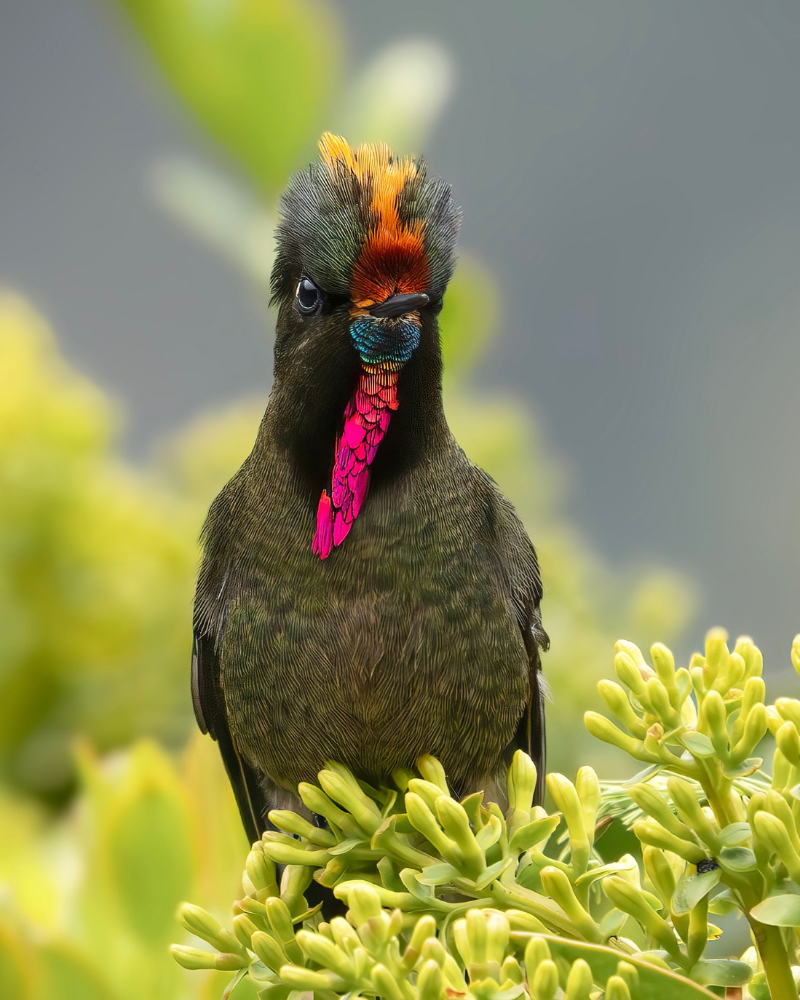
Emblematic Birds Photo Tour, Coffee Triangle.