
Capturing Natural Bird Behavior: Storytelling Through Wildlife Photography
Capturing Natural Bird Behavior: Storytelling Through Wildlife Photography
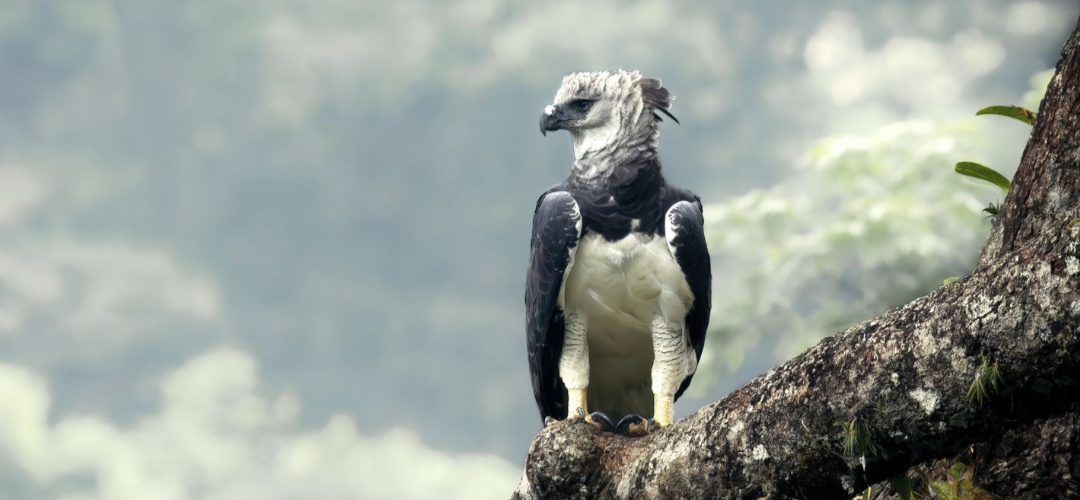
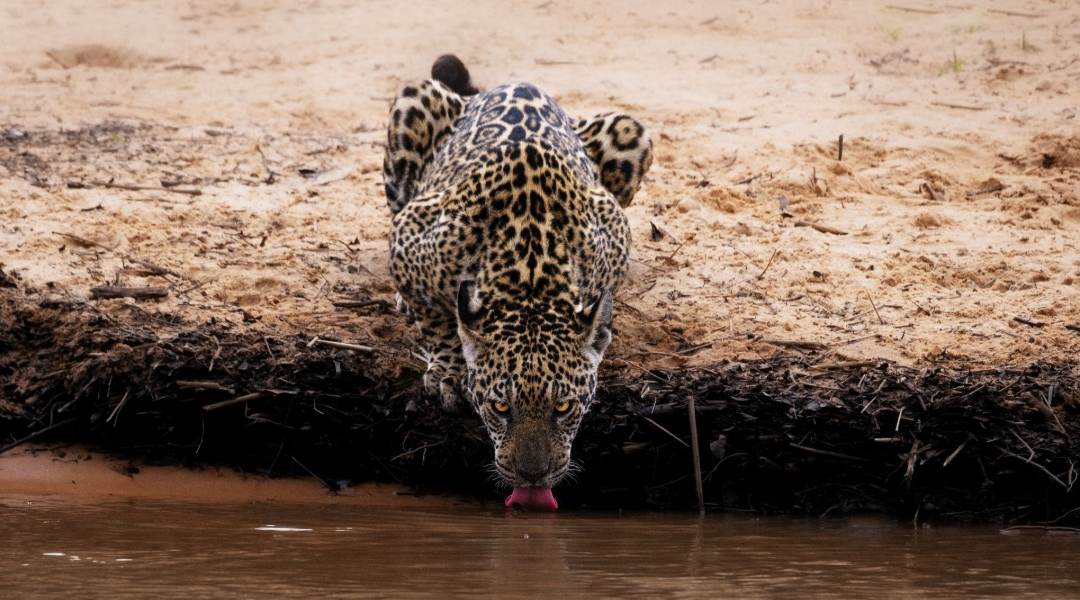
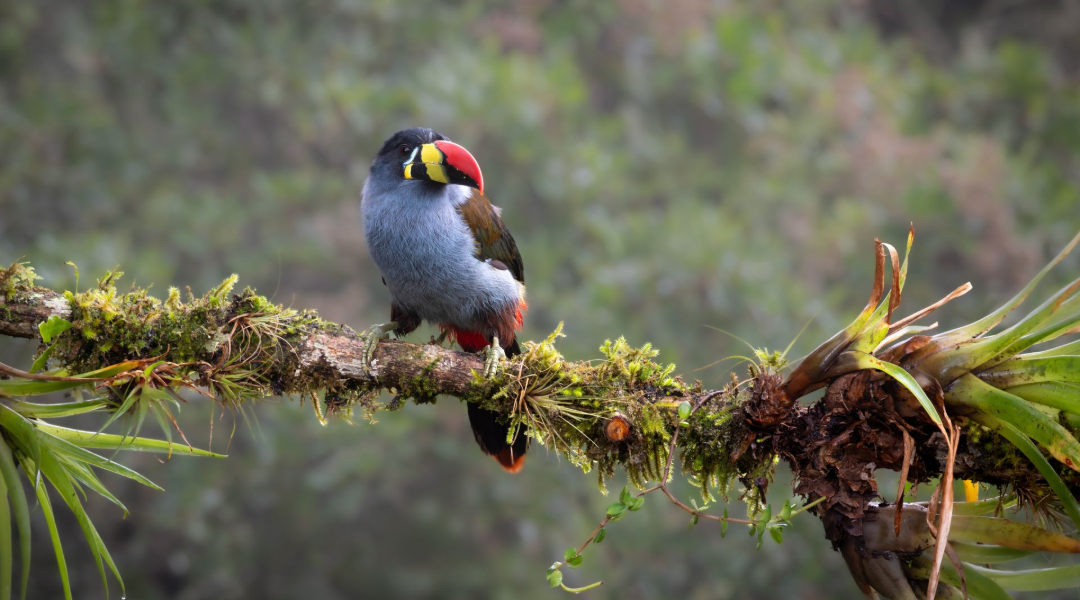
Great bird photography goes beyond sharp images and vibrant colors. The most powerful photographs tell a story — revealing behavior, interaction, and moments that feel alive. In a country like Colombia, where biodiversity is unmatched, photographers have endless opportunities to capture not just birds, but the stories behind their lives.
Understanding how to document natural behavior is what transforms a simple photo into compelling visual storytelling.
Why Behavior Matters More Than Appearance
A perfectly sharp image of a perched bird can be beautiful, but behavior adds meaning.
Photographs that capture action or interaction — feeding, courtship, calling, or flight — allow viewers to connect with the subject. These moments show how birds live, not just how they look.
Behavior-focused photography helps you:
- Create more engaging and dynamic images
- Tell a visual story instead of capturing a static subject
- Stand out with unique and memorable shots
In wildlife photography, storytelling is what separates good images from exceptional ones.
Learning to Observe Before Shooting
The foundation of capturing behavior is observation.
Instead of immediately taking photos, spend time watching the bird:
- How does it move?
- Where does it perch?
- What triggers its actions?
Birds often repeat patterns. By observing carefully, you can anticipate what will happen next and be ready for it.
Patience is one of the most valuable skills a wildlife photographer can develop.
Anticipating Key Moments
Great storytelling images often happen in a split second.
Photographers who understand behavior can predict moments such as:
- A bird taking off from a perch
- Feeding interactions between adults and chicks
- Courtship displays or territorial behavior
By anticipating these moments, you can prepare your composition and camera settings in advance, increasing your chances of capturing the action.
Using Environment to Strengthen the Story
A bird’s habitat is part of its story.
Instead of isolating the subject completely, consider including elements of the environment:
- Flowers that attract hummingbirds
- Branches or trees used for perching
- Water surfaces in wetland habitats
These details provide context and help viewers understand the bird’s natural behavior and surroundings.
Capturing Interaction and Emotion
Some of the most compelling wildlife images involve interaction.
This could include:
- Two birds communicating or displaying
- Parent and offspring behavior
- Competition for food or territory
These interactions create a sense of emotion and narrative, making the image more impactful.
Even subtle gestures — like eye contact or posture — can add depth to your story.
The Power of Light and Timing
Lighting plays a major role in storytelling.
Soft morning or late afternoon light can enhance mood, while direction of light helps highlight important details.
Timing is equally important:
- Early morning often brings higher activity levels
- Late afternoon can offer warm tones and dramatic shadows
Combining good light with behavioral moments creates visually powerful images.
Composition Techniques for Storytelling
Strong composition helps guide the viewer’s attention.
Consider:
- Leaving space in the direction the bird is moving
- Using natural frames like branches or leaves
- Keeping backgrounds clean but relevant
Composition should support the story, not distract from it.
Staying Ethical While Capturing Behavior
Capturing natural behavior requires a responsible approach.
Avoid:
- Disturbing birds to force action
- Getting too close to nests or sensitive areas
- Interrupting feeding or breeding behavior
Ethical photography ensures that the behavior you capture is genuine and not influenced by human presence.
Respecting wildlife not only protects the subject but also results in more authentic images.
Adapting to Different Species and Habitats
Different birds behave in different ways depending on their environment.
For example:
- Forest birds may move quickly and stay hidden
- Open-area species may be more visible and active
- Wetland birds often display predictable feeding patterns
Understanding these differences allows you to adapt your approach and improve your chances of capturing meaningful moments.
Practicing Patience and Persistence
Storytelling in wildlife photography does not happen instantly.
It requires:
- Time in the field
- Repeated observation
- Willingness to wait for the right moment
Many of the best images come after long periods of patience. The reward is capturing something truly unique and natural.
Learning Through Guided Photography Experiences
Professional guides can significantly improve your ability to capture behavior.
They help by:
- Identifying species and their habits
- Predicting movement and activity
- Positioning you for the best opportunities
Guided experiences accelerate learning and increase your chances of witnessing rare or meaningful moments.
Experience Storytelling Photography with Retorno Photo Tours
Retorno Photo Tours is dedicated to helping photographers capture more than just images — we help you tell stories through wildlife photography.
Our tours focus on:
- Understanding bird behavior in natural habitats
- Positioning photographers for meaningful interactions
- Maintaining ethical practices in every encounter
- Providing expert guidance in the field
With access to Colombia’s diverse ecosystems, we create opportunities for photographers to document authentic wildlife moments.
If you would like to learn more about our tours, we invite you to contact us through our website.
By focusing on behavior and storytelling, you can elevate your bird photography and create images that truly connect with viewers.