
Best Time to Visit Colombia for Bird Photography
Colombia’s seasons are regional, not national
Colombia does not have one perfect bird-photography season. That is precisely what makes it extraordinary. The best time to visit Colombia for bird photography depends on the species on your wish list, the regions you want to combine, and how you feel about working in rain, humidity, mud, and changing mountain light. With nearly 2,000 recorded bird species across the Andes, Caribbean lowlands, Amazon, Chocó, and Llanos, there is always a productive photographic window somewhere in the country.
For many photographers, December through March is the easiest all-around choice. It often brings drier conditions to key Andean and Caribbean routes, more manageable roads, and more reliable early-morning light. But a dry-season itinerary is not automatically the best itinerary. Green season can bring richer forest activity, different flowering cycles, fewer visitors, and beautiful atmospheric conditions for the patient photographer.
Colombia’s seasons are regional, not national
Colombia sits close to the equator, so temperature is shaped more by elevation than by month. A single expedition can move from warm, humid foothills to cool cloud forest and high-elevation páramo in a matter of hours. Rainfall, however, follows distinctly regional patterns.
This matters because birds respond to food availability, flowering, fruiting, nesting, and water levels rather than to a simple summer-versus-winter calendar. A productive hummingbird garden in the Central Andes may be at its best during a different period from a Llanos wetland or a Caribbean dry forest reserve.
The practical question is not, “When is Colombia dry?” It is, “When are my target birds active, accessible, and photographable in the habitats I want to visit?”
December through March: the strongest all-around window
For a first bird photography trip that combines the Andes with the Caribbean region, December through March is often the most comfortable and dependable period. Many Andean areas experience a relatively drier interval, especially from January into February. Trails can still be damp, cloud forest can still deliver rain, and weather always changes quickly in the mountains, but travel logistics are generally easier.
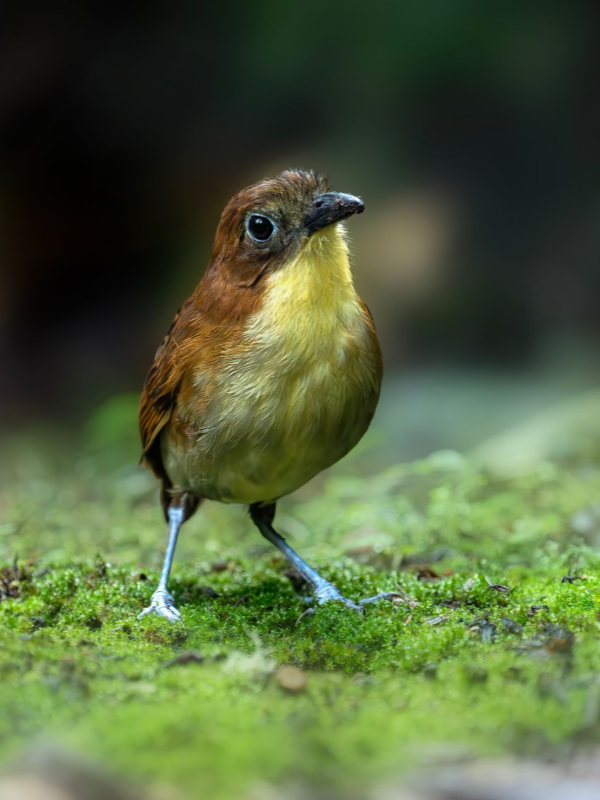
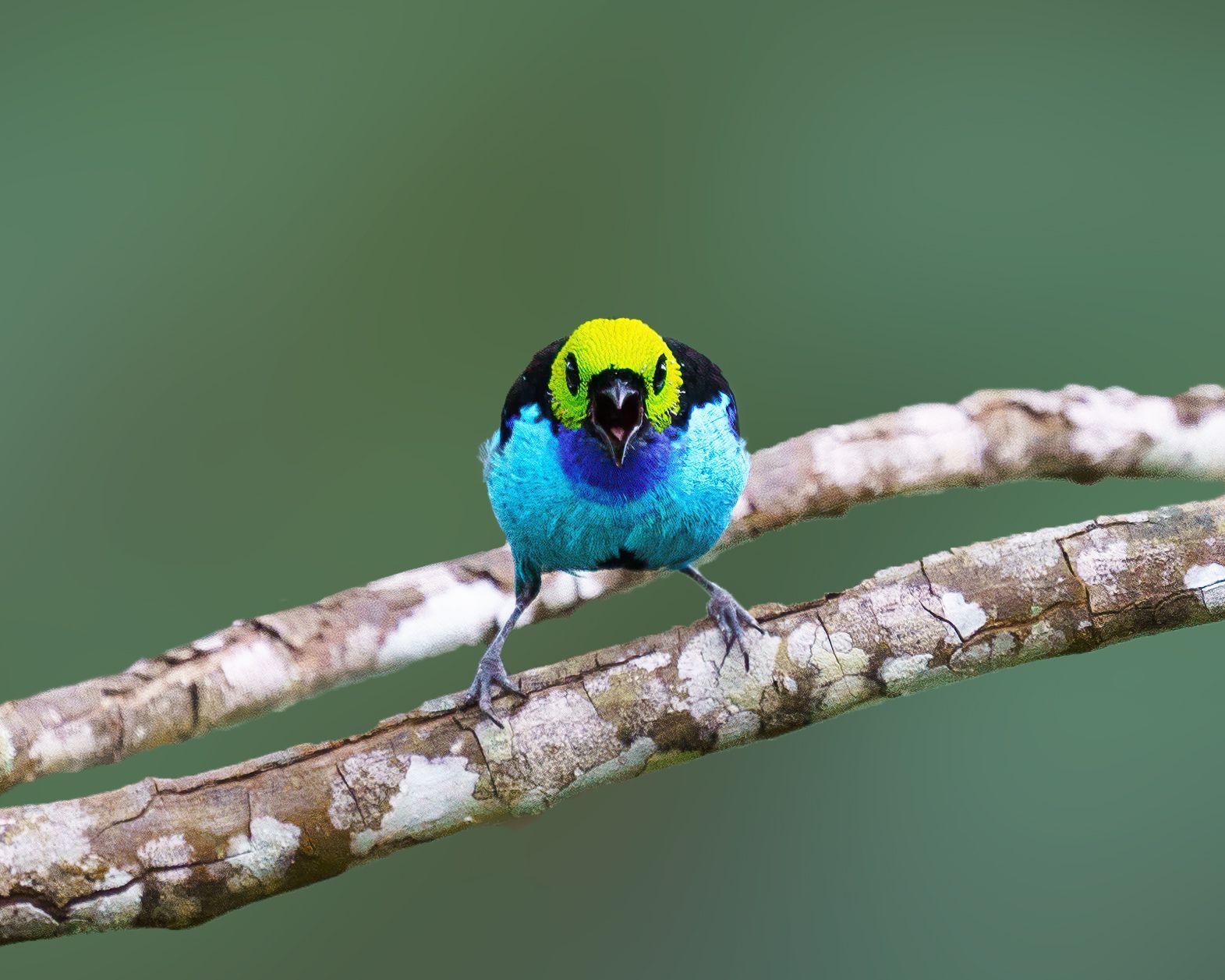
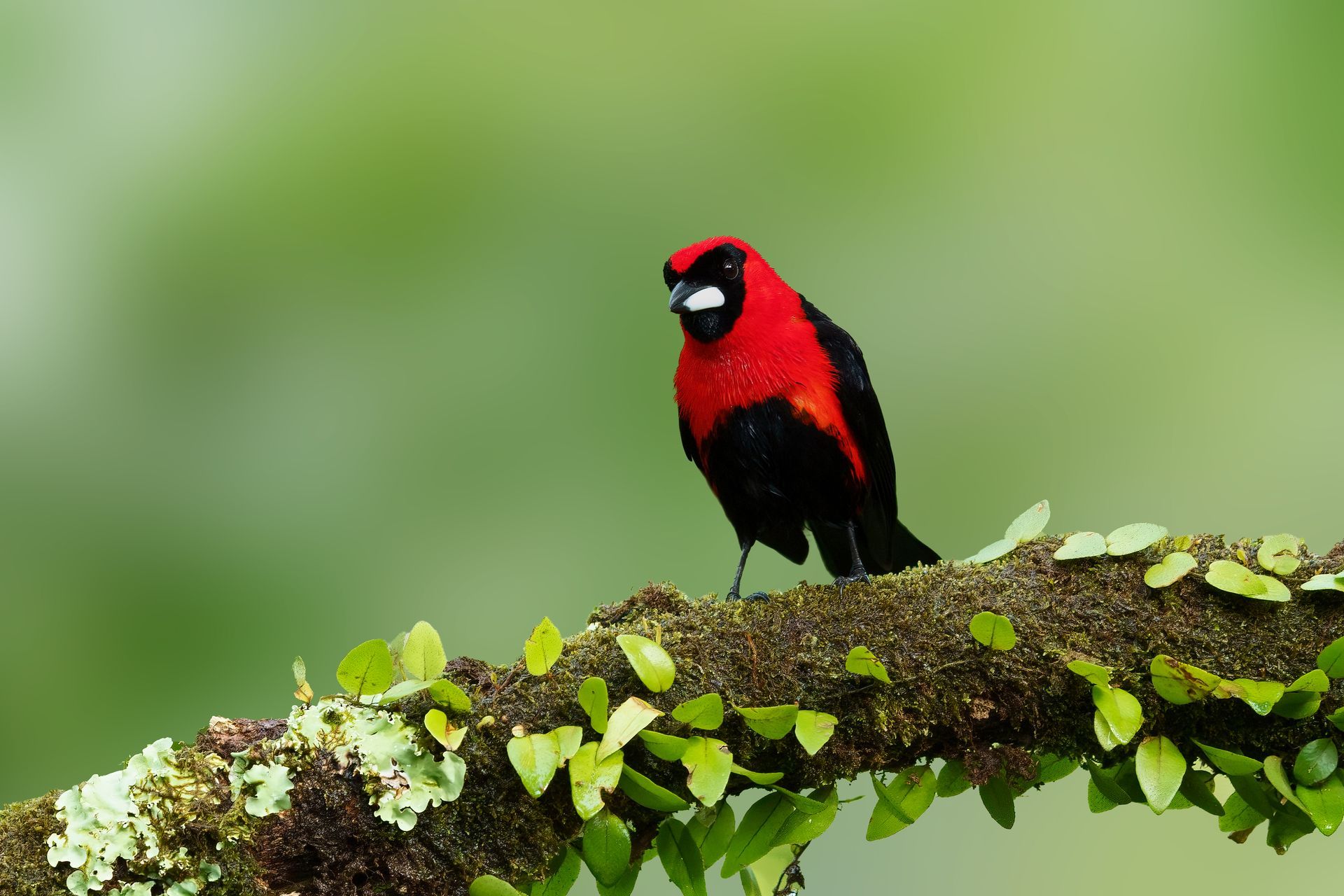
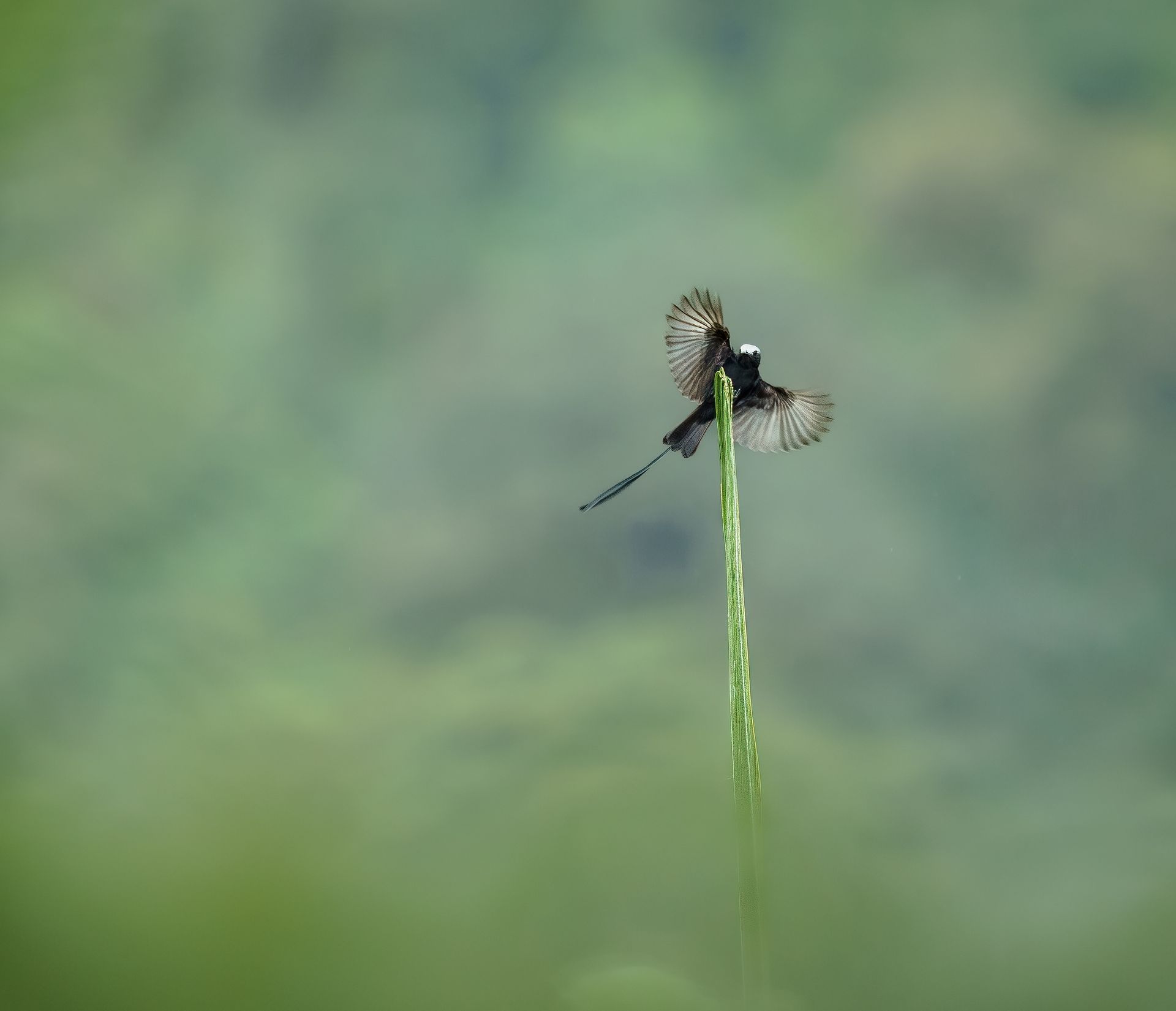
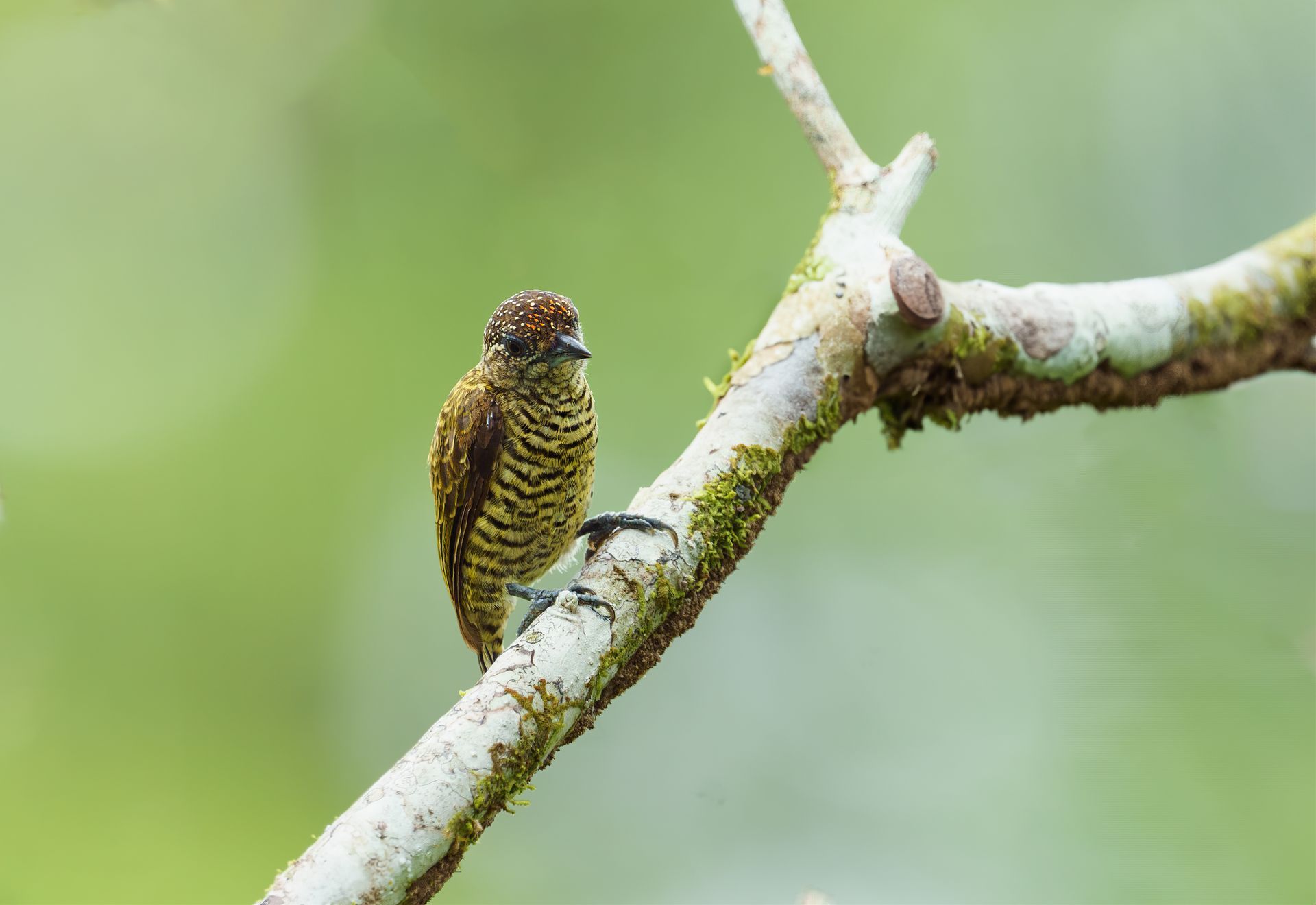
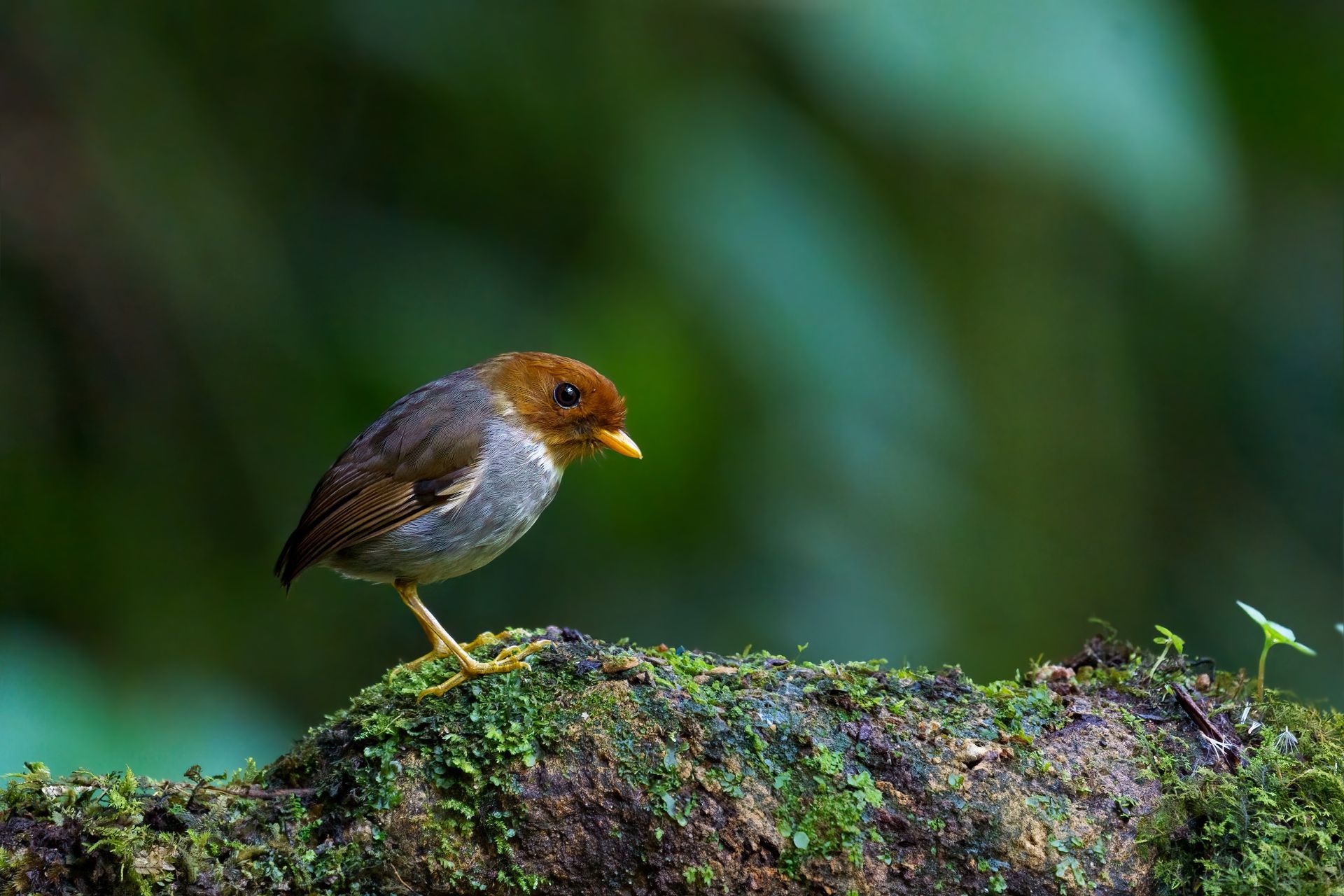
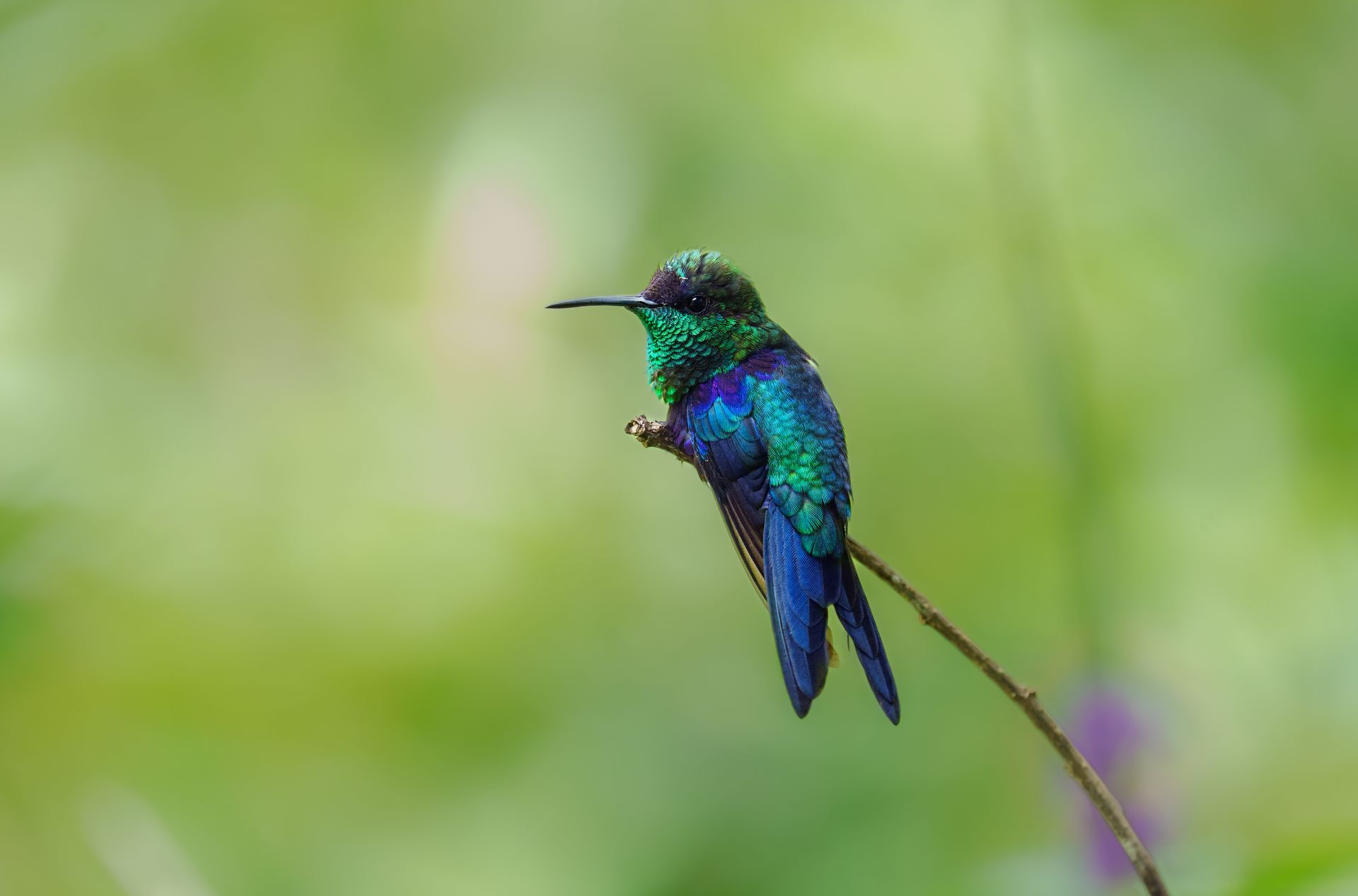
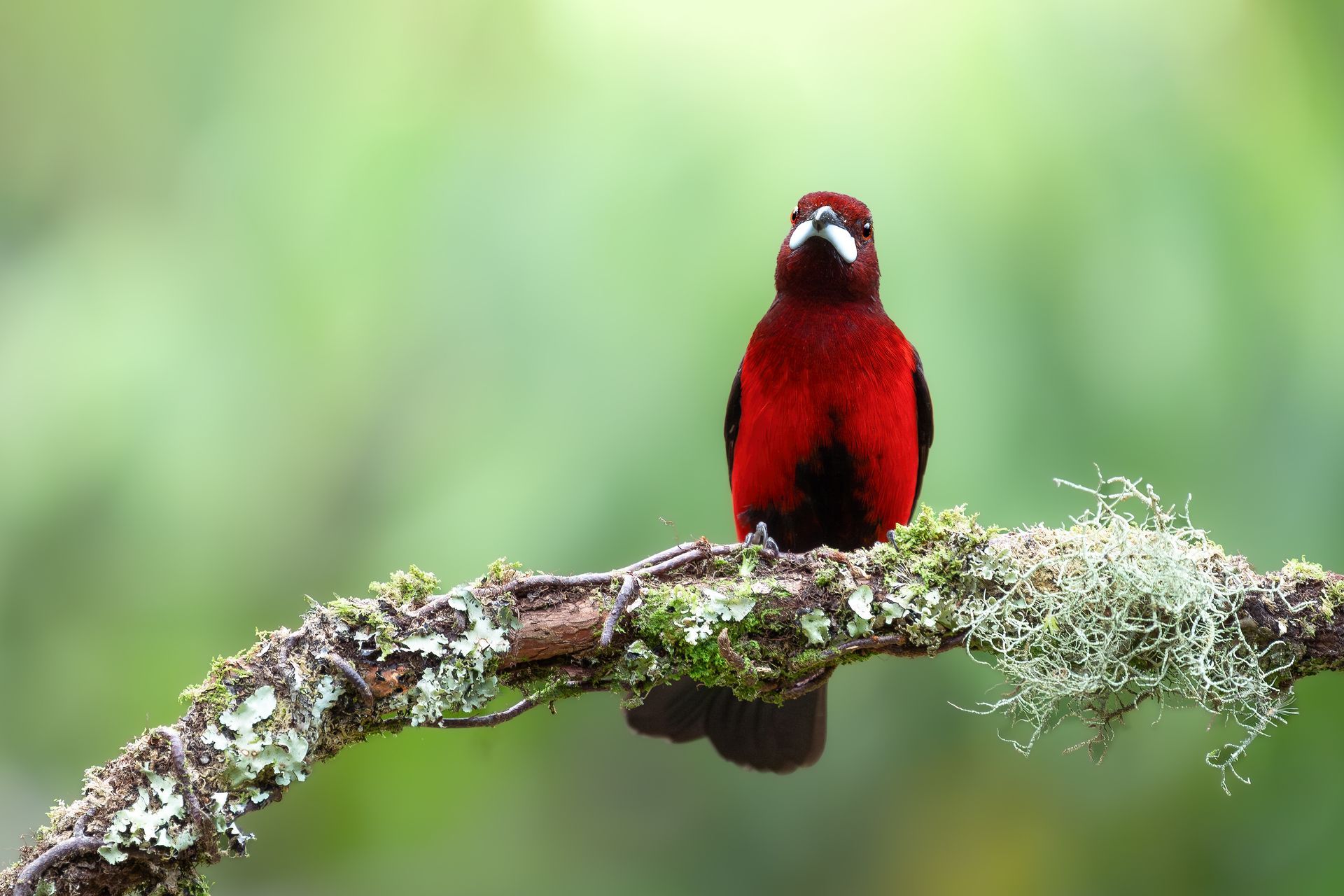
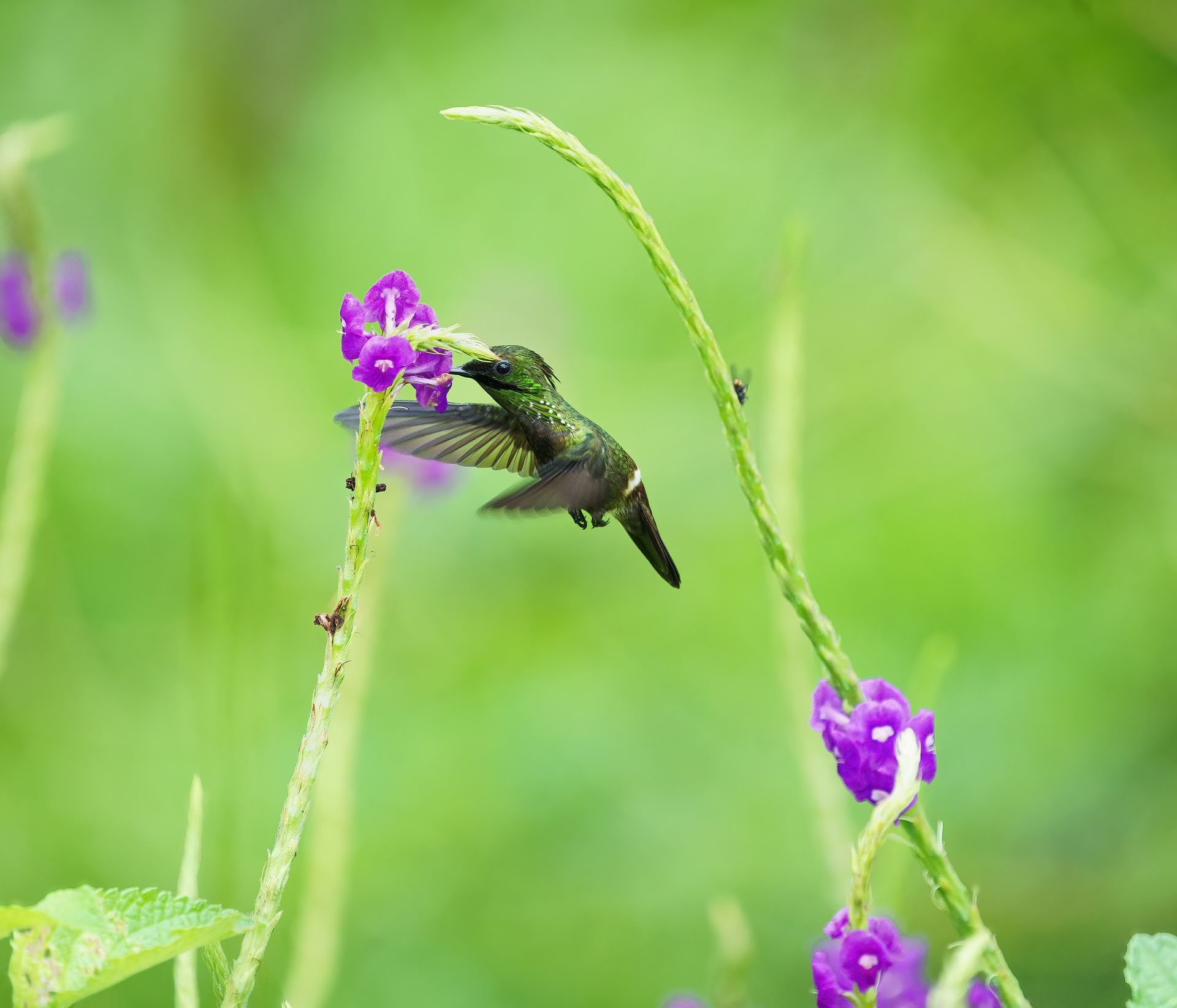
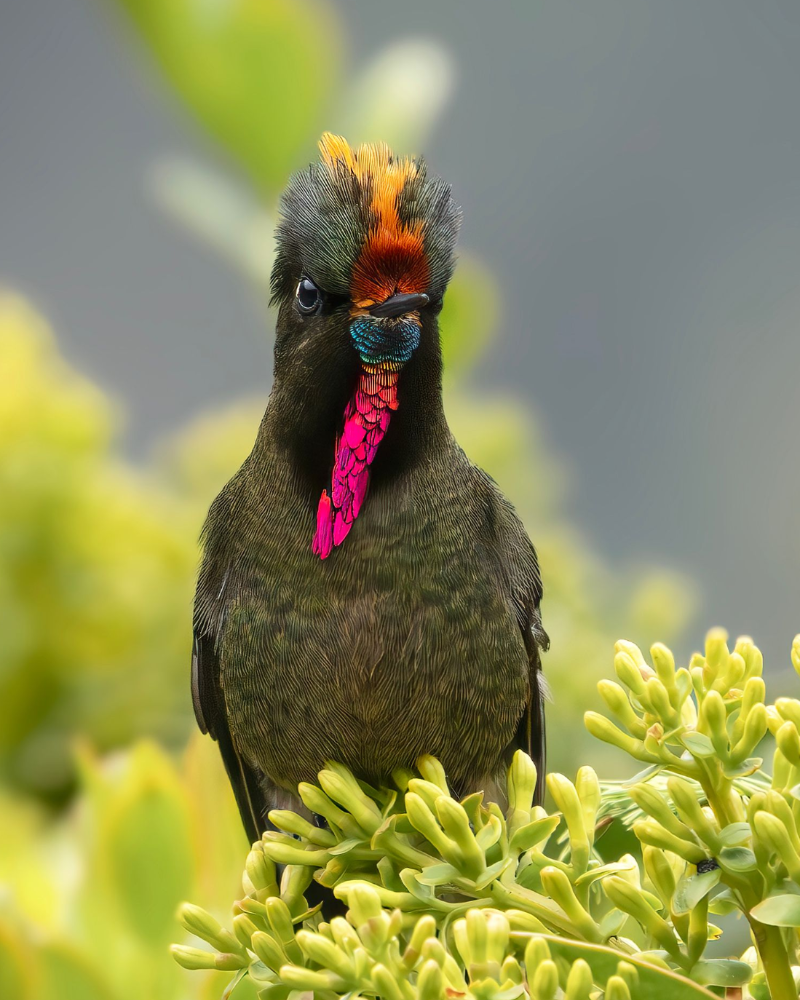
This is an excellent window for photographing Colombian endemics and near-endemics in the Andes, including colorful tanagers, toucans, mountain-tanagers, antpittas, pufflegs, and an astonishing variety of hummingbirds. Feeders and flowering plants can create outstanding opportunities for controlled, natural-looking flight shots when guides position photographers thoughtfully and avoid crowding the birds.
The Caribbean lowlands are also appealing during these months. Drier conditions can improve access to dry forest, foothill trails, and coastal habitats, while clear mornings often provide clean backgrounds and softer light before the heat builds. This period is especially attractive for photographers hoping to add Santa Marta endemics to a broader Colombia portfolio.
December through March is also the classic dry-season period in the Llanos. Lower water levels can concentrate birds around lagoons, channels, and remaining wetlands. Alongside waterbirds, raptors, macaws, and grassland species, this can be a compelling time for wildlife photographers who want a broader subject mix that may include capybaras, giant anteaters, and other plains wildlife.
The trade-off is that popular reserves and lodges may be busier, particularly around the year-end holidays. A well-designed route, early starts, and small-group field discipline make a major difference when photographing shy or high-demand species.
April through May: rain, renewal, and rich forest photography
April and May bring one of the wetter periods to much of the Andean region. Some travelers see that as a reason to avoid Colombia. Serious bird photographers should see it as a reason to plan more carefully.
Rain can limit trail access, delay travel, and make long lens work more demanding. Yet it also refreshes the forest, deepens the color of mossy cloud-forest scenes, and can coincide with excellent food availability. Birds may be active between showers, and mornings are frequently productive before afternoon rain develops.
This is a rewarding period for photographers who enjoy the full mood of tropical birding: mist in the canopy, wet leaves catching soft light, bromeliad-covered branches, and birds emerging from dense vegetation. It can be especially satisfying for hummingbirds, tanagers, and forest species photographed from sheltered viewpoints or well-managed feeding stations.
Bring serious rain protection for both yourself and your camera. A rain cover is useful, but it is not enough on its own. Pack a waterproof outer layer, dry bags, lens cloths, silica gel, and a system for keeping batteries and memory cards dry. In humid conditions, good habits protect equipment as much as expensive gear does.
June through August: a flexible season for the Andes and Amazon
June through August can offer another relatively favorable window in parts of the Andes, although rainfall varies dramatically by location and altitude. For photographers focused on a multi-region itinerary, these months can work very well. The conditions are often suitable for long days in foothill forest, hummingbird reserves, and mountain birding sites, while many US travelers can take advantage of summer schedules.
In the Amazon, there is no month when rain should surprise you. The forest is humid year-round, and river levels influence access, forest structure, and wildlife viewing rather than simply making one season good and another bad. Higher water can open travel by boat into flooded forest, while lower water can expose trails and riverbanks. Your ideal timing depends on whether your priority is canopy birds, river-edge species, parrots, Hoatzins, or a more varied Amazon wildlife experience.
For photographers who want a carefully paced journey through several elevations, this mid-year period can be an excellent choice. The key is to avoid trying to cover too much ground. Colombia rewards depth. Spending multiple mornings in a productive habitat usually produces stronger images than racing between distant birding hotspots.
September through November: plan around rain, not away from it
In many Andean regions, September through November brings another wetter period. Roads, trail conditions, and flight schedules can be more vulnerable to weather disruptions, especially in remote areas. This is not the easiest time for a first independent visit.
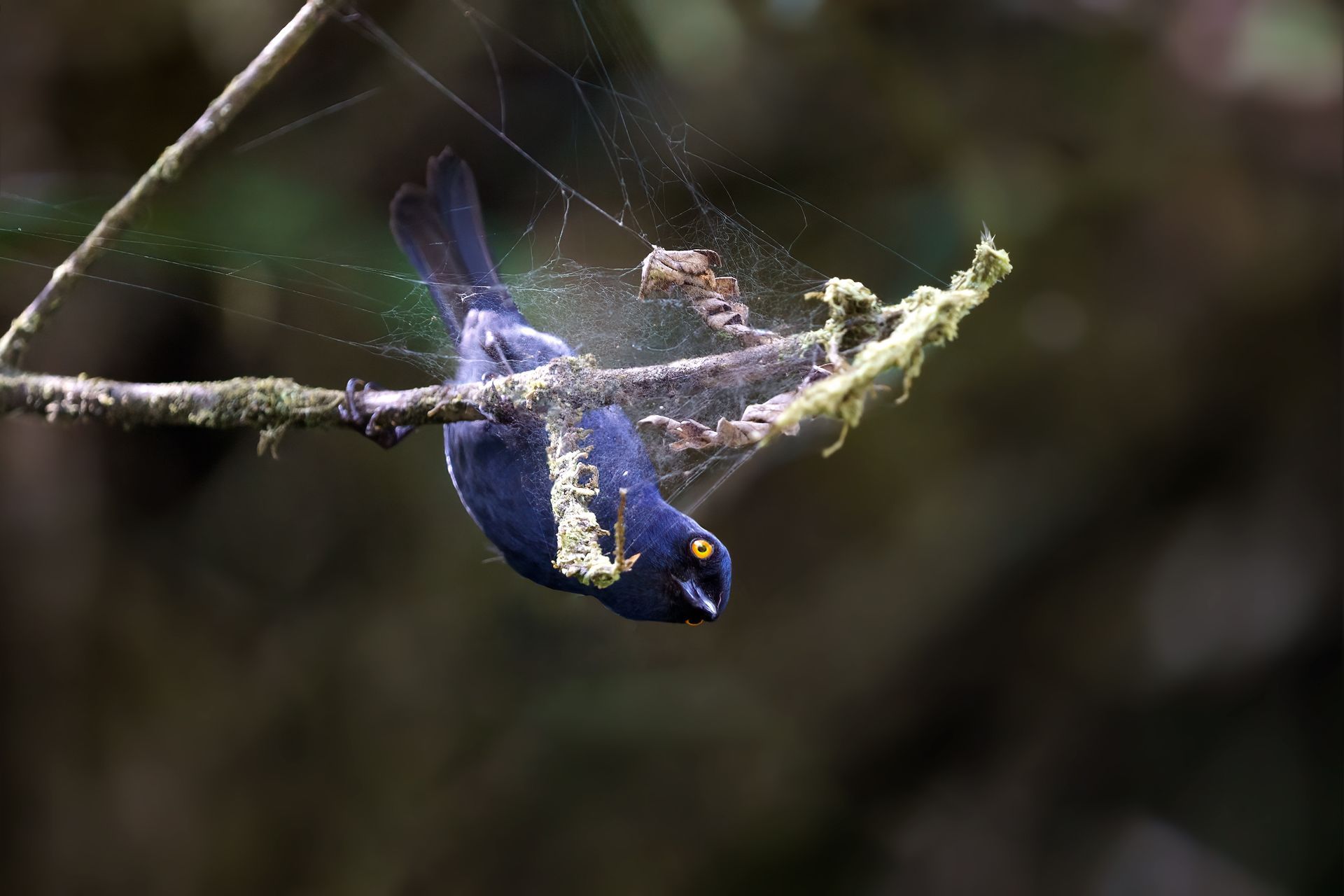
It can, however, be an exceptional time for photographers who value quieter reserves, lush scenery, and flexible schedules. Cloud forest is rarely more photogenic than when low mist moves through the trees after rain. Soft, overcast light can be ideal for saturated plumage, reducing harsh contrast on birds such as tanagers, quetzals, toucans, and many understory species.
The Chocó deserves special attention here. It is one of the wettest regions on Earth, and photographers should expect rain in every season. A relative drier period may improve comfort and access, but the Chocó should never be planned as a dry destination. Its reward is a remarkable concentration of Chocó-endemic and Pacific-slope species, dramatic rainforest atmosphere, and the chance to work in one of Colombia’s most biologically distinctive landscapes.
Time your trip by photographic objective
If your priority is hummingbirds, Colombia can deliver throughout the year. Flowering cycles vary by elevation and locality, so local knowledge matters more than choosing a supposedly universal hummingbird month. A focused itinerary can place you in productive gardens and forest edges when the light, perch selection, and bird activity support the images you want.
If endemics are the goal, December through March is often a practical starting point because travel between Andean and Caribbean sites is generally smoother. Still, certain target species may require specific elevations, pre-dawn departures, steep trails, or multiple attempts regardless of season. Rare birds do not follow a photographer’s schedule.
For migratory birds, the boreal winter period, roughly October through April, can add North American migrants to Colombia’s resident diversity. That is valuable for variety, though it should not replace planning around Colombia’s resident specialties. The country’s greatest photographic strength is its resident birdlife: species that are endemic, range-restricted, brilliantly colored, and tied to highly specific habitats.
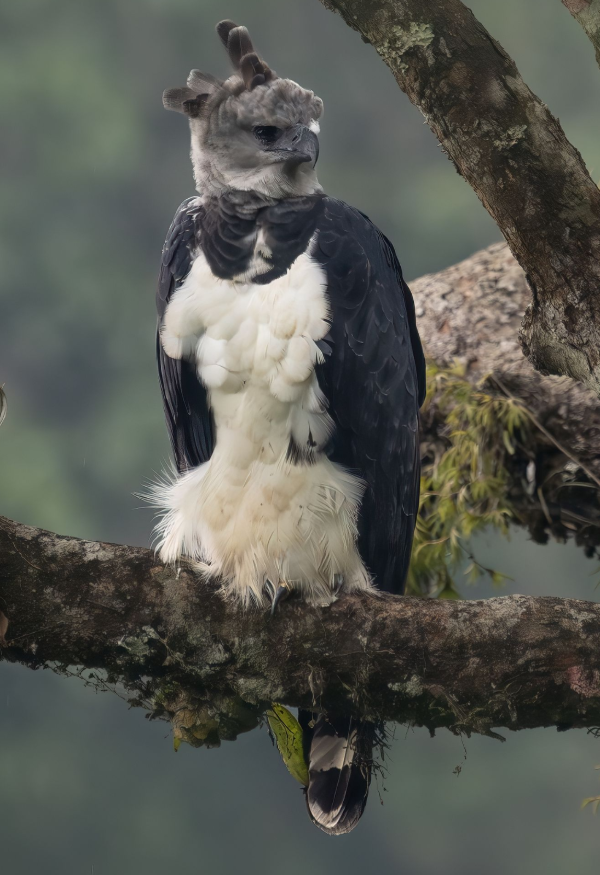
For raptors and large wildlife, consider the Llanos dry season from December to March, while recognizing that water levels shape the experience. For Harpy Eagle or remote Amazon subjects, timing should be built around known nest activity, local access, and the field realities of the specific area rather than a broad calendar.
Build weather flexibility into your expedition
The best photographers in Colombia work with the weather. They protect gear, start early, accept an afternoon shower as part of the landscape, and stay long enough to benefit from a second morning when conditions shift.
A specialized route also reduces the pressure to make every hour perfect. At Retorno Photo Tours, we design bird photography expeditions around target species, regional conditions, trusted local access, and realistic travel times, with guides who understand when patience is the right strategy and when it is time to reposition.
Choose your dates around the birds you most want to photograph, then leave room for Colombia to surprise you. The unforgettable frame may arrive under clear mountain light, in a burst of rain at a hummingbird feeder, or during the quiet ten minutes after a cloud-forest shower stops.
Scheduled Tours
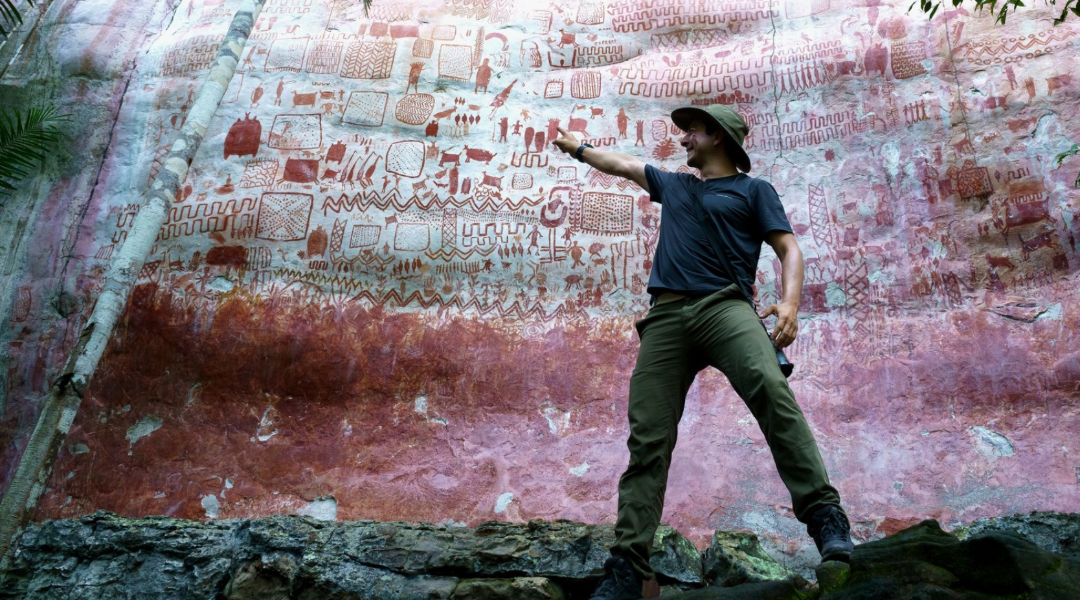
The road to Chiribiquete, Colombia's Western Amazon.
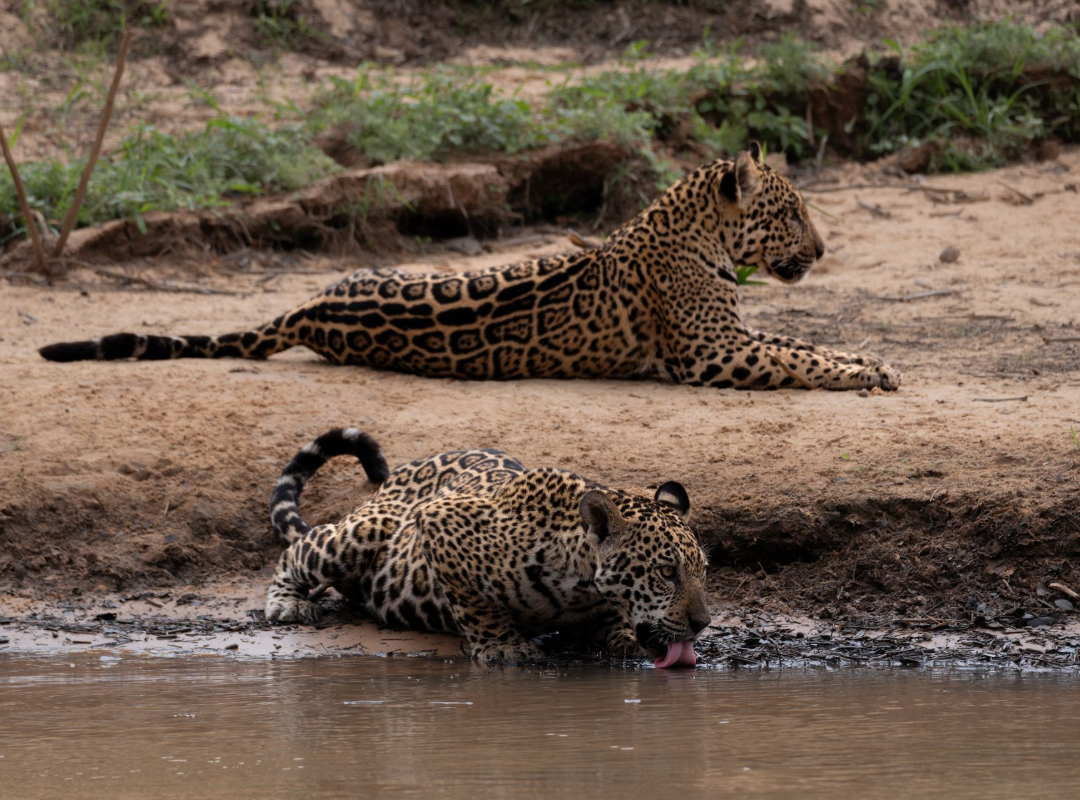
Jaguars Safari, Pantanal - Brazil.
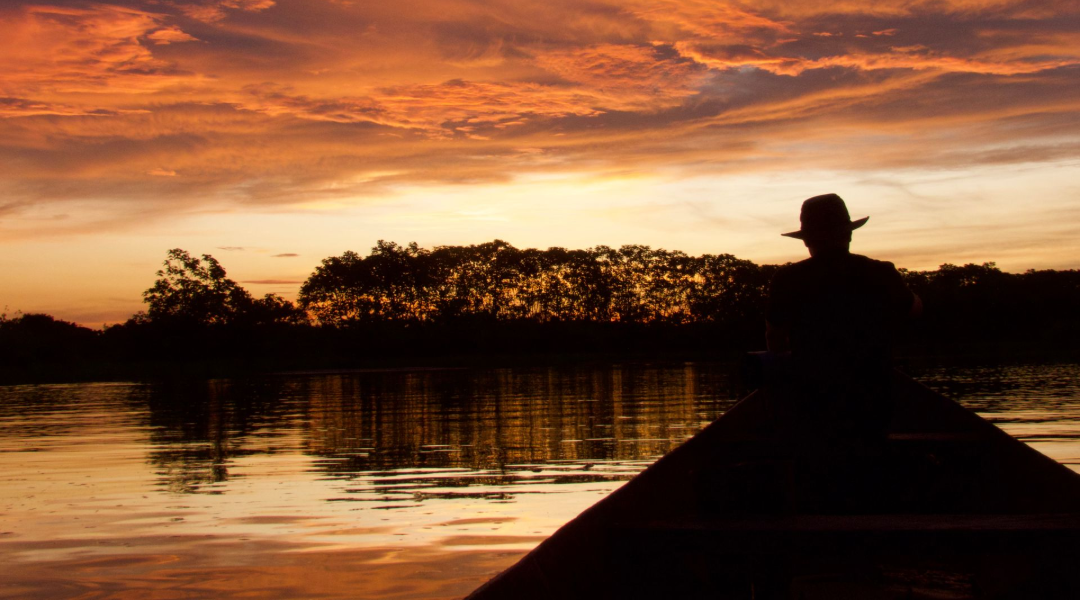
Amazon's Guiana Shield Specialties. Mitu-Vaupes.
Emblematic Birds Photo Tour, Coffee Triangle.