
Peru Photo Wildlife Adventures: Best Spots for Macaws, Owls & Rare Endemics
Peru Photo Wildlife Adventures: Best Spots for Macaws, Owls & Rare Endemics
Peru is one of the most exhilarating wildlife photography destinations on Earth — a country where Andean peaks scrape the sky, cloud forests drip with moss and mystery, and the vast Amazon basin pulses with one of the highest biodiversity densities anywhere on the planet. Photographers who visit Peru often speak of it with a sense of awe: the colors, the birds, the primates, the landscapes, the light — all of it feels wild, ancient, and deeply cinematic.
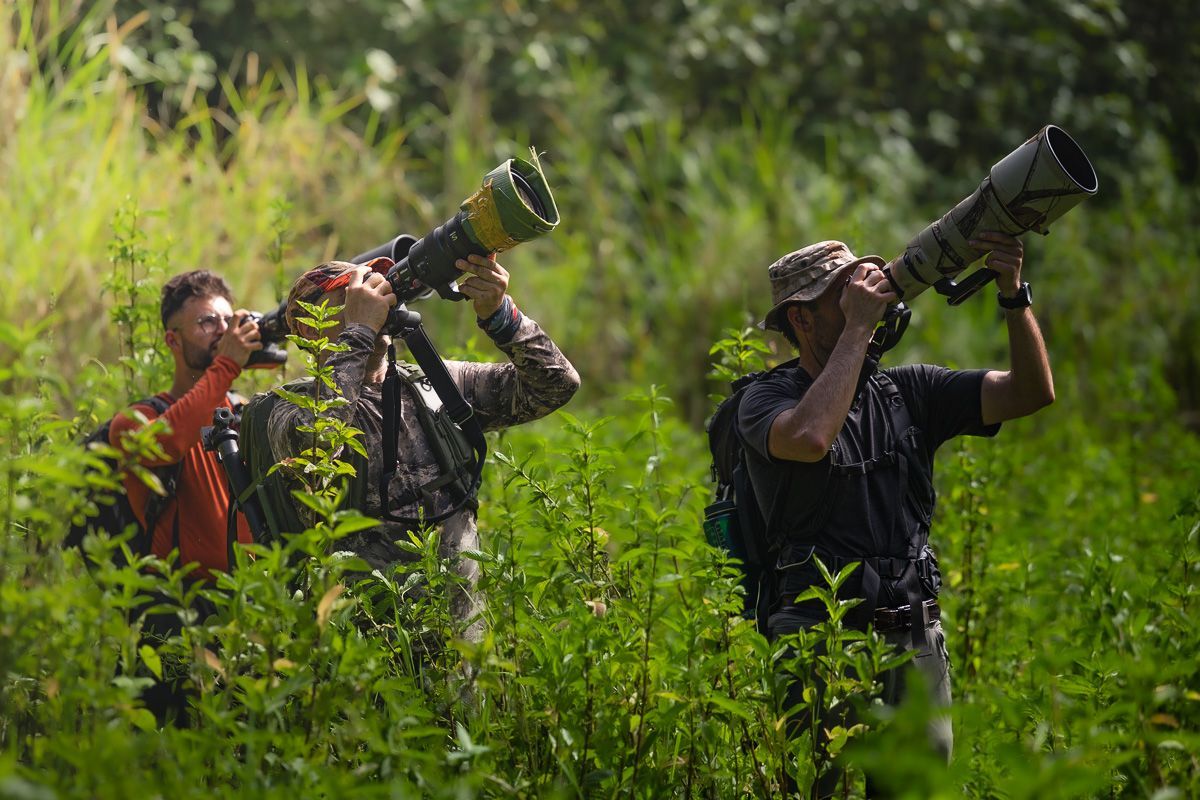
For nature photographers, Peru offers something few destinations can match: guaranteed megafauna moments, iconic macaw spectacles, rare owl encounters, legendary hummingbirds, and some of the world’s most sought-after endemics. This unique mixture has made Peru a core destination for professional wildlife expeditions, film crews, and Photo wildlife tours from around the world.
This article serves as a comprehensive guide to the best wildlife photography locations in Peru, focusing especially on its most charismatic and in-demand subjects: macaws, owls, and rare endemics. You’ll discover where to go, when to visit, what to expect in the field, and why Peru stands tall as a global leader in biodiversity and wildlife experiences.
Why Peru Is a Wildlife Photography Giant
Peru is one of the few countries where you can photograph an extraordinary variety of species across multiple ecosystems — all within a single trip. The Amazon rainforest, the Andean cloud forests, the Pacific coast, and the Andean highlands each offer their own species and spectacle.
Here’s why Peru consistently ranks among the world's top wildlife photography locations:
- Home to over 1,900 bird species — second only to Colombia.
- Unmatched macaw concentrations at clay licks in the Amazon.
- Iconic owls in varied habitats: desert, cloud forest, Amazon, mountains.
- Extreme number of endemics — many found nowhere else on Earth.
- Well-developed lodges designed for photographers, not just birders.
- Strong Indigenous and local conservation leadership, ensuring ethical access.
Peru is not just “good” for wildlife photography — it is consistently exceptional, offering world-class opportunities every single day.
The Amazon: The Heart of Peru’s Wildlife Photography
The Peruvian Amazon is one of the most biologically intense places on the planet. It is here that photographers encounter the country’s most dramatic spectacles: huge macaw congregations, giant river mammals, slow-moving reptiles, and one of the richest bird populations in the world.
Manu National Park — Peru’s Crown Jewel
Manu is the gold standard for wildlife photography in Peru. This UNESCO World Heritage Site contains some of the world’s least disturbed rainforest and supports an almost unbelievable variety of species.
Photographers can expect:
- Giant river otters
- Red-and-green macaws
- Scarlet macaws
- Hoatzins
- Sungrebes
- Night monkeys
- Spectacled caimans
- Toucans and aracaris
- Countless frogs, snakes, and insects
- Opportunities for rare mammals like tayras or tapirs
Manu’s clay licks promise one of the top wildlife photography events in South America.
Macaw Photography in Peru: The Color Explosion of the Amazon
The Amazon clay licks (locally known as “colpas”) are a global wildlife phenomenon — a spectacle where dozens or even hundreds of macaws gather to feed on mineral-rich clay that neutralizes toxins from their diet.
Tambopata Region — The World’s Best Macaw Photography
While Manu is superb, Tambopata may be the single best place on Earth to photograph macaws.
The famous clay licks here include:
- Colpa Colorado
- Colpa Chuncho
- Colpa Cachuela
At these sites, photographers witness the largest known macaw gatherings in the world, featuring:
- Scarlet Macaw
- Red-and-Green Macaw
- Blue-and-Yellow Macaw
- Chestnut-fronted Macaw
- Red-bellied Macaw
The visual result is overwhelming — explosions of color flying against green jungle backgrounds. Excellent photography setups allow long-lens, mid-distance, and even wide-angle captures of flocks in motion.
Best Tips for Macaw Photography in Peru
- Arrive at the clay lick before sunrise.
- Silence is essential.
- Cloudy days offer soft, even light.
- Fast shutter speeds (1/2500+) capture flight scenes.
- A 400–600mm lens range works best.
Macaw photography in Peru is not just a highlight — for many, it is the reason they come.
Owls of Peru: Mysterious, Diverse, and Photogenic
Peru hosts a spectacular diversity of owls thanks to its varied habitats — from desert landscapes to freezing highlands to humid tropical forests.
Some of the most sought-after species include:
- Crested Owl — Jungle icon with striped face
- Black-banded Owl — Mysterious and elusive
- Spectacled Owl — Powerful and dramatic
- Amazonian Pygmy-Owl — Day-active and cooperative
- Long-whiskered Owlet — A legendary endemic found only in northern Peru
- Rufous-banded Owl — Cloud forest specialist
- Stygian Owl — Dark, impressive, and haunting
- Burrowing Owl — Coastal deserts and open fields
Top Regions for Owl Photography
1. Northern Peru Cloud Forests (Abra Patricia & Alto Mayo)
Home to the famous Long-whiskered Owlet — one of the hardest owls in the world to see — and a number of other cloud-forest specialists.
2. Amazon Lodges in Tambopata & Manu
Night walks provide reliable encounters with:
- Crested Owls
- Spectacled Owls
- Tropical Screech-Owls
- Ferruginous Pygmy-Owls
3. The Coastal Desert Region
Open habitats around Lima offer daytime opportunities for the charismatic Burrowing Owl, often beautifully perched on sandy burrows.
Owls in Peru are not just diverse — they are unexpectedly accessible with the right guides and locations.
Rare Endemics: Peru’s Most Elusive Photographic Treasures
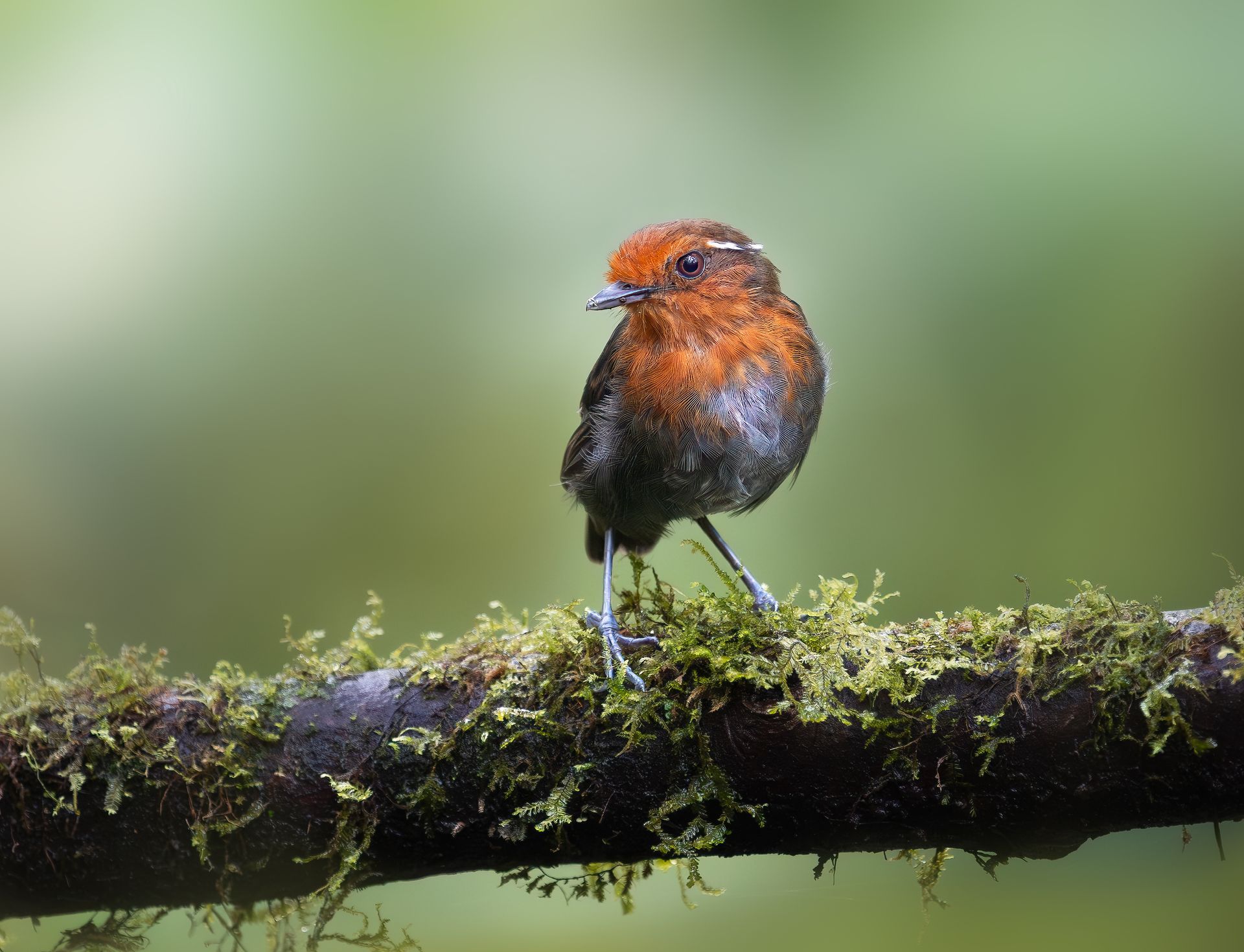
Peru is an endemic hotspot, containing many species that exist nowhere else on Earth. These birds attract serious photographers and international tour operators who specialize in high-demand targets.
Some of the most iconic endemics include:
- Marvelous Spatuletail — arguably the most extraordinary hummingbird alive
- Peruvian Plantcutter — coastal rarity
- Junín Grebe — nearly extinct
- Inca Flycatcher — Alto Mayo specialties
- Andean Ibis (Peruvian form)
- Río Mayo Tody-Flycatcher
- Pale-billed Antpitta
- White-winged Guan — incredible conservation success story
- Rufous Spinetail (Peruvian form)
Photographing these species offers a deeper connection to Peru’s biodiversity — a window into evolutionary stories shaped by mountains, isolation, and ancient ecosystems.
Peru’s Most Productive Wildlife Photography Regions
Below are the top ecosystems for photographers searching for macaws, owls, and rare endemics.
1. Tambopata National Reserve
Best for:
Macaws, parrots, monkeys, jaguars (occasional), owls, reptiles, amphibians.
Why Tambopata is essential:
- World’s largest known macaw gatherings
- Excellent photography blinds
- Outstanding river-based wildlife moments
- Night photography possibilities
- Strong Indigenous community leadership
Tambopata delivers one of South America’s greatest wildlife spectacles.
2. Manu Biosphere Reserve
Best for:
Otters, tapirs, toucans, trogons, forest owls, and rare Amazon birds.
This is one of the world’s most pristine forests — a destination that feels like stepping back in time thousands of years. Remote, wild, and deeply rewarding.
3. Northern Peru (Abra Patricia, Moyobamba, and Pomacochas)
Best for:
Cloud-forest rarities, endemics, night birds, and hummingbirds.
Northern Peru’s dramatic mountain slopes host species found nowhere else on Earth.
Key photographic targets:
- Long-whiskered Owlet
- Ochre-fronted Antpitta
- Speckle-chested Piculet
- Royal Sunangel
- Lulu’s Tody-Flycatcher
This region is a paradise for serious bird photographers.
4. Central Andes & High-altitude Plateaus
Best for:
Grebes, highland owls, flamingos, Andean geese, and open-country raptors.
The high Andes deliver dramatic scenery with sharp light and spectacular subjects.
Practical Field Tips for Wildlife Photographers in Peru
Lighting Conditions
- Amazon = soft morning light, harsh midday, beautiful golden evenings.
- Cloud forest = naturally diffused, perfect for soft backgrounds.
- Andes = bright light, high contrast — polarizers help.
Lenses
- 400mm to 600mm is optimal.
- 100–400mm or 70–200mm for monkeys, river scenes, landscapes.
- Macro lens for reptiles, insects, and night subjects.
Weather Considerations
- Amazon = humid, unpredictable showers, heat.
- Andes/cloud forest = chilly mornings, frequent mist.
- Always carry dry bags, silica gel, and waterproof covers.
Key Techniques
- Fast shutter speeds for macaws and hummingbirds.
- Manual exposure works best in harsh light.
- Use eye-tracking AF for primates and owls.
Why Photographers Return to Peru Again and Again
Peru offers something addictive — an endless sense of possibility. Every day brings new species, new behavior, dramatic changes in weather and light, and encounters that feel both ancient and intimate.
Photographers return because:
- The wildlife density is overwhelming.
- The photography infrastructure is excellent.
- Local guides possess elite-level knowledge.
- Endemic species create “once-in-a-lifetime” moments.
- The macaw clay licks alone justify the trip.
Whether you're a beginner or a professional, Peru expands your imagination, challenges your skills, and fills your memory cards faster than any other rainforest destination.
If you're ready to experience the extraordinary diversity of Peru — from macaw explosions in the Amazon to night encounters with rare owls — explore our scheduled Photo wildlife tours at Retorno Photo Tours. Our expertly crafted expeditions take you into Peru’s most productive regions for unforgettable photographic experiences in nature.