
How Expert Guides Help Capture Rare and Elusive Species
How Expert Guides Help Capture Rare and Elusive Species
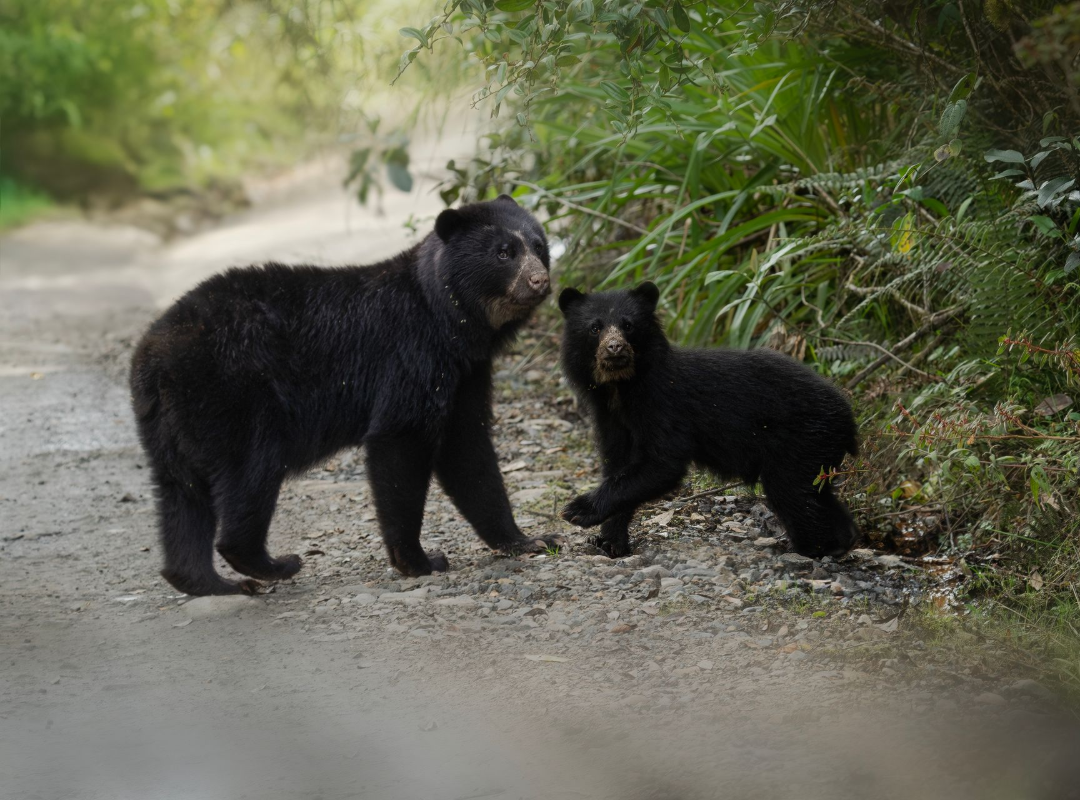
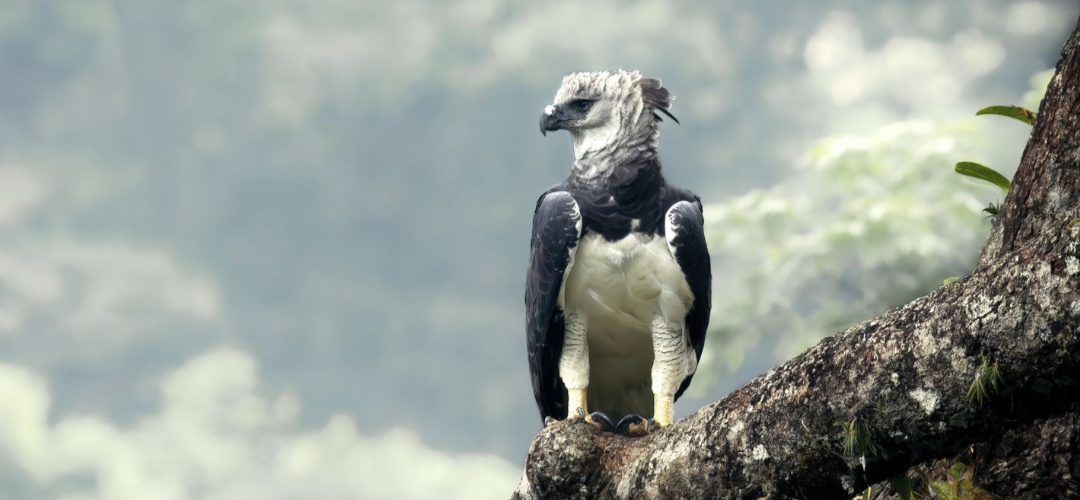
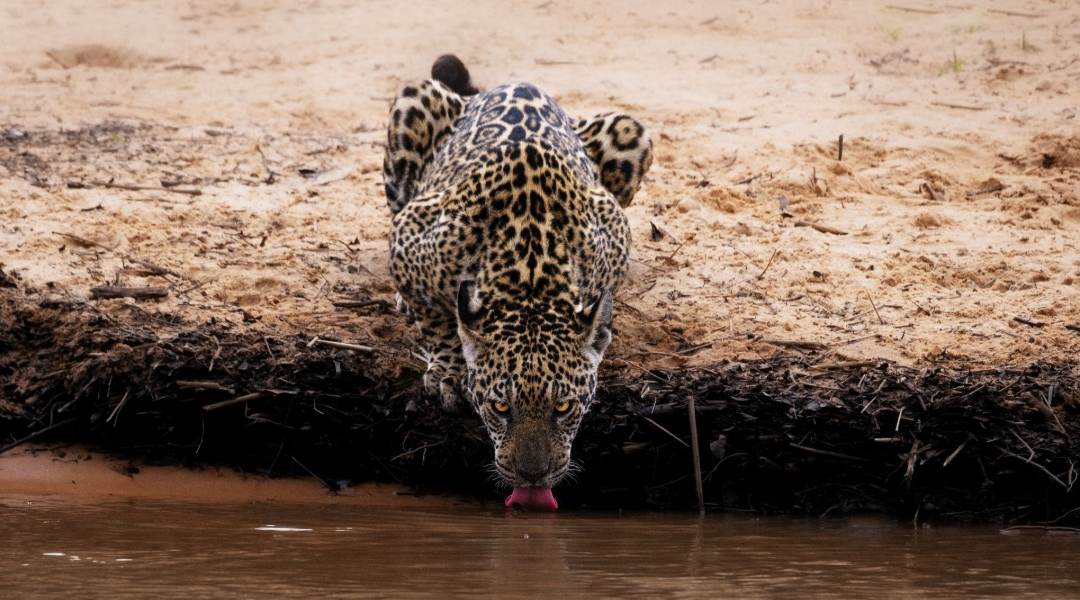
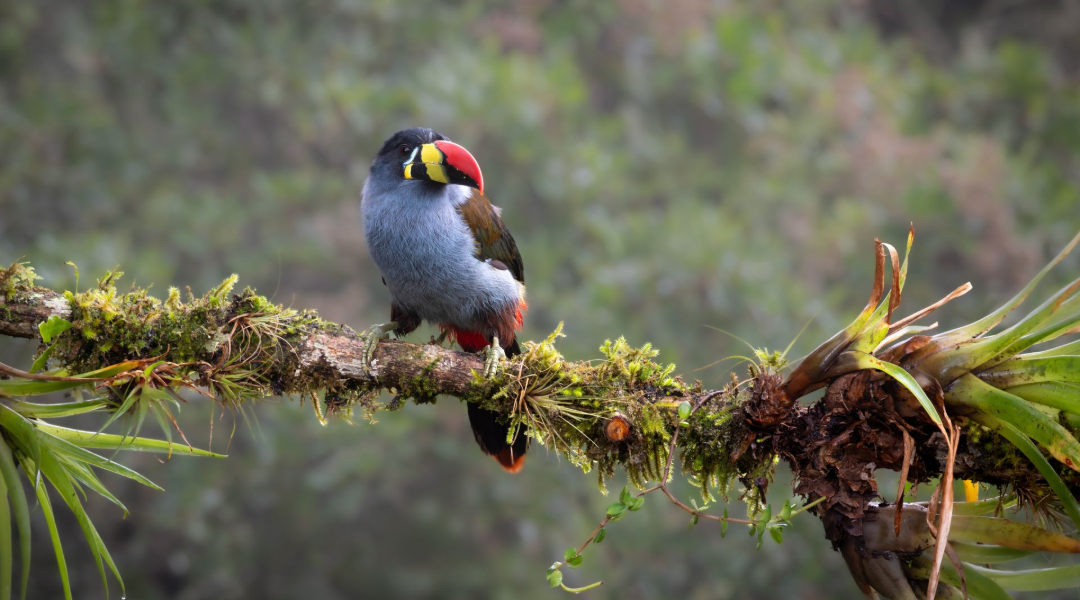
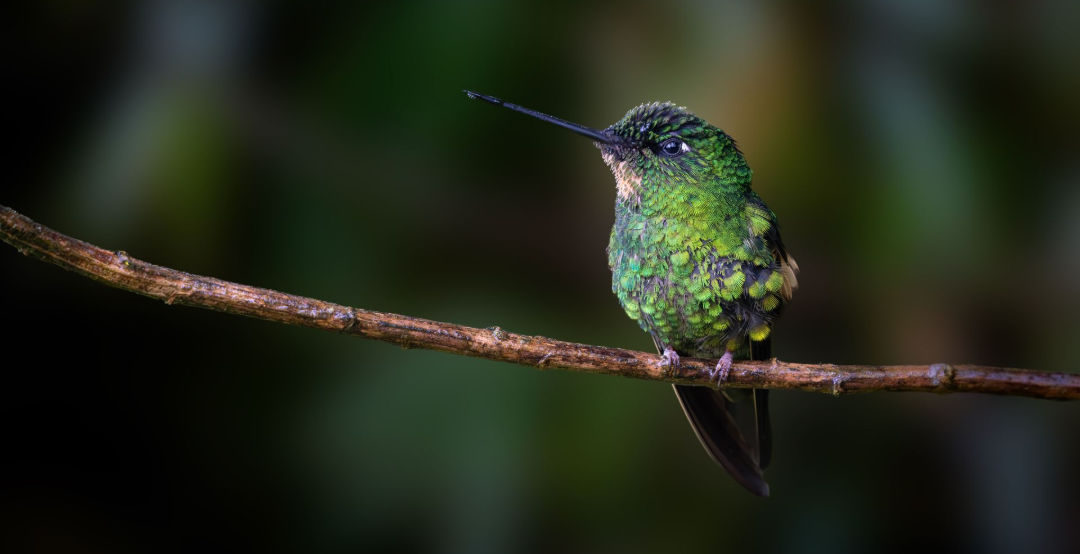
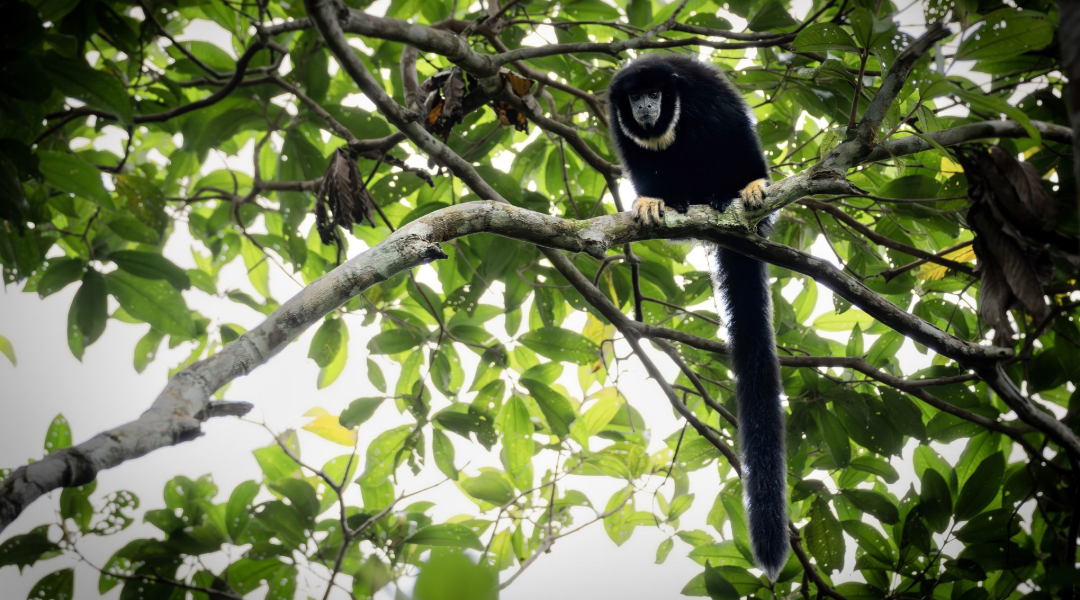
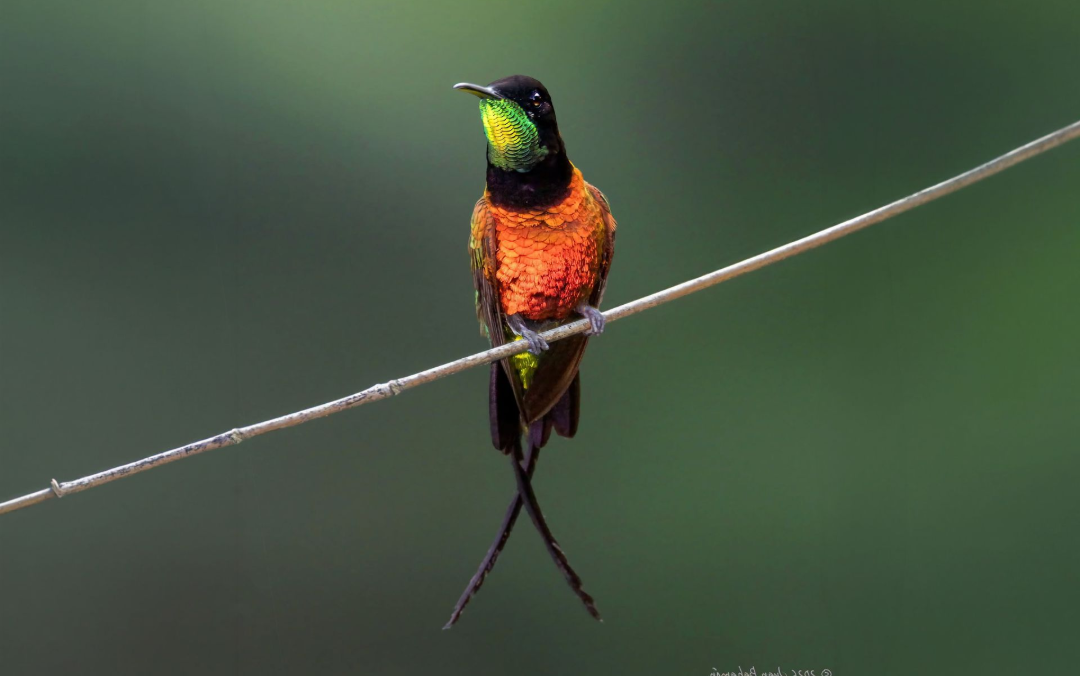
Photographing rare and elusive wildlife is one of the most exciting challenges in nature photography. Whether it is a shy forest bird, a canopy-dwelling species, or a rarely seen mammal, these moments often define a photographer’s most memorable experiences.
However, capturing such species is never easy. Many animals are naturally cautious, live in dense habitats, or appear only for brief moments. Without the right knowledge and timing, even experienced photographers may struggle to find them.
This is where expert wildlife guides become essential. Their knowledge, experience, and understanding of local ecosystems can dramatically increase the chances of photographing rare and elusive species while ensuring ethical and responsible practices.
Deep Knowledge of Wildlife Behavior
One of the greatest advantages of working with expert guides is their understanding of animal behavior.
Rare species often follow specific patterns that are not immediately obvious to visitors. Guides spend years observing these patterns and learning how animals interact with their environment.
They understand:
- Feeding routines and preferred food sources
- Movement patterns throughout the day
- Seasonal behavior changes
- Vocalizations and communication signals
This knowledge allows guides to predict where and when a species is most likely to appear.
For photographers, this means less time searching and more time capturing meaningful moments.
Locating Hidden and Camouflaged Species
Many rare animals are difficult to spot because they blend perfectly into their surroundings.
In dense forests, birds and mammals may remain hidden in foliage, shadows, or high in the canopy.
Expert guides are trained to notice subtle signs such as:
- Slight movements in leaves or branches
- Unusual shapes or silhouettes
- Faint sounds or calls
- Changes in animal behavior nearby
What may look like an empty forest to a visitor can reveal incredible wildlife to a trained guide.
This ability to detect hidden species is one of the most valuable skills a guide brings to a photography tour.
Access to Proven Wildlife Locations
Finding rare species is not only about skill but also about knowing where to look.
Expert guides have extensive knowledge of specific locations where wildlife is regularly observed.
They know:
- Which trails are most productive
- Where birds gather to feed
- Areas where animals are frequently seen
- Locations that offer good visibility for photography
These carefully selected locations significantly increase the chances of successful encounters.
Without this knowledge, photographers may spend valuable time in areas with limited wildlife activity.
Perfect Timing for Wildlife Encounters
Timing plays a critical role in wildlife photography.
Many species are only active during certain times of the day or under specific conditions.
Expert guides understand these timing patterns and plan photography sessions accordingly.
They know:
- When animals are most active
- How weather affects wildlife behavior
- The best times for feeding, displaying, or movement
By aligning photography sessions with these natural rhythms, guides help photographers capture dynamic and natural behavior.
Positioning for the Best Photographic Results
Finding a rare species is only part of the challenge. Capturing a strong photograph requires proper positioning, light, and composition.
Guides often assist photographers by:
- Suggesting the best angles for clean backgrounds
- Identifying natural perches and open views
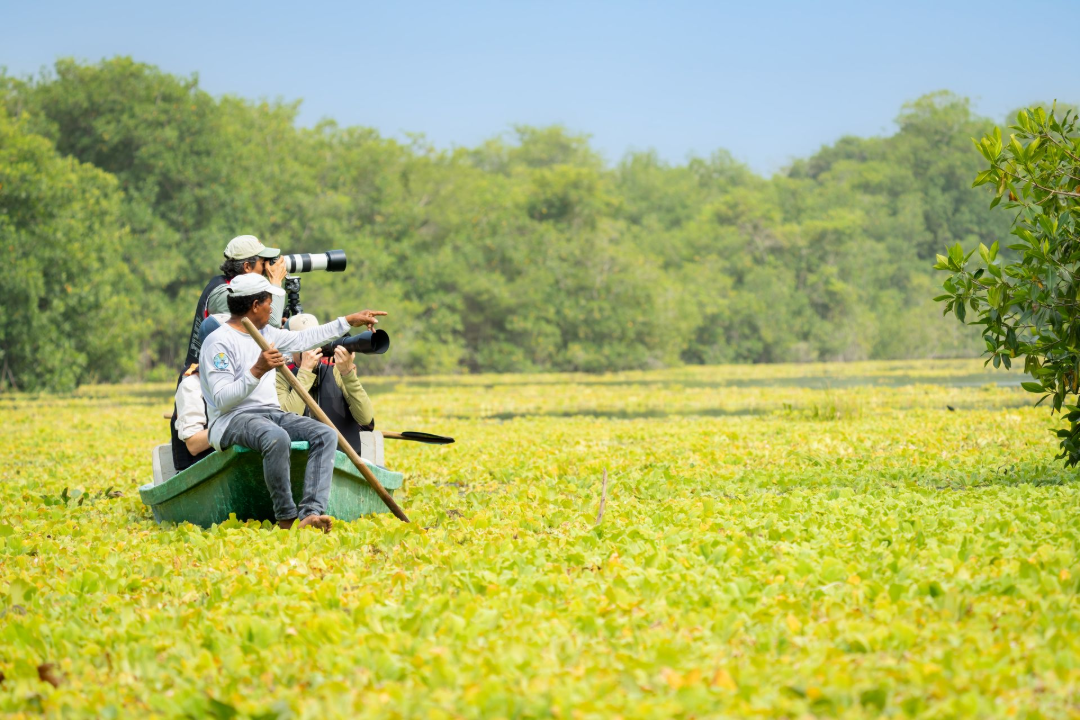
- Helping photographers position themselves without disturbing the animal
- Managing group movement to avoid blocking shots
These small adjustments can make a significant difference in the quality of the final image.
Encouraging Patience and Observation
Photographing elusive species often requires patience.
Animals may take time to appear, and opportunities can be brief.
Experienced guides encourage photographers to slow down and observe their surroundings.
Instead of moving constantly, guides may recommend waiting quietly in a productive location.
This approach allows animals to behave naturally and increases the chances of capturing authentic moments.
Patience is often rewarded with unique and memorable wildlife encounters.
Ensuring Ethical Wildlife Photography
Ethical practices are especially important when working with rare and sensitive species.
Expert guides play a key role in ensuring that photography does not harm wildlife or disrupt natural behavior.
They enforce guidelines such as:
- Maintaining safe distances
- Avoiding disturbance during nesting or feeding
- Limiting noise and sudden movement
- Preventing overcrowding around animals
By following these practices, photographers can capture images responsibly while protecting the species they are documenting.
Navigating Challenging Environments
Rare species are often found in remote or difficult environments such as dense forests, wetlands, or mountainous regions.
Navigating these areas without guidance can be challenging and time-consuming.
Expert guides help photographers:
- Move safely through unfamiliar terrain
- Identify potential hazards
- Reach productive locations efficiently
- Manage time effectively during field sessions
This support allows photographers to focus on their work while exploring complex natural environments.
Increasing Success Rates for Rare Encounters
The combination of knowledge, timing, and field experience significantly improves the chances of photographing elusive species.
Photographers working with expert guides often achieve results that would be difficult to accomplish alone.
Instead of relying on luck, guided photography tours provide a structured and informed approach to wildlife photography.
This increases both the number and quality of successful encounters.
Creating Meaningful Wildlife Photography Experiences
Beyond capturing images, working with expert guides creates a deeper and more meaningful connection to nature.
Guides share knowledge about ecosystems, species relationships, and conservation efforts.
This understanding enriches the photography experience and helps photographers appreciate the complexity of the natural world.
For many photographers, these insights become just as valuable as the images they capture.
Experience Expert Guidance with Retorno Photo Tours
Retorno Photo Tours offers wildlife photography experiences led by experienced guides who specialize in helping photographers capture rare and elusive species.
Our tours are designed to maximize photographic opportunities while maintaining strong ethical and conservation standards.
When you join our tours, you benefit from:
- Expert guides with deep knowledge of wildlife behavior
- Access to carefully selected locations known for rare species
- Small group sizes for better photography opportunities
- Ethical practices that protect wildlife and habitats
We welcome photographers from around the world who want to experience the thrill of photographing rare wildlife in Colombia and South America.
If you would like to learn more about our tours and upcoming opportunities, we invite you to contact us through our website.
With the support of expert guides, capturing rare and elusive species becomes not only possible but an unforgettable part of your wildlife photography journey.