
What International Photographers Should Know Before Visiting Colombia
What International Photographers Should Know Before Visiting Colombia
Colombia has rapidly become one of the most exciting destinations in the world for bird and wildlife photography. With more bird species than any other country on Earth, dramatic ecosystems packed into a relatively compact area, and a growing network of conservation-driven photo wildlife tours, Colombia now attracts photographers from North America, Europe, Asia, and beyond.
For international photographers planning their first trip, Colombia offers incredible rewards, but it also comes with unique considerations that can make or break the experience. Understanding the country’s geography, logistics, biodiversity, ethics, and local culture is essential to getting the most out of a photography-focused journey.
This guide covers what international photographers should know before visiting Colombia, especially those interested in bird and wildlife photography tours.
Colombia’s Geography and Why It Matters for Photography
One of Colombia’s greatest strengths is its geographic diversity. Unlike countries where wildlife is spread across vast distances, Colombia compresses multiple ecosystems into a single nation. The Andes Mountains split into three ranges, creating isolated valleys and cloud forests filled with endemic species. To the east lies the Amazon basin, dense and mysterious. To the north, Caribbean dry forests and wetlands host completely different bird communities. Along the Pacific coast, some of the wettest rainforests on Earth provide dramatic backdrops and rare species.
For photographers, this means that a single trip can include cloud forest hummingbirds, Amazonian canopy species, high-altitude páramo birds, and lowland rainforest specialties. However, it also means altitude changes, shifting weather patterns, and varied light conditions. Preparing equipment, clothing, and shooting strategies for multiple environments is essential.
Understanding Colombia’s Unmatched Biodiversity
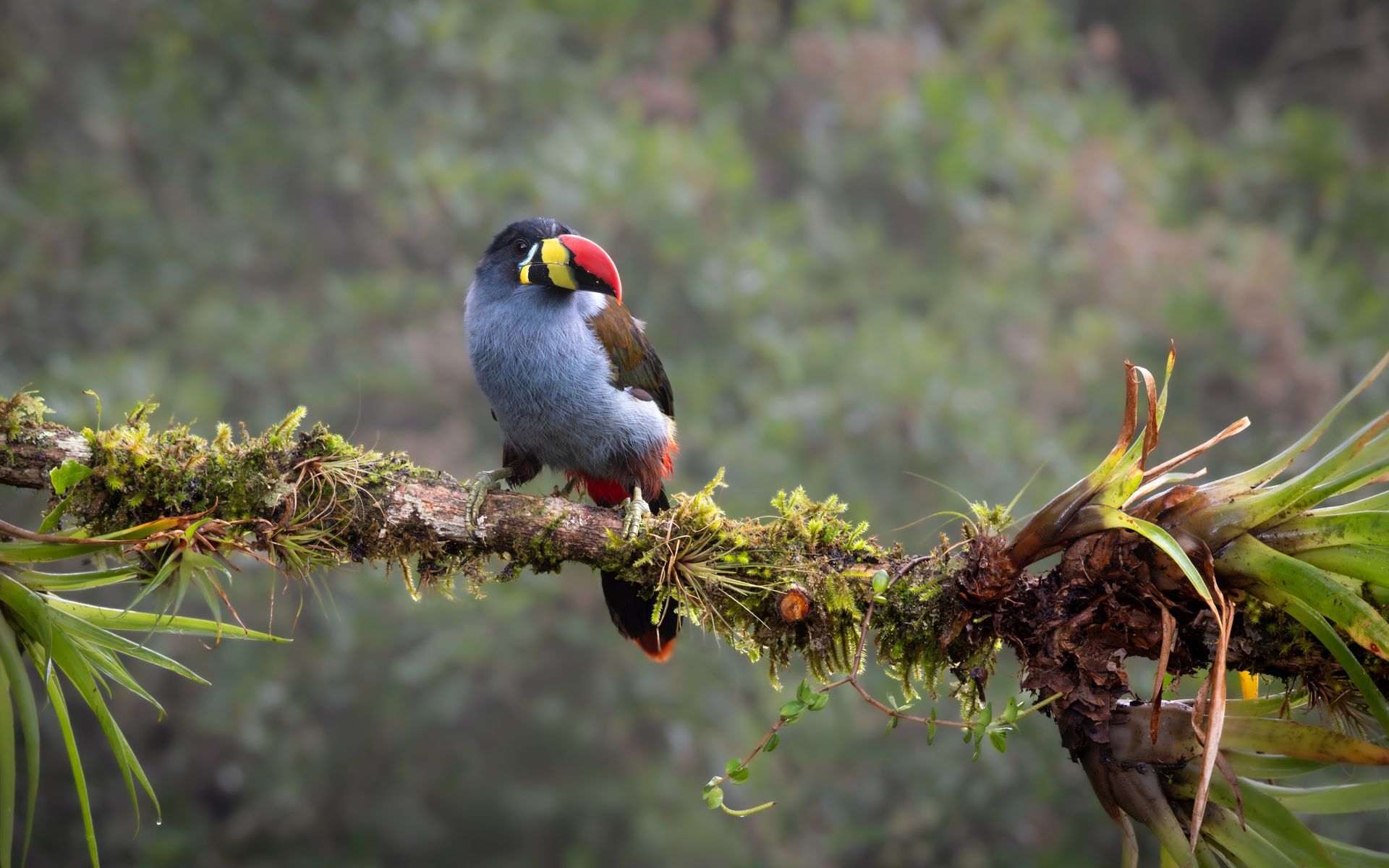
Colombia is the number one country in the world for bird species, with over 1,900 recorded and new discoveries still happening. Many of these birds are endemic, meaning they are found nowhere else on Earth. For international photographers, this creates opportunities to photograph species that instantly elevate a portfolio.
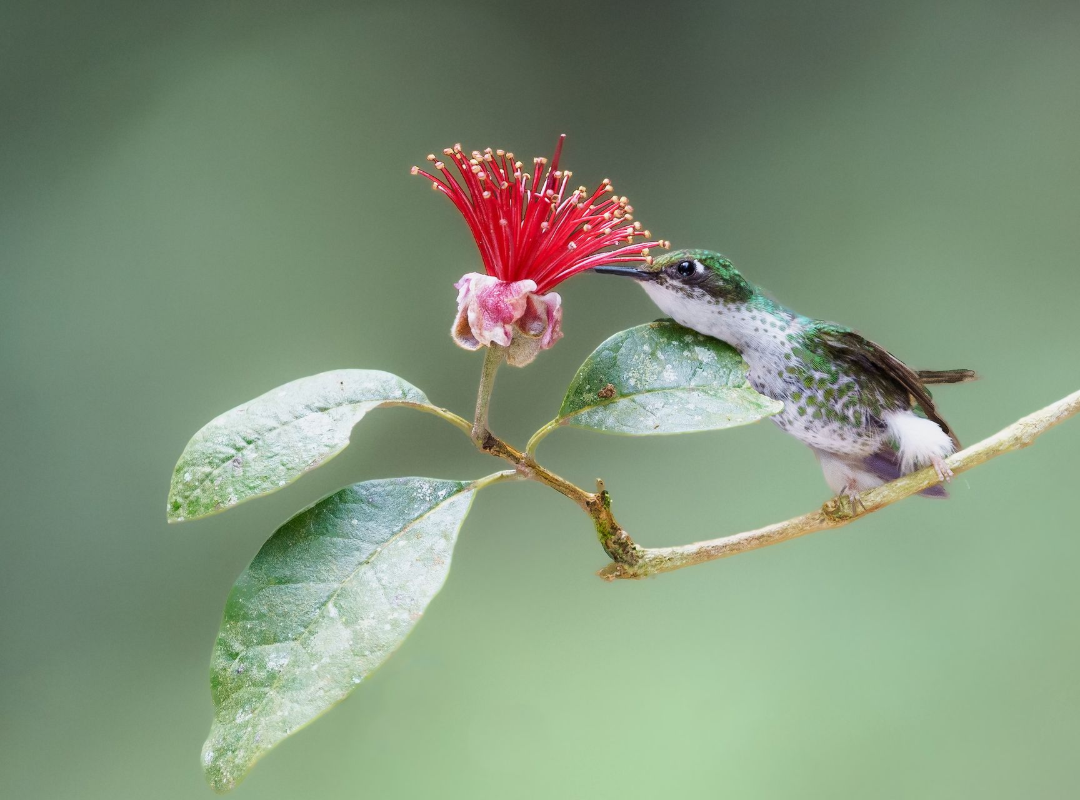
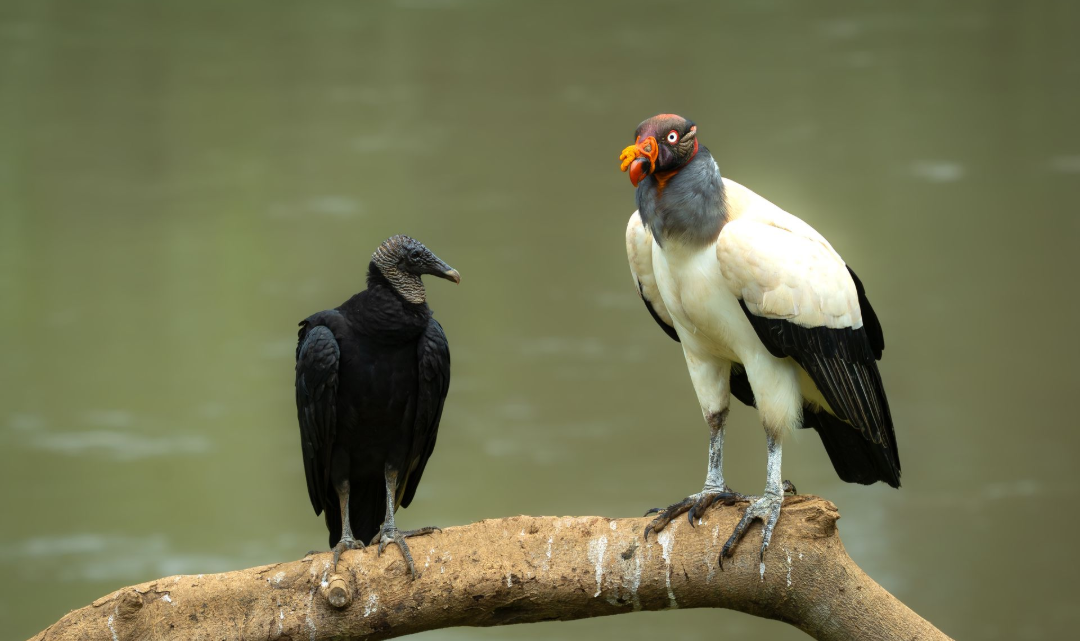
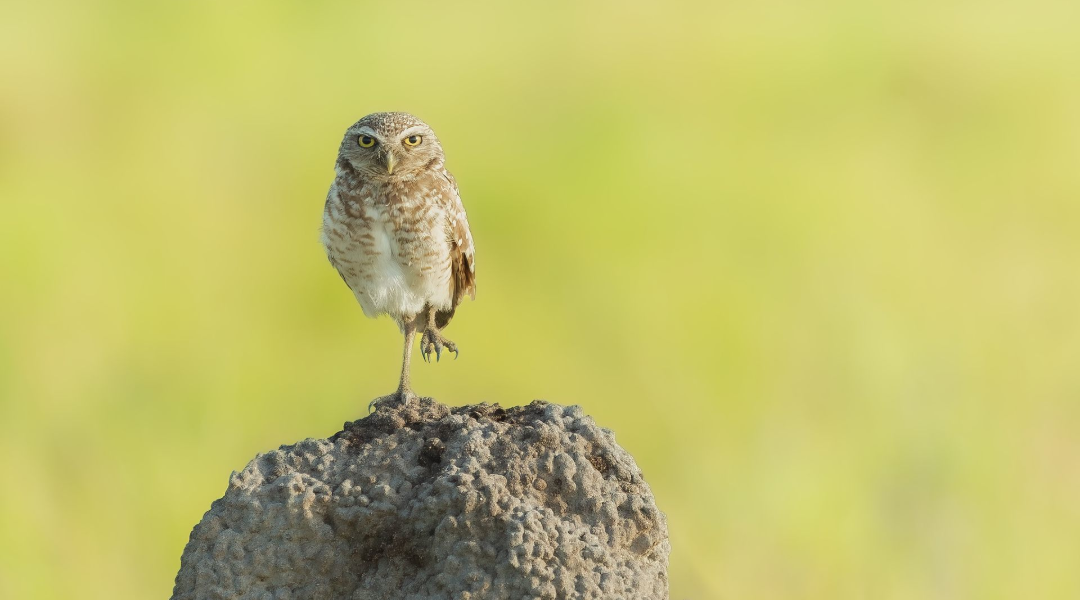
Families like tanagers, hummingbirds, antpittas, manakins, toucans, owls, and raptors are extraordinarily well represented. Colombia is also one of the best places in the world to photograph mixed-species flocks, courtship displays, lekking behavior, and feeding interactions.
Beyond birds, Colombia offers opportunities to photograph frogs, orchids, butterflies, mammals, and landscapes, making it ideal for photographers who want variety rather than a single-species focus.
Safety Perceptions vs Reality
Many international photographers still arrive with outdated concerns about safety. While Colombia’s past is complex, modern Colombia is vastly different from its reputation decades ago. Tourist regions, birding lodges, and photo tour routes are generally very safe, especially when traveling with experienced local guides.
Most wildlife photography tours operate in rural areas where communities are deeply invested in conservation and eco-tourism. These areas benefit directly from visiting photographers, which further strengthens safety and hospitality.
The key takeaway for international visitors is simple: travel with a reputable photo tour operator, follow local guidance, and Colombia is no more dangerous than many popular wildlife destinations worldwide.
Why Guided Photo Wildlife Tours Matter in Colombia
Colombia’s biodiversity can be overwhelming without expert guidance. Many species are habitat-specific, altitude-dependent, or seasonally active. Local knowledge dramatically increases photographic success.
Experienced photo wildlife tour operators understand where birds are most active, how to position photographers for clean backgrounds, and how to manage light in dense forests. They also know when to slow down, when to wait, and when to move on, all crucial decisions in wildlife photography.
Ethical guiding is particularly important in Colombia, where conservation-focused tourism supports habitat protection and local livelihoods. Choosing a responsible tour operator ensures that photography does not disturb wildlife or damage sensitive ecosystems.
Ethical Photography and Conservation Awareness
Colombia takes conservation seriously, and ethical wildlife photography is central to that mission. International photographers should be aware that responsible tours prioritize minimal disturbance, respect breeding seasons, and avoid excessive playback or disruptive techniques.
Many birding lodges and reserves are community-owned or support local conservation initiatives. By participating in ethical tours, photographers contribute directly to protecting habitats and species.
Ethics are not just about rules; they improve photography. Calm, undisturbed animals behave more naturally, resulting in better images and more meaningful encounters.
Equipment Considerations for Colombia
International photographers often ask what equipment works best in Colombia. Versatility is key. Dense forests mean lower light, while open areas offer fast action and bright conditions. Weather can change quickly, especially in cloud forests.
Fast lenses, good high-ISO performance, and weather-resistant gear are extremely helpful. Rain protection for cameras is essential, particularly on the Pacific slope and in the Amazon. Lightweight setups are also important, as many photography sessions involve walking trails rather than vehicle-based shooting.
Tripods are useful in certain situations, but many photographers rely on handheld shooting due to uneven terrain and fast-moving subjects.
Climate, Weather, and Seasonal Planning
Colombia does not have traditional seasons like temperate countries. Instead, weather varies by region and altitude. Some areas experience wetter periods, while others remain relatively stable year-round.
Bird activity often peaks early in the morning and late in the afternoon, making light management critical. Cloud cover can be a blessing for soft light, especially in forests, while sunny breaks provide dramatic highlights for hummingbirds and colorful species.
Understanding when and where to travel is another reason guided tours are invaluable, as local operators plan itineraries around optimal conditions.
Cultural Awareness and Local Interaction
Colombians are known for their warmth and hospitality. Learning a few basic Spanish phrases goes a long way, especially in rural areas. Respect for local customs, patience, and friendliness are always appreciated.
Photography tours often interact with local communities, lodge staff, and conservation workers. These interactions add depth to the experience and provide insight into how eco-tourism supports livelihoods.
For international photographers, Colombia is not just about images; it is about connecting with people who protect the landscapes being photographed.
Logistics and Travel Practicalities
International access to Colombia is straightforward, with major airports connecting to North America, Europe, and other regions. Internal flights and ground transfers are commonly used to reach photography locations.
Most bird photography tours handle logistics, accommodation, meals, and permits, allowing photographers to focus entirely on shooting. This is especially helpful for first-time visitors who may find independent travel challenging in remote areas.
Electricity, internet access, and amenities are generally reliable at lodges used by professional photo tours, though remote areas may have limited connectivity.
Why Colombia Appeals to Photographers Worldwide
Photographers from the United States, Canada, Europe, India, China, and Australia are increasingly choosing Colombia because it offers something rare: extraordinary biodiversity combined with improving infrastructure and strong conservation values.
Unlike destinations that are overcrowded or heavily commercialized, Colombia still feels fresh. Many locations remain uncrowded, allowing photographers to work patiently and creatively without pressure.
For those seeking portfolio-defining images, Colombia provides both iconic species and lesser-known birds that stand out in international competitions and publications.
Choosing the Right Photo Tour Operator
Not all tours are created equal. International photographers should look for operators with deep local knowledge, strong conservation ethics, and a clear focus on photography rather than general birdwatching.
A good photo tour balances time in the field, comfortable logistics, ethical practices, and guidance tailored to photographers’ needs. Small group sizes, flexible schedules, and experienced leaders make a significant difference.
This is where choosing the right company matters more than the destination itself.
Final Thoughts
Colombia is no longer a hidden secret in the wildlife photography world. It is a global leader in biodiversity, conservation-driven tourism, and photographic opportunity. For international photographers, understanding the country’s ecosystems, culture, ethics, and logistics ensures a rewarding and responsible experience.
With the right preparation and guidance, Colombia delivers images that few other places on Earth can match.
Ready to Photograph Colombia at Its Best?
If you want to experience Colombia’s birds, landscapes, and wildlife in the most rewarding way possible, Retorno Photo Tours offers expertly guided photo wildlife tours to the best locations in the country. Retorno focuses on ethical photography, exceptional access, and carefully selected destinations that give photographers the highest chance of capturing extraordinary images.
Join one of Retorno Photo Tours’ Colombia expeditions and discover why they consistently work in the best places and deliver unforgettable wildlife photography experiences.