
Why December Is the Best Month to See Harpy Eagles in South America
Why December Is the Best Month to See Harpy Eagles in South America
The Harpy Eagle (Harpia harpyja) is one of the most powerful and awe-inspiring raptors on Earth—a species that symbolizes strength, forest majesty, and the raw beauty of the neotropical ecosystem. For birders, wildlife enthusiasts, and photographers, seeing a Harpy Eagle in the wild is an unforgettable dream. But not all months are equal when it comes to increasing your chances.
In South America, December stands out as one of the single best months of the entire year to see Harpy Eagles, and the reasons are deeply tied to the species’ fascinating nesting cycle, behavior, and ecological rhythms.
If you are planning a Harpy Eagle photography trip in the Amazon Basin, Darien, Chocó, or the deep Colombian lowlands, understanding why December is such a strategic month can dramatically improve your chances of witnessing this rare apex predator up close.
In this comprehensive guide, we’ll dive into the biological, environmental, and logistical reasons that make December the perfect time for Harpy Eagle observations. Along the way, we’ll explore the natural history of the bird, its nesting timeline, and what exactly you can expect to see in the field during this period.
The Harpy Eagle’s Annual Cycle: Why Timing Matters
Harpy Eagles have an unusually long and slow reproductive cycle compared to most raptors. A single nesting cycle can last more than two years, meaning that true opportunities to observe active behavior near a nest are rare and limited.
The cycle consists of five major stages:
- Courtship, Mating & Nest Building (August–October)
- Incubation (November–December)
- Hatching & Full-Time Parental Care (January–April)
- Wandering Care & First Flights (June–September)
- Juvenile Independence Phase (Late 2026 onward during your current cycle)
Right now, according to the Harpy Eagle Natural Reserve’s direct monitoring, we are in Stage 2: Incubation, one of the most active and exciting phases for photographers and wildlife travelers.
And December sits right in the heart of this stage, making it prime time to visit.
December = Reliable Activity, Predictability, and Access
Many wildlife encounters rely on chance—but Harpy Eagles during December are the opposite. They are predictable, localized, and often very active around their nesting territory.
Here’s why:
1. The Female Is on the Nest Almost 24/7
The female Harpy Eagle stays firmly on her single egg during this period, guarding and warming it with complete dedication. This means:
- Observers have high probability of seeing at least one adult.
- The bird remains in a known location, often visible from responsible observation distances.
- Behavioral photography—such as posture changes, nest maintenance, feather adjustments—is more frequent.
During this time, the female rotates the egg, cleans the nest, and makes small movements that are fantastic for natural behavior photography.
2. The Male Is Actively Hunting and Delivering Food
The male becomes the provider during November and December. This means:
- Increased movement
- Predictable flight paths
- Regular visits to the nest
For photographers, male returns often offer dramatic flight sequences and “food delivery” moments—a signature image many dream about.
3. Human Access Is Officially Allowed Again
Beginning November 1, the Harpy Eagle Natural Reserve opens its doors for the nesting season. December is when:
- Forest trails are in good condition
- Weather is relatively stable
- Park staff, local guides, and photographers coordinate activity for responsible viewing
Because nest access is managed with great care, December becomes one of the safest and least disruptive moments to visit.
December Behavior: What You’ll Actually See
December is a month of subtle but powerful behaviors. The Harpy Eagle is not yet in dramatic “feeding the chick” mode, but there are unique December-only scenes:
• Female Incubating the Egg
Calm but expressive behavior, shifting positions, stretching, and maintaining the egg.
• Male Returning With Prey
One of the most spectacular December moments. The prey load—often monkeys, sloths, iguanas, or large birds—creates iconic photographic opportunities.
• Territorial Communication
Pairs exchange calls during the incubation shift or at dawn. This is an unforgettable acoustic experience.
• Environmental Interactions
Rainforest mist, morning light, and the towering nest tree create atmospheric photography conditions.
While January to April is rich in chick-rearing scenes, December offers the rare energy of anticipation—the moment right before one of the world’s most powerful raptors brings new life into the world.
Weather Patterns Make December Perfect for Field Work
Although South America’s climate varies by region, many Harpy Eagle habitats share a similar seasonal rhythm. December often provides:
• More stable weather
While not completely dry, December often brings longer light windows for photography and fewer heavy storms.
• Softer light quality
Cloud-filtered Amazonian light is ideal for photographing large birds in the canopy.
• Good humidity levels
Enough moisture to keep wildlife active but not so much that visibility suffers.
• Easier river access
Many Harpy Eagle reserves are accessed by boat, and December’s water levels tend to be cooperative.
For photographers, these environmental conditions are hugely beneficial: better visibility, more predictable outings, and safer travel conditions.
Local Wildlife Activity Peaks in December
December is not only excellent for Harpy Eagles—it’s also a great month for broader wildlife viewing. During this time, you can also see:
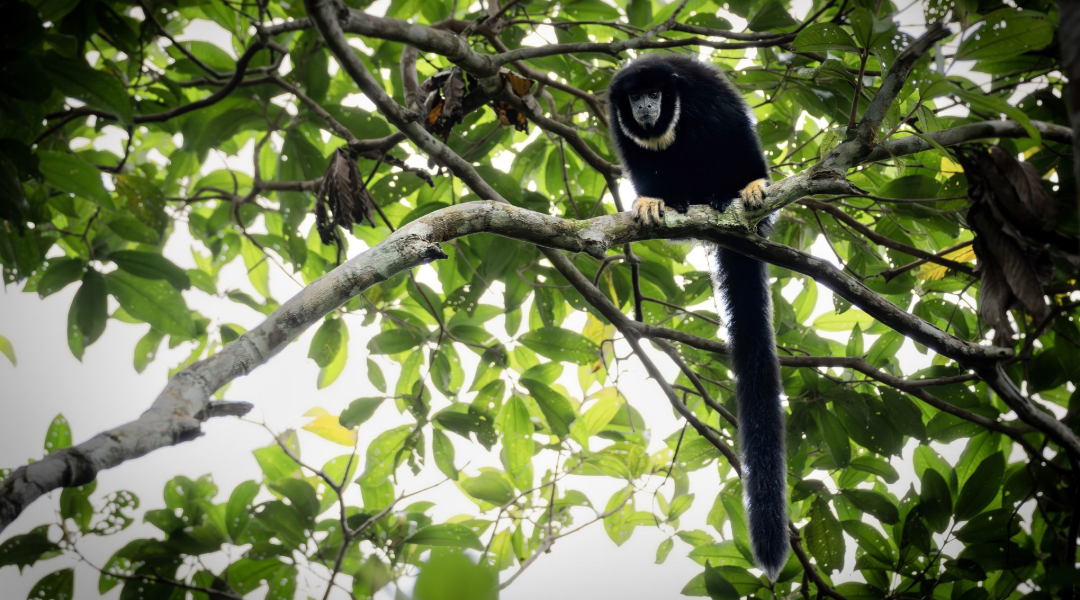
- Several species of monkeys
- Sloths
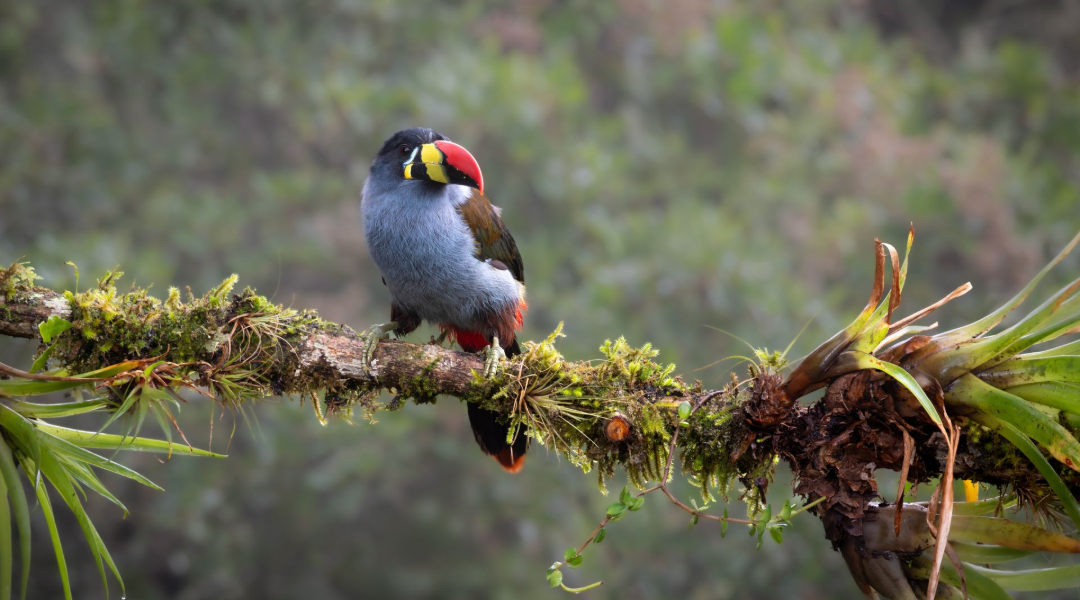
- Toucans
- Raptors
- Frogs
- Forest-edge mammals
For birders especially, mixed flocks are more common, forest edges are active, and many species begin subtle pre-breeding movements.
This makes December an exceptional month for a multi-species wildlife expedition.
Photographers Benefit the Most in December
If you’re planning a photography-focused Harpy Eagle expedition, December gives you a special advantage.
Why?
- Eagles are localized and predictable.
- Behavior is calm and clear—ideal for sharp shots.
- Light conditions are often better than peak rainy months.
- Fewer tourists means cleaner compositions and easier field logistics.
- You can capture pre-hatching behaviors that appear only once every 2+ years.
Many photographers say December offers their cleanest, most controlled, and most rewarding sessions of the entire Harpy Eagle breeding cycle.
Ethical Wildlife Viewing: Why December Helps Protect the Species
December visibility is a direct result of responsible conservation partnerships. These include:
- Local families who protect nest territories
- Indigenous communities collaborating with reserves
- Conservation projects measuring breeding success
- NGOs supporting monitoring activities
Because the female is stationary and the male’s movements are predictable, December permits low-impact viewing with proper distance regulations.
Your visit during December:
- Helps fund conservation
- Encourages long-term protection of nesting sites
- Supports local families and guides
- Ensures sustainable eco-tourism
This ethical model is one of the reasons Harpy Eagle tours in South America have risen in scientific and photographic value.
Travel Logistics: December Is Easier Than Many Months
From a practical standpoint, December is simply a more comfortable time to travel in these habitats.
• Better trail conditions
Less flooding, more manageable mud, and easier access to viewing platforms.
• Easier transportation
Boat and 4x4 routes are smoother in key regions.
• More available guides
December marks the full beginning of the observation season, so experienced local guides are ready and operating at full capacity.
• Lodges prepare specifically for this month
Many remote eco-lodges begin their “high wildlife season services” starting November.
Why December Offers the Best Balance of All Factors
When you combine all elements—behavior, weather, access, logistics, and conservation—December stands alone as the most balanced month of the year for those seeking the Harpy Eagle in South America.
You get:
- High predictability
- Regular photo opportunities
- Excellent weather windows
- Active male behavior
- Ethical viewing conditions
- Perfect lighting
- Peak guide availability
And importantly:
You are witnessing the final weeks before the chick hatches—one of the most magical times in the Harpy Eagle’s entire cycle.
A Final Tip: December Is Popular—Book Early
Because December sits at the crossroads of nesting season and accessible weather, tours fill quickly. Many photographers, filmmakers, and birders plan this month up to a year in advance.
If you want to photograph Harpy Eagles during their incubation stage, securing your spot early is essential.
Conclusion
December is not just “a good month” to see Harpy Eagles—it is the single most strategic month for maximizing your chances while also enjoying ideal conditions. With predictable behavior, the female’s constant presence at the nest, active hunting returns by the male, and the perfect blend of weather and logistics, December delivers a photographic and wildlife-viewing experience unlike any other.
For nature lovers, birdwatchers, and professional photographers, December offers a rare combination: accessibility, behavior, and breathtaking rainforest atmosphere, all aligned in a way that only occurs during this short window of the year.
📸 Ready to See the Harpy Eagle in the Best Places in South America?
Experience the magic of the Harpy Eagle during its most fascinating season.
Join the exclusive
Wildlife Harpy Eagle Tour with Retorno Photo Tours — a trusted leader with
the best access to Harpy Eagle territories in South America, expert local guides, and unparalleled photographic opportunities.
👉 Book your spot here: Wildlife Harpy Eagle Tour – Retorno Photo Tours