
Bird Photography Gear Guide for Colombia: What to Bring for Maximum Results
Bird Photography Gear Guide for Colombia: What to Bring for Maximum Results
Bird photography in Colombia is an extraordinary experience. With one of the highest levels of biodiversity in the world, the country offers photographers access to colorful hummingbirds, elusive forest species, canopy dwellers, and a wide range of unique wildlife. From dense cloud forests to open wetlands and tropical lowlands, every location presents new opportunities and challenges.
To make the most of these opportunities, having the right gear is essential. Colombia’s environments can be demanding, with changing light conditions, high humidity, and fast-moving subjects. Proper preparation ensures that photographers are ready for any situation and can focus entirely on capturing exceptional images.
This guide covers everything you need to bring for a successful bird photography experience in Colombia.
Choosing the Right Camera Body
Your camera body plays a key role in how effectively you can capture birds in the field.
For bird photography, speed and accuracy matter. Birds often move quickly, and many species appear only for a few seconds before disappearing into dense vegetation.
A suitable camera should offer:
- Fast autofocus performance for tracking moving subjects
- High frame rates for continuous shooting
- Good low-light performance for forest environments
- Reliable weather sealing for humid conditions
Mirrorless and DSLR cameras with strong autofocus systems are ideal for wildlife photography tours.
Having a second camera body can also be helpful, allowing you to switch quickly between different lenses without missing important moments.
Telephoto Lenses: Your Most Important Tool
A telephoto lens is the most essential piece of equipment for bird photography.
In most situations, getting physically close to birds is not possible or ethical. A long lens allows you to capture detailed images while maintaining a safe distance.
Recommended options include:
- 300mm to 400mm for larger birds or closer encounters
- 500mm to 600mm for small or distant species
- Zoom lenses for flexibility in changing situations
Fast lenses with wide apertures are especially useful in low-light environments such as cloud forests.
A high-quality telephoto lens will have the greatest impact on your results.
Backup Equipment and Essentials
When photographing in remote locations, reliability is critical. Equipment failures or shortages can limit your opportunities in the field.
Photographers should always carry:
- Extra batteries for long shooting days
- Multiple memory cards with sufficient storage
- A backup camera body if possible
- Lens cleaning tools for dust and moisture
Being fully prepared ensures that you never miss a rare wildlife moment due to equipment limitations.
Tripods and Support Systems
Stability is important, especially when using long telephoto lenses.
However, the type of support you use depends on the environment.
Options include:
- Tripods for stationary shooting or open environments
- Monopods for mobility on forest trails
- Handheld shooting for fast action and flexibility
In dense forests, many photographers prefer handheld setups or monopods to move quickly and react to sudden bird activity.
Lightweight and portable support systems are ideal for wildlife photography tours.
Clothing and Personal Gear
Comfort and protection are just as important as camera equipment.
Colombia’s environments can be humid, muddy, and unpredictable, so proper clothing helps you stay focused and comfortable throughout the day.
Recommended items include:
- Lightweight, breathable clothing for tropical climates
- Neutral-colored outfits to avoid attracting attention
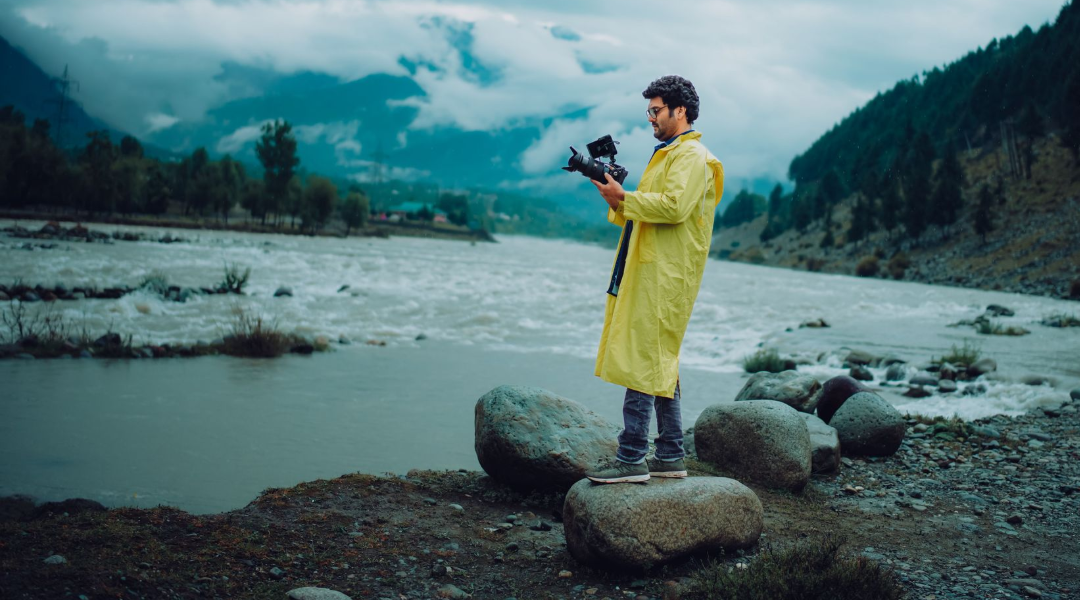
- Waterproof jacket for sudden rain
- Sturdy hiking shoes or boots
- Hat and sun protection
Dressing appropriately allows you to move quietly and safely in natural environments.
Protecting Gear from Humidity and Rain
Tropical environments can be challenging for camera equipment.
High humidity, sudden rain, and condensation can affect both cameras and lenses.
To protect your gear:
- Use waterproof camera bags
- Carry rain covers for cameras and lenses
- Store equipment with silica gel packs
- Keep gear dry during breaks and transport
Taking these precautions helps extend the life of your equipment and ensures consistent performance in the field.
Camera Settings for Colombian Conditions
Colombia’s diverse ecosystems require photographers to adapt their camera settings frequently.
In forest environments with low light, you may need:
- Higher ISO settings
- Wide apertures
- Faster shutter speeds for moving birds
In open environments such as wetlands:
- Lower ISO for cleaner images
- Faster shutter speeds for birds in flight
- Continuous autofocus for tracking movement
Understanding how to adjust settings quickly is key to capturing sharp and well-exposed images.
Packing Smart for Field Efficiency
Carrying too much gear can slow you down and reduce your ability to react quickly.
Efficient packing is essential for wildlife photography.
Consider:
- Bringing only essential lenses and accessories
- Using a comfortable, well-organized camera bag
- Keeping frequently used gear easily accessible
A lighter setup allows for better mobility and faster response times in the field.
Preparing for Long Days in the Field
Wildlife photography tours often involve early mornings, long walks, and extended periods outdoors.
Being prepared helps maintain focus and energy throughout the day.
Important items include:
- Water and snacks
- Insect repellent
- Sunscreen
- Small first-aid kit
Staying comfortable and prepared ensures that you can fully concentrate on photography.
Adapting Gear to Different Ecosystems
Colombia offers a variety of ecosystems, each requiring a slightly different approach.
For example:
- Cloud forests require fast lenses and low-light capability
- Wetlands allow for longer lenses and bird-in-flight photography
- Mountain regions may require weather protection and layered clothing
Understanding these differences helps photographers pack the right gear for each location.
Experience Colombia with Retorno Photo Tours
Retorno Photo Tours provides bird and wildlife photography experiences designed to help photographers get the most out of their gear in real field conditions.
Our tours are carefully planned to ensure access to exceptional locations while providing guidance on equipment use and field techniques.
When you join our tours, you benefit from:
- Expert advice on gear and camera settings
- Access to diverse bird photography environments
- Experienced guides who understand wildlife behavior
- Small groups for better photography opportunities
We welcome photographers of all levels who want to explore Colombia’s incredible bird diversity and improve their photography skills.
If you would like to learn more about our bird photography tours, we invite you to contact us through our website.
With the right gear and proper preparation, your bird photography journey in Colombia can be both productive and unforgettable.