
Understanding Bird Habitats in Colombia for Better Photography Outcomes
Understanding Bird Habitats in Colombia for Better Photography Outcomes
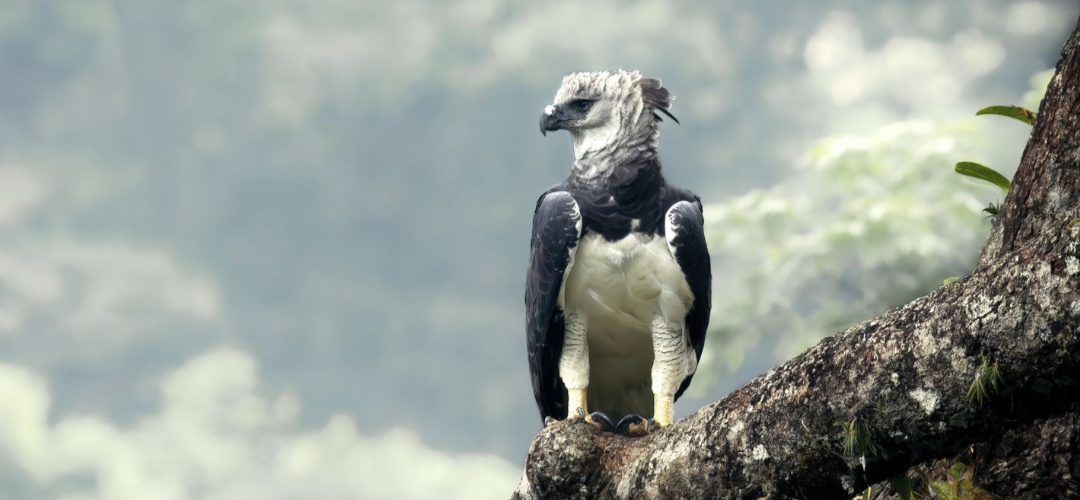
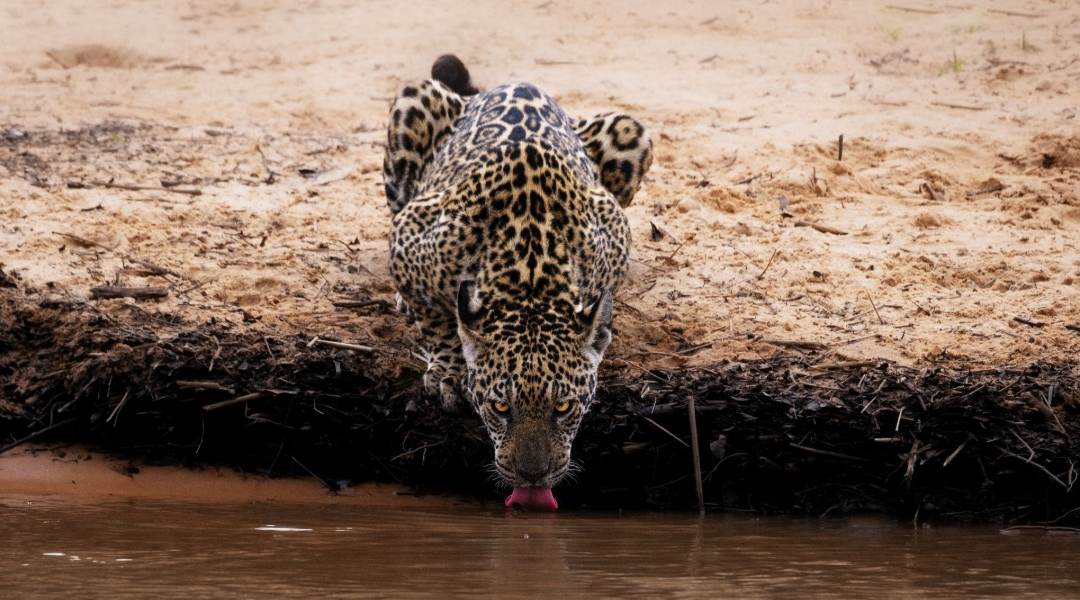
Colombia is one of the most rewarding destinations in the world for bird photography. With more bird species than any other country, it offers photographers an unmatched diversity of subjects, colors, and behaviors. However, success in bird photography here is not just about having the right camera or lens. It depends heavily on understanding where birds live and how they interact with their environments.
Different species thrive in different habitats, and each ecosystem presents unique opportunities and challenges. Photographers who understand these habitats can position themselves more effectively, anticipate behavior, and capture more natural and compelling images.
Why Habitat Knowledge Matters in Bird Photography
Birds are closely connected to their environments. Their feeding habits, movement patterns, and daily routines are shaped by the ecosystems they inhabit.
When photographers understand habitat types, they can:
- Predict where specific species are likely to be found
- Position themselves for better visibility and lighting
- Anticipate bird behavior and movement
- Increase the chances of successful encounters
Instead of searching randomly, photographers can work strategically, saving time and improving results.
Cloud Forests: A World of Color and Challenge
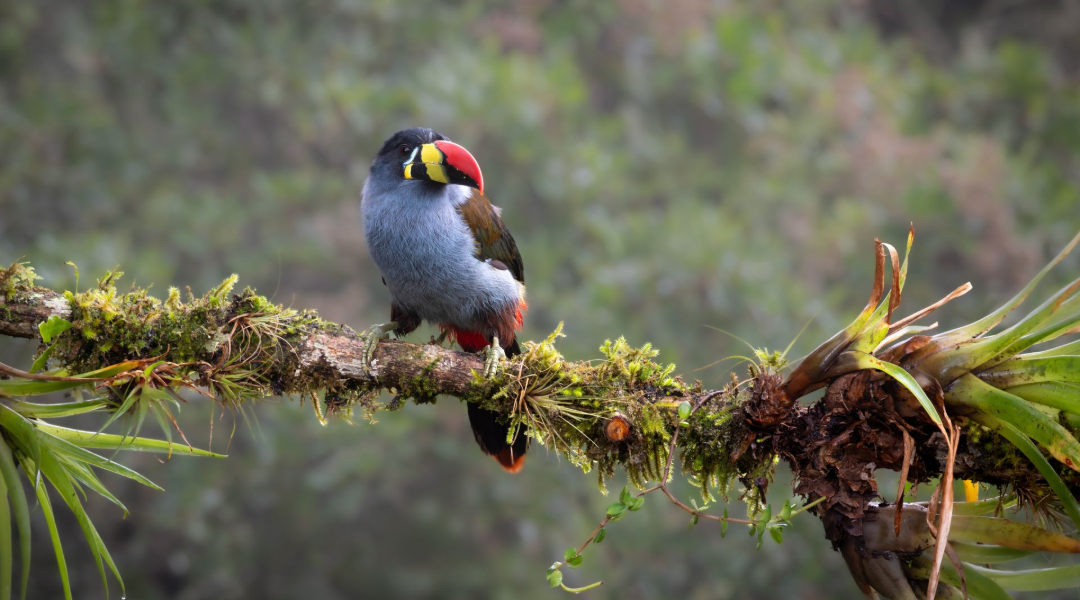
Cloud forests are among the most iconic bird photography locations in Colombia. These high-altitude forests are rich in biodiversity and home to many colorful and unique bird species.
Photographers in cloud forests often encounter:
- Hummingbirds feeding on flowers
- Tanagers and other brightly colored forest birds
- Species that move quickly through dense vegetation
However, these environments also present challenges:
- Low light conditions under dense canopy
- Moisture and mist affecting equipment
- Limited visibility due to thick foliage
To succeed here, photographers must use fast lenses, higher ISO settings, and quick reflexes. Patience and observation are essential.
Tropical Rainforests: Dense and Dynamic
Lowland tropical rainforests are incredibly rich ecosystems with a wide variety of bird species.
These forests are home to:
- Canopy-dwelling birds high above the ground
- Ground-dwelling species that move quietly through leaf litter
- Mixed flocks that travel together through the forest
Photographing in rainforests requires adapting to:
- Rapid movement and unpredictable bird behavior
- Layers of vegetation that can obstruct views
- Changing light conditions throughout the day
Understanding how birds use different forest layers helps photographers choose better positions and angles.
Wetlands and Rivers: Open Spaces and Action
Wetlands, rivers, and flooded areas provide a completely different photography experience compared to forests.
These habitats often feature:
- Birds gathering near water sources
- Wading birds and waterfowl in open areas
- Opportunities for birds in flight
Advantages of wetland photography include:
- Better lighting conditions
- Clearer backgrounds
- More predictable bird movement
These environments are ideal for capturing action shots, reflections, and behavioral interactions.
Mountain and High-Altitude Habitats
Colombia’s mountainous regions create unique environments where specialized bird species thrive.
High-altitude habitats often include:
- Open landscapes with scattered vegetation
- Species adapted to cooler climates
- Birds that are less common in lower elevations
Photographers working in these areas should be prepared for:
- Changing weather conditions
- Strong sunlight at higher elevations
- Physical challenges due to altitude
These environments offer rare photographic opportunities and dramatic natural backdrops.
Forest Edges and Transitional Zones
Some of the most productive bird photography locations are not deep inside forests but along their edges.
Transitional zones, where different habitats meet, often attract a wide variety of species.
These areas provide:
- Better light compared to dense forests
- Open perches for birds
- Increased activity as species move between habitats
Photographers can capture a mix of forest and open-area species in a single location.
Understanding Bird Behavior Within Habitats
Each habitat influences how birds behave.
For example:
- Birds in dense forests tend to move quickly and stay hidden
- Birds in open areas are often more visible and easier to track
- Species near water may show more predictable feeding patterns
By observing these behaviors, photographers can anticipate movement and prepare for the right moment.
This reduces missed opportunities and leads to more natural images.
Positioning for Better Photography Results
Habitat knowledge helps photographers choose the best positions in the field.
Key positioning strategies include:
- Placing yourself at eye level with the bird when possible
- Using natural perches for cleaner compositions
- Positioning based on light direction
- Avoiding cluttered backgrounds
Small adjustments in position can significantly improve image quality.
Adapting Gear and Techniques to Each Habitat
Different habitats require different approaches in both gear and technique.
For example:
- Cloud forests require fast lenses and low-light settings
- Wetlands allow for faster shutter speeds and flight photography
- Rainforests require quick autofocus and patience
Understanding these differences allows photographers to prepare in advance and react quickly in the field.
The Role of Local Guides in Habitat Understanding
Local guides are essential for understanding bird habitats in Colombia.
Their experience allows them to:
- Identify productive locations within each habitat
- Recognize bird calls and activity
- Guide photographers to the best positions
- Ensure ethical and responsible observation
Working with knowledgeable guides helps photographers make the most of every environment they visit.
Experience Colombia’s Habitats with Retorno Photo Tours
Retorno Photo Tours offers bird and wildlife photography experiences across Colombia’s most diverse ecosystems.
Our tours are designed to help photographers understand and work within different habitats to achieve the best possible results.
When you join our tours, you benefit from:
- Access to cloud forests, wetlands, and tropical environments
- Experienced guides who understand bird habitats and behavior
- Small group sizes for better positioning and observation
- Ethical photography practices that protect wildlife
We welcome photographers from around the world who want to explore Colombia’s incredible bird diversity.
If you would like to learn more about our tours, we invite you to contact us through our website.
By understanding bird habitats and adapting your approach, you can transform your wildlife photography experience and capture more meaningful, high-quality images in Colombia.