
Ethical Photography Guidelines Every Nature Photographer Should Follow
Ethical Photography Guidelines Every Nature Photographer Should Follow
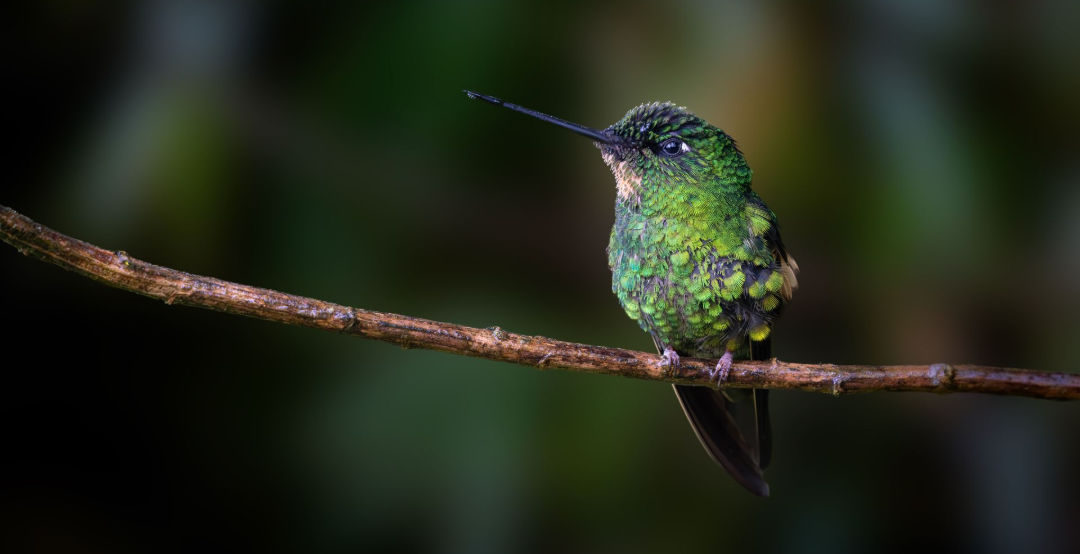
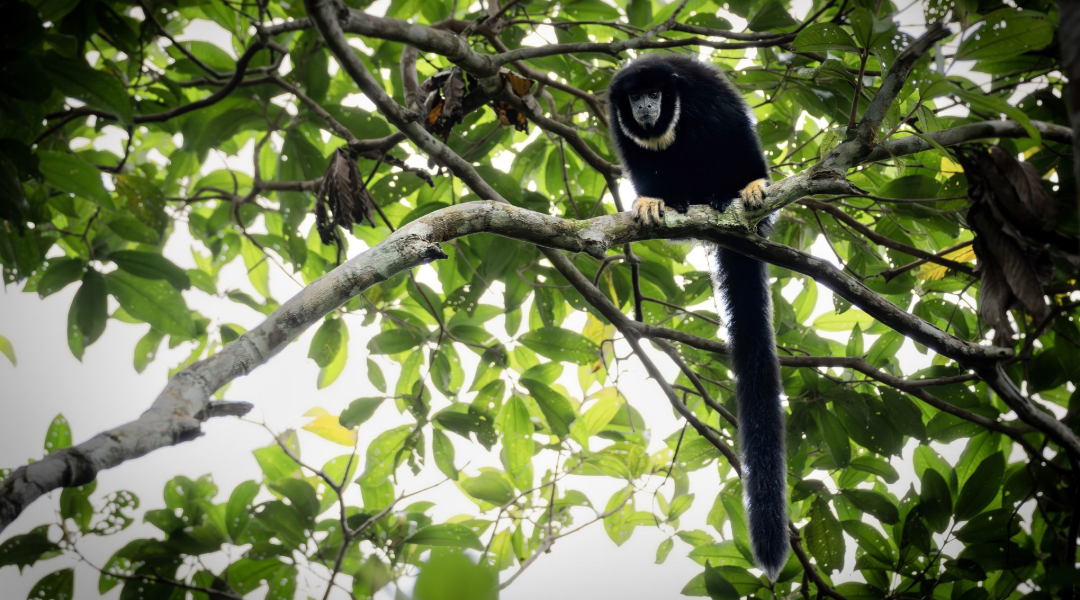
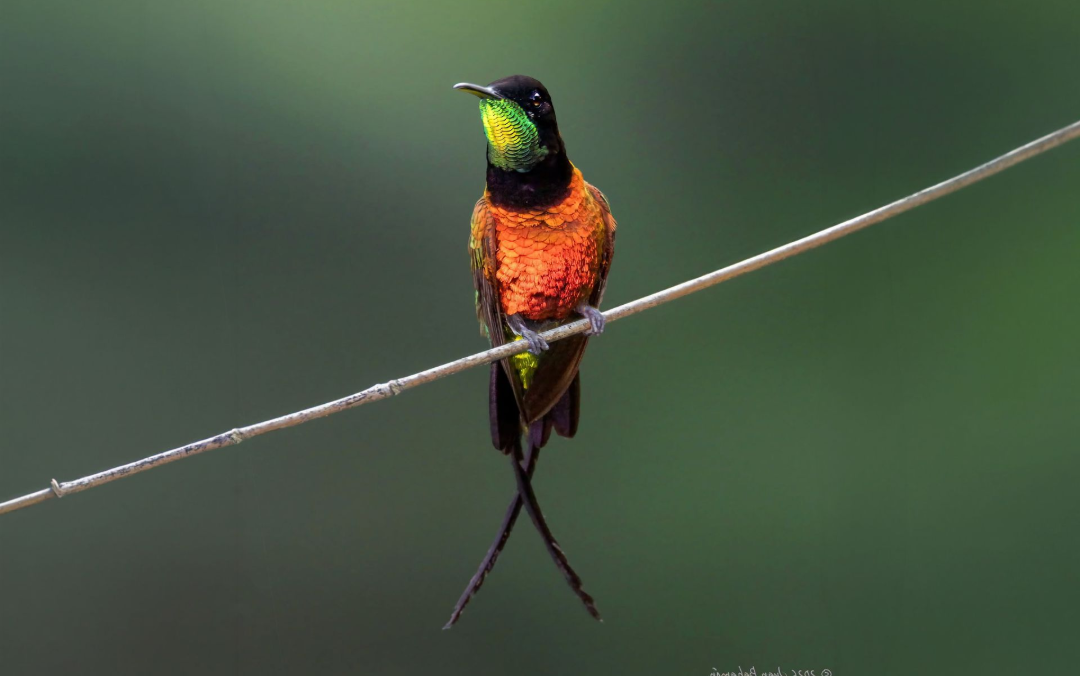
Nature and wildlife photography offer the chance to capture some of the most beautiful and meaningful moments in the natural world. From colorful birds in tropical forests to rare mammals in remote habitats, every encounter is a privilege.
However, with this privilege comes responsibility. Ethical photography is essential to protect wildlife, preserve ecosystems, and ensure that future generations can continue to experience the same natural beauty.
For photographers joining photo wildlife tours or exploring nature independently, following ethical guidelines is not optional. It is a core part of being a responsible photographer.
Respect Wildlife at All Times
The most important rule in wildlife photography is simple: the well-being of the animal always comes first.
No photograph is worth causing stress or harm to wildlife. Animals should never be disturbed, chased, or manipulated for the sake of an image.
Photographers should always:
- Keep a safe and respectful distance
- Allow animals to behave naturally
- Avoid blocking movement or escape routes
- Never attempt to touch or feed wildlife
When animals feel safe, they behave naturally, which often leads to more authentic and powerful photographs.
Avoid Disturbing Nesting and Breeding Behavior
Birds and other animals are especially sensitive during nesting and breeding periods.
Disturbance at this stage can cause animals to abandon nests or young, which can have serious consequences for their survival.
Photographers should:
- Stay well away from nests and nesting sites
- Avoid repeated visits to sensitive locations
- Never use sound playback or baiting to attract birds during breeding
Respecting these critical life stages is essential for ethical wildlife photography.
Do Not Use Baiting or Manipulation
Using food, sounds, or other methods to manipulate wildlife behavior is generally discouraged in ethical photography.
While these practices may create easy photographic opportunities, they can negatively affect natural behavior and disrupt ecosystems.
Instead, photographers should focus on:
- Observing natural behavior
- Waiting patiently for authentic moments
- Learning how species interact with their environment
Natural encounters often result in more meaningful and visually compelling images.
Minimize Your Environmental Impact
Photographers should always be aware of their impact on the environment.
Fragile ecosystems can be easily damaged by careless movement or large groups.
To reduce impact:
- Stay on designated trails whenever possible
- Avoid trampling vegetation
- Carry out all waste
- Keep noise levels low
Small actions can make a big difference in protecting natural habitats.
Use Flash Responsibly
Flash photography can be useful in certain situations, especially in low-light environments. However, it must be used carefully.
Some animals, particularly nocturnal species and birds, can be sensitive to sudden bursts of light.
Photographers should:
- Avoid repeated flash use on the same subject
- Observe how animals react to light
- Turn off flash if it appears to cause stress
Responsible use of lighting ensures that animals are not negatively affected during photography sessions.
Follow the Guidance of Local Experts
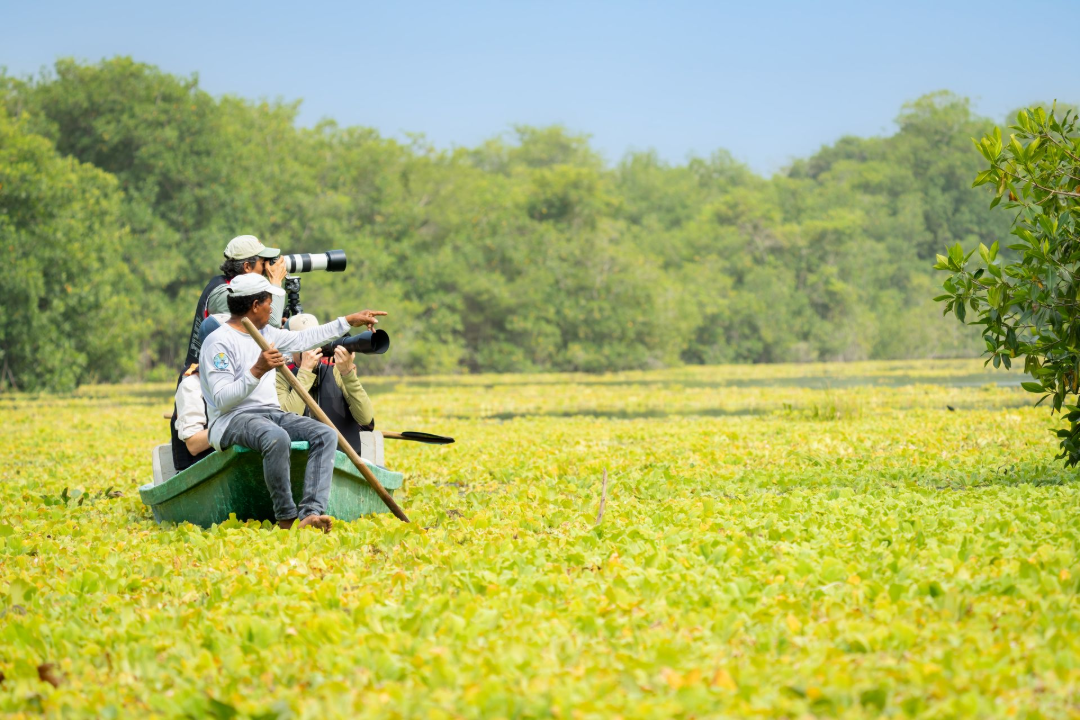
When photographing wildlife in unfamiliar locations, local guides play a critical role in ensuring ethical practices.
Experienced guides understand the behavior of local species and the sensitivity of different habitats.
Photographers should always:
- Follow guide instructions
- Respect local regulations and protected areas
- Trust the guide’s judgment when approaching wildlife
Guides help maintain a balance between photography opportunities and wildlife protection.
Keep Group Sizes Small and Controlled
Large groups of photographers can create noise, movement, and pressure on wildlife.
Smaller groups are more effective for both photography and conservation.
They allow:
- Quiet observation of animals
- Less disturbance in natural habitats
- Better positioning for photographers
Responsible tour operators often limit group sizes to ensure a more ethical and productive experience.
Be Patient and Let Nature Lead
Ethical wildlife photography requires patience.
Instead of forcing situations, photographers should allow nature to unfold naturally.
Waiting quietly and observing behavior often leads to more genuine and rewarding moments.
Patience not only improves photography results but also reduces stress on wildlife.
Support Conservation Through Responsible Tourism
Choosing ethical wildlife photography tours helps support conservation efforts and local communities.
Responsible tourism contributes to:
- Protection of natural habitats
- Employment for local guides and communities
- Long-term sustainability of wildlife areas
By supporting ethical tours, photographers become part of a system that values conservation and responsible travel.
Educate and Inspire Others
Wildlife photographers have the power to influence how others see and interact with nature.
Sharing ethical practices is an important part of this responsibility.
Photographers can:
- Promote responsible behavior through their work
- Avoid sharing images that were created unethically
- Encourage others to respect wildlife and nature
Photography can inspire conservation when it is done responsibly.
Experience Ethical Wildlife Photography with Retorno Photo Tours
Retorno Photo Tours is committed to ethical wildlife photography and responsible nature tourism.
Our tours are designed to provide photographers with exceptional opportunities while protecting the environments we visit.
When you join our tours, you can expect:
- Strong ethical photography guidelines
- Experienced guides who prioritize wildlife welfare
- Small groups for low-impact observation
- A focus on conservation and sustainability
We welcome photographers from around the world who want to capture incredible wildlife images while respecting nature.
If you would like to learn more about our tours, we invite you to contact us through our website.
By following ethical photography guidelines, every photographer can help protect wildlife and ensure that these extraordinary natural experiences continue for generations to come.