
Keeping Nature Tours: Lessons Learned From Experienced Photographers and Guides
Keeping Nature Tours: Lessons Learned From Experienced Photographers and Guides
Wildlife photography tours are about much more than capturing beautiful images. They are immersive experiences that bring photographers closer to nature, deepen their understanding of ecosystems, and create lasting memories in some of the most biodiverse regions on Earth.
Over the years, experienced photographers and professional guides have learned valuable lessons from working in the field. These insights shape what are now known as keeping nature tours—photography experiences that balance creativity, conservation, and responsible travel.
For photographers planning to join a wildlife tour, understanding these lessons can make the difference between simply taking photos and truly experiencing nature.
Nature Always Comes First
One of the most important lessons from experienced guides is that nature must always come before photography.
No image is worth disturbing wildlife or damaging habitats. Ethical decisions in the field are not optional; they are essential.
Photographers learn to:
- Respect wildlife boundaries
- Avoid interrupting natural behavior
- Accept that not every moment can be captured
This mindset not only protects ecosystems but also creates a more meaningful and respectful photography experience.
Patience Leads to Better Images
Wildlife photography is often about waiting.
Experienced photographers understand that the best moments happen when they allow nature to unfold naturally. Rushing or chasing subjects usually leads to missed opportunities.
Instead, successful photographers:
- Observe quietly for long periods
- Wait for animals to feel comfortable
- Anticipate behavior rather than react
Patience often results in more authentic and powerful images.
Observation Is More Important Than Movement
Beginners often move too much in search of wildlife. However, experienced photographers know that staying still and observing carefully is far more effective.
Animals are more likely to appear when the environment feels calm and undisturbed.
Guides often encourage photographers to:
- Choose a productive location and wait
- Watch for subtle signs of movement
- Listen for bird calls and environmental cues
This approach increases the chances of meaningful encounters.
Light Is Everything in Photography
Lighting plays a critical role in wildlife photography.
Experienced photographers plan their sessions around natural light conditions rather than trying to force images in poor light.
They understand:
- Early morning offers soft and balanced light
- Late afternoon creates warm tones and depth
- Harsh midday light can reduce image quality
Guides help position photographers to make the most of available light, improving the overall quality of their images.
Small Details Make a Big Difference
In the field, small adjustments can transform a photograph.
Experienced photographers pay attention to:
- Background cleanliness
- Subject positioning
- Camera angle and perspective
- Light direction
Guides often provide subtle suggestions that help photographers refine these details in real time.
Learning to notice and adjust these elements is a key part of improving photography skills.
Every Ecosystem Requires a Different Approach
Not all environments are the same, and experienced guides understand how to adapt techniques to each ecosystem.
For example:
- Dense forests require fast lenses and quick focusing
- Wetlands allow for wider compositions and reflections
- Mountain environments may involve changing weather conditions
Photographers learn to adjust their approach based on the environment, making them more versatile in the field.
Ethical Photography Builds Long-Term Opportunities
Respecting wildlife does more than protect nature—it also creates better photography opportunities over time.
Animals that are not disturbed are more likely to remain in an area and behave naturally.
Experienced guides emphasize:
- Maintaining safe distances
- Avoiding stress to animals
- Keeping group sizes small
These practices ensure that locations remain productive for future tours and photographers.
Working as a Team Improves the Experience
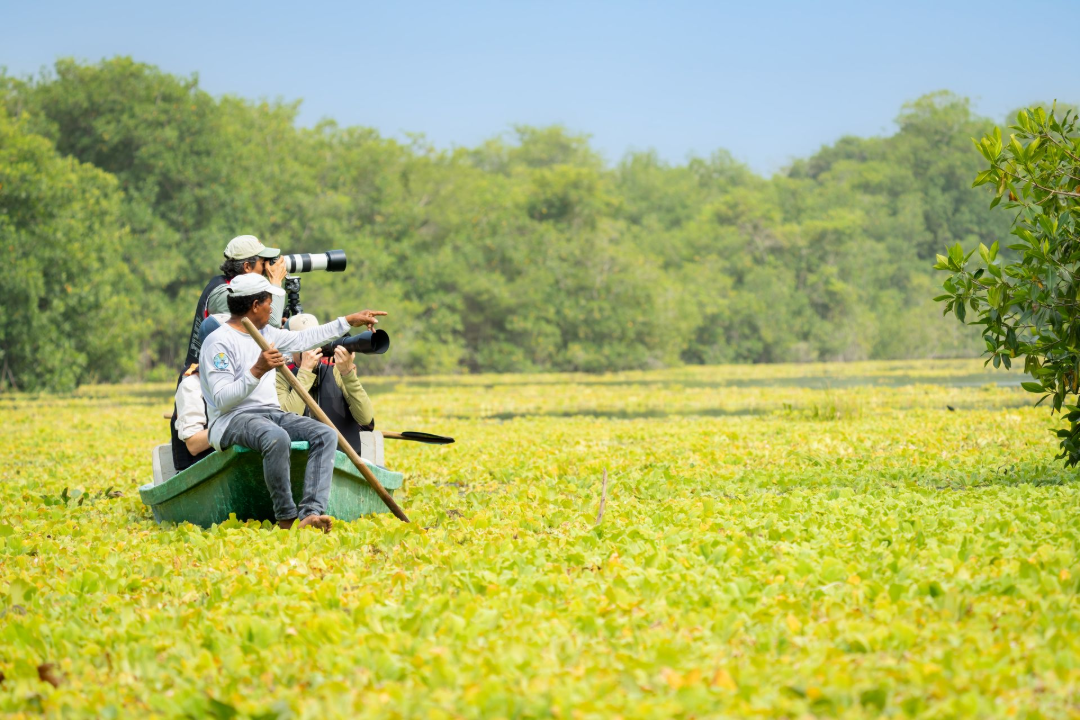
Wildlife photography tours are often shared experiences.
Photographers and guides work together to locate wildlife, manage movement, and create opportunities for everyone.
Teamwork includes:
- Taking turns when photographing a subject
- Sharing information about wildlife sightings
- Respecting each other’s space and timing
A cooperative approach leads to a more enjoyable and productive experience for all participants.
Learning Never Stops in the Field
Even experienced photographers continue to learn with every tour.
Each environment, species, and situation presents new challenges and opportunities.
Guides also continue to refine their knowledge by observing wildlife over time.
This shared learning environment benefits everyone involved, from beginners to advanced photographers.
Conservation Is Part of Every Tour
Keeping nature tours are built on the idea that photography should support conservation.
By following responsible practices, photographers contribute to:
- Protecting natural habitats
- Supporting local communities
- Promoting awareness of biodiversity
Many photographers leave these tours with a deeper appreciation for conservation and a stronger connection to the natural world.
Experience Keeping Nature Tours with Retorno Photo Tours
Retorno Photo Tours offers wildlife photography experiences designed around the principles of keeping nature tours.
Our approach combines expert guidance, ethical photography practices, and access to exceptional wildlife locations.
When you join our tours, you benefit from:
- Experienced guides who understand wildlife behavior
- Carefully selected locations that support conservation
- Small groups for low-impact photography
- A strong focus on ethical and responsible practices
We welcome photographers from around the world who want to experience nature in a respectful and meaningful way.
If you would like to learn more about our tours, we invite you to contact us through our website.
By following the lessons learned from experienced photographers and guides, every wildlife photography tour becomes an opportunity to grow, connect with nature, and capture truly unforgettable images.