
Developing Photography Skills in the Field With Professional Guidance
Developing Photography Skills in the Field With Professional Guidance
Wildlife and bird photography are skills that go far beyond camera settings and equipment. While technical knowledge is important, real growth as a photographer happens in the field where light changes constantly, wildlife behaves unpredictably, and every moment presents a new challenge.
For photographers looking to improve quickly and effectively, working with professional guidance during field-based photography tours can make a significant difference. Learning directly in natural environments, alongside experienced guides, allows photographers to develop both technical ability and creative vision in ways that are difficult to achieve alone.
Learning Beyond Theory
Many photographers begin their journey by studying tutorials, watching videos, or practicing locally. While these methods are helpful, they cannot fully replicate the complexity of real-world wildlife photography.
In the field, photographers must respond to:
- Rapid changes in light and weather
- Fast-moving subjects such as birds in flight
- Unpredictable wildlife behavior
- Challenging environments like forests or wetlands
Professional guidance bridges the gap between theory and practice. Instead of guessing what to do, photographers receive immediate direction and feedback in real time.
This hands-on learning approach accelerates improvement and builds confidence.
Mastering Camera Settings in Real Situations
Understanding camera settings is essential, but applying them correctly in the field is what truly matters.
Professional guides help photographers adjust settings based on real conditions, including:
- Shutter speed for freezing motion
- Aperture for depth of field and subject isolation
- ISO for low-light environments
- Autofocus modes for moving subjects
Instead of relying on fixed settings, photographers learn how to adapt quickly to changing situations.
This practical experience makes it easier to handle challenging conditions such as dense forests or fast bird movement.
Improving Composition and Creativity
Great wildlife photography is not just about capturing a subject. It is about creating a visually compelling image.
In the field, professional guidance helps photographers refine their composition by focusing on:
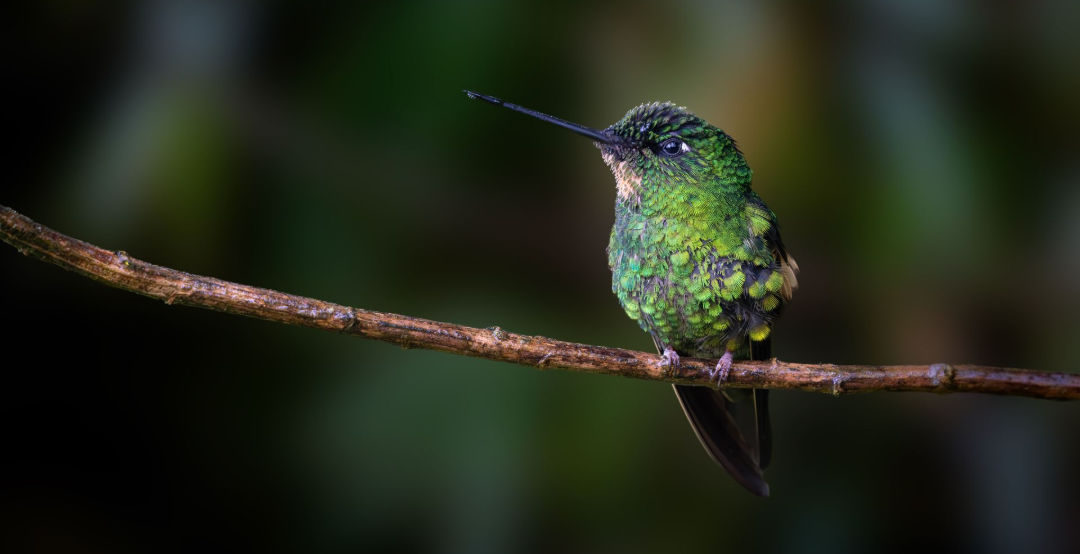
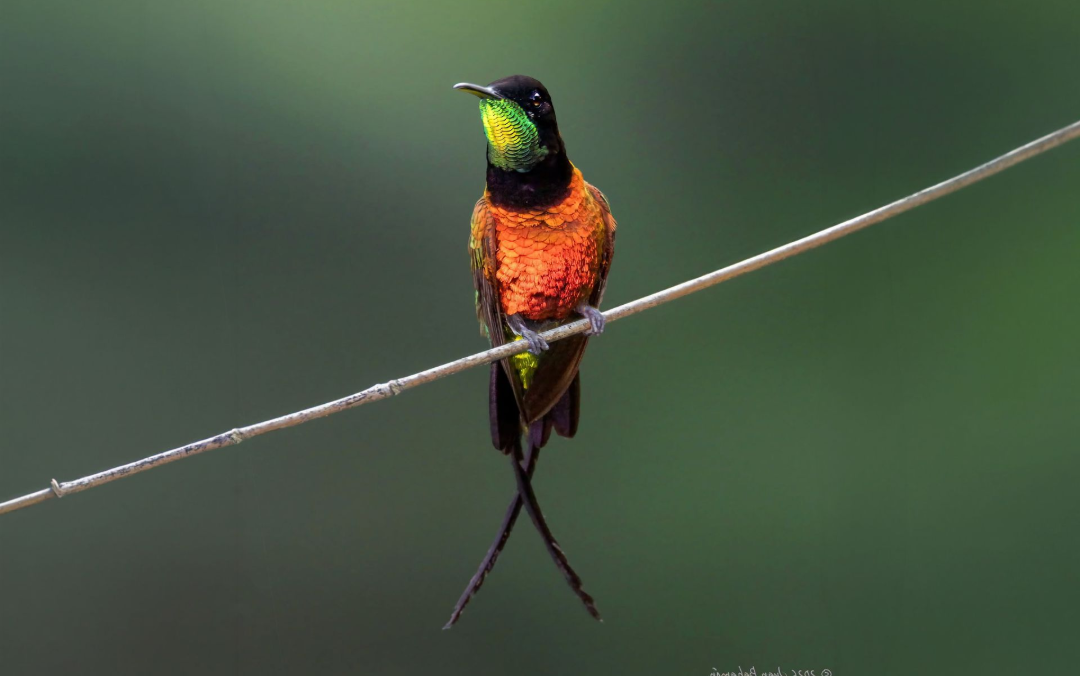
- Clean backgrounds that highlight the subject
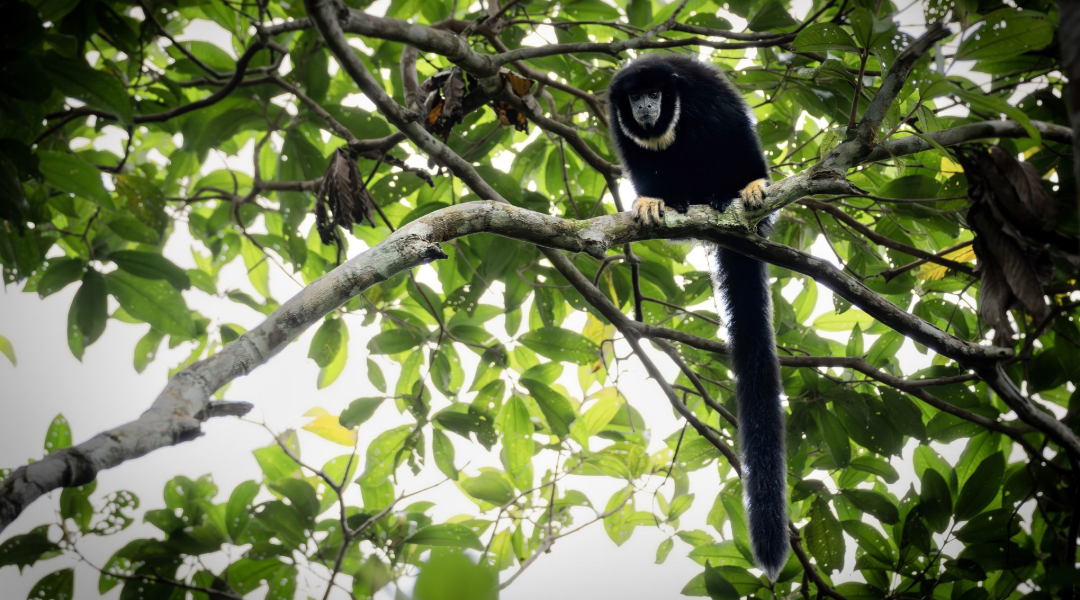
- Natural framing using branches or foliage
- Balanced positioning within the frame
- Use of light and shadow for visual impact
Guides often suggest small adjustments in position or angle that can transform an average image into a strong one.
Learning to see these details in real time is one of the most valuable skills a photographer can develop.
Understanding Wildlife Behavior
One of the most important aspects of wildlife photography is understanding how animals behave.
Professional guides bring years of experience observing wildlife in natural habitats. They help photographers recognize patterns such as:
- Where birds are likely to perch
- When animals are most active
- How species interact with their environment
- Signs that indicate movement or activity
This knowledge allows photographers to anticipate moments rather than react too late.
As a result, photographers can capture more natural and dynamic images.
Learning Patience and Observation
Wildlife photography often requires waiting. Animals may take time to appear, and the best moments cannot be forced.
Professional guidance teaches photographers the value of patience and observation.
Instead of constantly moving, photographers learn to:
- Stay still and let wildlife come to them
- Observe behavior before taking a shot
- Wait for the right light and composition
This approach not only improves image quality but also creates a more relaxed and respectful interaction with nature.
Adapting to Different Environments
Field-based photography tours often include a variety of ecosystems, each with its own challenges.
Photographers may work in:
- Cloud forests with low light and dense vegetation
- Wetlands with open views and reflective surfaces
- Tropical forests with complex layers of foliage
- Mountain environments with changing weather
Professional guides help photographers adapt their techniques to each environment.
Learning to work effectively in different conditions builds versatility and confidence.
Real-Time Feedback and Improvement
One of the biggest advantages of professional guidance is immediate feedback.
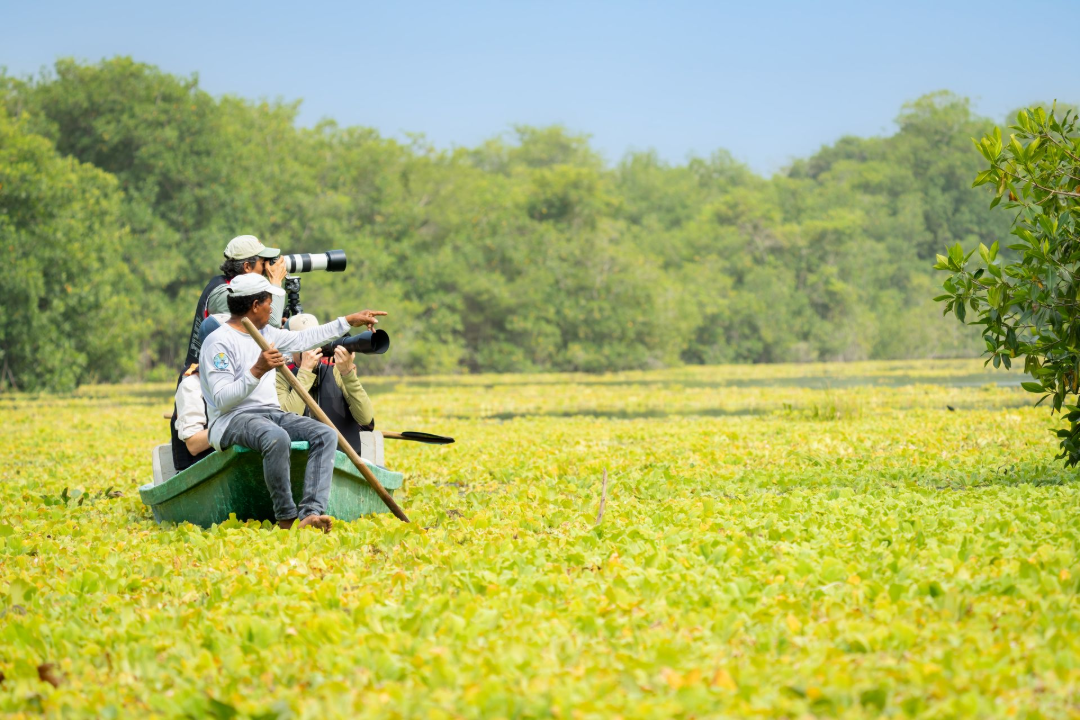
Instead of waiting until after a shoot to review images, photographers receive suggestions and corrections while they are actively working.
This may include:
- Adjusting camera settings for better exposure
- Changing position for improved composition
- Timing shots to capture better behavior
- Avoiding common mistakes in the field
This continuous feedback loop allows photographers to improve quickly and consistently.
Building Confidence in the Field
Confidence is a key factor in successful photography.
Photographers who feel unsure may hesitate, miss opportunities, or struggle to adapt to changing situations.
Working with experienced guides helps build confidence by:
- Providing clear direction and support
- Creating a structured learning environment
- Encouraging experimentation and creativity
As photographers gain experience and see improvements in their images, their confidence naturally grows.
Developing an Ethical Approach to Photography
Professional guidance also reinforces the importance of ethical wildlife photography.
Photographers learn how to:
- Maintain safe distances from animals
- Avoid disturbing natural behavior
- Respect sensitive habitats
- Follow responsible photography practices
Ethical behavior not only protects wildlife but also leads to more authentic and meaningful images.
Experience Skill Development with Retorno Photo Tours
Retorno Photo Tours offers wildlife photography experiences designed to help photographers improve their skills in real field conditions.
Our tours combine expert guidance, carefully selected locations, and a strong focus on ethical photography practices.
When you join our tours, you benefit from:
- Hands-on learning in diverse wildlife environments
- Experienced guides who provide real-time feedback
- Small group sizes for personalized attention
- Opportunities to photograph a wide range of species
We welcome photographers of all skill levels who want to develop their abilities while exploring the incredible biodiversity of Colombia and South America.
If you would like to learn more about our photography tours, we invite you to contact us through our website.
With professional guidance in the field, every photography session becomes an opportunity to learn, improve, and capture unforgettable images.