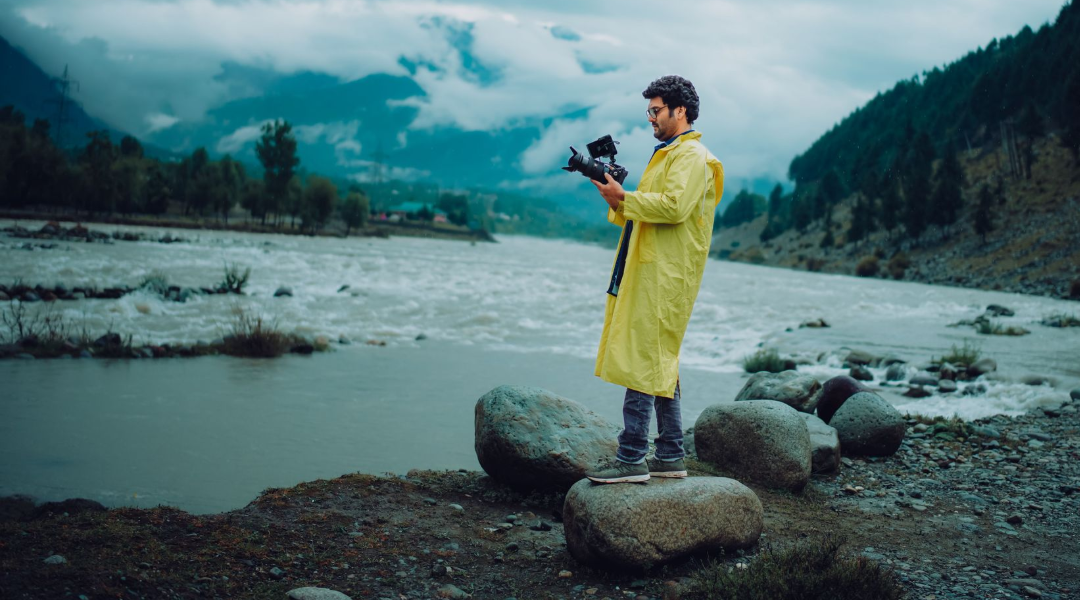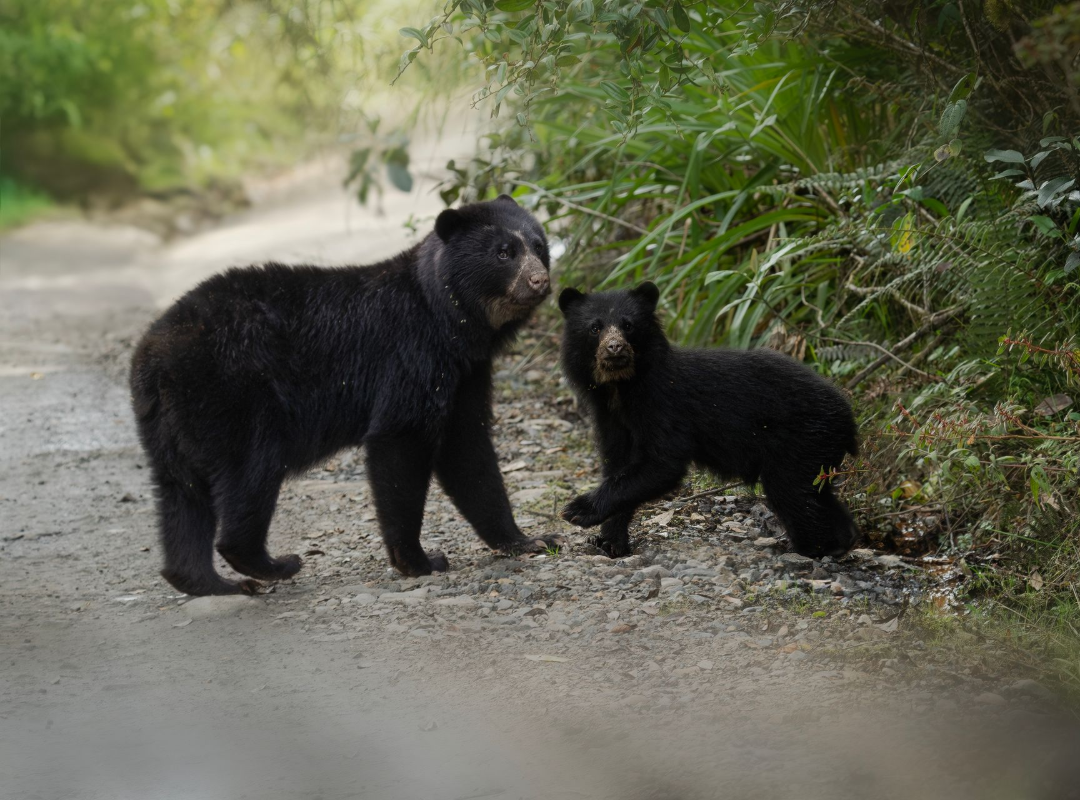

The Best Photo Hides for Bird and Wildlife Photography in Colombia
Best Photo Hides for Bird and Wildlife Photography in Colombia
A hide in Colombia is rarely just a wooden blind facing a feeder. It might be a carefully placed chair beneath an Andean flowering garden, a ground-level forest setup for an antpitta, or a covered platform overlooking a Llanos waterhole at first light. If you're searching for the best photo hides for bird and wildlife photography in Colombia, that variety is the opportunity, and it's also why local knowledge matters so much.
The best photo hides in Colombia aren't concentrated in one standardized network. They're spread across private reserves, family-run lodges and community projects, and the right one depends on your target species and the kind of image you want: hummingbirds in the Andes, antpittas near Manizales, rainforest color in the Chocó, or wildlife behavior in the Amazon and the Llanos.
Colombia holds more bird species than any other country, yet its photographic hides don't follow one polished template. Quality shifts with the season, the target species, recent weather, feeder activity and forest fruiting cycles. It also depends on the patience to let natural behavior unfold.
What Makes a Colombian Photo Hide Worth Your Time?
The best hide isn't necessarily the one with the longest species list. For serious photographers, a productive setup offers clean sightlines, natural-looking perches, manageable backgrounds, reliable subject activity, and enough time to work a scene instead of rushing through it.
Distance matters just as much. Colombia's small, fast-moving birds reward close, ethical access. A hummingbird setup that lets you fill the frame with a 300mm or 400mm lens can be far more useful than a distant viewpoint where even a 600mm leaves the bird small. For forest species, an eye-level angle and a dark, uncluttered background often count for more than a huge number of birds.
Conditions shape the day too. Mountain hides can be cool and wet, with changeable light and frequent mist. Lowland sites tend to be hot, humid and full of insects. A good hide gives you a practical working position, protection for your gear when rain arrives, and enough room to use a tripod or gimbal head without disturbing the photographer next to you.
Andean Hummingbird Gardens and Feeder Hides
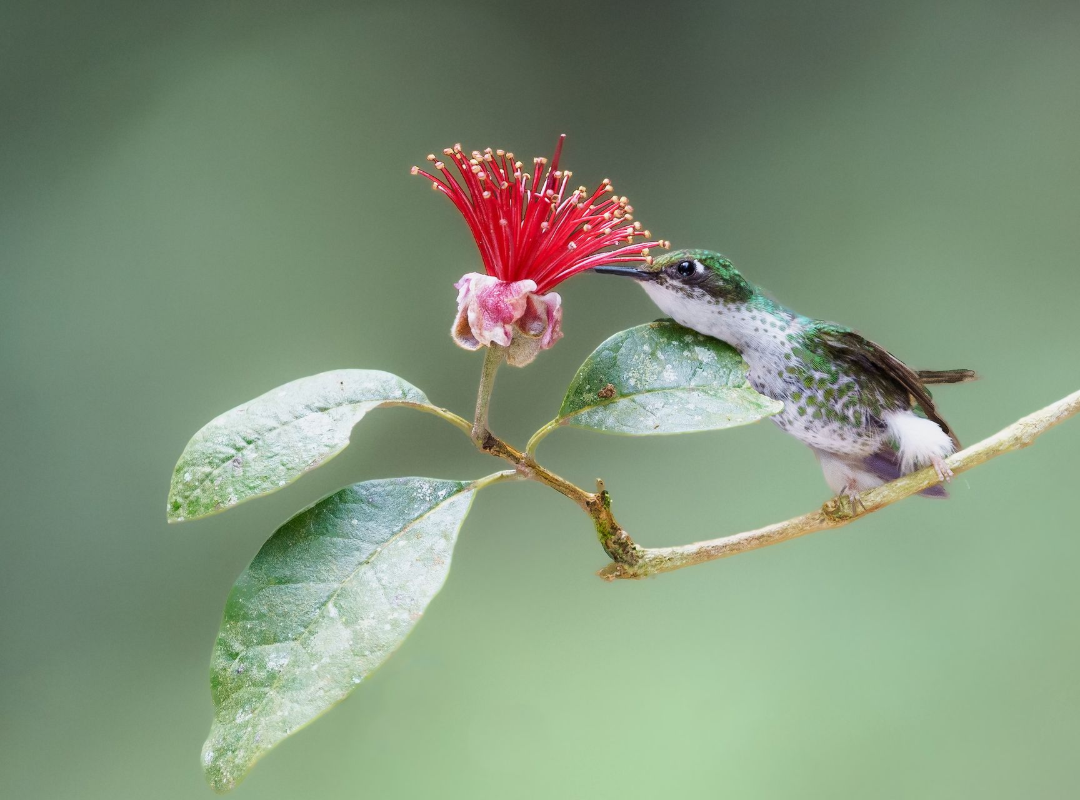
The central and western Andes are among the country's most reliable regions for close hummingbird photography. Where cloud forest meets gardens and forest edges, carefully maintained nectar stations draw a rich mix of species. Depending on the location, that can include coquettes, coronets, thorntails, mountain-gems and endemic or near-endemic hummingbirds.
The strongest setups place natural perches near the feeders, so your images don't look like feeder photographs. Background distance is crucial. A perch several feet in front of deep vegetation can give you the soft, luminous color separation that makes a hummingbird image feel finished rather than documentary.
These hides suit photographers who want to work deliberately with flash, high shutter speeds or natural backlight. Flash can reveal wing detail and iridescence, but it needs a controlled setup, restrained power and real consideration for the birds. In soft mountain light, natural-light flight images are possible too, though good high-ISO performance becomes very valuable.
Río Blanco and High-Andean Forest Setups
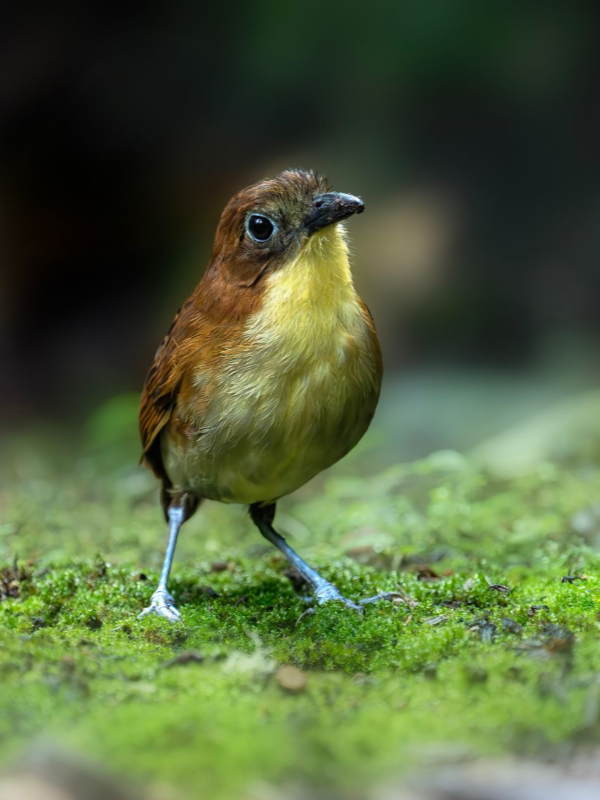
The forests around Río Blanco, near Manizales, are internationally known for close encounters with elusive Andean birds. It's one of Colombia's classic destinations for antpitta photography, with opportunities that can include Brown-banded, Slate-crowned and Chestnut-naped antpittas, among others, depending on access and conditions.
Antpitta work is a different discipline from hummingbirds. The reward is a bird on the forest floor, often at eye level, surrounded by moss, leaf litter, ferns and deep green shadow. The challenge is low light. A fast lens, steady support and comfort at higher ISO will serve you far better than chasing shutter speed.
Ethics need particular care at these sites. Feeding has helped make some shy species visible, but it has to be managed responsibly and in moderation, and never at the expense of a bird's natural behavior or welfare. Choose operators and reserves that protect habitat, limit disturbance and give birds space instead of turning every encounter into a performance.
Chocó Rainforest Hides for Color and Rarity
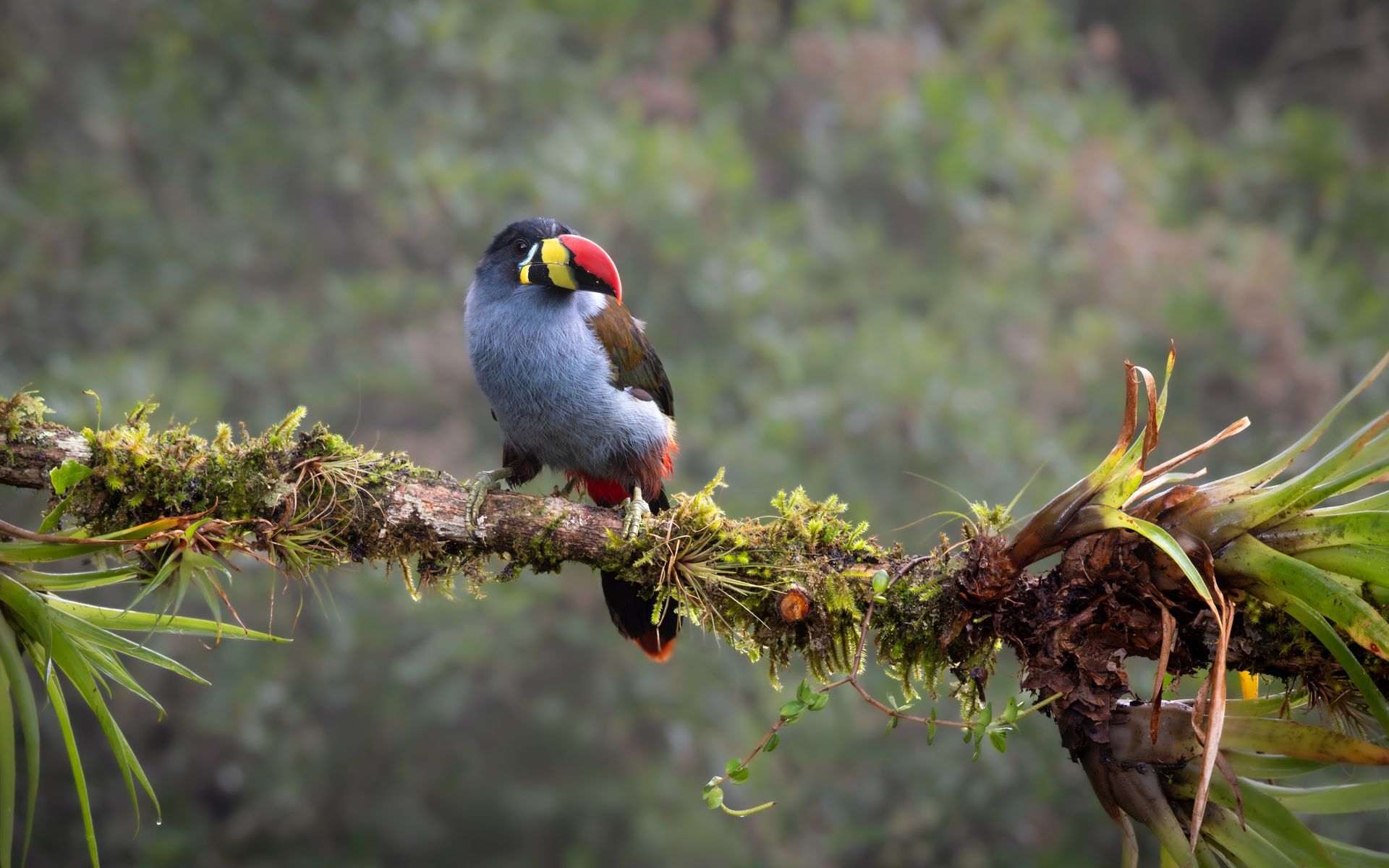
The Chocó is a different visual world: saturated greens, heavy rain, giant leaves, and a bird community full of regional specialties. Rainforest lodges and community-based reserves can offer perch setups, feeding stations, canopy viewpoints and forest-edge hides for tanagers, toucans, barbets, aracaris and hard-to-find Chocó endemics.
Don't expect studio consistency here. Rain can close in fast, paths get muddy, and activity often arrives in intense, unpredictable bursts. That unpredictability is part of the appeal, though. When a colorful tanager lands on a rain-darkened branch or a toucan comes through the mist, the atmosphere is unmistakably this region's.
A weather-sealed camera body, a rain cover, microfiber cloths and dry bags are essential. Plan enough time, too. One morning rarely tells the story of a Chocó forest.
Amazonian Canopy, River-Edge and Forest Blinds
In the Colombian Amazon, hides are often less about constant bird traffic and more about placing yourself inside a living ecosystem. River-edge platforms can produce kingfishers, herons, hoatzins, macaws and primates. Forest blinds may focus on understory birds, visiting mammals, or the quiet chance of something unexpected.
Amazon photography rewards patience and a flexible subject list. You might arrive hoping for parrots and leave with your favorite image of a tamarin, a caiman in reflected light or a butterfly-covered riverbank. Longer focal lengths stay useful for birds, but a 70-200mm or 100-400mm lens is worth packing for environmental compositions, primates and close subjects around camp.
The best Amazonian hide experiences are tied to guides who understand daily wildlife movement, river levels, Indigenous and local community protocols, and the practical timing of boat travel. A hide is only as productive as the knowledge behind where it sits.
Llanos Waterholes and Open-Country Blinds
Colombia's eastern plains are the opposite of cloud forest: open skies, warm light, wetlands, gallery forest and a real sense of scale. Waterhole and riverbank blinds can offer jabirus, herons, egrets, kingfishers, ibises, capybaras and caimans, plus other iconic Llanos wildlife with the right timing and location.
These are excellent settings if you enjoy behavioral images. Birds bathing, reptiles basking, mammals coming to drink and raptors working open country can all beat a static portrait. Early morning is usually the prime window, when the light is low, temperatures are kinder and wildlife is active.
The trade-off, compared with dense forest hides, is exposure. Shade is limited, heat builds quickly, and long lenses can shimmer in the midday haze. Bring sun protection, water and a lens hood, and lean on dawn and late afternoon instead of forcing the middle of the day.
How to Choose the Right Hide for Your Photography
Start with the images you want, not just a list of target species. If crisp hummingbird flight is the goal, choose a controlled Andean setup with room for lights and supports. For atmospheric forest portraits, an antpitta or understory hide may suit you better. If behavior, mammals and broad habitat scenes matter most, the Llanos or the Amazon can offer more variety.
Ask practical questions before you commit to a location:
- Is the setup designed for photographers, or mainly for birdwatchers?
- Can you stay in place for several hours?
- Are natural perches maintained?
- Is there room for a tripod?
- How close are subjects likely to be, and which lens fits?
- Is flash permitted, or even advisable?
A trustworthy local operator should answer these directly rather than promise impossible certainty.
Group size matters too. A productive hide turns frustrating when too many photographers compete for one angle. Small groups leave room to adjust your composition, work quietly, and wait for the moment when a bird lands exactly where the light and background come together.
Ethical Access Creates Better Images
The finest wildlife images carry respect for the animal and the place. In Colombia, many hide opportunities exist because rural families, reserve staff and local communities have chosen conservation as a livelihood. That relationship deserves care, and it's the reason Retorno works with a network of 275+ local reserve owners who handle on-site photography access and share real-time species updates.
Avoid setups that crowd nesting birds, overuse calls, push animals into repeated approaches, or use bait in ways that change behavior. Respect quiet periods, follow your guide's instructions, and accept that sometimes the most ethical choice is to step back. A missed frame is never a failure if it protects the subject.
At Retorno Photo Tours, we build photographic itineraries around meaningful access, informed local guidance and enough time in the field for genuine encounters. The payoff is a stronger portfolio and a closer connection to how Colombia's wildlife actually lives.
Bring the lens that fits your target, protect it from rain and dust, and arrive ready to wait. In the right Colombian hide, patience is often what turns a promising sighting into the photograph you traveled for.
Frequently Asked Questions
- What are the best photo hides for bird photography in Colombia?
The best hide depends on your target and your style: Andean hummingbird gardens for close flight images, Río Blanco for antpittas, the Chocó for colorful rainforest species, and the Amazon and Llanos for river and wetland behavior. Colombia has no single ranked network, so a local operator's current knowledge counts for a lot.
2. What lens do I need for photo hides in Colombia?
A 300mm or 400mm lens is often ideal for hummingbird and close feeder setups, while a 600mm helps with distant canopy birds and shy mammals. A 70-200mm or 100-400mm zoom is worth packing too, especially in the Amazon for primates and environmental compositions.
3. Is flash allowed at hummingbird hides in Colombia?
It depends on the site, so ask before you book. Flash can bring out wing detail and iridescence, but it needs a controlled setup, restrained power and consideration for the birds, and some locations prefer natural light.
4. Is it ethical to photograph birds at feeding stations?
It can be, when the site is managed responsibly. Look for operators who feed in moderation, protect habitat, avoid crowding nesting birds, limit call playback and give birds space, and who put the animal's welfare ahead of the photograph.
5. What is the best time of day to use a hide in the Llanos?
Early morning is usually the prime window, when the light is low, temperatures are kinder and wildlife is active. Late afternoon is a good second option, while midday brings limited shade, strong heat and shimmer on long lenses.
6. Plan Your Colombia Hide Photography Trip
Retorno Photo Tours designs birdwatching and wildlife photography trips around field time, local reserve access and guides who know where and when to wait. Choose a fixed-departure Standard tour, a Tailor-made itinerary built from existing routes, or a fully Private departure.
Questions about hides, lenses or which format fits your group? Write to us at dcasas@retornophototours.com.
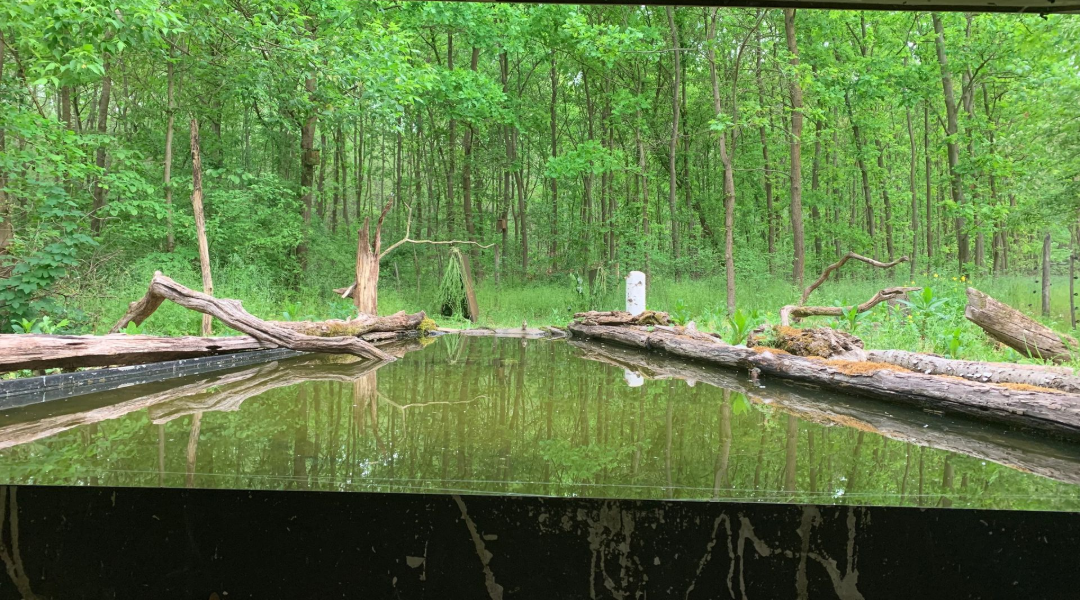
Related reading: Glass Hides in Hungary vs. Natural Hides in Colombia
Written by David Casas, founder of Retorno Photo Tours, wildlife photographer and licensed Birds and Wildlife Guide in Colombia (registration 007158).
Scheduled Tours
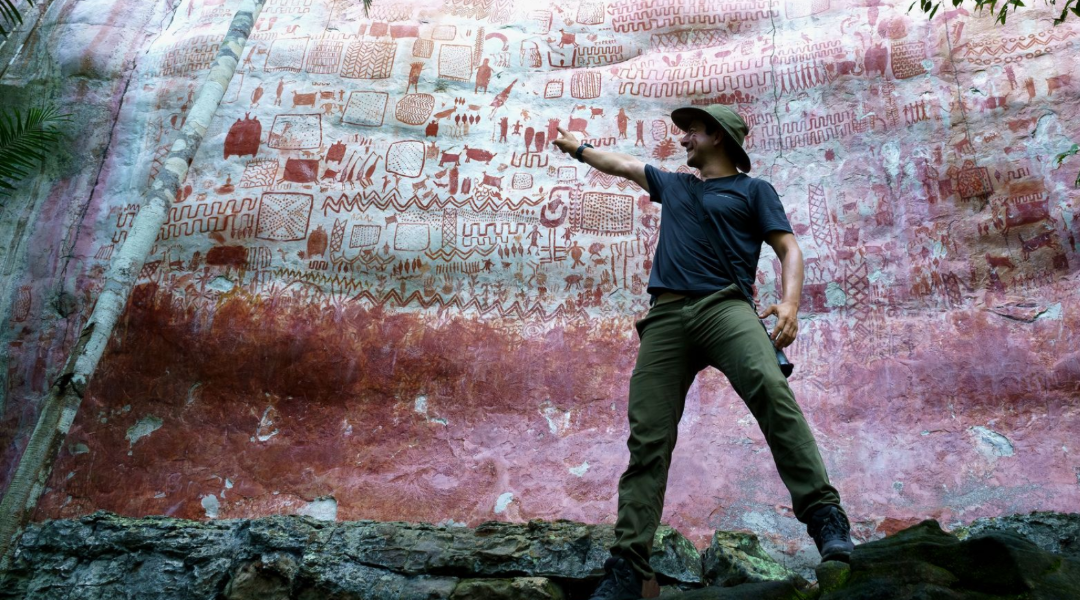
Western Amazon: Gateway to Chiribiquete.
Jaguars of Pantanal
Amazon's Guiana Frontier - Mitu.
Emblematic Birds Photo Tour