
The Harpy Eagle Natural Reserve: What Makes It the Only Place to Photograph This Species So Easily
The Harpy Eagle Natural Reserve: What Makes It the Only Place to Photograph This Species So Easily
Photographing the Harpy Eagle in the wild is often considered one of the most challenging achievements in wildlife photography. This powerful raptor—one of the largest and most elusive eagles on Earth—spends most of its life deep within dense, inaccessible tropical forest. It nests in enormous emergent trees that rise far above the canopy, lives in remote territory, and reproduces slowly, making sightings exceedingly rare.
Yet, despite this rarity, one place in South America stands out as a true photographic sanctuary: The Harpy Eagle Natural Reserve. Here, photographers from around the world experience something almost unbelievable—consistent, ethical, and safe access to an active Harpy Eagle nest, carefully monitored by biologists and protected through a collaborative conservation effort.
This article dives deep into what makes this reserve so uniquely accessible, why no other location compares, and how this combination of conservation, science, local partnerships, and thoughtful tourism creates the only environment where photographers can reliably capture intimate moments of the Harpy Eagle’s life cycle.
Why Photographing Harpy Eagles Is Normally So Difficult
Before understanding what makes the Harpy Eagle Natural Reserve so exceptional, it’s essential to recognize the obstacles that make photographing Harpy Eagles anywhere else extremely challenging:
1. Extremely Low Population Density
Harpy Eagles require enormous hunting territories, sometimes exceeding 100 km². They are naturally rare, even in ideal conditions.
2. Remote Habitat
The species thrives in deep Amazonian and Central American forests where access is limited by:
- Lack of roads
- Long river travel
- Dense vegetation
- Rugged terrain
3. Inaccessible Nests
Nests are typically built:
- In massive emergent trees 40–60 meters high
- Far from trails
- In protected canopy zones that are impossible to reach without specialized climbing or observation platforms
4. Slow Reproduction Cycle
A single Harpy Eagle pair produces one chick every 2–3 years, which limits viewing opportunities dramatically.
5. Strict Ethical Requirements
Because Harpy Eagles are sensitive during nesting:
- Approaching too closely can cause nest abandonment
- Human disturbance can disrupt prey deliveries
- Noise or visual stress can endanger the chick
All these factors mean that in most regions, photographers have virtually no access to Harpy Eagles, and sightings—even for birdwatchers—are brief and distant.
What Makes the Harpy Eagle Natural Reserve So Unique?
The Harpy Eagle Natural Reserve is not an ordinary birding site. It is a carefully designed conservation area created with a single mission: protect nesting Harpy Eagles while allowing ethical photographic access that supports conservation and local communities. Several factors make this possible.
1. Long-Term Monitoring of an Active, Stable Harpy Eagle Nest
The reserve protects an active nest that has been monitored for years. This is extremely rare.
Most Harpy Eagle nests are:
- Unknown
- In inaccessible zones
- Not monitored
- Or too unstable to allow visitors
In contrast, this reserve has:
- A known, long-term nesting territory
- Consistent breeding cycles
- Zero disturbance protocols
- Scientific monitoring data
This stability is what allows photographers to observe the entire nesting cycle, from courtship to first flights.
2. The Harpy Eagle Nesting Cycle Is Visible From a Safe, Ethical Distance
Thanks to careful planning and science-based guidelines, visitors can observe:
Stage 1 — Courtship & Nest Building (Aug–Oct)
The pair reconstructs the nest. The male delivers prey to the female. This stage offers incredible opportunities to capture bonding behavior.
Stage 2 — Incubation (Nov–Dec) — Current Stage
The female protects the egg while the male gathers prey. Photographers can capture:
- Prey deliveries
- Portraits of the female on the nest
- Interaction sequences
Stage 3 — Hatching & Parental Care (Jan–Apr)
This stage is full of emotion and action:
- The chick hatches
- Parents feed it
- Early developmental behavior begins
This is one of the best times for intimate wildlife photography.
Stage 4 — First Flights (Jun–Sep)
The juvenile begins exercising, spreading wings, testing balance, and making early attempts at flight.
Few wildlife experiences are more thrilling than watching a juvenile Harpy Eagle launch into the air for the first time.
Stage 5 — Independence (Late 2026 onward)
The young eagle explores the territory, learning to hunt and strengthening its flight capabilities.
These stages unfold within predictable time windows, which is extremely rare for this species and invaluable for photographers.
3. Purpose-Built Photography Platforms
One of the reserve’s greatest advantages is its scientifically approved observation platforms, located precisely where photographers can:
- Maintain ethical distance
- Observe without disturbance
- Capture clear angles
- Work with natural light
- Stay safe for long sessions
These platforms are constructed based on research, ensuring:
- Zero nest disruption
- Optimal visual access
- Stability for long lenses
- Comfort for long days in the field
Very few Harpy Eagle sites in the world offer this level of access.
4. Collaboration With Local Communities
The reserve’s success is due in part to the involvement of local families who serve as:
- Forest guardians
- Guides
- Trackers
- Conservation partners
Their deep local knowledge ensures:
- Accurate monitoring
- Ethical protection of territory
- Responsible tourism
- Cultural integration
Your visit directly supports these families, creating a sustainable incentive to protect the eagles.
5. Professional Biologists on Site
Scientific monitoring ensures:
- No disturbance to the nest
- Controlled access schedules
- Accurate behavior predictions
- Health monitoring of the chick
- Responsible management of visitation
This allows photographers to arrive at the right time, increasing chances of capturing:
- Feeding sequences
- Prey deliveries
- Bonding interactions
- First flights
At most sites, such predictability is impossible.
6. High Success Rate for Photographers
Because of stable monitoring, platform access, and predictable behavior, the Harpy Eagle Natural Reserve offers one of the highest Harpy Eagle sighting probabilities in South America.
Photographers leave with:
- Close portraits
- Prey-carrying flight shots
- Parent–chick interaction sequences
- Environmental compositions
- Behavior series
- Development stages
Few places in the world offer such a complete photographic experience.
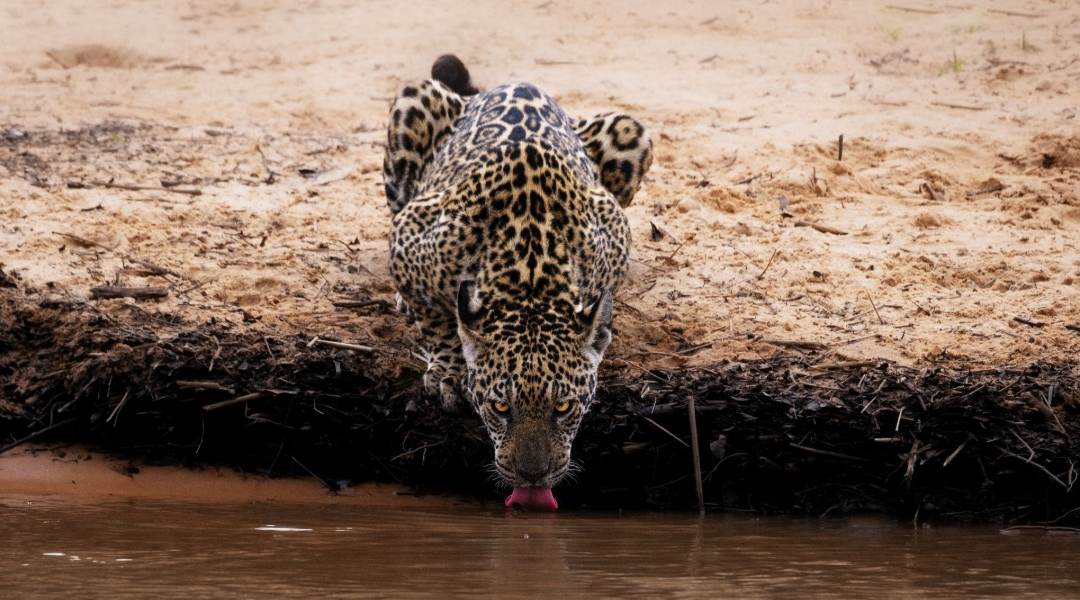
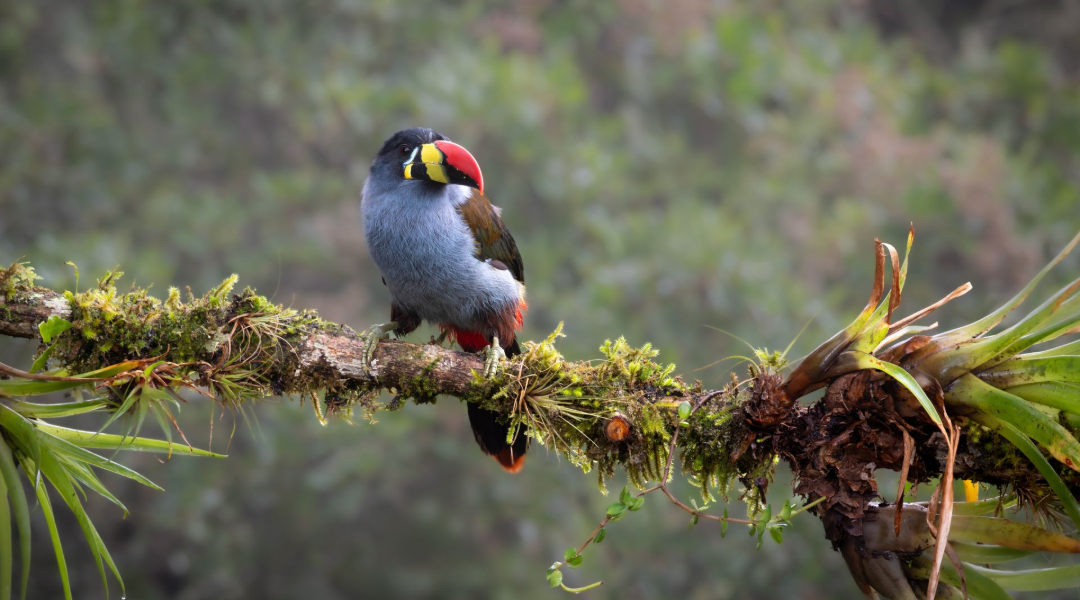
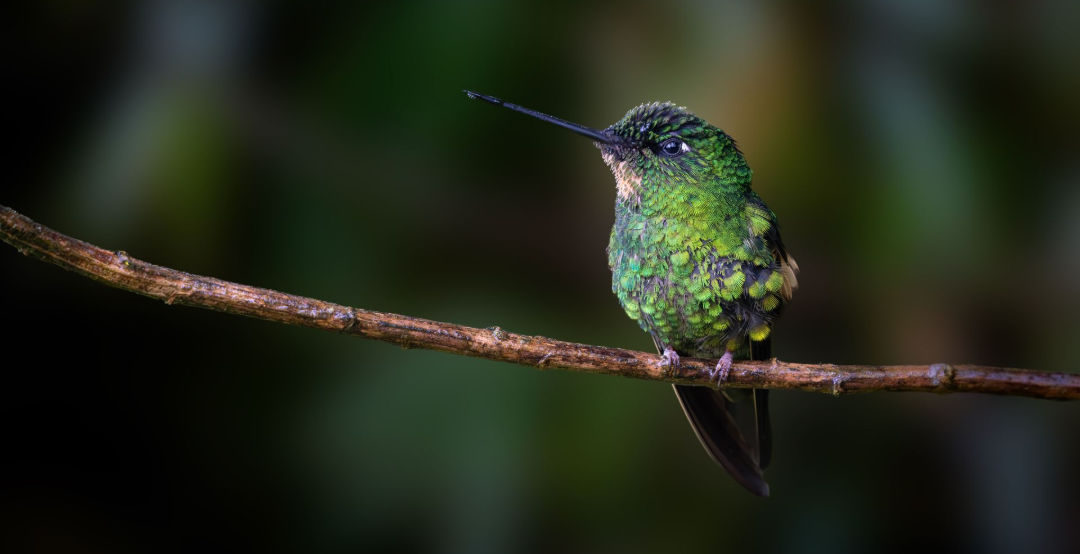
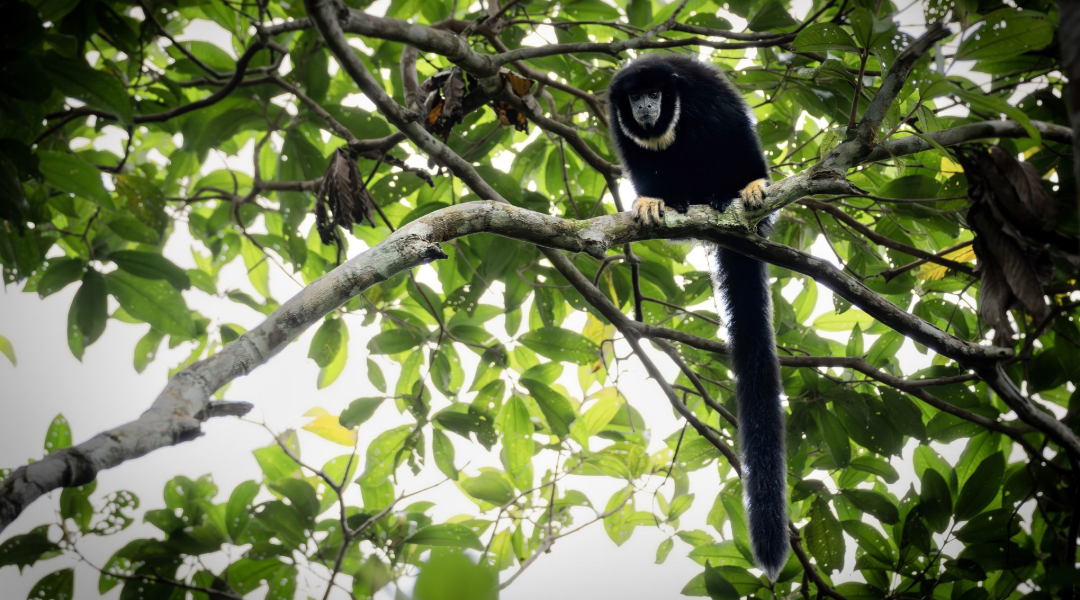
7. Ideal Habitat for Other Species Too
In addition to Harpy Eagles, the reserve offers:
- Macaws
- Toucans
- Monkeys
- Oropendolas
- Raptors
- Mammals
- River landscapes
- Forest scenery
- Local cultural experiences
This makes your expedition worthwhile even beyond the eagle observations.
8. Ethical Protocols That Actually Work
Many regions claim “ethical access,” but the Harpy Eagle Natural Reserve is one of the few places where:
- Visitor numbers are controlled
- Time near the nest is managed
- Noise limits are enforced
- Distances are fixed
- Disturbance is scientifically monitored
This is why the eagles continue to breed successfully, proving the model works.
Why Photographing Harpy Eagles Is Easier Here Than Anywhere Else
The simplicity comes from four factors:
1. Predictable Behavior
Because the nest is monitored daily, guides know approximately when:
- Prey deliveries occur
- The male returns
- The female leaves
- The chick stands
- Wing exercises begin
2. Safe Viewing Angle
Platforms allow clear lines of sight without climbing trees or traversing unstable terrain.
3. Ethical Stability
The breeding pair is accustomed to the controlled presence of visitors from a safe distance.
4. Full Accessibility
Unlike remote Amazon sites requiring long expeditions, the reserve is reachable in a structured itinerary that balances comfort and wilderness.
A Photographer’s Dream: Lighting Conditions and Composition
The nest is positioned in a unique setting that provides:
- Soft diffused light
- Dramatic canopy backdrops
- Open angles for flight shots
- Natural framing with giant rainforest trees
This combination is almost unheard of for Harpy Eagle habitats, which are usually cluttered, distant, or dark.
What You Can Expect to Photograph
Depending on the month of your visit, you may capture:
- Male bringing prey
- Female covering the egg
- Chick being fed
- Early wing exercises
- Stretching
- First jumps
- Juvenile branching
- First short flights
- Environmental eagle portraits
Each stage provides distinct photographic possibilities.
Why This Reserve Stands Alone in South America
No other place offers all of the following together:
- Active, monitored nest
- Long-term stability
- Ethical access
- Scientific oversight
- Local partnerships
- Photographer-friendly platforms
- Predictable sightings
- Multiple viewing seasons
- Rich biodiversity
- Safe and organized logistics
- Rainforest immersion
It is truly the only place where Harpy Eagles can be photographed so easily, so ethically, and so consistently.
Conclusion: A Once-in-a-Lifetime Opportunity Made Accessible
Most photographers will never have the chance to photograph a Harpy Eagle in the wild. But thanks to decades of conservation work, community involvement, and scientific monitoring, the Harpy Eagle Natural Reserve makes this dream a reality—ethically, safely, and with stunning photographic potential.
If the Harpy Eagle is on your photography bucket list, this reserve is not only the best place to visit—it is the only place that offers such reliable access to this magnificent species.
📸 Ready to Photograph the Harpy Eagle in the Best Place in South America?
Experience the world’s top location for wild Harpy Eagle photography. Join our Wildlife Harpy Eagle Tour and access the most exclusive, well-protected, and photogenic Harpy Eagle territory in South America. Retorno Photo Tours provides unparalleled photographic opportunities and expert guidance for the world’s finest raptor expedition.