
Top Wildlife Destinations in South America for Big Birds: Harpy Eagles, Condors, Macaws & More
Top Wildlife Destinations in South America for Big Birds: Harpy Eagles, Condors, Macaws & More
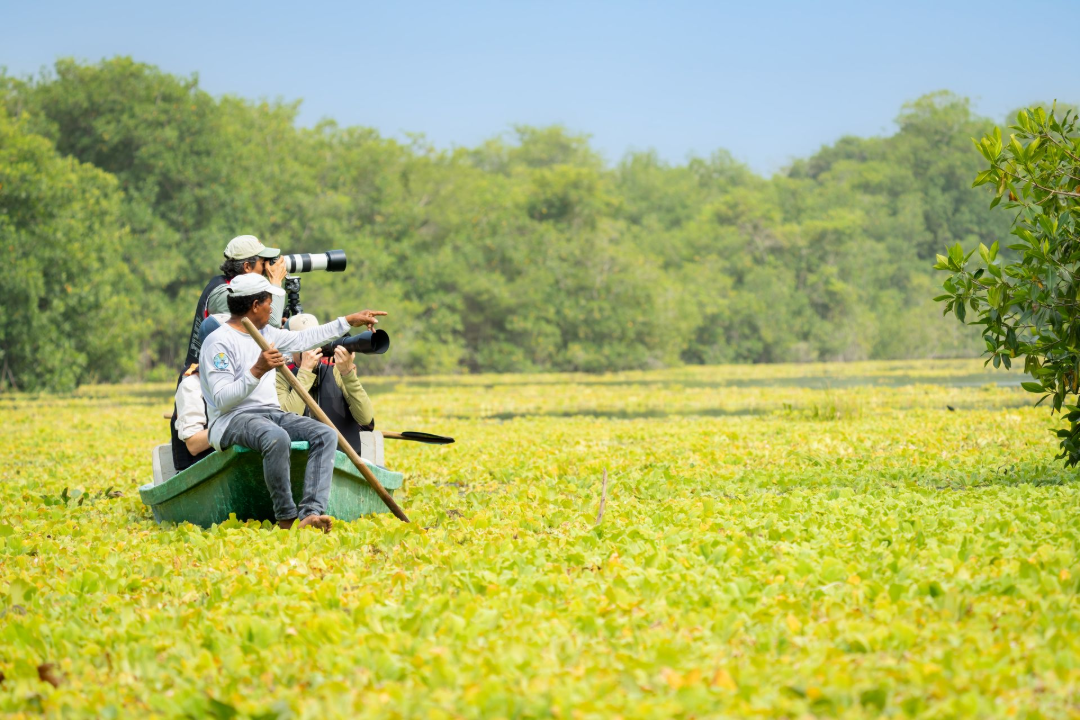
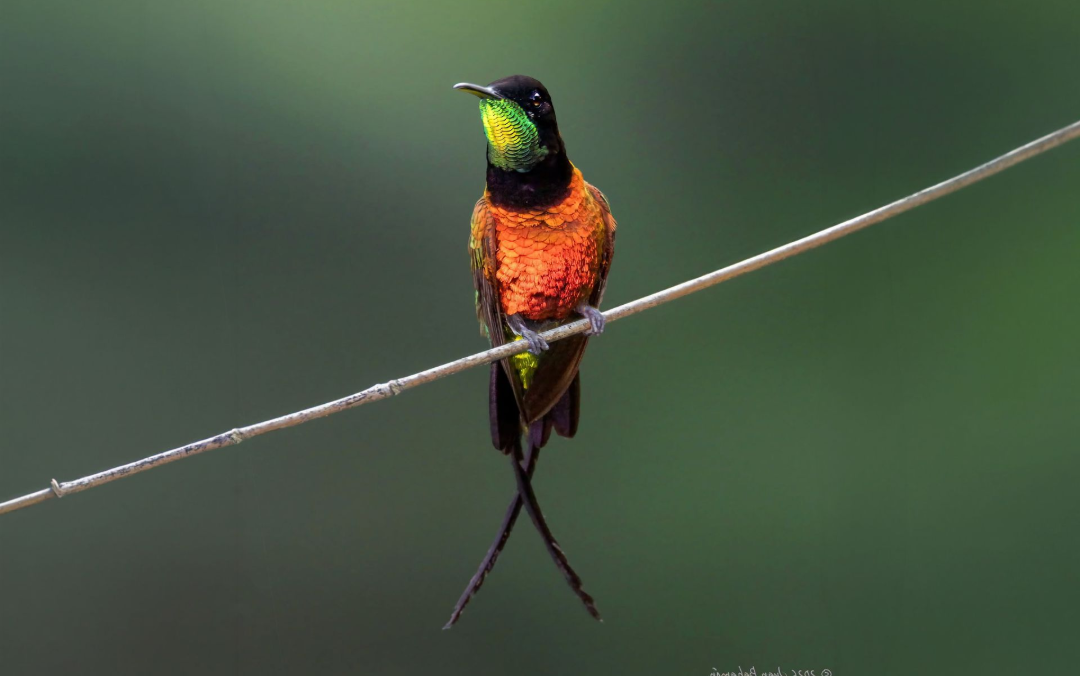
South America is home to some of the world’s most iconic birds—majestic, powerful, and deeply tied to the ancient landscapes they inhabit. For wildlife photographers seeking unforgettable encounters with large birds, this continent is in a league of its own. From the dense Amazonian canopy where Harpy Eagles raise their young to the towering Andes where Condors glide over glaciers, South America offers an extraordinary diversity of birdlife that makes it one of the top destinations on Earth for avian photography.
And in recent years, the region has become even more appealing: ecotourism projects, local community reserves, and specialized photography tours have opened doors to previously inaccessible bird habitats. Today, photographers can experience behavior, nesting, courtship, flight, and feeding in ways that were almost impossible a decade ago.
This guide explores the best places in South America to photograph big birds, with a special focus on the species photographers dream of capturing: Harpy Eagles, Andean Condors, Scarlet and Blue-and-yellow Macaws, Hoatzins, Jabirus, Black-collared Hawks, and more. Whether you’re planning a dedicated expedition or building a multi-stop photography journey, these destinations offer world-class opportunities.
Why South America Is a Big-Bird Photography Paradise
From the world’s largest rainforest to its longest mountain range, South America holds ecosystems unmatched in scale and diversity. What makes this continent unique for big bird photography is its combination of:
- Huge biodiversity across many habitats—Amazon rainforest, wetlands, mountains, savannas, and cloud forests
- Predictable seasonal behavior, especially during nesting and breeding
- Specialized reserves and photography hides
- Local guides who track individual birds year after year
Big birds also tend to repeat behaviors and remain loyal to specific territories. This makes South America one of the most reliable regions globally for photographing large species in natural settings.
1. Harpy Eagle Natural Reserve, Brazil & Panama: The Holy Grail for Big Bird Photography
For wildlife photographers, the Harpy Eagle is the ultimate subject—a combination of power, rarity, and mythical beauty. With talons larger than a grizzly bear’s claws and a wingspan that can exceed two meters, the Harpy Eagle stands at the top of the rainforest food chain. Yet despite its size, it can glide silently through the canopy, making sightings extremely difficult without local expertise.
Why This Reserve Is the Best Place to Photograph Harpy Eagles
Thanks to years of monitoring and a close relationship with local communities, the Harpy Eagle Natural Reserve offers photographers something rare: predictable access to active nesting areas and parent–chick behavior.
The Harpy Eagle nesting cycle is one of the longest in the avian world—approximately 2 years. The stages you provided are crucial for understanding when and where photographers can capture the best moments:
Harpy Eagle Nesting Stages (2025–2026 Cycle)
Stage 1: Courtship & Nest Building – Aug–Oct 2025
Stage 2: Incubation – Nov–Dec 2025 (current stage)
Stage 3: Hatching & Parental Care – Jan–Apr 2026
Stage 4: First Flights & Wandering Care – Jun–Sep 2026
Stage 5: Juvenile Independence – Late 2026 onward
Because each stage has its own behavior, visitors can capture:
- The male delivering prey during nest building
- The female guarding the egg during incubation
- Parents feeding the chick between January and April
- The juvenile testing its wings in mid-2026
- First flight attempts in late 2026
Few wildlife experiences compare to watching this apex predator raising its young in the wild.
Additional Big Bird Species in the Area
Although the Harpy is the star, photographers may also see:
- Crested Owls
- Scarlet Macaws
- Blue-and-yellow Macaws
- King Vultures
- Multiple monkey species (perfect prey interactions)
This reserve is one of the best-managed photography sites in South America—and the only place where Harpy Eagle behavior can be documented at such close range without disturbance.
2. Colca Canyon, Peru: Home of the Mighty Andean Condor
The Andean Condor is one of the most iconic birds in the world. With a wingspan reaching up to 3.3 meters, it is the largest flying bird on Earth by wingspan and weight. Photographing condors soaring over the world’s deepest canyon is a spiritual experience—one that blends natural spectacle with Andean cultural heritage.
Why Colca Canyon Is Ideal for Photographers
- Condors reliably use morning thermals for takeoff
- They approach cliff edges closely, giving excellent angles
- The canyon landscape creates dramatic backdrops
- Photographers can capture flight paths from both above and below
Colca Canyon also benefits from good access, infrastructure, and local guide expertise, making it easy to plan.
Other Large Birds in the Area
- Giant Hummingbird
- Mountain Caracara
- Variable Hawk
- Andean Goose
The combination of bird behavior and monumental landscape makes this destination a must-visit.
3. Pantanal, Brazil: The Best Wetland in the World for Big Birds
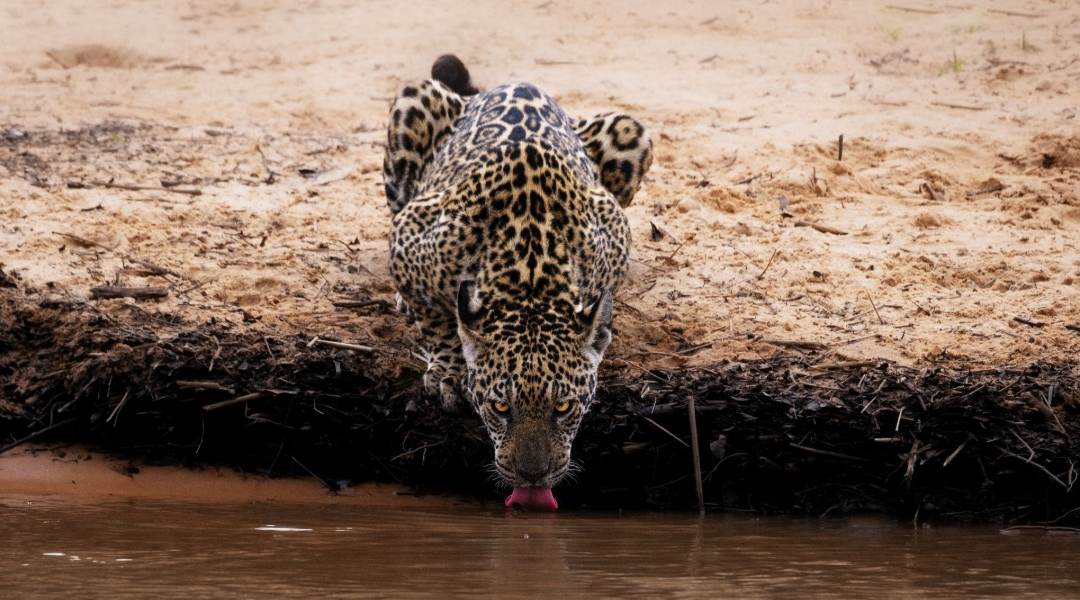
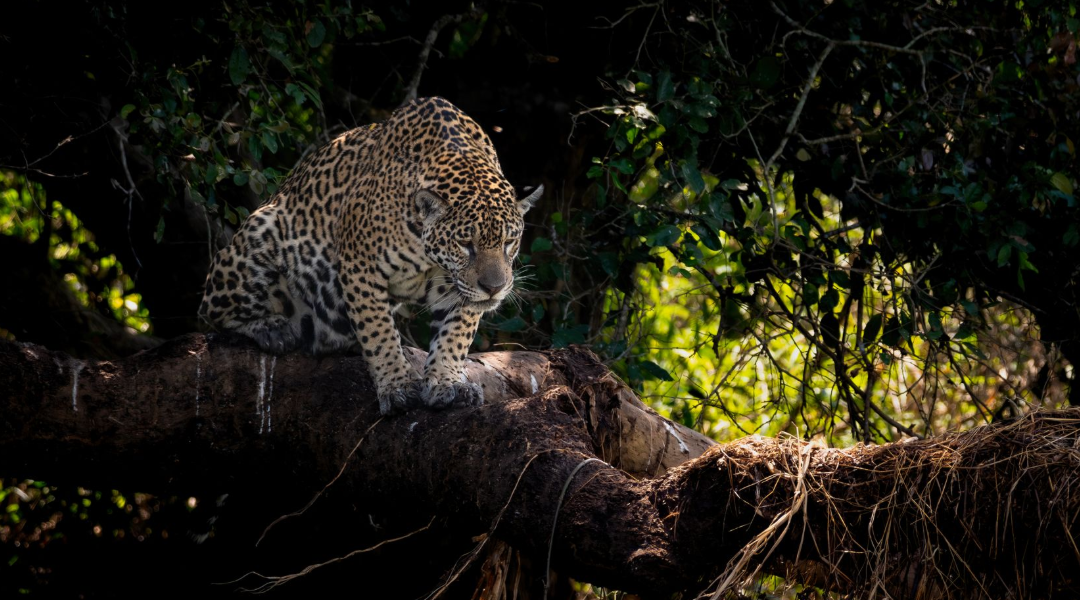
The Pantanal is the world’s largest tropical wetland—and possibly the most bird-rich habitat on Earth. It is famous for Jaguars, but its birdlife is equally spectacular.
Big Birds Photographers Can Expect
- Jabiru Storks (the tallest flying bird in the Americas)
- Hyacinth Macaws (largest parrots in the world)
- Toco Toucans
- Greater Rhea
- Roseate Spoonbills
- Black-collared Hawks catching fish mid-air
The open landscape makes photography easier than in dense rainforests, and the dry season (July–October) concentrates wildlife around waterways.
4. Manu National Park, Peru: Macaw Heaven
Peru’s Manu is world famous for its clay licks, where hundreds of macaws gather in colorful flocks. Photographers can witness:
- Scarlet Macaws
- Red-and-green Macaws
- Blue-headed Macaws
- Chestnut-fronted Macaws
The sight of dozens of macaws in a single frame is a dream for bird photographers. Early mornings at the clay licks provide intense action, wingbeats, and social interactions.
Other notable birds:
- Hoatzins
- Harpy Eagles (rare but present)
- Great Black Hawks
Manu remains one of the most biodiverse locations on the planet.
5. Serra do Divisor, Brazil: A Hidden Gem for Rare Raptors
Remote and heavily forested, Serra do Divisor is one of the least explored but most rewarding places for photographing:
- Ornate Hawk-Eagles
- Black-and-white Hawk-Eagles
- Harpy Eagles (occasional sightings)
- Solitary Eagles
- Large parrots and macaws
The dramatic mountain ridges rising from the Amazon create spectacular aerial photography opportunities.
6. Iguazú Falls (Brazil/Argentina): Big Birds in a Big Landscape
The combination of rainforest ecosystem and massive waterfalls creates a hotspot for birdlife:
- Toco Toucans
- Great Dusky Swifts (flying behind the waterfalls)
- King Vultures
- Plumbeous Kites
Photographing swifts disappearing into the waterfall curtain is a truly unique experience.
7. Los Llanos, Venezuela & Colombia: Raptors and Waterbirds Everywhere
This vast savanna ecosystem is filled with birds big and small. For photographers, it’s especially exciting for:
- Scarlet Ibis
- Jabirus
- Cocoi Herons
- Savanna Hawks
- Black Vultures
- Orinoco Geese
The wide horizon and open spaces make this region a dream for flight shots.
Planning a Multi-Species Bird Photography Trip in South America
To maximize big bird encounters, photographers often combine:
- Amazon + Pantanal (forest + wetland)
- Amazon + Andes (Harpy Eagle + Condor)
- Pantanal + Cerrado (wetland + savanna raptors)
- Peru Mega-Route (Manu + Colca Canyon)
This allows you to capture different species, different ecosystems, and totally different styles of photography.
Essential Photography Tips for Big Bird Expeditions
1. Use Long Lenses but Stay Flexible
A 500–600mm lens is ideal, but the environment often changes fast in South America. Keep a 70–200mm or 100–400mm ready.
2. Understand Bird Behavior
This is crucial for Harpy Eagles, especially during nesting stages:
- Early nest building: parents bring branches
- Incubation: minimal movement, but great portrait opportunities
- Hatching: feeding interactions
- Flight training: best action shots
Knowing the cycle helps you be in the right place at the right time.
3. Respect Ethical Distance
This is especially vital around raptor nests. Professional tours work closely with biologists to ensure zero disturbance.
4. Plan Around Weather and Light
South America’s tropical regions often have:
- Soft light early morning
- High contrast midday
- Dramatic backlighting in late afternoon
Understanding these patterns helps produce world-class images.
Why Harpy Eagles Stand Out Among All Big Birds
While condors rule the skies and macaws fill the forest with color, the Harpy Eagle remains the most coveted big bird for photographers. Its combination of:
- rarity
- predictable nesting behavior
- enormous size
- intense parental care
- powerful talons and flight displays
…makes it one of the most awe-inspiring wildlife experiences on Earth.
And nowhere is better for photographing them than the dedicated reserves where nesting cycles are monitored and respected.
Final Thoughts
South America is an unparalleled destination for photographers who love large birds. Whether you want the thunderous wings of a Condor, the vibrant explosion of macaws at a clay lick, or the mythical presence of the Harpy Eagle, this continent delivers world-class encounters.
But among all these opportunities, the Harpy Eagle stands above the rest—rare, majestic, and deeply symbolic of the rainforest’s power.
For photographers seeking the ultimate South American birding experience, a journey built around Harpy Eagles, macaws, and condors promises unforgettable images and moments of profound connection with nature.
📸 Ready for the Best Harpy Eagle and Big Bird Photography in South America?
Experience the continent’s most extraordinary birding locations with expert guides and exclusive access to active Harpy Eagle territories.
Join our
Wildlife Harpy Eagle Tour
— Retorno Photo Tours offers the best places in South America to photograph Harpy Eagles and other iconic big birds.