
Colombia’s Mammals Through the Lens: From Andean Bears to Capybaras
Colombia’s Mammals Through the Lens: From Andean Bears to Capybaras
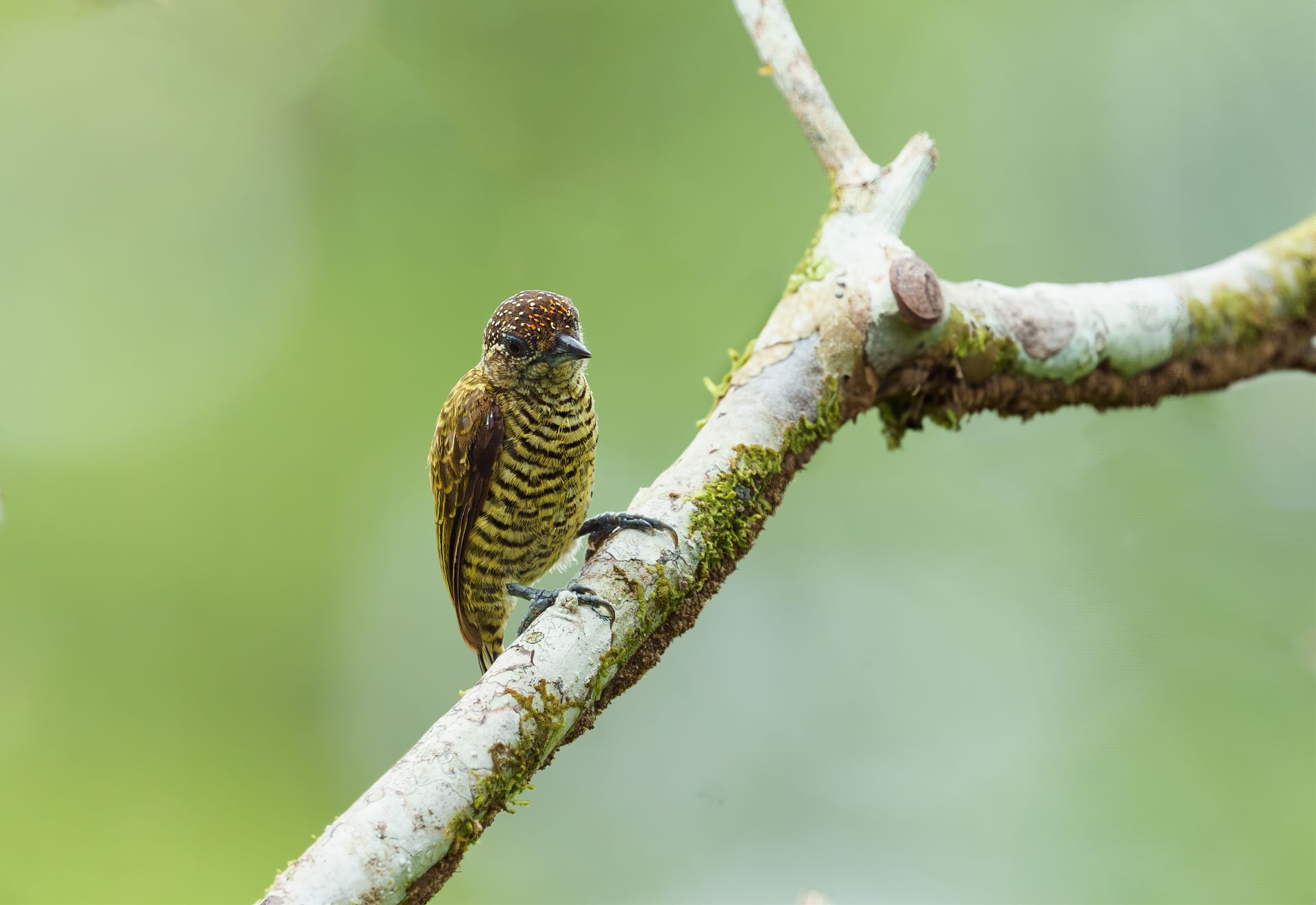
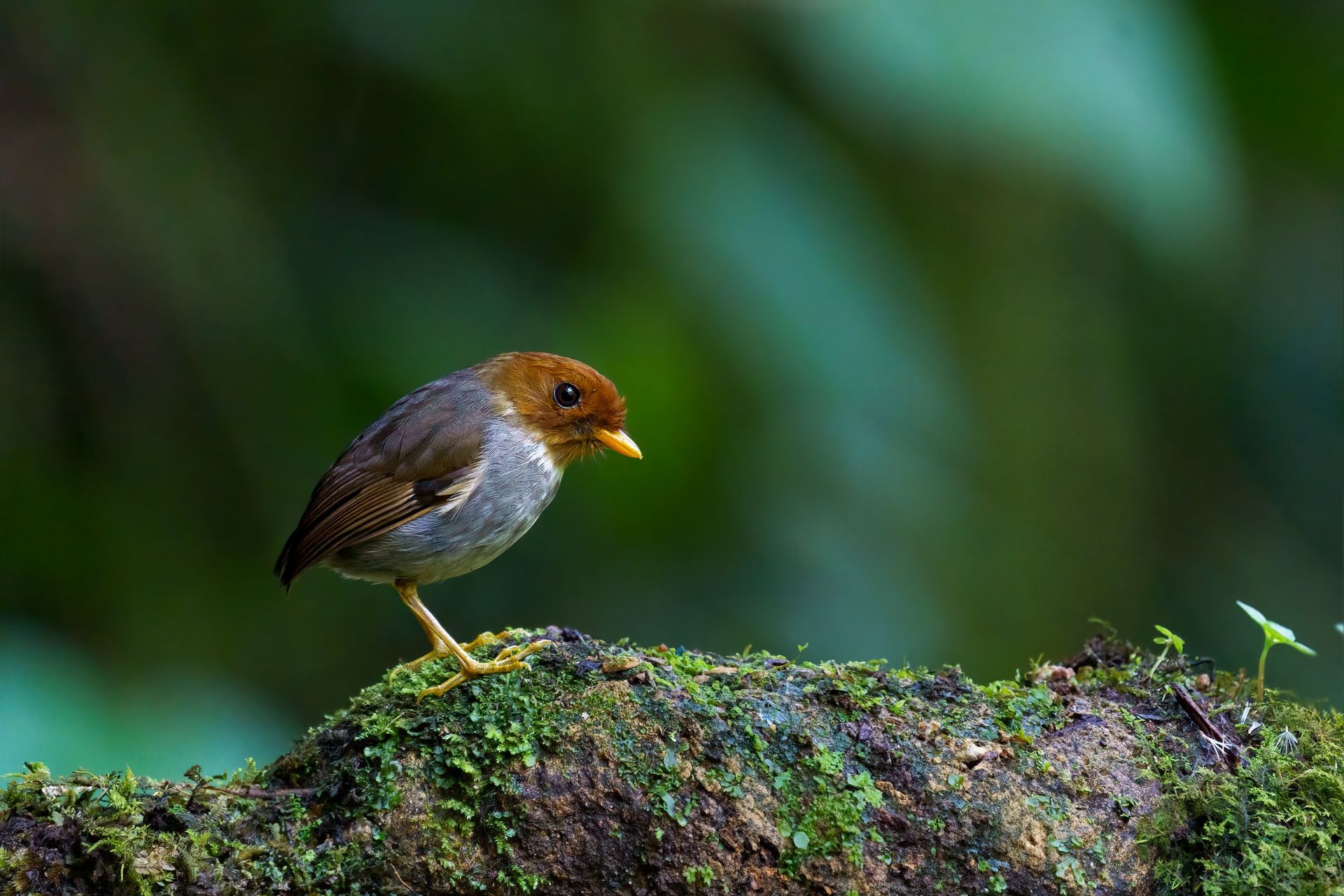
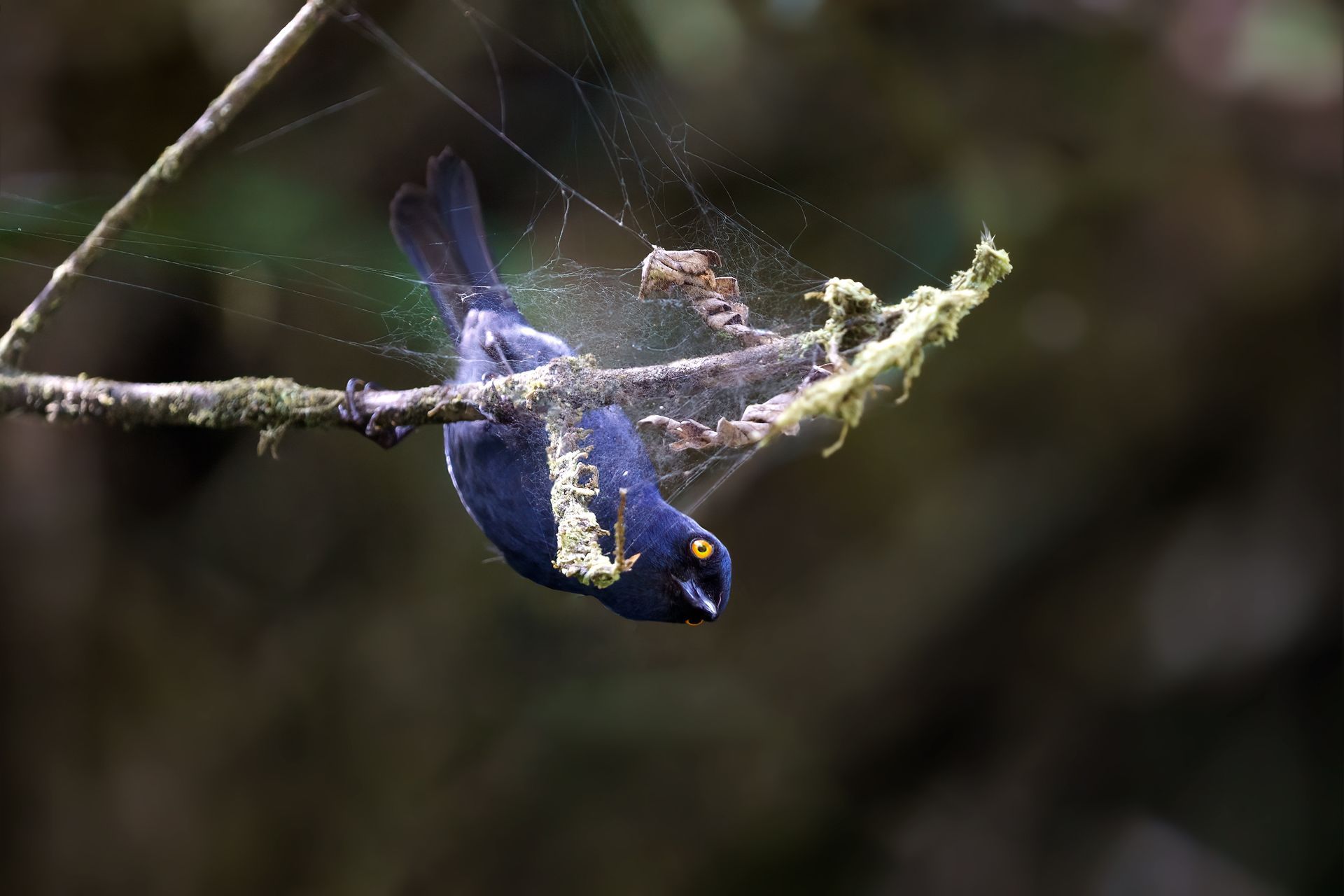
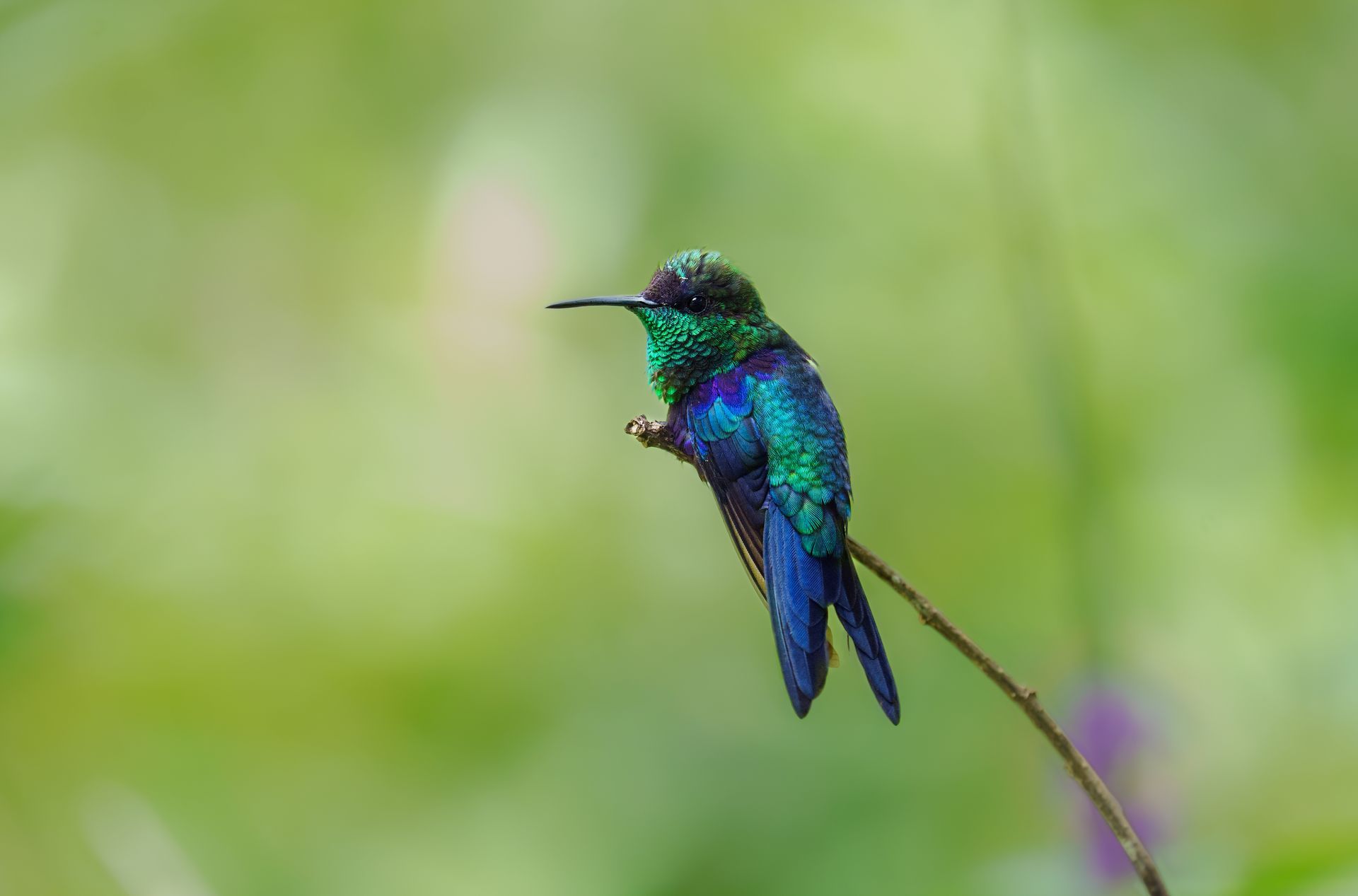
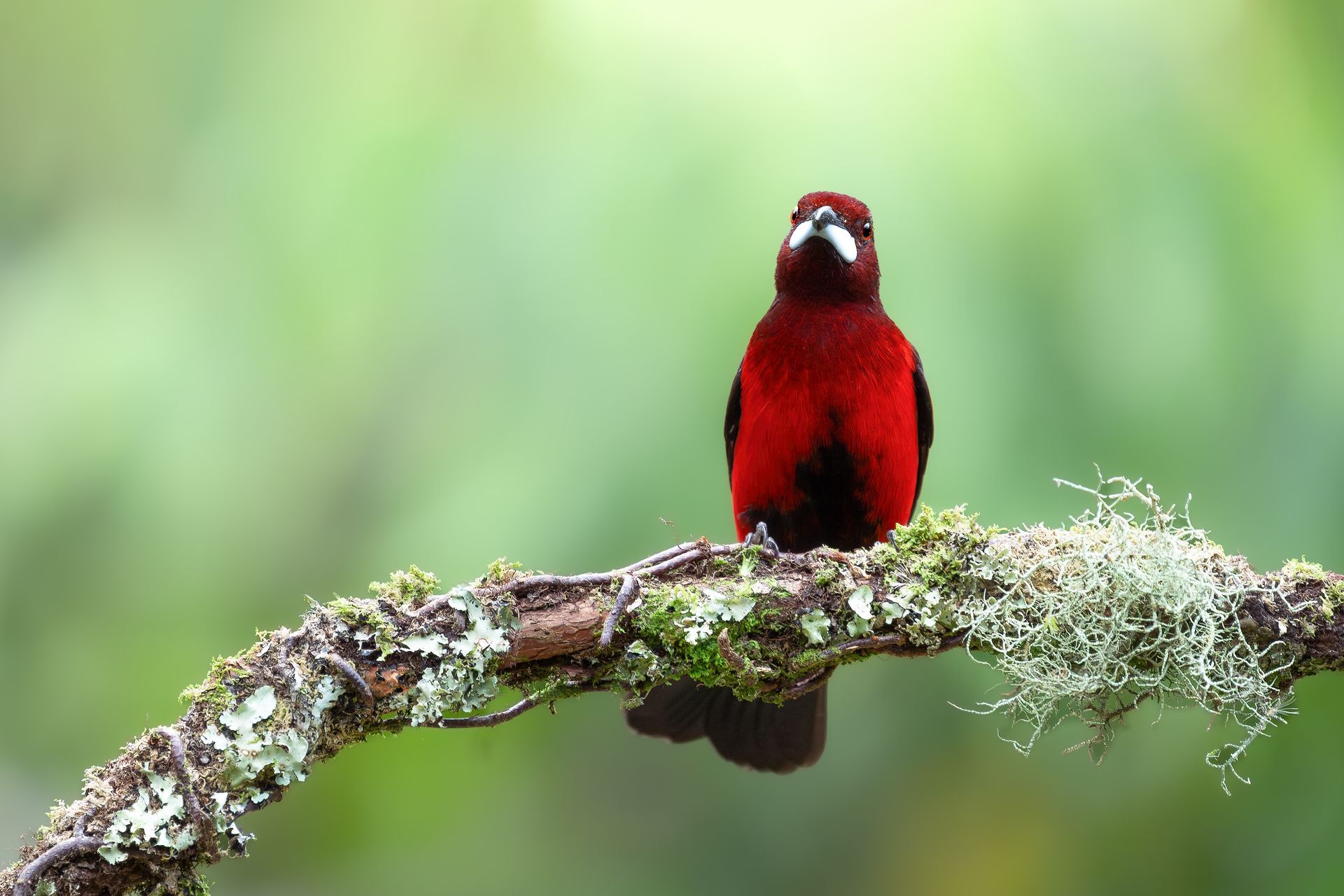
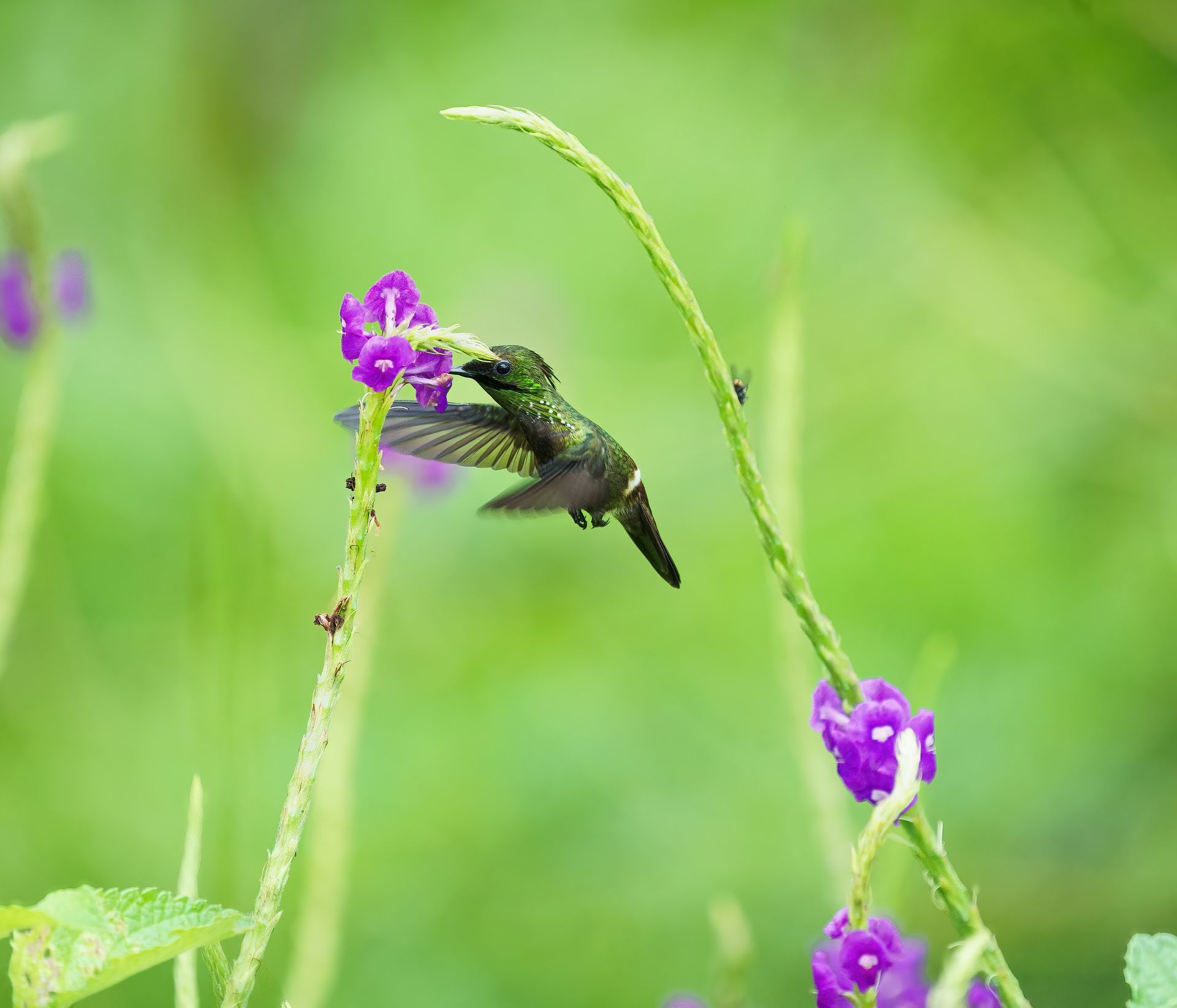
When people think of wildlife photography in Colombia, birds often come to mind first. With the highest bird diversity in the world, it is easy to see why. But beyond the incredible birdlife, Colombia is also home to a fascinating range of mammals that offer exciting opportunities for wildlife photographers.
From misty Andean mountains to tropical wetlands and dense rainforest, the country supports a remarkable variety of species. Photographing these animals requires patience, local knowledge, and an understanding of how different ecosystems shape wildlife behavior.
At Retorno Photo Tours, we design wildlife photography experiences that allow photographers to explore these habitats while capturing memorable images of Colombia’s mammals in ethical and responsible ways.
Colombia’s Diversity Creates Mammal Photography Opportunities
Colombia’s geography is one of the most complex in South America. The country includes:
- Three branches of the Andes Mountains
- Amazon rainforest
- Caribbean dry forests
- Vast wetlands and river systems
- Cloud forests at multiple elevations
Each ecosystem supports different mammal communities. For photographers, this means a single trip can provide encounters with species that look and behave completely differently.
Understanding where to look and when to search is essential.
The Andean Bear: A Symbol of the Mountains
One of the most sought-after mammals for photographers is the Andean Bear.
Also known as the spectacled bear, this species inhabits high-altitude cloud forests and páramo landscapes along the Andes. It is the only bear species native to South America.
Photographing Andean bears is a rare privilege because they are naturally elusive. They spend much of their time moving quietly through dense vegetation or feeding high in fruiting trees.
Successful encounters often happen when bears move through open slopes or approach feeding areas at the forest edge.
Patience and quiet observation are essential for capturing meaningful images.
Wetland Giants: Capybaras and River Life
In Colombia’s wetlands and river plains, photographers often encounter one of South America’s most iconic mammals: the Capybara.
Capybaras are the largest rodents in the world and are closely tied to aquatic environments. They spend much of their time grazing near water or resting along muddy banks.
From a photography perspective, these animals offer several advantages:
- They are often active during early morning and late afternoon
- Their social groups create interesting behavioral interactions
- Reflections on calm water can add powerful visual elements
Wetlands also attract many birds and reptiles, creating opportunities for environmental storytelling images that show multiple species within the same frame.
Rainforest Mammals: Hidden but Rewarding
Dense rainforest environments hold a variety of mammals that are rarely seen but highly rewarding to photograph when encountered.
These may include:
- Tree-dwelling primates
- Nocturnal species moving at dusk
- Arboreal mammals feeding in canopy fruit trees
Rainforest photography requires quiet movement and careful scanning of the forest layers.
Light conditions can be challenging, but when a subject emerges into a small opening in the canopy, the results can be spectacular.
Primates of the Colombian Forests
Colombia is home to many primate species, including howler monkeys, capuchins, and tamarins.
These animals add behavioral richness to wildlife photography.
Photographers may capture moments such as:
- Social grooming interactions
- Young individuals exploring branches
- Vocal displays from treetop perches
- Group movement through the canopy
Because primates often move in family groups, patience can produce a series of storytelling images rather than just a single portrait.
Why Mammal Photography Requires Patience
Birds often appear suddenly and move quickly. Mammals behave differently.
Many mammal encounters involve:
- Quiet waiting near feeding areas
- Slow scanning of forest edges
- Tracking subtle movement in vegetation
- Observing behavioral patterns over time
The reward is often a deeper photographic moment. A mammal pausing in natural habitat can produce powerful, emotional images that convey a sense of place.
Light and Composition in Mammal Photography
Mammals often appear in complex environments such as dense forest, grassy plains, or riverbanks.
Strong images often depend on:
- Natural framing using vegetation
- Soft early morning light
- Low shooting angles for dramatic perspective
- Environmental context showing habitat
Rather than isolating the animal completely, including surrounding landscape can strengthen the storytelling aspect of the image.
Ethical Wildlife Photography Matters
Photographing mammals responsibly is essential for conservation.
At Retorno Photo Tours, our wildlife photography approach is based on strict ethical principles:
- Maintain respectful distances from animals
- Avoid disturbing feeding or resting behavior
- Never bait or manipulate wildlife for images
- Support local conservation initiatives and communities
Responsible photography protects the animals and ensures future photographers can enjoy the same opportunities.
Small Groups Improve Wildlife Encounters
Large groups can make wildlife encounters more difficult.
Small photography groups allow:
- Quiet observation
- Flexible positioning
- Minimal disturbance
- More time for individual photographers to work with subjects
This approach improves both the quality of images and the experience in the field.
A Complete Wildlife Photography Experience
Many photographers visit Colombia for birds and leave amazed by the mammal encounters they experience along the way.
From high mountain forests where Andean bears roam to wetlands where capybaras gather along the water’s edge, the country offers remarkable diversity for wildlife photography.
Each ecosystem adds a new visual story to your portfolio.
Photograph Colombia’s Wildlife with Retorno Photo Tours
Retorno Photo Tours offers carefully designed wildlife photography experiences that combine bird and mammal opportunities across Colombia’s most biodiverse regions.
Our tours provide:
- Professional wildlife photography guides
- Access to diverse ecosystems
- Small group sizes for better field experiences
- Ethical wildlife observation practices
- Conservation-supported travel
If you are ready to photograph Colombia’s incredible wildlife, from Andean bears in the mountains to capybaras in tropical wetlands, we invite you to connect with us.
Contact Retorno Photo Tours to learn more about our wildlife photography tours and upcoming departures.
Colombia’s biodiversity extends far beyond birds. Through the lens, its mammals reveal a completely different side of this extraordinary country.