
Manakin Lek Photography: Capturing Unique Courtship Displays
Manakin Lek Photography: Capturing Unique Courtship Displays
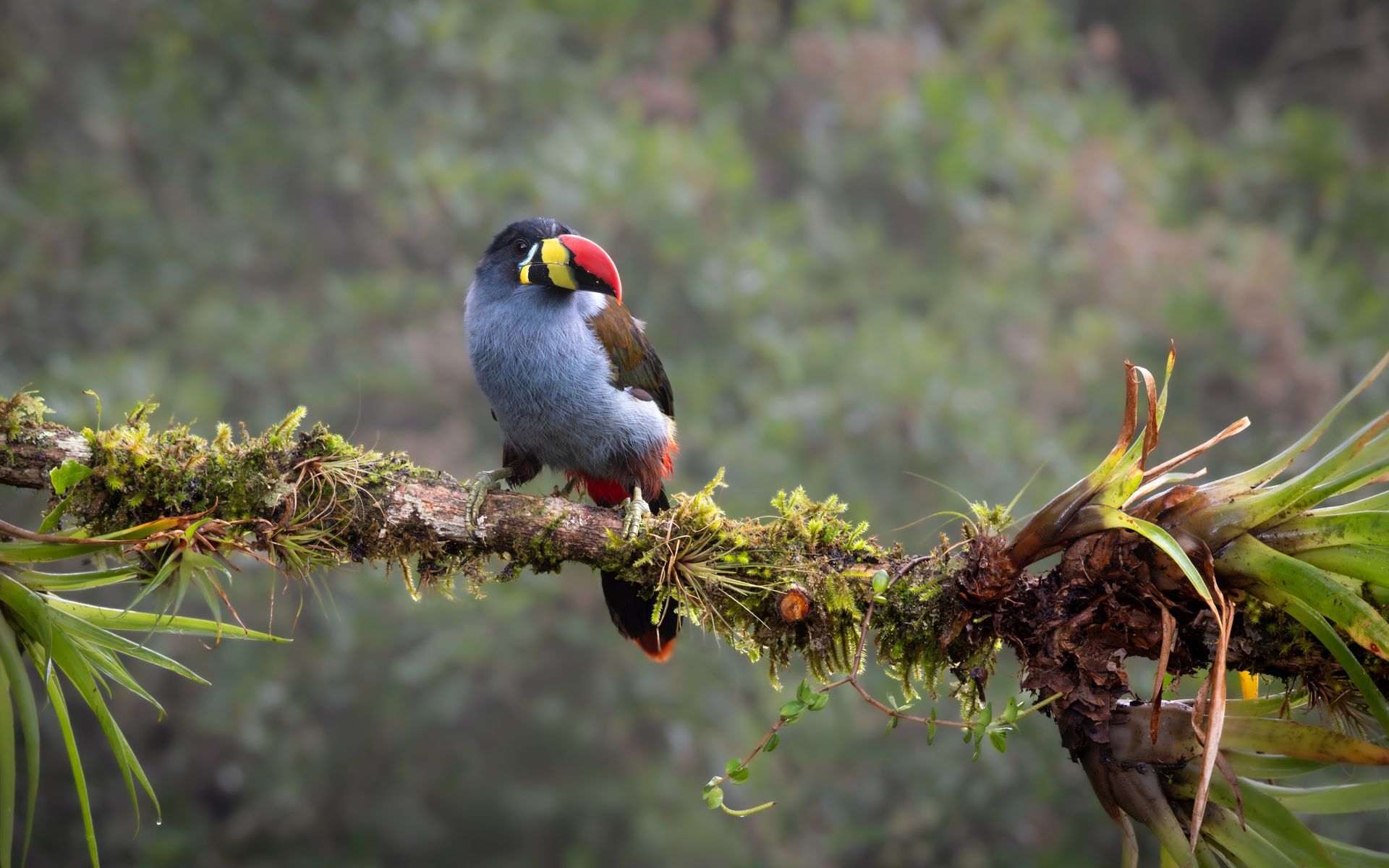
Deep inside Colombia’s tropical forests, one of the most extraordinary wildlife spectacles unfolds on a small natural stage.
Male manakins gather at traditional display sites known as leks. There, they compete for attention through rapid jumps, wing snaps, backward slides, and explosive bursts of movement.
For wildlife photographers, this is not just bird photography. It is behavioral storytelling at its most dynamic.
At Retorno Photo Tours, we guide photographers to active manakin leks with strict ethical standards and strategic positioning so you can capture these rare courtship performances responsibly.
What Makes Manakin Leks So Special
Unlike many birds that defend feeding territories, male manakins defend tiny display courts.
Within these arenas they:
- Clear small patches of forest floor
- Maintain specific perches
- Perform repeated choreographed movements
- Compete directly with neighboring males
Females visit briefly, observe the performances, and choose the strongest display.
Everything happens quickly. Timing is critical.
For photographers, that means preparation matters more than reaction.
Why Colombia Is Ideal for Manakin Photography
Colombia’s diverse ecosystems support multiple manakin species across lowland rainforest and Andean foothills.
Healthy forest structure allows lek sites to remain active year after year, creating reliable opportunities when accessed responsibly.
Because these display sites are traditional and reused, local knowledge is essential. Our professional bird photography guides monitor active leks and understand peak activity periods.
Without that experience, finding and photographing a lek successfully is extremely difficult.
Understanding Lek Behavior Before You Shoot
Manakin displays follow patterns.
Males often:
- Return repeatedly to the same perch
- Perform identical movements in cycles
- Increase activity during early morning hours
- Pause briefly between display bursts
By observing the rhythm for several minutes before shooting aggressively, you dramatically improve your success rate.
Anticipation replaces chaos.
Technical Strategy for Fast Action
Manakin lek photography is technically demanding because displays occur in shaded forest understory.
Preparation is essential.
Recommended approach:
- Fast shutter speeds to freeze explosive jumps
- Continuous autofocus tracking
- Moderate aperture for sharpness and background separation
- Stable handholding technique or monopod for extended sessions
Light levels can be low, so camera familiarity is critical. We assist photographers in adjusting settings on location based on available light.
Positioning and Composition
Because lek arenas are fixed, composition becomes strategic rather than random.
Look for:
- Clean background angles
- Moss-covered perches
- Natural light shafts
- Balanced branch lines
Small adjustments in body position can dramatically improve background separation and depth.
Our guides position small groups carefully to avoid crowding while maximizing clean shooting lanes.
Capturing Motion Versus Freezing Action
Two creative directions work well in manakin photography.
Freezing motion captures:
- Mid-air leaps
- Wing snap moments
- Sharp feather detail
Controlled motion blur can emphasize:
- Speed
- Energy
- The explosive nature of displays
We encourage photographers to secure technically sharp frames first, then experiment creatively.
Ethical Responsibilities at Leks
Leks are active breeding arenas. Disturbance can disrupt natural courtship behavior.
Responsible practice includes:
- Maintaining respectful distance
- Limiting group size
- Avoiding vegetation removal
- Minimizing noise and sudden movement
- Restricting or eliminating playback use
At Retorno Photo Tours, bird welfare always comes first. Our keeping nature tours philosophy ensures that photography never interferes with reproduction.
When birds feel secure, they continue natural behavior. That benefits everyone.
Timing Your Visit for Maximum Activity
Manakin activity typically peaks:
- Early morning
- During calm weather
- In breeding periods when females are visiting
We schedule lek sessions strategically rather than rushing through them.
Extended, patient observation increases your chance of capturing the decisive moment.
The Emotional Power of Lek Photography
Manakin displays are evolution in motion.
Photographing them captures:
- Competition
- Selection
- Color
- Speed
- Survival strategy
These are not static portraits. They are dynamic narratives.
A well-executed manakin image stands out in any wildlife portfolio because it tells a story of behavior, not just beauty.
Why Guided Manakin Tours Make the Difference
Successful lek photography depends on:
- Knowing active sites
- Understanding male hierarchy
- Predicting display rhythms
- Managing light and position
- Maintaining strict ethical discipline
Independent attempts risk disturbing sensitive breeding behavior and often result in missed opportunities.
Structured, conservation-based access produces better images and protects long-term lek stability.
Photograph Manakin Leks with Retorno Photo Tours
Retorno Photo Tours offers specialized wildlife photography experiences that include carefully monitored manakin lek access in Colombia’s richest forests.
Our small-group tours provide:
- Professional bird photography guides
- Ethical lek observation protocols
- Strategic positioning
- Extended time at active display sites
- Conservation-supported community partnerships
If you are ready to capture one of the most fascinating courtship spectacles in the Neotropics, we invite you to connect with us.
Contact Retorno Photo Tours to learn more about our Colombia wildlife photography itineraries.
In Colombia’s forests, nature performs with intensity.
We make sure you are there to capture it responsibly.