
Combining Conservation and Photography: Best Practices in the Field
Combining Conservation and Photography: Best Practices in the Field
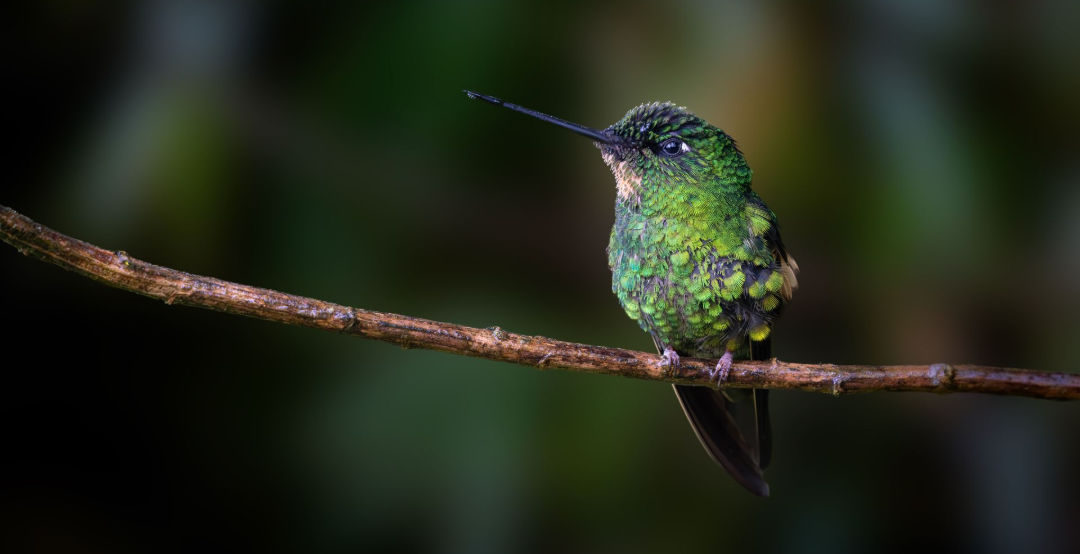
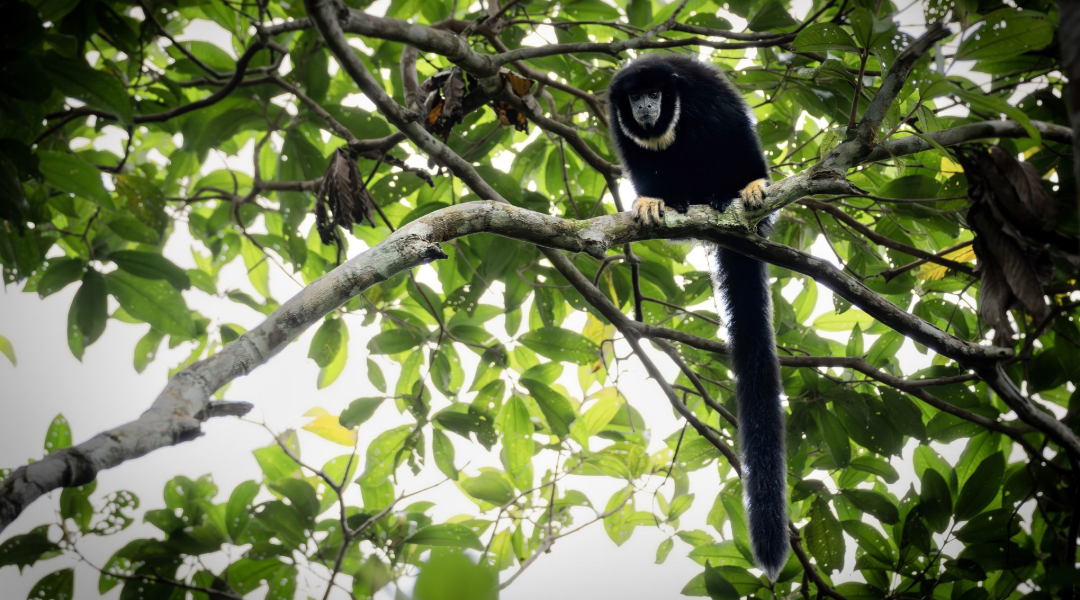
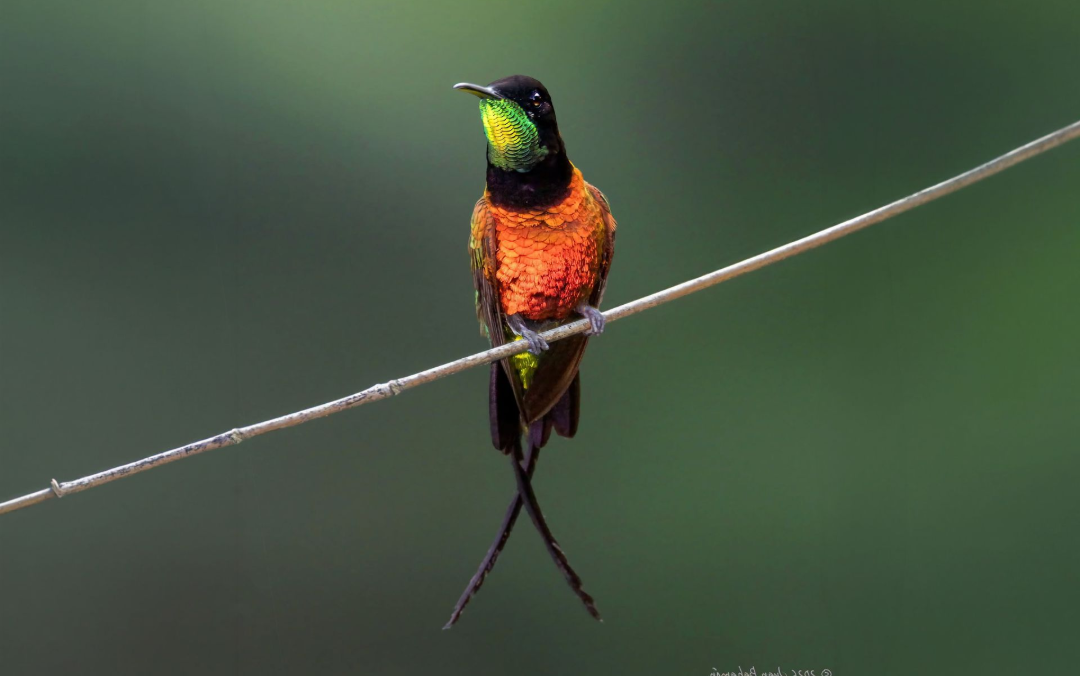
Wildlife photography is more than capturing beautiful images. It is a powerful way to document nature, tell important stories, and support conservation efforts around the world. As more photographers travel to biodiverse regions such as Colombia and Brazil, the connection between photography and conservation becomes increasingly important.
For photographers joining photo wildlife tours or exploring nature independently, understanding how to combine conservation with photography is essential. Responsible practices not only protect wildlife and ecosystems but also lead to more meaningful and authentic images.
By following best practices in the field, photographers can contribute positively to conservation while improving the quality of their work.
Understanding the Role of Conservation in Photography
Every wildlife photograph represents a moment in a living ecosystem. Birds, mammals, and other species depend on their environments for survival, and even small disturbances can have long-term effects.
Conservation-focused photography recognizes that:
- Wildlife should never be harmed or stressed for an image
- Natural habitats must be protected at all times
- Photographers are part of the ecosystem they are visiting
When photographers approach their work with this mindset, they become partners in conservation rather than passive observers.
Keep a Respectful Distance from Wildlife
One of the most important principles of ethical wildlife photography is maintaining a safe distance from animals.
Approaching too closely can cause stress, interrupt feeding, or force animals to leave their natural behavior.
Photographers should:
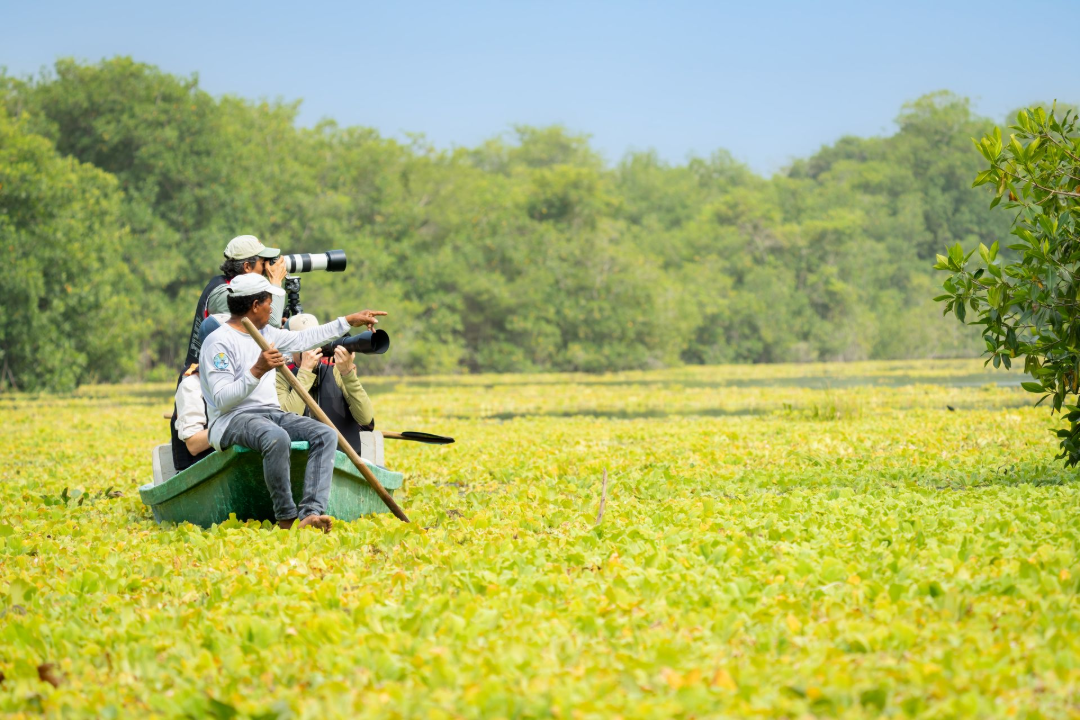
- Use telephoto lenses instead of moving closer
- Observe animal reactions and adjust accordingly
- Avoid surrounding or blocking wildlife
A respectful distance allows animals to behave naturally, which often results in more authentic and compelling photographs.
Prioritize Natural Behavior Over Perfect Shots
It can be tempting to try to control or influence wildlife to get a better photograph. However, manipulating behavior is harmful and goes against conservation principles.
Instead, photographers should focus on capturing natural moments.
This includes:
- Waiting for animals to move into good positions
- Observing interactions between species
- Allowing behavior to unfold without interference
Images that show genuine behavior often tell stronger stories and carry greater conservation value.
Avoid Sensitive Areas and Critical Moments
Certain situations require extra caution, especially when animals are vulnerable.
These include:
- Nesting or breeding sites
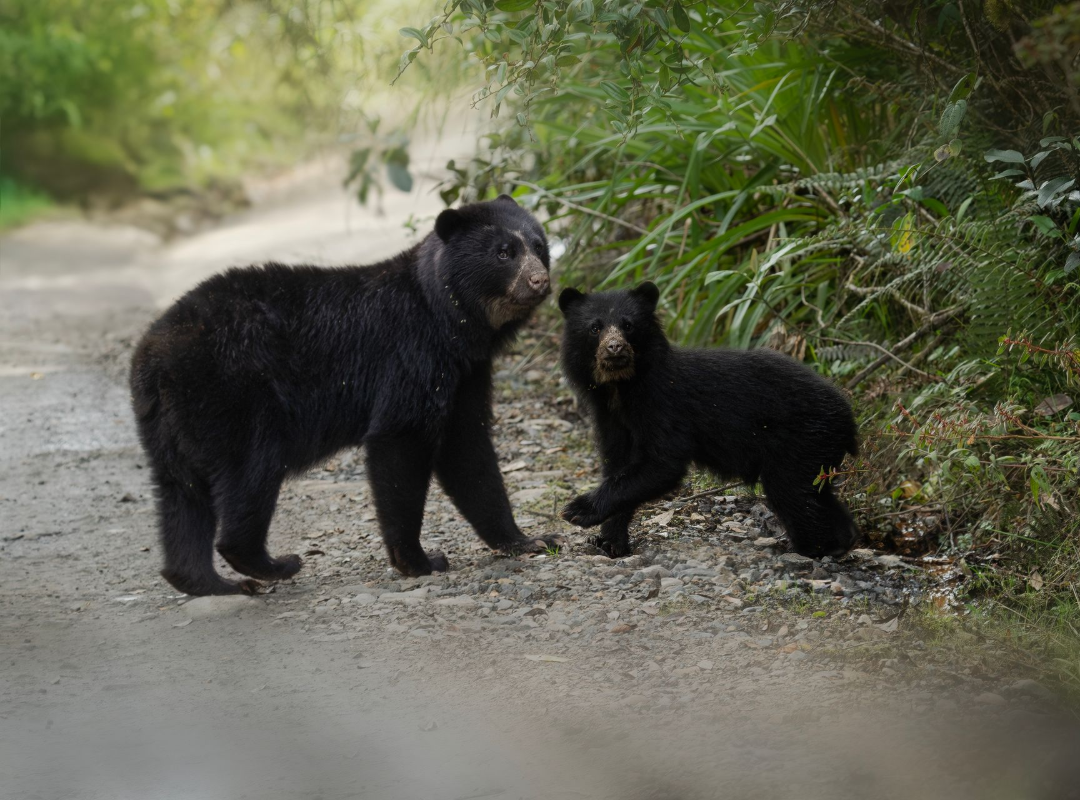
- Young animals with parents
- Feeding or hunting activities
Disturbing animals during these moments can have serious consequences.
Photographers should always respect boundaries and follow guidance from local experts when working in sensitive environments.
Minimize Your Impact on the Environment
Wildlife habitats can be fragile, particularly in forests, wetlands, and remote natural areas.
Photographers should take steps to reduce their environmental footprint by:
- Staying on established paths and trails
- Avoiding damage to vegetation
- Carrying out all waste
- Reducing noise and sudden movement
Protecting the environment ensures that wildlife habitats remain healthy and accessible for future generations.
Work with Responsible Wildlife Guides
Professional guides play a crucial role in conservation-focused photography.
Experienced guides understand how to balance photography opportunities with the protection of wildlife.
They help photographers:
- Locate animals without disturbing them
- Follow ethical guidelines in the field
- Understand the ecological importance of different species
- Navigate protected areas responsibly
Working with knowledgeable guides increases both safety and conservation awareness during photography tours.
Use Photography to Support Conservation
Wildlife photography has the power to raise awareness and inspire action.
Photographers can contribute to conservation by:
- Sharing images that highlight biodiversity
- Promoting the importance of protecting natural habitats
- Supporting conservation organizations and initiatives
- Encouraging responsible wildlife tourism
Images that tell meaningful stories can influence how people understand and value nature.
Be Patient and Let Nature Guide You
Conservation-focused photography requires patience.
Instead of rushing or forcing situations, photographers should allow nature to guide their experience.
Spending time observing wildlife often leads to:
- Better understanding of behavior
- More natural and relaxed subjects
- Unique photographic opportunities
Patience not only improves image quality but also reduces stress on animals.
Respect Local Communities and Conservation Efforts
Many wildlife photography destinations are closely connected to local communities.
These communities often play a key role in protecting natural habitats and supporting conservation initiatives.
Photographers should:
- Respect local customs and guidelines
- Support eco-tourism businesses
- Appreciate the role of local guides and conservation workers
Responsible tourism helps create a positive relationship between photography and conservation.
Choose Ethical Photo Wildlife Tours
Selecting the right photography tour is one of the most important decisions photographers can make.
Ethical tours prioritize conservation, responsible wildlife observation, and sustainable practices.
These tours typically offer:
- Small group sizes for low-impact observation
- Experienced guides trained in ethical practices
- Carefully selected locations that protect wildlife habitats
- A focus on education and conservation awareness
By choosing responsible tours, photographers contribute directly to the protection of wildlife and ecosystems.
Experience Conservation-Focused Photography with Retorno Photo Tours
Retorno Photo Tours is committed to combining wildlife photography with strong conservation principles.
Our tours are designed to provide photographers with exceptional opportunities while protecting the natural environments we visit.
When you join our tours, you benefit from:
- Ethical wildlife photography guidelines
- Experienced guides who prioritize conservation
- Access to carefully selected wildlife locations
- Small groups that reduce environmental impact
We welcome photographers from around the world who want to explore Colombia and South America responsibly.
If you would like to learn more about our wildlife photography tours, we invite you to contact us through our website.
By combining conservation with photography, every photographer can play a role in protecting the natural world while capturing powerful and meaningful images.