
How to Prepare for a Harpy Eagle Expedition: Gear, Clothing, Safety, and Weather Guide
How to Prepare for a Harpy Eagle Expedition: Gear, Clothing, Safety, and Weather Guide
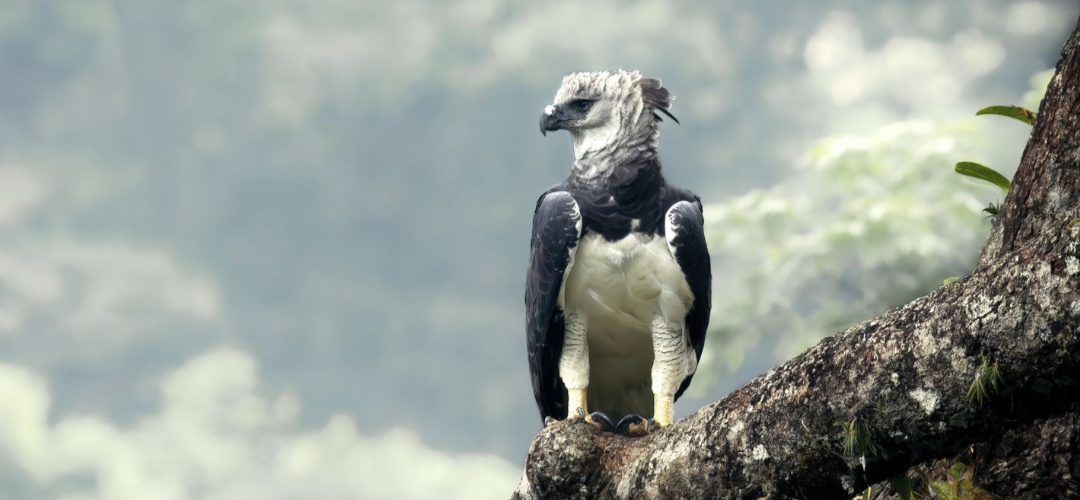
Photographing the Harpy Eagle—the most powerful raptor in the Americas—is one of the most exhilarating wildlife experiences a photographer can undertake. It is the pinnacle of rainforest bird photography: the blend of dense jungle, unpredictable weather, steep trails, low light, and the unmatched presence of an apex predator creates a challenge worthy of the world’s most dedicated wildlife photographers.
A Harpy Eagle expedition is not like a typical birdwatching trip. Accessing active nests, navigating remote forests, dealing with humidity, and managing photographic equipment in harsh environments require preparation. The better prepared you are, the better your photography results—and the safer you’ll be.
This comprehensive guide explains exactly how to prepare for a Harpy Eagle expedition, covering:
- The essential camera gear
- Recommended clothing
- Protection for your equipment
- Health and safety considerations
- Weather and seasonal planning
- Practical field strategies
- Behavior to expect at each nesting stage
With the Harpy Eagle nesting cycle currently in Stage 2 (Incubation, Nov–Dec 2025), and with the most dramatic behavior beginning in early 2026, preparation now is key for anyone planning to witness—and photograph—one of the most extraordinary wildlife spectacles in South America.
Understanding the Expedition Environment
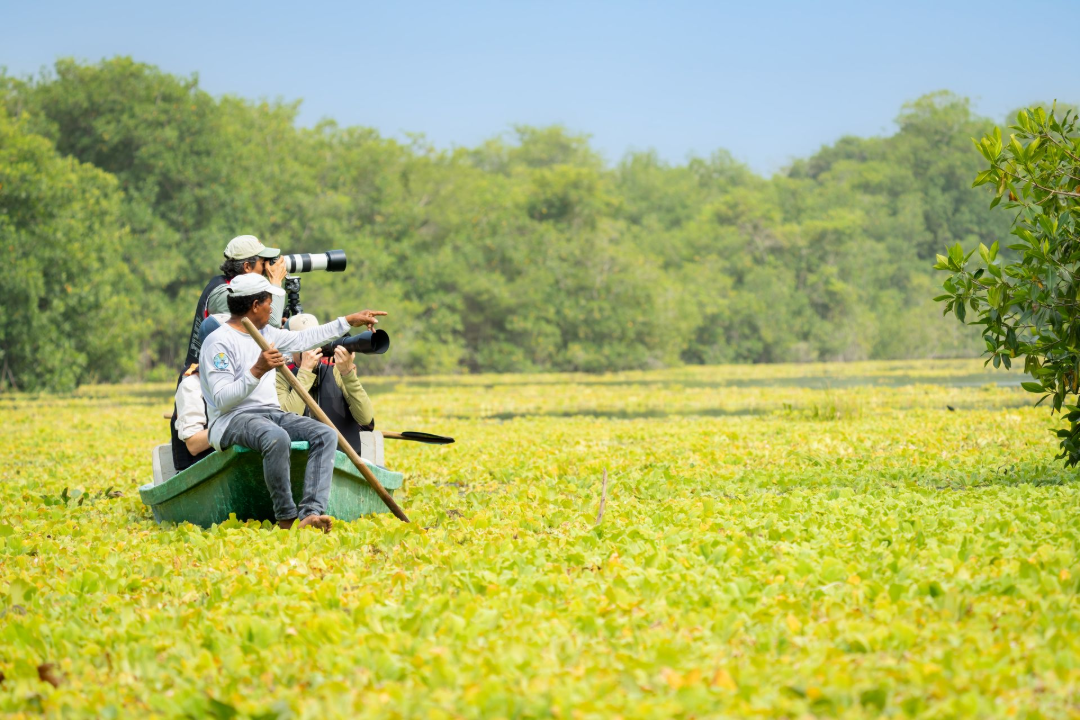
Harpy Eagles inhabit some of the most remote, humid, and forested environments in the world. Access often involves forest trails, boat rides, humid conditions, and long hours observing from a hide or platform.
Expect:
- High humidity
- Soft, changing light conditions
- Long hours of waiting
- Dense vegetation
- Heat and sudden rain
- Steep or muddy terrain
Because Harpy Eagles rely on the stability of their nesting area, access to these sites must be done with deep respect for conservation rules. Professional guides and biologists monitor nests constantly to ensure zero disturbance—so your preparation must support that.
The Harpy Eagle Nesting Cycle: Key Stages for Photographers
Your gear and expectations depend largely on which stage of the nesting cycle you are photographing. Here is the cycle you provided, with expectations for photographers:
Stage 1 — Courtship, Mating & Nest Building (Aug–Oct 2025)
- Parents rebuild the nest
- Male delivers prey to the female
- Good for documenting interactions and nest structure
Stage 2 — Incubation (Nov–Dec 2025) — Current Stage
- Female stays on the egg day and night
- Male frequently brings prey
- Excellent for portraits and prey-delivery documentation
Stage 3 — Hatching & Parental Care (Jan–Apr 2026)
- Chick emerges; both parents feed it
- Best for behavior shots, feeding sequences, and family interactions
- Ideal for long-lens photography
Stage 4 — Wandering Care & First Flights (Jun–Sep 2026)
- Juvenile spreads wings, jumps, and tests balance
- The most action-packed stage
- Opportunities for wing extension, first flights, and physical development
Stage 5 — Juvenile Independence (Late 2026 onward)
- Young eagle begins hunting attempts
- Best for documenting independence and early predation behavior
Different stages require different gear priorities, which we will cover below.
Essential Camera Gear for Harpy Eagle Photography
Harpy Eagles are usually observed from regulated distances to avoid disturbance, meaning long lenses are essential. However, the dense forest also requires fast glass and reliable stabilization.
Primary Lens Recommendations
- 500mm f/4 or 600mm f/4 (ideal for distant nests)
- 400mm f/2.8 (excellent for low-light forests)
- 100–400mm or 200–600mm (flexibility for closer nests)
The f/4 lenses are especially important because rainforest light is softer and darker than photographers expect—sometimes even at midday.
Secondary Lens Options
Bring one of the following:
- 70–200mm f/2.8 — for environmental compositions
- 24–70mm — for forest scenes, habitat shots, and camp life
- 14–24mm — for dramatic rainforest landscapes
Camera Bodies
You should bring two bodies:
- Primary wildlife camera (fast autofocus + high ISO tolerance)
- Backup body (humidity can kill electronics quickly)
Mirrorless systems are excellent for low-light and quiet shooting, which is important around nesting wildlife.
Tripods and Stabilization
- Carbon fiber tripod (light, strong, humidity-resistant)
- Gimbal head (necessary for long lenses)
- Beanbag (useful in hides or platforms)
Tripods are often required for long hours of waiting.
Essential Accessories
A few must-bring items:
- Extra batteries (humidity drains them faster)
- Fast, reliable memory cards
- Dry bags
- Lens cleaning cloths
- Silica gel packs
- Rain cover for camera and lens
These items prevent your gear from failing when humidity spikes.
Protecting Your Gear in Extreme Conditions
Humidity is the biggest enemy of cameras in the rainforest. Mold can develop on lenses within hours if equipment is not protected.
Best Practices for Gear Protection
- Store equipment in dry bags
- Add silica packs inside camera bags
- Never leave lenses exposed for long periods
- Use rain covers even on clear days
- keep your camera outside the bag for 10–15 min when transitioning from cold AC to hot air (to prevent condensation inside lenses)
In remote areas, equipment failure means no photos—so protection is key.
Clothing and Field Gear: What to Wear in the Rainforest
Comfort and protection are essential for long days in the forest.
Recommended Clothing
- Lightweight, breathable long-sleeve shirts
- Quick-dry pants
- Waterproof hiking boots
- Merino socks
- Wide-brim hat
- Buff or neck gaiter
- Light rain jacket
Neutral earth tones are best—avoid bright colors that distract wildlife.
Other Field Essentials
Bring:
- Insect repellent
- Rehydration salts
- Lightweight gloves (for muddy trails)
- Small towel
- Compact first-aid kit
- Headlamp
Hikes to Harpy Eagle sites can be long and humid, so comfort matters.
Weather Planning: What to Expect in Harpy Eagle Habitat
Harpy Eagles live in one of the wettest ecosystems on Earth: the tropical rainforest. Conditions vary depending on the nesting cycle and season.
Typical Weather
- High humidity: always
- Sudden rainstorms: common
- High temperatures: especially midday
- Soft diffused light: excellent for portraits
If visiting during Stage 3 (Jan–Apr 2026)—the most behavior-rich stage—expect more rain, but also more frequent parent activity.
Dry seasons can offer:
- Better trail conditions
- Less mud
- More flight opportunities
Wet seasons offer:
- Better feeding behavior
- Softer light
- More dramatic mist and atmosphere
Both seasons have photographic benefits.
Safety Guidelines for a Harpy Eagle Expedition
Photographing at a regulated nesting site requires strict ethical behavior.
General Safety Rules
- Always follow guide and biologist instructions
- Maintain approved distances
- Never make sudden movements or loud sounds
- Stay within designated observation platforms
- Avoid strong perfumes or scented lotions
- Move slowly and deliberately
These rules protect both you and the eagles.
Health Safety Tips
- Drink water regularly
- Use insect protection
- Rest when needed
- Avoid standing still in tall grass (ticks and ants)
- Wear proper footwear
How to Manage Long Hours in the Field
Harpy Eagle photography involves waiting—sometimes for hours—for the perfect moment.
Best Strategies
- Pack snacks and water
- Bring a comfortable sitting pad
- Keep your lens trained but relaxed
- Use a gimbal to reduce fatigue
- Keep spare batteries in a sealed bag
- Stay quiet and minimize movement
Moments like prey delivery, wing stretching, or the juvenile’s first jumps happen in a split-second—preparation is everything.
Behavior Photographers Can Expect (Stage-by-Stage)
During Incubation (Now, Nov–Dec 2025)
- Female is stationary
- Male brings prey to nest
- Excellent for portrait shots
During Hatching & Care (Jan–Apr 2026)
- Chick begging
- Feeding sequences
- Prey deliveries
- Prey selection behavior
During First Flights (Jun–Sep 2026)
- Wing spreading
- Branch-to-branch jumps
- Balance practice
- Occasional low flights
This is the stage with the greatest action.
Field Etiquette: How to Behave Near a Harpy Eagle Nest
Because Harpy Eagles reproduce slowly—only one chick every 2–3 years—ethical behavior is absolutely essential.
Key Rules
- Never approach the nest directly
- Never step off marked trails
- Avoid bright clothing
- Do not use flash
- Keep voices low
- Do not imitate calls
- Never overstay time limits
Your guides ensure all viewing is non-invasive, but your behavior is equally important.
Mental Preparation: What to Expect Emotionally
A Harpy Eagle expedition is as emotional as it is technical. Photographers often describe:
- Awe
- Respect
- A sense of privilege
- Deep connection with nature
- A feeling of witnessing something ancient
Few wildlife experiences compare to watching a Harpy Eagle look directly into your lens.
Final Tips for a Successful Expedition
A few final reminders:
- Practice with long lenses before the trip
- Prepare for humidity
- Keep your equipment clean
- Stay patient
- Trust your guides
- Enjoy the moment—don’t only think of the shot
Some of the best memories happen outside the photographs.
📸 Ready to Experience the Most Complete Harpy Eagle Expedition?
Prepare your gear, pack smart, and get ready for one of the greatest wildlife adventures in the world. Join our Wildlife Harpy Eagle Tour and photograph this magnificent species in the best locations in South America. Retorno Photo Tours offers exclusive access, expert guidance, and the top Harpy Eagle territories for an unbeatable photography experience.