
When Is the Best Time to Join a Bird Photography Tour in the Amazon?
When Is the Best Time to Join a Bird Photography Tour in the Amazon?
The Amazon rainforest is one of the most biodiverse regions on Earth, home to thousands of bird species ranging from vibrant parrots and toucans to elusive antbirds and hummingbirds. For bird photographers, visiting the Amazon is a dream, but timing is crucial. Understanding the seasonal patterns, weather, and bird behavior can significantly improve your chances of capturing stunning images.
At Retorno Photo Tours, we specialize in providing immersive bird photography experiences in the Amazon. This guide will help you determine the best time to plan your tour to maximize bird sightings and photography opportunities.
1. Understanding Amazon Seasons
The Amazon experiences two main seasons: the wet season and the dry season. Each season affects water levels, forest accessibility, and bird activity differently.
Wet Season
The wet season typically lasts from December to May. Heavy rainfall causes rivers to swell, flooding forest floors, but it also triggers an abundance of fruiting and flowering plants, attracting nectar-feeding and frugivorous birds. Migratory species often arrive during this time, increasing the diversity you can photograph.
Dry Season
The dry season runs from June to November. Lower water levels make trails, beaches, and forest edges more accessible. Birds often gather around remaining water sources, making it easier to spot and photograph them. Additionally, the dry season provides more predictable weather for extended photography sessions.
2. Early Morning vs. Late Afternoon Photography
Regardless of the season, bird activity peaks during the early morning and late afternoon. These golden hours provide the best natural light and increase the likelihood of photographing active birds.
- Early Morning: Birds feed and sing at dawn. Misty mornings create atmospheric conditions perfect for dramatic shots.
- Late Afternoon: Warm, soft light highlights plumage colors and textures while birds prepare to roost.
3. Migratory Patterns and Peak Bird Activity
The Amazon attracts migratory species from North America, the Andes, and other South American regions. Peak activity varies depending on the bird group:
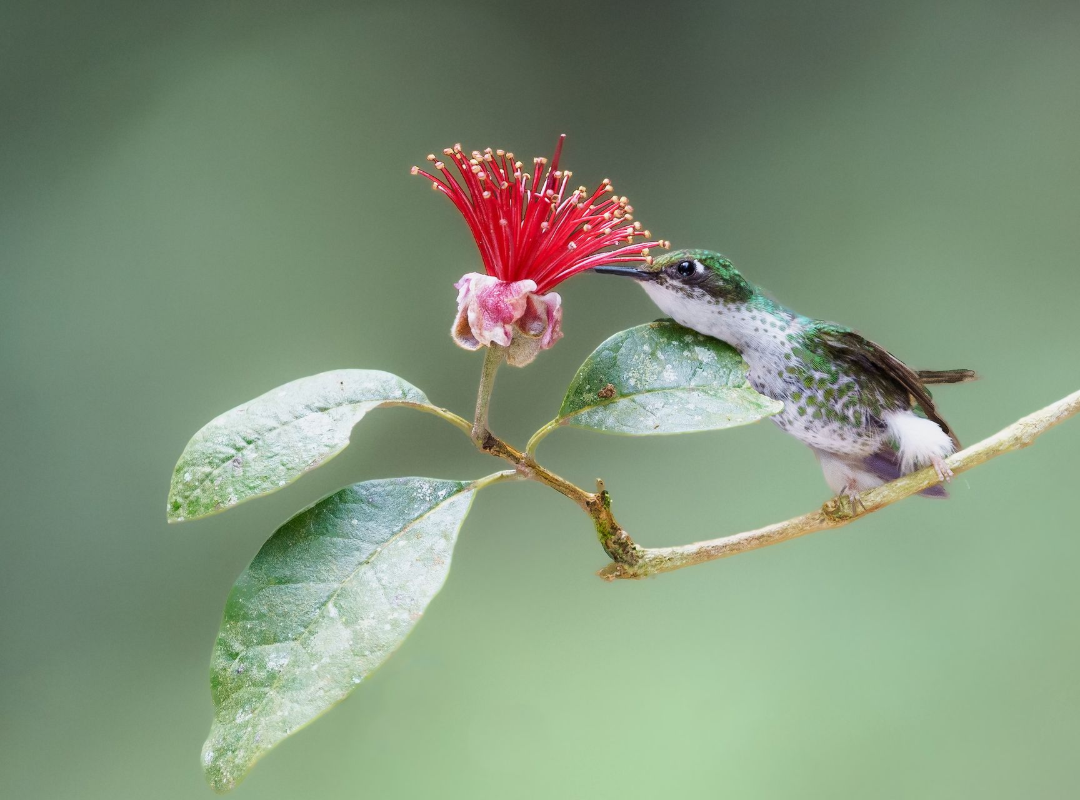
- Hummingbirds: Best observed during the wet season when flowers are abundant.
- Parrots and Macaws: More visible in the dry season when fruits and seeds are concentrated near open areas.
- Shorebirds and Waterfowl: Often easier to photograph during the dry season along exposed riverbanks.
4. Water Levels and Accessibility
Water levels greatly impact accessibility in the Amazon. During the wet season, flooded forests require boat travel, which can limit some trail access but open opportunities for canoe photography of waterbirds. The dry season allows hiking trails and observation towers to be fully accessible, providing multiple vantage points for bird photography.
5. Weather Considerations
Weather affects not only bird behavior but also comfort and equipment safety. High humidity and rain can impact camera gear, while intense sun may require extra precautions for both photographer and subject. The dry season generally offers more stable weather, ideal for longer field sessions.
6. Species-Specific Photography Opportunities
Some birds are seasonal or rare, making timing essential:
- Harpy Eagles: Sightings are more common in certain months due to prey availability.
- Manakins and Tanagers: Breeding displays often occur during the wet season.
- Hummingbirds: Nectar sources peak in bloom cycles during the wet season.
7. Consider Tour Length and Flexibility
Longer tours increase the chance of photographing rare or elusive species regardless of season. Retorno Photo Tours often offers itineraries ranging from 7 to 14 days, allowing flexibility to catch both resident and migratory birds.
8. Combining Seasons for Optimal Experience
For photographers who want to experience the Amazon at its most diverse, consider traveling during the transitional months (May–June) between wet and dry seasons. This period offers a mix of high water levels, abundant food sources, and increased bird activity.
9. Expert Tips from Retorno Photo Tours Guides
- Plan early morning excursions for the best light and bird activity.
- Use blinds or observation towers to capture shy or territorial species.
- Check local bloom and fruiting calendars for nectar-feeding species.
- Pack lightweight waterproof gear to protect camera equipment in wet months.
10. Preparing for Your Tour
- Pack versatile lenses (100–500mm zoom is ideal).
- Bring extra memory cards and batteries due to long field sessions.
- Plan for early mornings and flexible schedules to catch peak activity.
- Stay hydrated and protected from sun and insects.
11. Why Timing Matters for Photography
Proper timing increases your chances of:
- Capturing vibrant plumage under ideal lighting conditions.
- Observing rare or migratory species during peak abundance.
- Minimizing weather-related challenges like heavy rain or floods.
12. Conclusion
The Amazon offers unparalleled opportunities for bird photographers. Choosing the best time to visit requires balancing seasonal bird activity, water levels, accessibility, and weather conditions. Generally, the dry season (June–November) provides easier access, while the wet season (December–May) offers unique feeding and migratory opportunities.
At Retorno Photo Tours, we guide photographers to the most productive locations based on the season, ensuring every tour maximizes sightings and photographic success. By planning carefully and timing your visit strategically, you’ll capture the incredible diversity of the Amazon rainforest and return with unforgettable bird images.