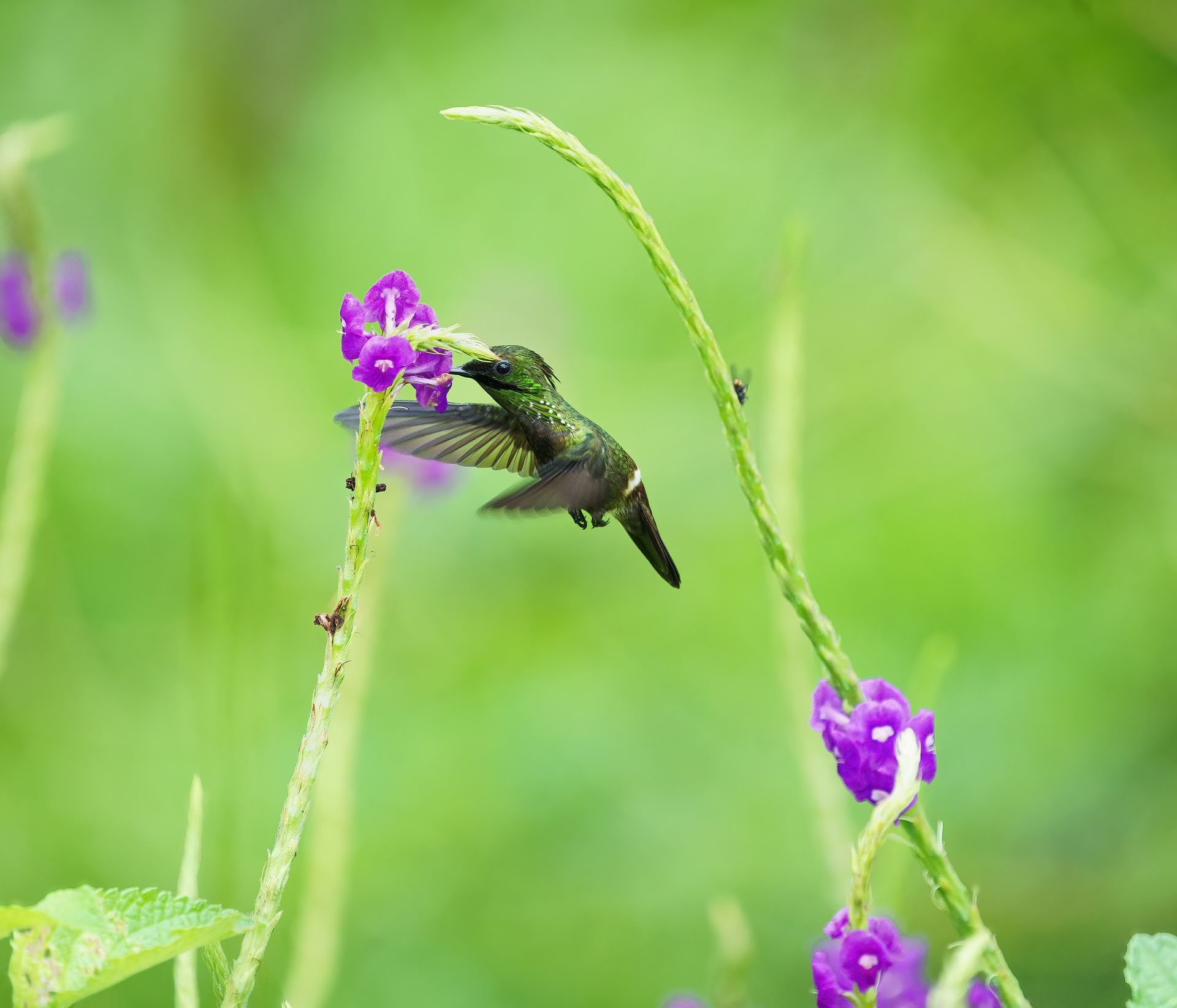

Andean Altitude Photography Guide for Birders
Understand What Altitude Changes in the Field
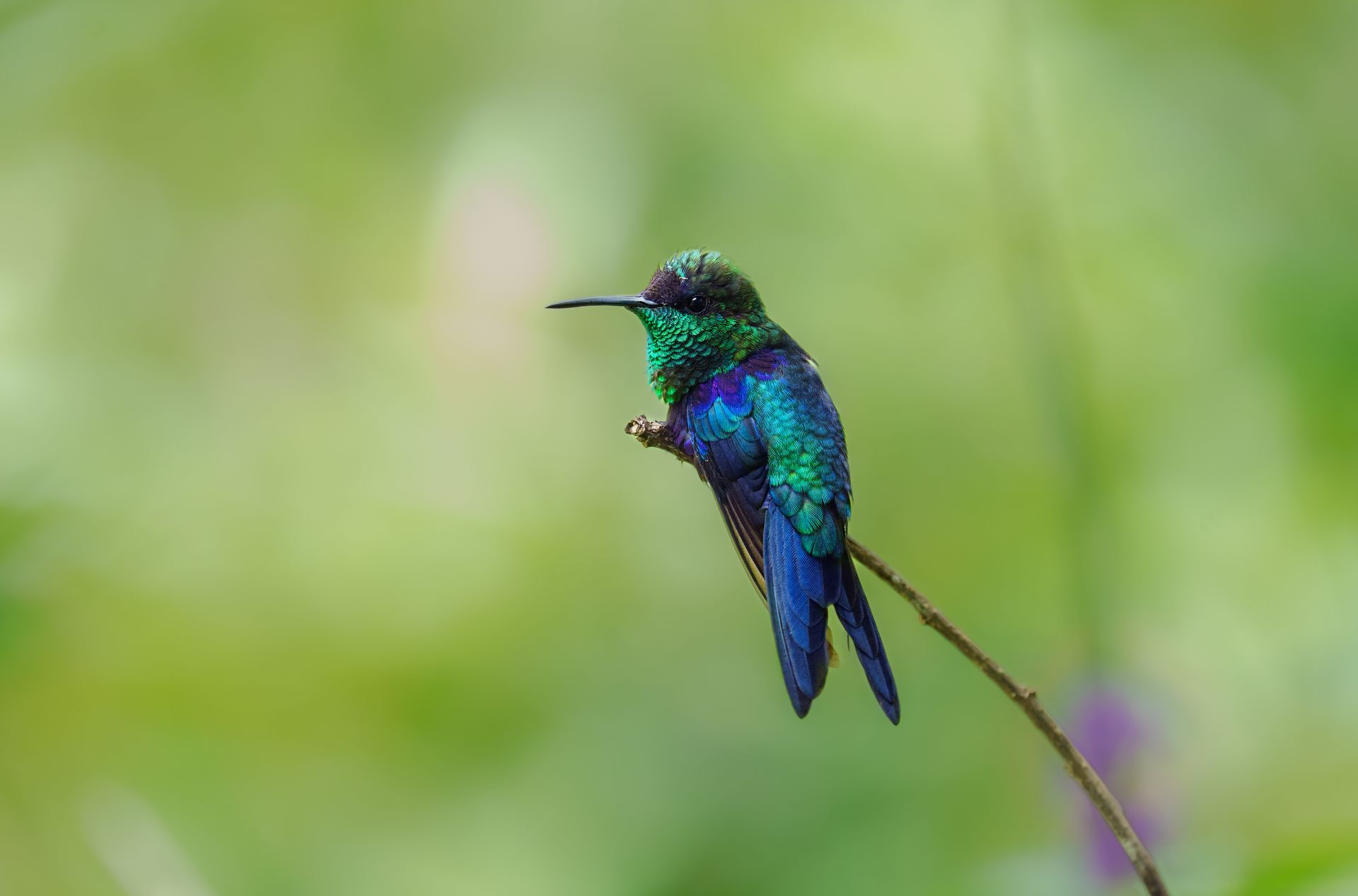
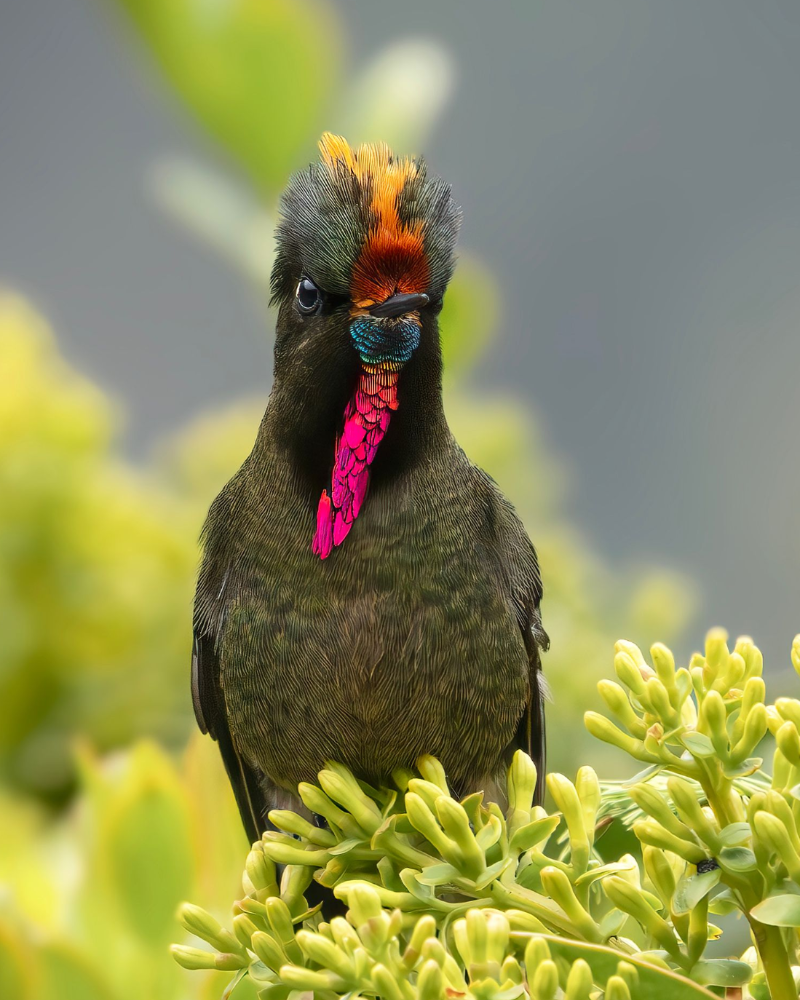
A Sword-billed Hummingbird appears for seconds, hovering in bright cloud-forest light before vanishing into the bromeliads. At 9,000 feet, your heart is working harder, your long lens feels heavier, and a passing cloud has changed the exposure by two stops. That is the reality behind a rewarding Andean altitude photography guide: the mountains can deliver extraordinary bird photography, but they ask for preparation, patience, and a pace that respects both the landscape and your body.
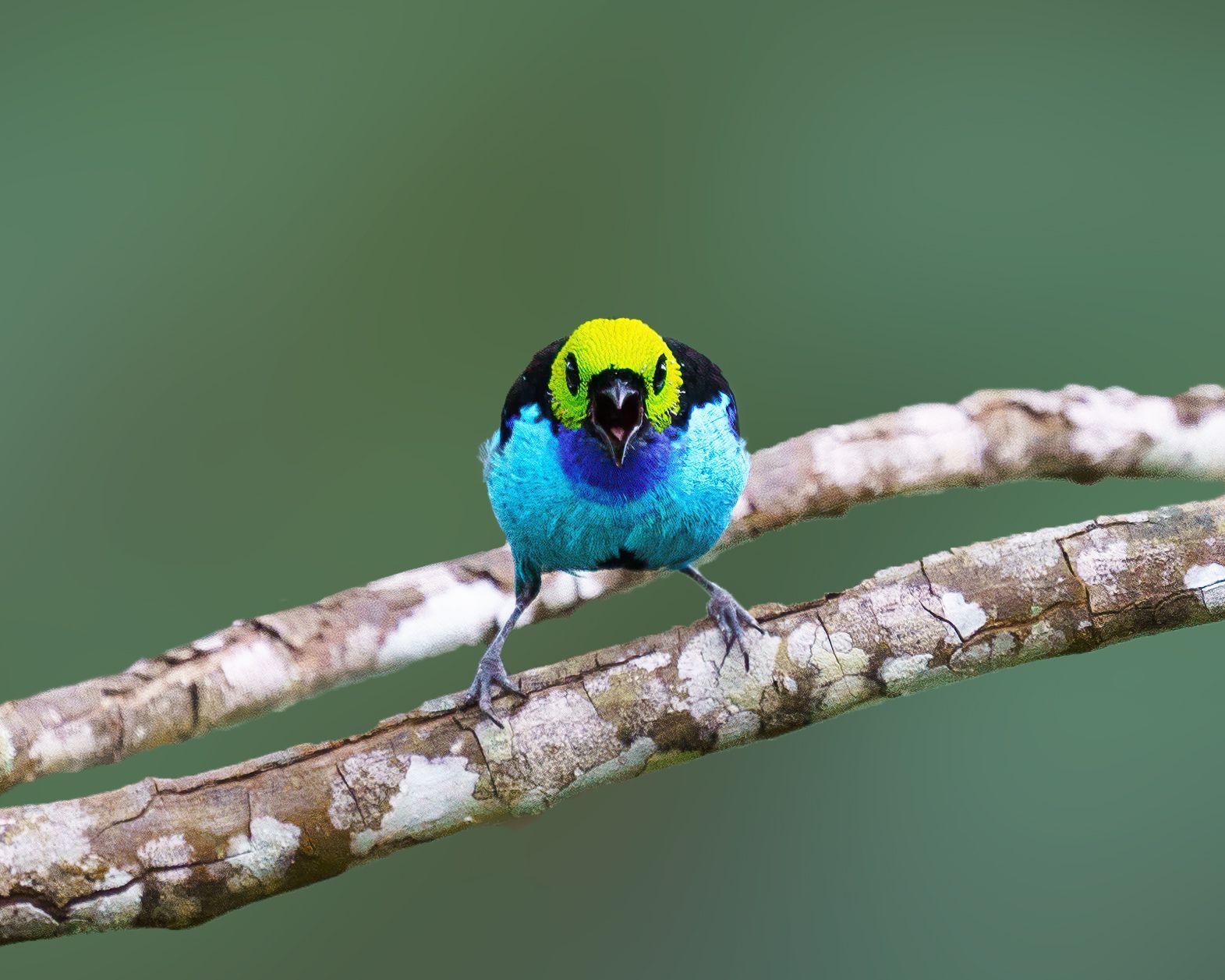
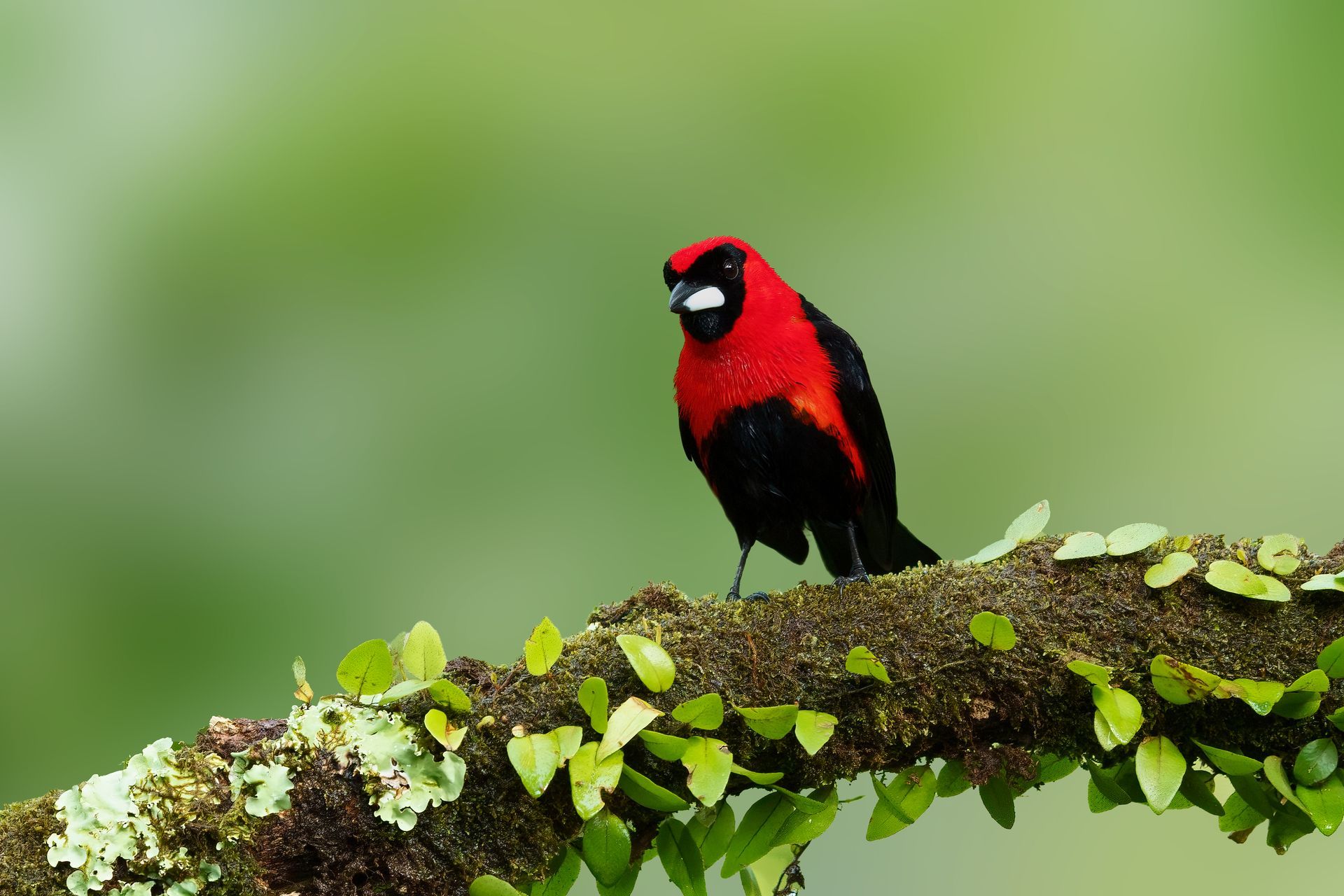
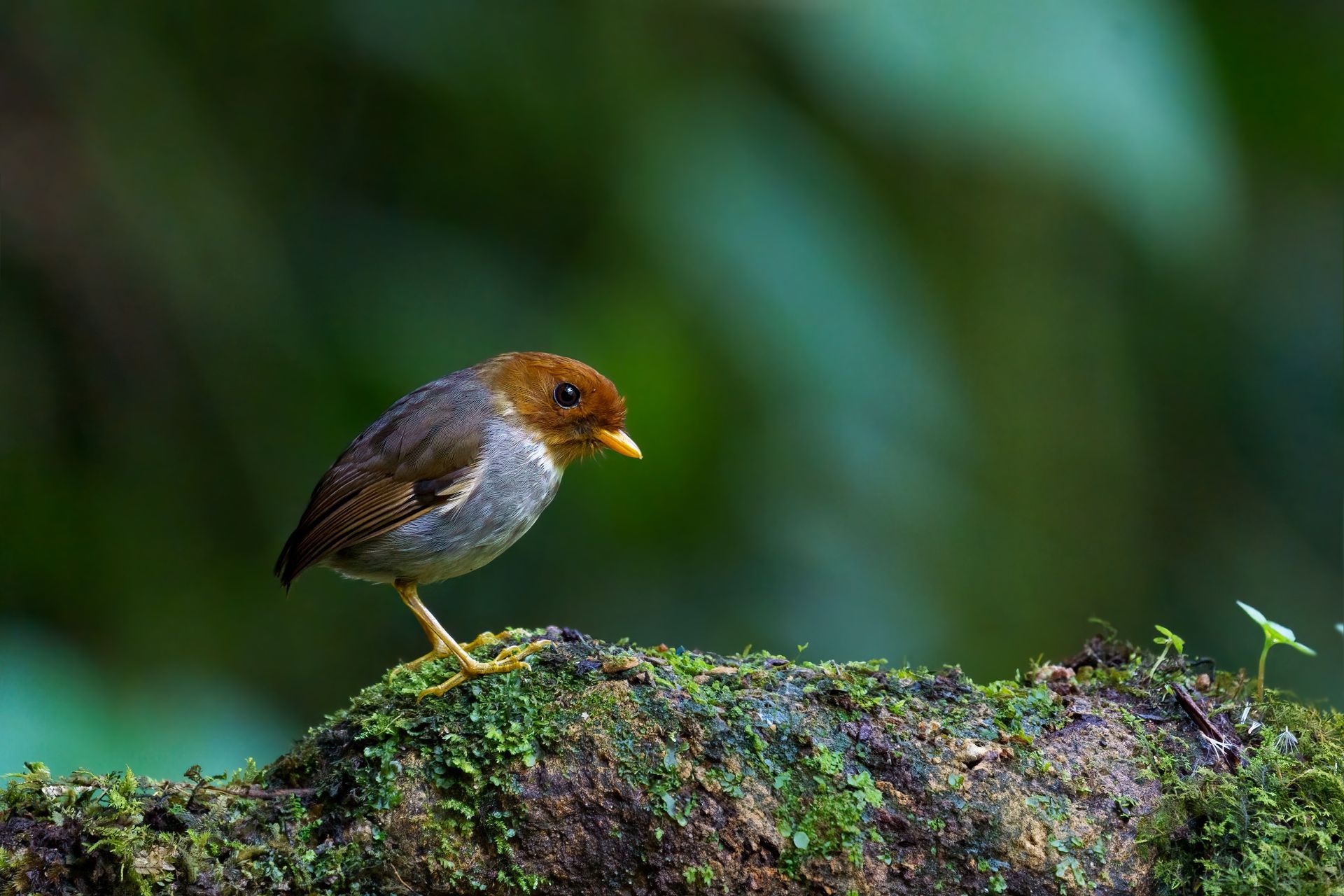
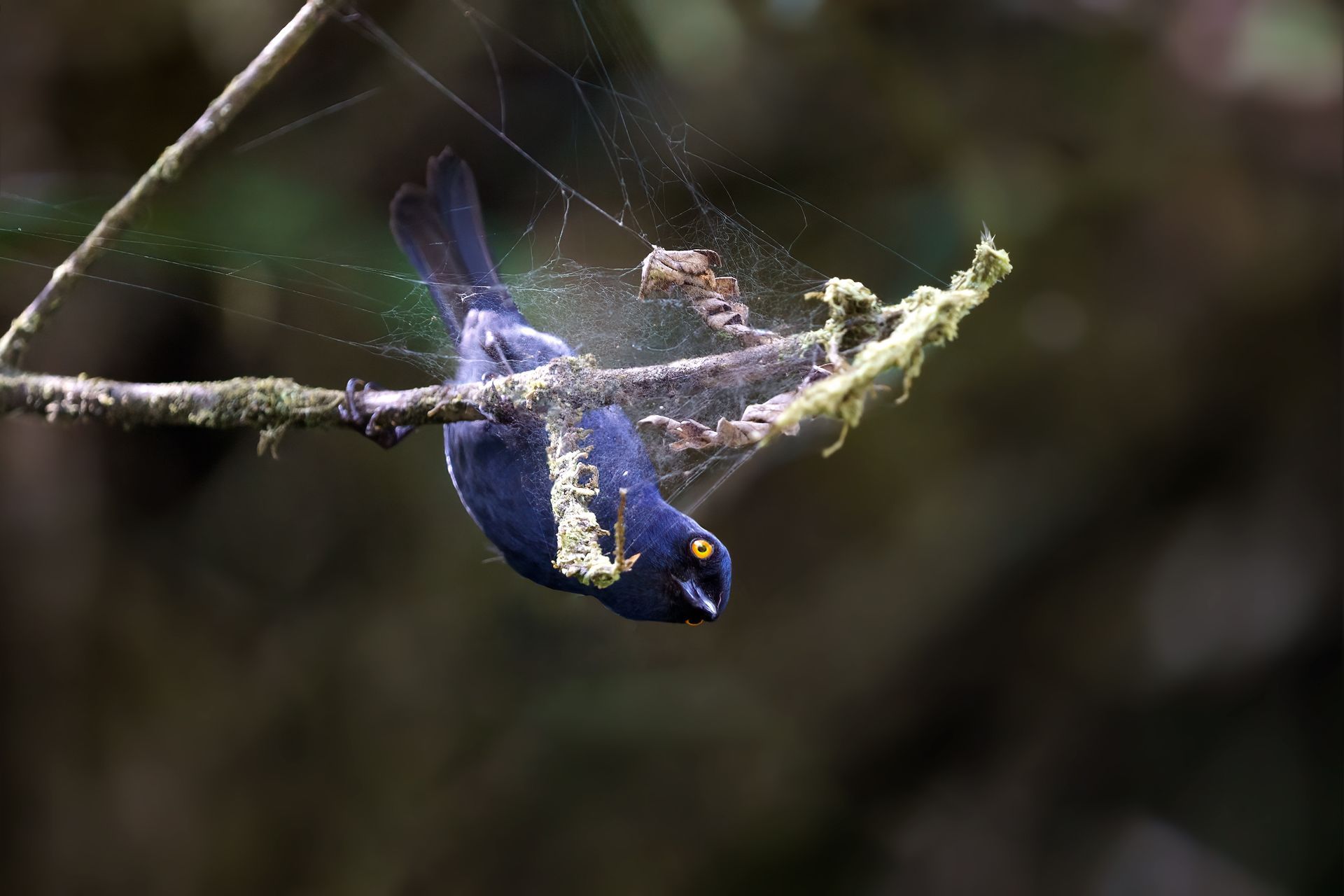
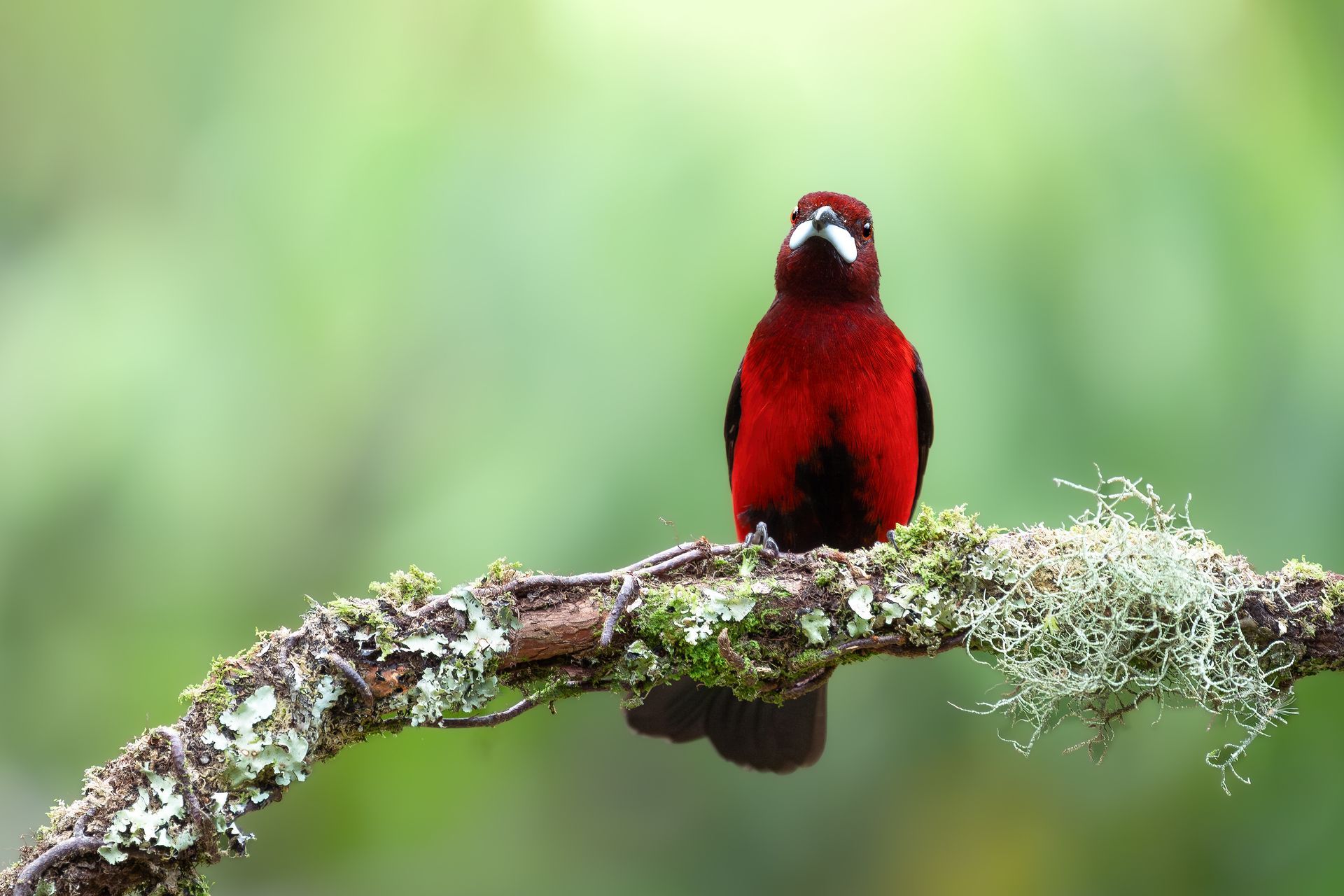
Colombia’s Andes hold an exceptional concentration of endemic and range-restricted birds, from colorful tanagers and mountain-toucans to antpittas, hummingbirds, and Spectacled Bears. The elevations that make these ecosystems so productive also create practical challenges. A successful photographic day is not about fighting the mountain. It is about adapting your equipment, exposure decisions, and expectations to it.
Understand What Altitude Changes in the Field
Altitude affects people differently. Some photographers feel only mild shortness of breath on their first day at 7,000 to 10,000 feet. Others notice headaches, disrupted sleep, fatigue, or a reduced appetite. Fitness helps, but it does not make anyone immune. The most reliable approach is to arrive with enough time to acclimatize and avoid treating the first afternoon as a race to photograph every possible species.
At elevation, simple movements take more energy. Carrying a [600mm lens](https://www.retornophototours.com/mastering bird photography with long lenses) uphill, climbing a wet trail, or standing for an hour at a hummingbird garden can leave you less steady than usual. That matters when you are trying to hold a bird’s eye sharp at a slow shutter speed. Drink water consistently, eat regular meals, limit alcohol when you first arrive, and tell your guide promptly if symptoms are worsening rather than improving.
Cold is another surprise. Equatorial does not mean hot in the Andes. A pre-dawn photo session at 10,000 feet can be chilly, damp, and windy, while a lower-elevation afternoon can feel warm and humid. Layering gives you far more control than one heavy jacket. A moisture-wicking base layer, insulating mid-layer, waterproof shell, warm hat, and thin gloves will cover most conditions without restricting your ability to operate camera controls.
Build a Camera Kit for Andean Conditions
The right kit depends on your subjects and how you prefer to work, but mobility deserves real consideration. A large prime lens provides reach and excellent subject separation for distant birds, yet it can be tiring on steep trails. A 100-400mm or 200-600mm zoom often gives valuable flexibility when a mixed flock suddenly fills the roadside vegetation at close range.
For dedicated bird photographers, a 400mm, 500mm, or 600mm lens paired with a capable mirrorless body remains a powerful setup. Bring enough batteries for a full day because cold temperatures can shorten battery life, and keep spares in an inner pocket where body heat helps. Two camera bodies can be worthwhile on a focused expedition: one with a long lens for birds and mammals, another with a shorter zoom for habitat, butterflies, orchids, and unexpected close encounters.
Moisture protection is not optional in cloud forest. Pack a rain cover for camera and lens, microfiber cloths, and a dry bag or protective case for travel days. Condensation is common when moving between cool mountain air and heated vehicles or rooms. Do not rush to expose cold equipment to warm, humid air. Give it time inside a closed bag to adjust gradually.
A tripod can be useful at feeders, for low-light forest work, and for deliberate landscape images. On active trails, though, a monopod or hand-held setup may let you react faster. There is no universal answer. If your itinerary includes established hummingbird stations, a tripod is often worth carrying. If it emphasizes fast-moving mixed flocks along narrow paths, lighter support may be the wiser trade-off.
Exposure Decisions for Thin Air and Fast Weather
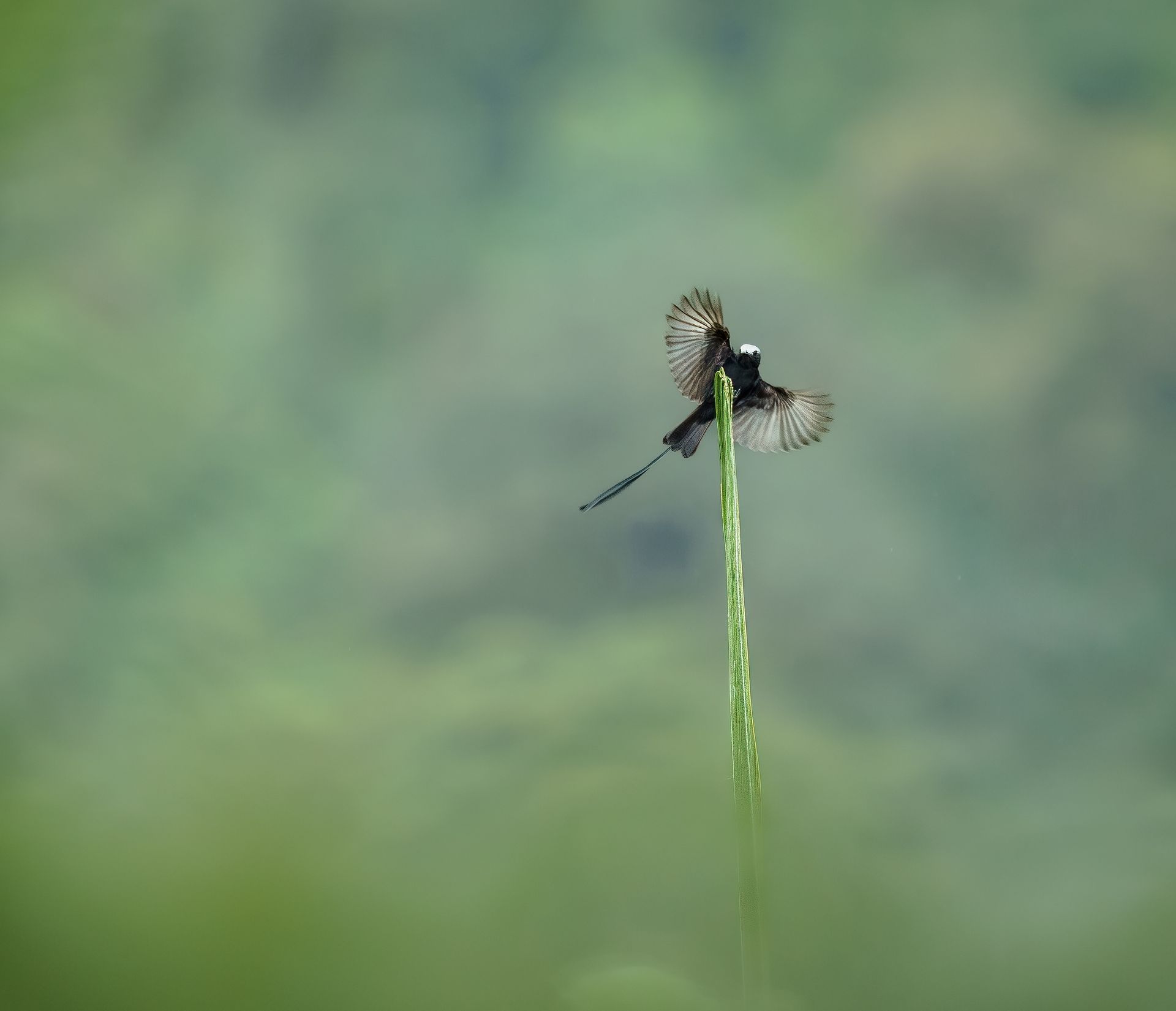
The Andes reward photographers who watch the light rather than rely on fixed settings. A clear morning can become foggy within minutes. Bright white clouds may drift behind a dark bird, then open into direct sun just as it lands. Use manual exposure with auto ISO when light is variable but your subject demands a consistent shutter speed and aperture. This is particularly effective for birds in flight and hummingbirds.
For perched birds, prioritize shutter speed before chasing the lowest possible ISO. A tanager may sit quietly, but branches sway in mountain breezes and birds move without warning. Around 1/1000 second is a sensible starting point for many small birds, with faster speeds needed for active species. For hummingbirds, the goal changes depending on the image you want. Ambient light and a fast shutter can preserve a natural wing blur, while carefully controlled flash setups can freeze wing detail where appropriate and permitted.
Cloud forest scenes often fool the meter. Dark foliage and bright flowers can lead to overexposed highlights, while a pale sky behind a bird can leave the subject too dark. Check your histogram and highlight warnings often. A slightly underexposed raw file can usually retain more highlight information than one with clipped white feathers.
Do not ignore the softer hours created by mist and overcast. Flat light can bring out subtle plumage colors, reduce contrast on white-throated or iridescent birds, and create atmospheric habitat portraits. The dramatic postcard view has its place, but the intimate image of a bird emerging from fog often tells a more convincing Andean story.
Work With the Mountain, Not Against It
At altitude, your field craft becomes as important as your camera settings. Move slowly on trails, pause before entering a productive area, and let the forest settle. A rushed approach sends birds deeper into cover and leaves you breathless when the opportunity arrives. Many exceptional images happen when the group stays quietly in place and waits for a flock to return.
Listen as much as you look. The high Andes can seem quiet until a guide identifies the calls of a tapaculo, antpitta, or flock-leading species. Local knowledge turns a patch of dense vegetation into a place with photographic possibility. It also helps photographers understand when to wait, where to stand without blocking a trail, and how to avoid stressing wildlife.
Ethical practice matters especially around sought-after species. Never push too close to nests, use playback carelessly, alter perches, or pressure a bird to repeat behavior for a frame. The strongest wildlife photographs come from natural moments, and the privilege of returning to these areas depends on respect for habitats and local communities. In Colombia, community-run reserves, rural landowners, and local guides are often central to protecting the forest that makes these encounters possible.
Plan Your Day Around Energy and Opportunity
Early mornings are often the most productive period for bird activity, but they can also be the coldest and most demanding. Prepare your clothing, rain cover, memory cards, and camera settings the night before. A calm start prevents missed shots when the first light reaches a feeder or a rare species calls from the edge of the forest.
Use midday intelligently. At some elevations, hummingbird feeders remain highly active, while mixed flocks may slow down. This can be an ideal time to review files, clean moisture from gear, recharge batteries, eat well, and reset for the afternoon. On a multi-day itinerary, protect your energy. One rested photographer will make better decisions on day five than someone who tried to carry everything and photograph nonstop on day one.
Weather can force changes to a plan, particularly on mountain roads. That is not necessarily lost time. Rain may bring amphibians into view, fog can transform a familiar forest scene, and a delayed departure may create a productive window at a nearby lodge garden. Experienced local coordination is valuable because it connects changing conditions with realistic alternatives rather than leaving photographers guessing.
A Better Kind of Mountain Image
Portfolio images from the Andes are not only about rare species and long species lists. They are about place: a hummingbird framed by flowering shrubs, a bear moving through high-elevation forest, a guide listening for a hidden endemic, and the layered ridges beyond a cloud forest clearing. Include habitat frames alongside tight portraits. Photograph the hands that prepare a local meal, the early light over a rural valley, and the conservation work that keeps productive land connected to forest.
Retorno Photo Tours builds photographic journeys around those complete field experiences, with the local knowledge and logistical care needed to keep your attention where it belongs: on the next call from the forest, the next break in the clouds, and the wildlife that makes the Andes unforgettable.
When the mountain asks you to slow down, accept the invitation. Breathe, watch the light, and be ready when the forest offers its brief, breathtaking moment.
Scheduled Tours
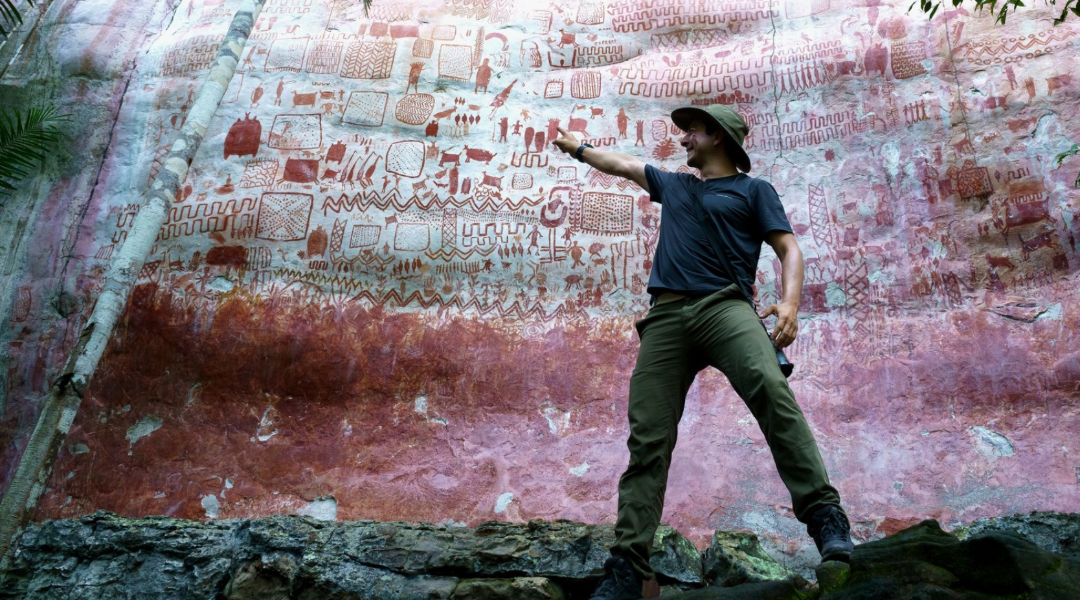
The road to Chiribiquete, Colombia's Western Amazon.
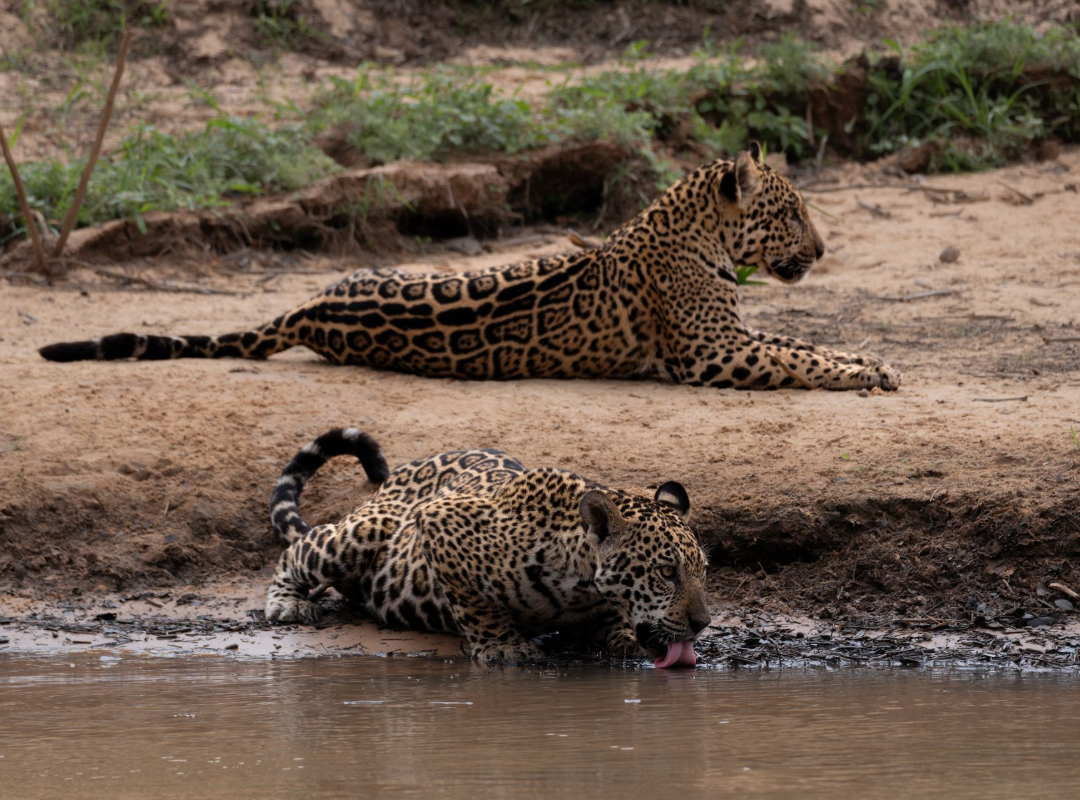
Jaguars Safari, Pantanal - Brazil.
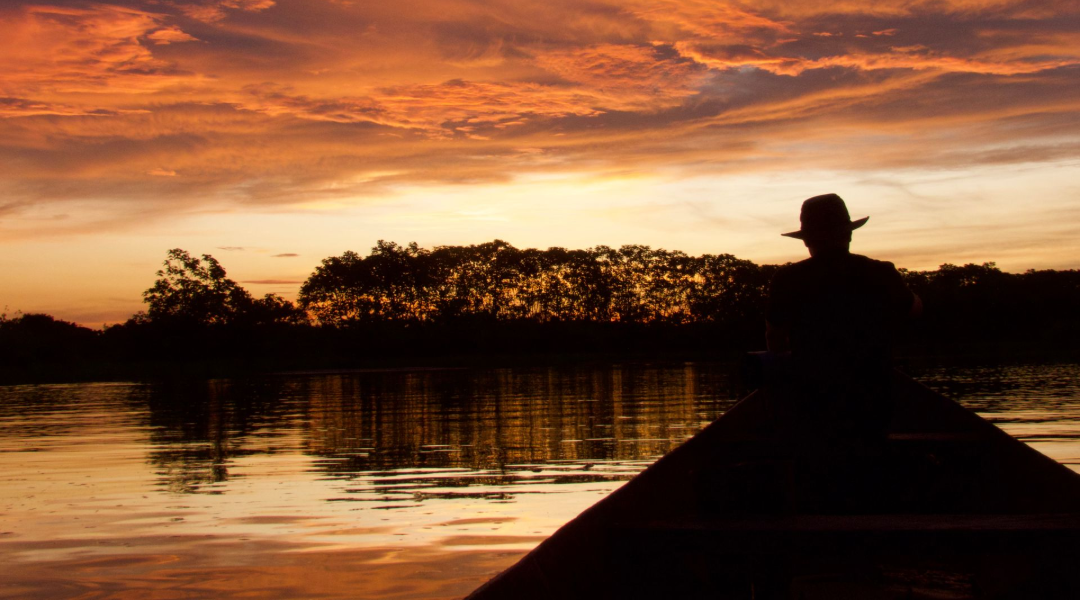
Amazon's Guiana Shield Specialties. Mitu-Vaupes.
Emblematic Birds Photo Tour, Coffee Triangle.