
Exploring the Splendid Amazon: A Bird Photographer's Paradise
The Colombian Amazon is a land of mystery, color, and sound. Stretching across the country’s southeast, this vast rainforest region is home to some of the world’s most spectacular birdlife. With more than 800 bird species recorded in the Colombian Amazon alone, it represents a true paradise for birdwatchers and photographers alike.
From the bustling river port of Leticia to the tranquil waters of Puerto Nariño and the untouched wilderness of Amacayacu National Park, every corner offers opportunities to capture rare and vibrant species in their natural habitats. For bird photographers, Colombia’s Amazon is not just about the birds themselves, but also about the interplay of light, water, and dense jungle canopy that creates breathtaking photographic opportunities.
Why the Colombian Amazon is Unique for Bird Photography
- Unmatched Biodiversity
- Colombia is the most bird-rich country in the world, and the Amazon contributes heavily to this title. Species like macaws, toucans, antbirds, and cotingas are common sights here.
- Accessibility
- Unlike some parts of the Amazon that are hard to reach, Colombia’s Amazon has hubs like Leticia, easily accessible by air from Bogotá, making it possible to combine jungle exploration with photography expeditions.
- Cultural Blend
- Indigenous communities such as the Ticuna and Huitoto live alongside this incredible biodiversity, offering chances for photographers to combine cultural and wildlife photography in one trip.
- Varied Habitats
- From flooded forests (varzea) to terra firme rainforest and river islands, each habitat creates different photographic conditions and attracts different bird species.
Birding Hotspots in the Colombian Amazon
1. Leticia: The Gateway to the Amazon
Leticia, the capital of Colombia’s Amazonas department, is a perfect base for bird photography. The surrounding forests and rivers host species like:
- Hoatzin (Opisthocomus hoazin), known for its prehistoric look and unique digestive system.
- Festive Amazon Parrot (Amazona festiva), often spotted in flocks at sunset.
- Black-fronted Nunbird (Monasa nigrifrons), perching silently on branches, waiting for insects.
The morning light here, especially along the riverbanks, is ideal for soft-lit portraits of perched birds.
2. Puerto Nariño: The Ecological Jewel
Often described as the “green town of the Amazon”, Puerto Nariño is a car-free community that prioritizes ecological harmony. The surrounding wetlands and forests are rich with birdlife:
- Scarlet Macaw (Ara macao) – iconic and best photographed in flight during early morning.
- Amazon Kingfisher (Chloroceryle amazona) – frequently seen along the Amazon River and its tributaries.
- Yellow-headed Caracara (Milvago chimachima) – soaring above open areas.
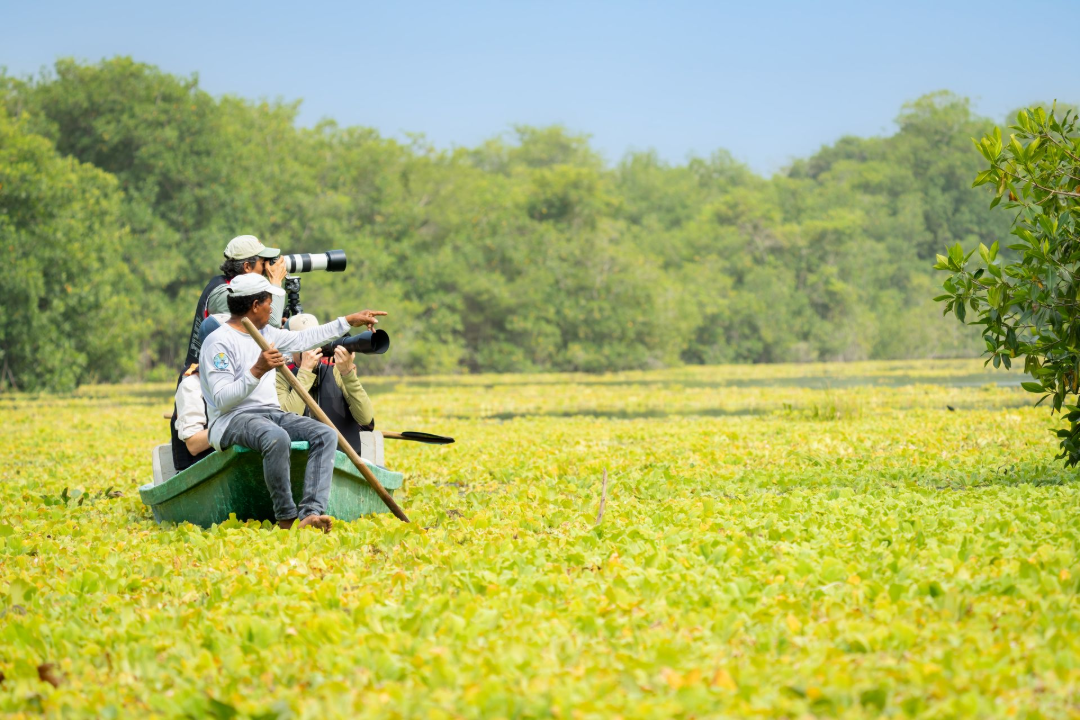
Photographers can take boat trips at dawn or dusk, where the golden light reflects off the water, providing stunning natural backdrops.
3. Amacayacu National Park: The Bird Photographer’s Playground
Amacayacu is perhaps the best-known protected area in the Colombian Amazon, covering more than 4,200 km² of pristine rainforest. It is a hotspot for bird diversity:
- Collared Puffbird (Bucco capensis), blending into the forest shadows.
- Many-banded Aracari (Pteroglossus pluricinctus), a colorful toucan relative.
- White-throated Toucan (Ramphastos tucanus), with its distinctive bill that glows in soft morning light.
- Great Jacamar (Jacamerops aureus), shining emerald in filtered sunlight.
Here, light is a constant challenge—thick canopy often creates dramatic contrasts, testing a photographer’s skill.
4. Tarapoto Lakes (Puerto Nariño)
A series of oxbow lakes near Puerto Nariño provide an open environment where forest birds meet aquatic habitats. This area is fantastic for capturing:
- Horned Screamer (Anhima cornuta), an impressive and unusual bird of marshy lakes.
- Black-collared Hawk (Busarellus nigricollis), swooping over water to catch fish.
- Anhinga (Anhinga anhinga), spreading wings dramatically to dry in the sun.
The reflections in calm waters during sunrise or sunset make for particularly artistic photography.
Light and Photography in the Colombian Amazon
Golden Hours by the River
- Dawn and dusk along the Amazon River create magical conditions.
- Birds are more active, and soft orange light makes feathers glow.
Diffused Light Under the Canopy
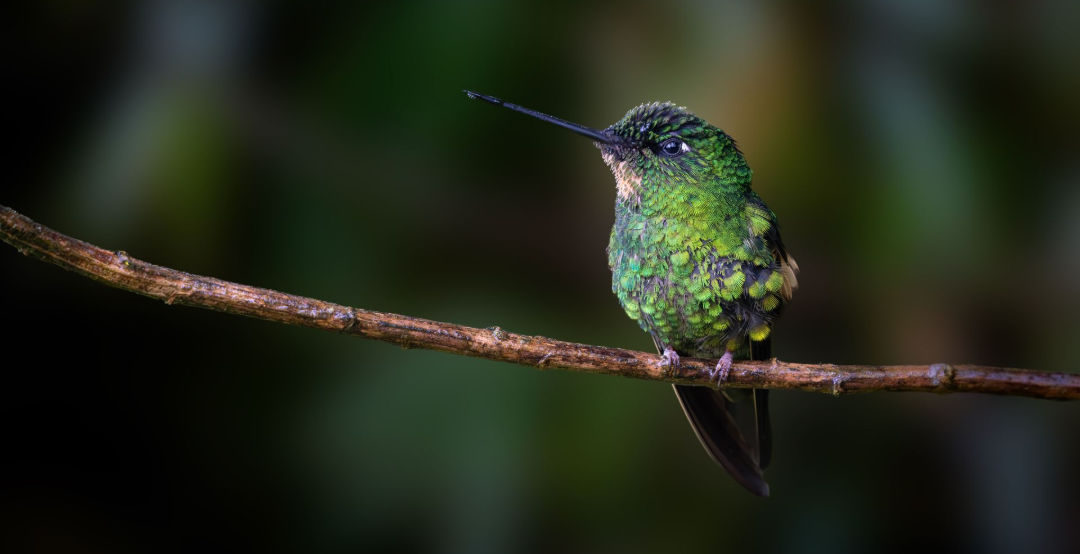
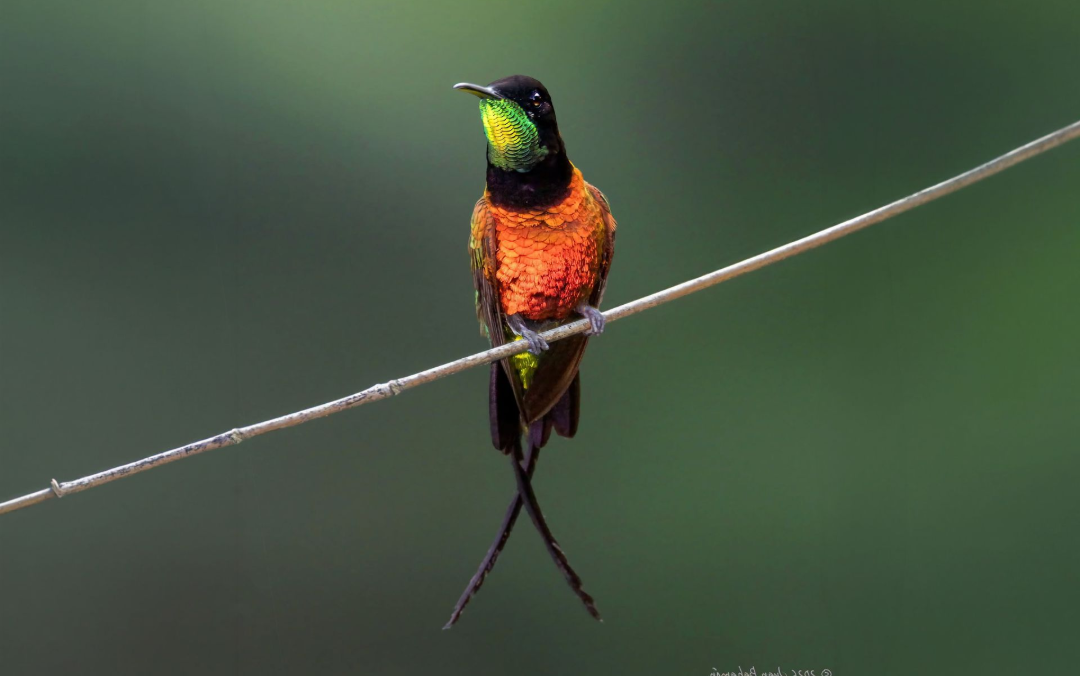
- Midday can be difficult, but the canopy filters light beautifully, giving a soft greenish tone that highlights the iridescence of hummingbirds and tanagers.
Challenges of Harsh Light
- On open riverbanks, midday sun can cause overexposure, especially with white birds like egrets.
- Beginners should use shaded spots or wait for cloud cover.
Iconic Birds to Photograph in the Colombian Amazon
- Blue-and-Yellow Macaw (Ara ararauna) – best shot in pairs as they fly above the river.
- Paradise Tanager (Tangara chilensis) – one of the most colorful tanagers, requiring patience in the canopy.
- Amazonian Umbrellabird (Cephalopterus ornatus) – rare and dramatic, with its umbrella-like crest.
- Gilded Barbet (Capito auratus) – glowing against green foliage.
- Capped Heron (Pilherodius pileatus) – elegant, especially in wetland settings.
Practical Tips for Photographers in the Colombian Amazon
- Gear
- Long telephoto lens (400–600mm) for canopy birds.
- Wide-angle lens for landscapes combining birds and habitat.
- Tripod or monopod for stability in boats.
- Clothing
- Lightweight, breathable clothing.
- Neutral colors to blend with the environment.
- Weather Preparedness
- Sudden rains are common—carry waterproof covers.
- Humidity can fog lenses; silica gel packets are essential.
- Local Guides
- Hiring indigenous guides is invaluable—they know bird calls, habitats, and the best spots for photography.
Ethical Bird Photography in the Colombian Amazon
- Avoid playback calls that stress birds.
- Do not disturb nests or feeding areas.
- Support local ecotourism initiatives that protect the forest.
Conclusion
The Colombian Amazon is not only a bird photographer’s paradise but also a journey into one of the most biodiverse corners of the planet. Whether it’s capturing a flock of macaws flying against a fiery sunset, a kingfisher diving for its prey, or a toucan framed by lush green canopy, every photo tells a story of life in one of Earth’s richest ecosystems.
For beginners and professionals alike, the challenge of photographing in the Colombian Amazon lies not just in technical skill but in patience, respect for nature, and the ability to adapt to ever-changing light. Here, the rainforest itself becomes your studio, and the birds—Colombia’s feathered jewels—are the stars.