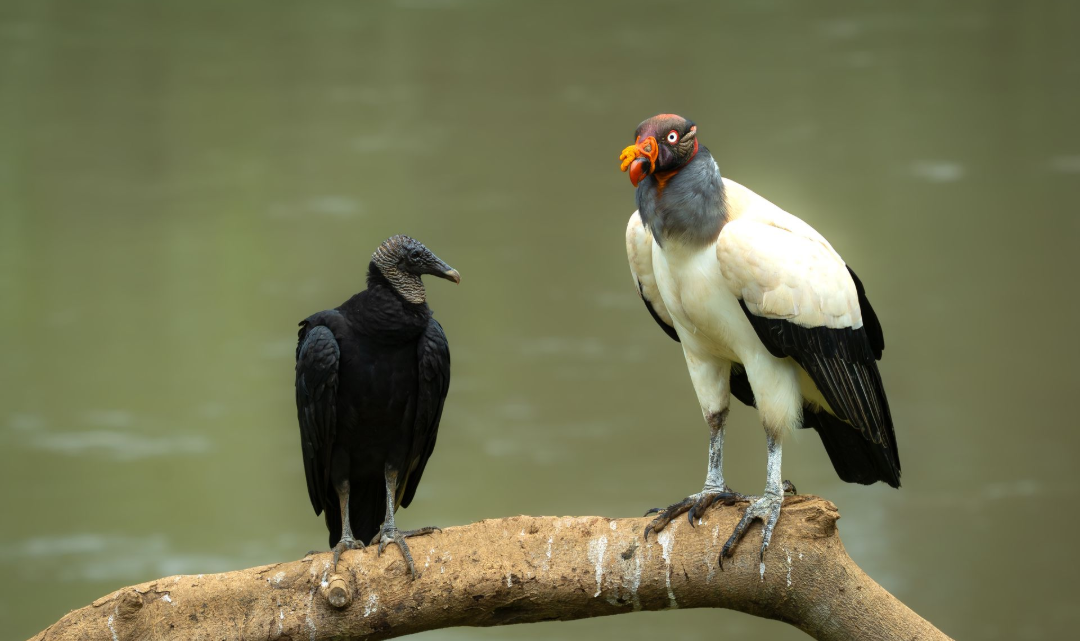

Seasonal Bird Photography: Timing Your Trip for Maximum Diversity
Seasonal Bird Photography: Timing Your Trip for Maximum Diversity
Timing can transform a good bird photography trip into an extraordinary one.
Colombia offers exceptional bird diversity year-round, but understanding seasonal patterns allows photographers to experience even greater species variety, behavioral activity, and photographic opportunity.
With nearly 2,000 recorded bird species across multiple ecosystems, Colombia does not have a traditional “off-season.” Instead, it offers shifting highlights throughout the year.
Knowing when to visit depends on what you want to photograph.
At Retorno Photo Tours, we plan itineraries around seasonal movement, breeding cycles, flowering periods, and migration windows to maximize photographic diversity.
Colombia Is a Year-Round Destination
Because Colombia lies near the equator, it does not experience extreme seasonal temperature changes.
Instead, the year is shaped by:
- Regional rainfall patterns
- Flowering and fruiting cycles
- Migratory bird arrivals
- Breeding seasons
This means every month offers strong opportunities. The difference lies in which species and behaviors are most active.
Migratory Season: Expanding Species Diversity
Between approximately October to March, Colombia hosts migratory birds from North America.
During this period, photographers can capture:
- Warblers in fresh plumage
- Shorebirds in wetlands
- Raptors moving through valleys
- Mixed flocks that include both resident and migratory species
This season significantly increases total species count, especially in wetlands and lowland habitats.
For photographers focused on diversity numbers and variety, this is a powerful window.
Breeding Season: Behavior and Color
Breeding periods vary by elevation and region, but many species become more active and visible during courtship.
Breeding activity often includes:
- Brighter plumage
- Territorial displays
- Vocalization
- Courtship rituals
- Nest-building behavior
For example, manakins perform lek displays during peak breeding periods, offering extraordinary behavioral photography opportunities.
If your goal is dynamic storytelling images rather than simple portraits, breeding season is ideal.
Flowering Cycles and Hummingbird Photography
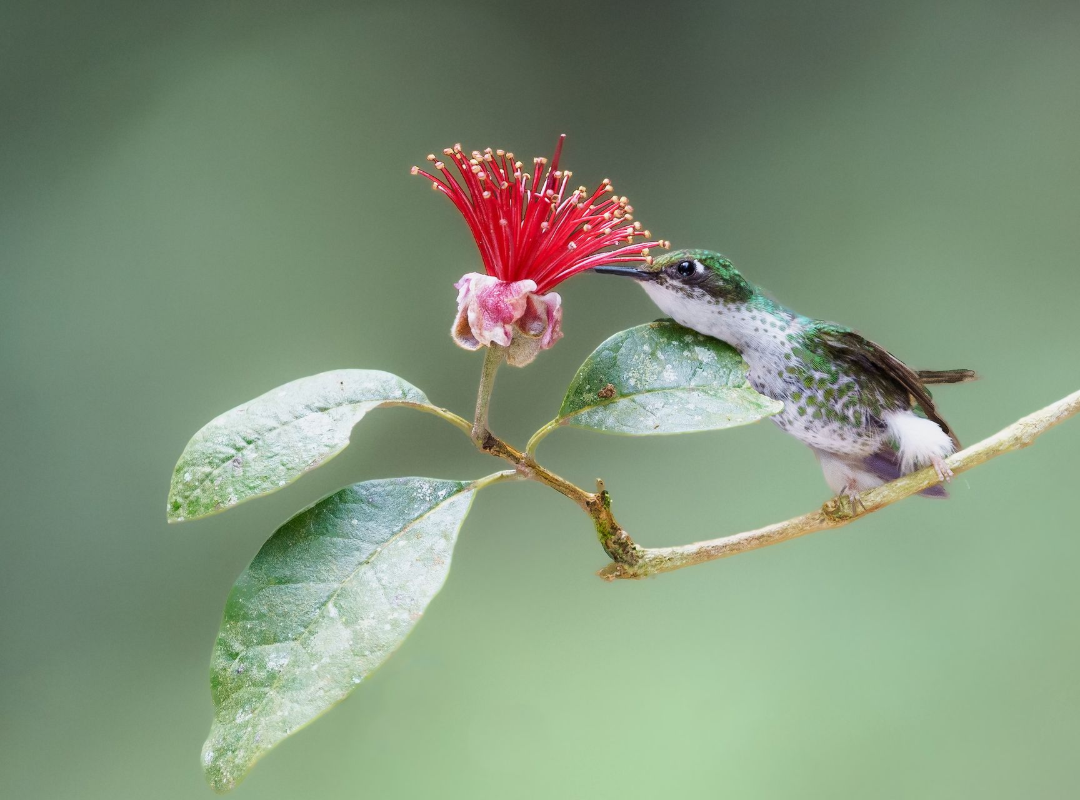
Hummingbird activity intensifies during peak flowering months in cloud forests and Andean foothills.
When nectar sources are abundant:
- Species concentration increases
- Territorial behavior intensifies
- Flight activity becomes more frequent
- Perching opportunities improve
Our specialized hummingbird photography sessions are often timed around local flowering cycles to increase both diversity and action.
Because flowering varies by altitude, we adjust routes seasonally.
Fruiting Seasons and Tanager Activity
Tanager photography improves dramatically during fruiting cycles.
When certain trees produce fruit:
- Mixed flocks gather
- Rare species become more visible
- Feeding behavior becomes predictable
Cloud forest fruiting periods can vary regionally, which is why local knowledge is critical.
On our tanager-focused tours, we coordinate visits with known fruiting zones to maximize encounters.
Wet vs Dry Periods: What Photographers Should Know
Colombia’s wet and dry periods are regional, not national. One area may be rainy while another is dry.
Dry periods often provide:
- Easier trail access
- Cleaner flight backgrounds
- More predictable movement
Light rain periods can provide:
- Rich color saturation
- Dramatic misty backdrops
- Increased bird activity
Rain rarely stops photography. In fact, some of the most atmospheric images come from soft post-rain light.
Flexibility and planning make the difference.
Raptors and Thermal Activity
Raptor photography improves during warmer months when thermal currents strengthen.
Midday soaring activity increases, offering:
- Eye-level flight opportunities
- Extended tracking time
- Clear sky compositions
Mountain valleys in Colombia provide excellent vantage points during thermal peaks.
High Elevation vs Low Elevation Timing
Altitude influences seasonal activity.
High elevation cloud forests:
- Cooler temperatures
- Consistent bird presence year-round
- Slight seasonal shifts in breeding activity
Lowland rainforest:
- Stronger rainfall cycles
- Seasonal fruit concentration
- Migratory influx in certain months
We often combine multiple elevations into one itinerary to maximize diversity, regardless of the season.
What “Maximum Diversity” Really Means
Maximum diversity is not just species count.
It includes:
- Residents
- Migrants
- Breeding plumage
- Behavioral displays
- Habitat variation
- Flight opportunities
A well-timed tour in Colombia can deliver an extraordinary variety in just one trip.
But timing must match your priorities.
How Retorno Photo Tours Plans for Seasonal Advantage
We do not run generic departures.
Each itinerary considers:
- Regional rainfall data
- Flowering and fruiting cycles
- Migratory patterns
- Nesting sensitivity
- Light conditions
- Access logistics
Our local bird photography guides monitor activity throughout the year, allowing us to adjust plans when needed.
This flexibility ensures photographers are positioned where activity is strongest.
When Is the Best Time to Visit?
The best time depends on your goals.
If you want:
- Highest overall species numbers, consider migratory season.
- Courtship and behavior, target breeding peaks.
- Hummingbird concentration aligns with flowering cycles.
- Dramatic misty forest atmosphere, with light rain periods.
Colombia offers diversity year-round. The advantage comes from strategic planning.
Plan Your Trip for Maximum Diversity
If your goal is to capture the greatest possible variety of birds across ecosystems, elevations, and behaviors, timing matters.
Retorno Photo Tours designs small-group, conservation-focused wildlife photography experiences built around seasonal intelligence and local expertise.
Our tours provide:
- Professional bird photography guides
- Access to private reserves
- Ethical keeping of nature tour practices
- Multi-ecosystem itineraries
- Strategic seasonal planning
Contact us today to discuss your preferred travel window and photography goals.
Colombia’s bird diversity is unmatched.
With the right timing and guidance, you can experience it at its absolute peak.