
How to Find Endemic Birds on a Photo Trip
Work With Local Knowledge, Not Against It
A Santa Marta Brushfinch does not appear simply because you have arrived in the mountains with a long lens. It lives within a narrow elevational band, favors particular forest structure, and may become active only when weather and food conditions align. Learning how to find endemic birds begins with this shift in thinking: you are not looking for a name on a checklist. You are reading an ecosystem closely enough to find the bird’s daily rhythm within it.
For serious photographers, endemic species offer more than a rare tick. They are visual stories of place. A Glittering Starfrontlet belongs to high Andean slopes; a chestnut-capped relative may be tied to one isolated mountain range. The image becomes stronger when the setting, behavior, and conservation reality are part of the experience.
Start With Range, Then Narrow the Habitat
An endemic bird’s range can be surprisingly small, but “small range” does not mean “easy to locate.” A species may occur across one mountain massif while using only mature cloud forest, bamboo thickets, páramo edges, limestone foothills, or dry woodland with a specific plant community.
Begin by identifying three things: the bird’s geographic range, its elevation range, and its preferred habitat. These details turn a broad destination into a workable search area. In Colombia, for example, a target associated with the Santa Marta Mountains requires a very different plan from an endemic restricted to the Chocó foothills or the dry Caribbean forest.
Elevation deserves special attention. A road may climb from 3,000 feet to 9,000 feet in a few hours, crossing several bird communities along the way. If your target is most often found between 6,500 and 8,000 feet, spending the morning below that band may produce beautiful photographs but not the species you came to find. Build your schedule around the correct zone before considering lighting or convenience.
Habitat quality is the next filter. A map may show forest cover, yet forest age, understory density, nearby disturbance, and fruiting or flowering plants all affect what is present. Some endemics tolerate edge habitat. Others disappear quickly when the forest becomes fragmented. The more specialized the bird, the less useful a general location pin becomes.
How to Find Endemic Birds by Timing Your Search
The first two hours after dawn are often the most productive, particularly for active understory birds, mixed flocks, and hummingbirds visiting established feeding areas. That does not mean every target should be pursued at first light. Owls, nightjars, antpittas, and some crakes follow different schedules, while rain can temporarily quiet a forest before triggering a burst of activity afterward.
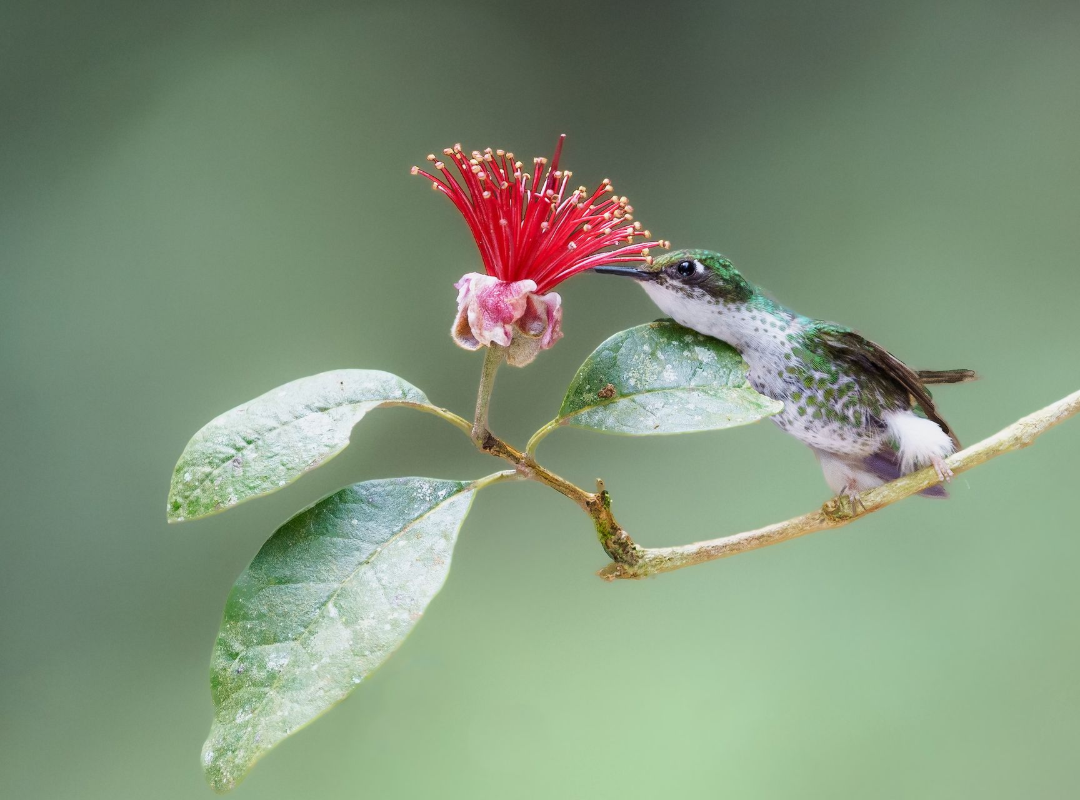
Season matters too. Many endemic birds are resident year-round, but their visibility changes with breeding behavior, molt, food availability, and local weather. A hummingbird may be easier to photograph when a favored flowering plant is in bloom. A frugivore may shift with fruiting trees. Birds that are quiet during part of the year can become far more detectable when calling from territories.
For photographers, the best season is not always the easiest season for observation. Dry conditions can make roads and trails more accessible, yet prolonged dry weather may reduce flowers, water levels, or fruit. Wet-season travel can bring richer forest activity and dramatic backgrounds, but it also demands patience, waterproof protection, flexible transport, and realistic expectations about light. The right choice depends on the species, the region, and whether your priority is a clean portrait, a behavior image, or a broader wildlife expedition.
Let Sound Lead the Search
In dense tropical forest, the first encounter is often auditory. A bird may be 30 feet away and completely hidden behind leaves, bromeliads, or tangled vines. Learning calls and song patterns before departure can save hours of unproductive scanning.
Do not try to memorize every species in a country with extraordinary diversity. Focus on your priority list, then learn the voices of likely look-alikes and common flock associates. If a target regularly joins a mixed flock with tanagers, foliage-gleaners, or woodcreepers, recognizing that flock can lead you to the endemic even before you hear it.
Use playback carefully, if at all. Repeated calls can stress birds, interrupt feeding or nesting behavior, and draw them toward unsafe areas. In sensitive habitats, especially where a species has a restricted population, quiet observation and experienced listening are often the better approach. Ethical bird photography requires that the image never become more important than the bird’s welfare.
Search Slowly, and Stay With Productive Patches
A common mistake is covering too much ground. Endemic birds often reward a slower approach. When you find a productive stretch of trail, a flowering shrub, a fruiting tree, or a narrow forest opening, give it time. Watch where birds enter and exit. Notice perches, feeding routes, and the direction a flock is moving.
This patience is especially valuable for photography. A rushed sighting can become a record shot with branches across the face and harsh light. Remaining still may reveal a clean perch, a repeat feeding route, or a moment when the bird emerges at eye level. The best fieldcraft is frequently less about walking farther and more about observing better.
Think about your position before the bird arrives. Check the background, sun angle, distance, and whether you have room to move without damaging vegetation. In cloud forest, soft light can be generous, but deep shadows and moisture require a steady hand or support, a lens hood, and reliable rain protection. In open habitats, early and late light can create beautiful color, while midday may be better used for scouting, travel, or reviewing the next morning’s plan.
Work With Local Knowledge, Not Against It
A local guide may know that a particular endemic crosses a trail after rain, feeds at a certain flowering tree, or responds to a change in wind on one ridge. That knowledge comes from years of observation, not from a single online report. It also includes the practical realities visitors can miss: road conditions, trail safety, access permissions, weather windows, and respectful relationships with landowners and communities.
This is where a well-planned specialist expedition can make a decisive difference. Rather than spending valuable days testing unfamiliar sites, you can work from a route designed around habitats, elevations, and realistic field timing. Retorno Photo Tours builds this local knowledge into photographic itineraries while supporting the communities whose stewardship helps keep these habitats intact.
Guiding is not a substitute for patience. Even at a proven site, wildlife remains wild. A trustworthy guide will never promise a guaranteed photograph of a rare endemic. What they can provide is the strongest possible chance: correct habitat, sound timing, dependable logistics, and an ethical approach that puts the landscape first.
Photograph the Place, Not Just the Prize
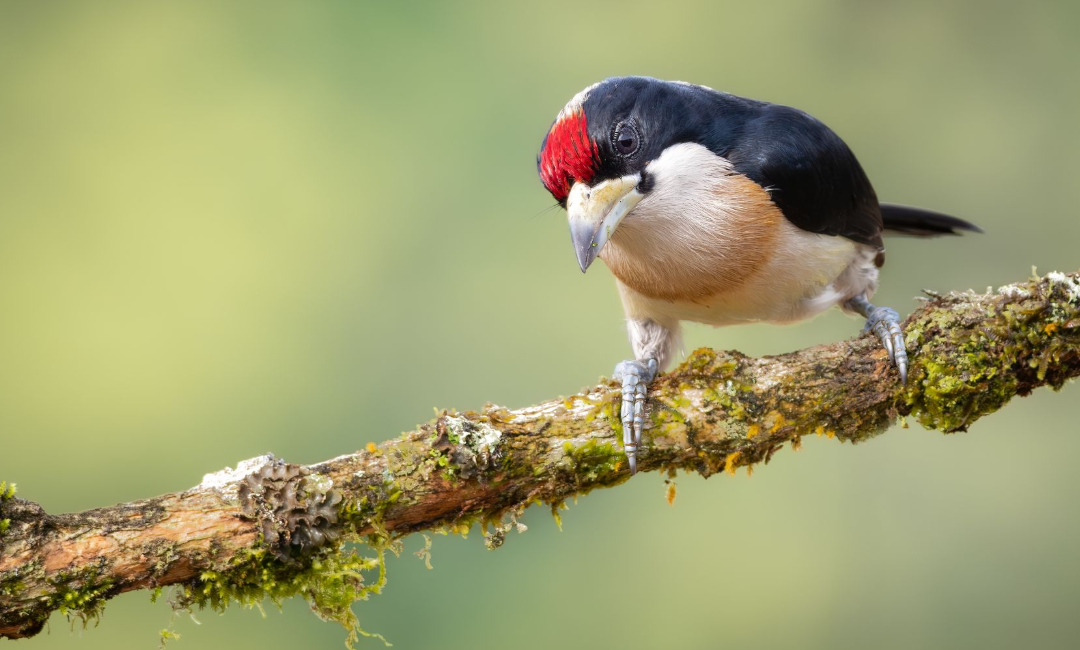
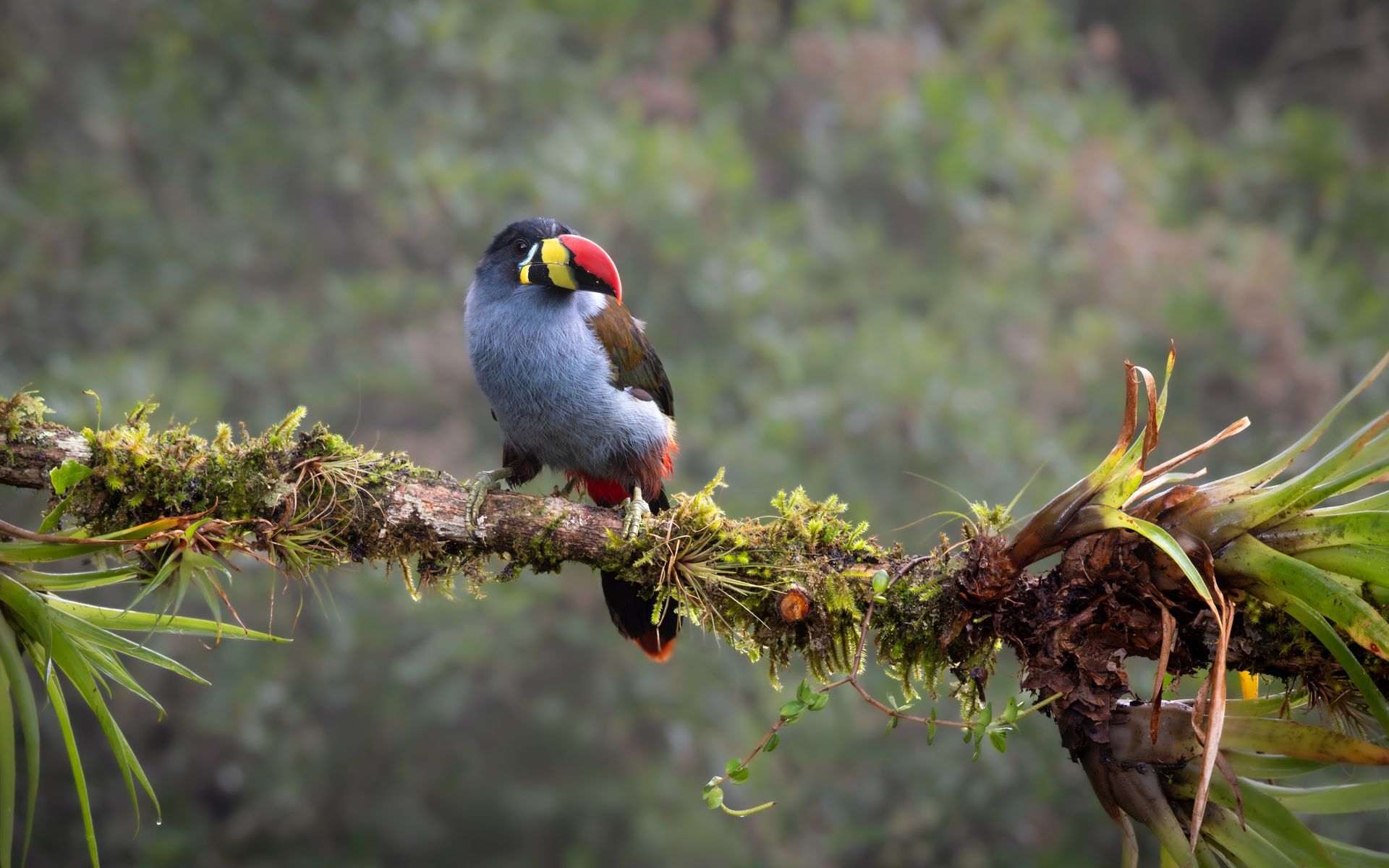
When an endemic finally appears, it is tempting to fill the frame immediately. Take the portrait if the opportunity is there, but then look wider. Can you show the moss-covered branch, the flowering plant, the misty ridge, or the dry forest beyond the bird? These details tell viewers why this species exists nowhere else.
Keep your field behavior light. Stay on established trails where required, avoid altering perches or baiting birds, and never approach an active nest for a closer frame. Endemic species can be especially vulnerable because there may be no second population elsewhere to absorb disturbance.
The most rewarding search ends with more than a photograph. It leaves you with a sharper understanding of altitude, plants, weather, community stewardship, and the quiet patterns that allow a rare bird to persist. Arrive prepared, listen carefully, give the habitat time, and let the encounter happen on the bird’s terms.