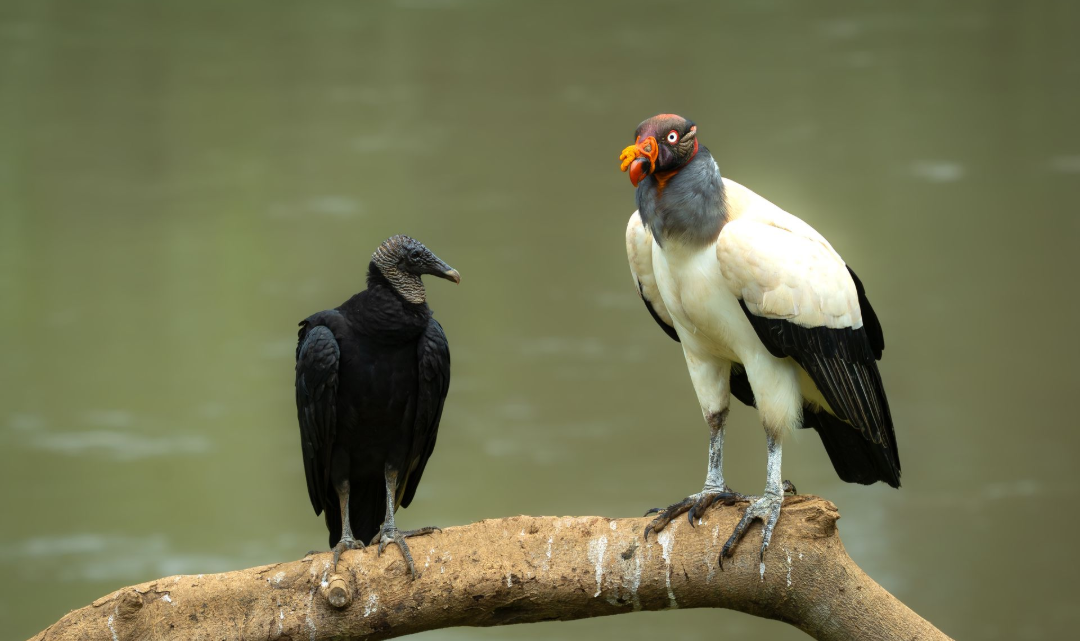

Sierra Nevada de Santa Marta Birding Tour
A global epicenter of avian endemism
A Sierra Nevada de Santa Marta birding tour is not simply a visit to a mountain range. It is a chance to photograph one of the most concentrated collections of range-restricted birds in the Americas, from Caribbean dry forest foothills to misty cloud forest high above the coast. For photographers, the attraction is clear: rare endemics, responsive hummingbirds, dramatic forest light, and a route where every change in elevation can bring a new set of subjects.
The Sierra Nevada rises abruptly from northern Colombia, creating isolated habitats that have allowed distinctive bird populations to evolve. It is a demanding destination in the best sense. Success depends on thoughtful timing, reliable transport, guides who understand the mountain’s changing conditions, and enough field time to work a subject properly rather than chase a checklist.
Why a Sierra Nevada de Santa Marta Birding Tour Stands Apart
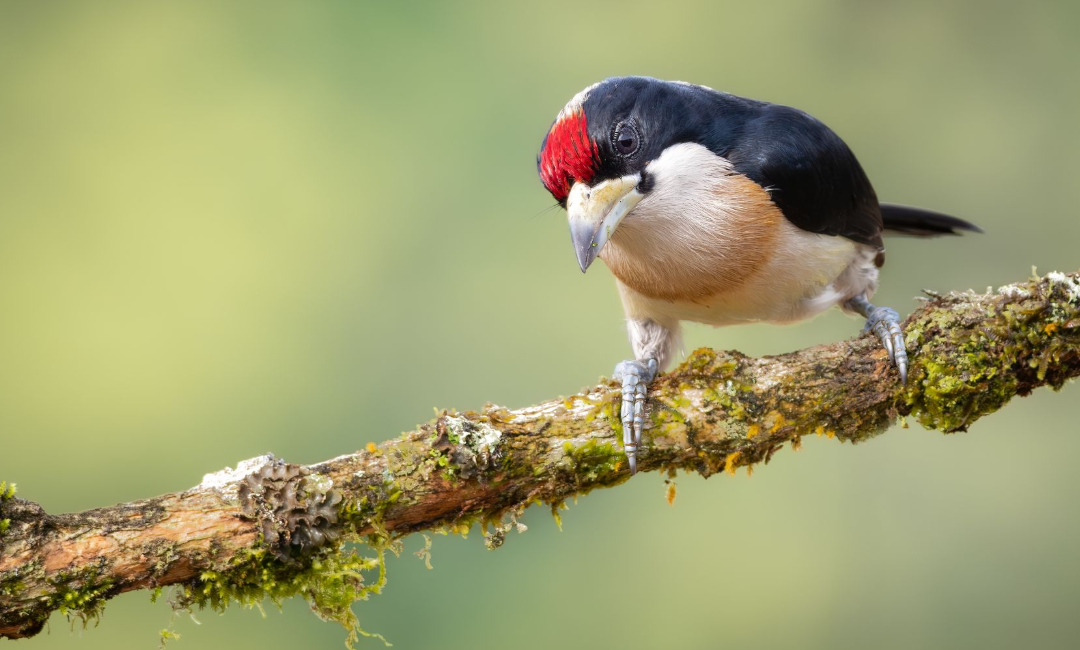
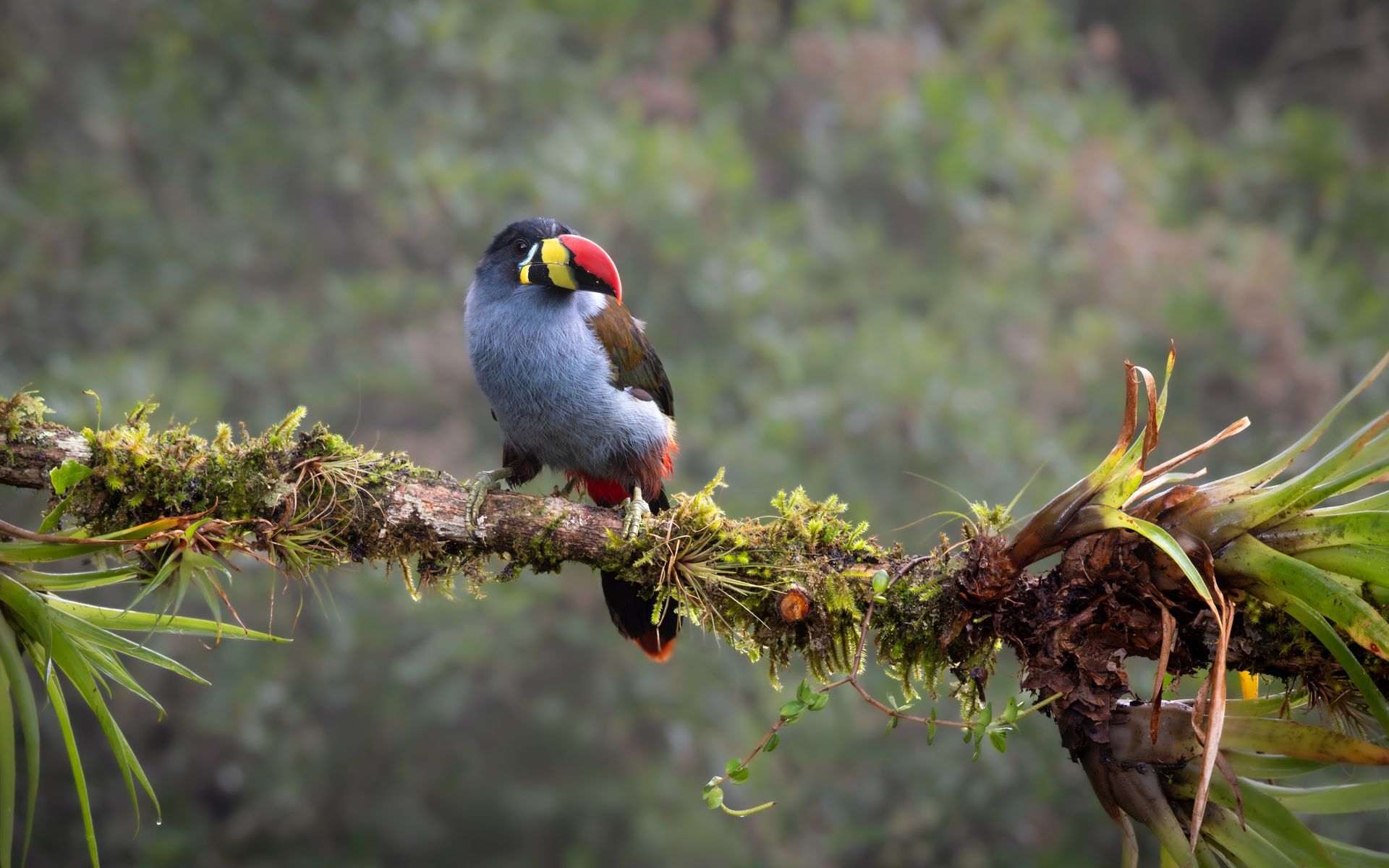
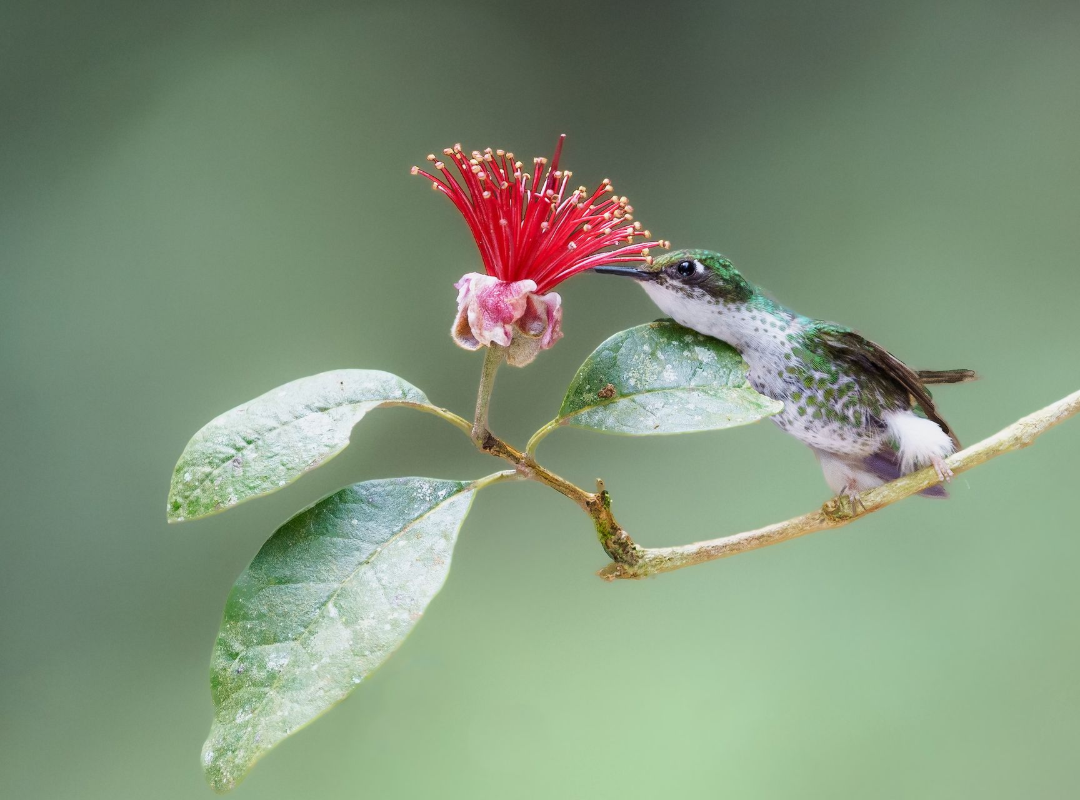
The mountain’s isolation is the story behind its birds. Several species occur nowhere else, and many of the names on a serious birder’s wish list are tied to particular elevations, forest types, or even short stretches of road. Santa Marta Parakeet, Santa Marta Warbler, Santa Marta Mountain-Tanager, Santa Marta Brushfinch, Santa Marta Antpitta, and White-tailed Starfrontlet are only part of the draw. The region also hosts spectacular, wide-ranging species, including toucans, tanagers, trogons, woodpeckers, owls, and an exceptional variety of hummingbirds.
For a photographer, that variety matters as much as rarity. A distant endemic seen briefly can be deeply satisfying, but a productive feeding station, a flowering roadside patch, or a well-positioned forest opening can provide the clean, intimate images that belong in a portfolio. The best itineraries balance both goals: dedicated effort for difficult targets and repeated opportunities for strong behavior, perch, flight, and habitat photographs.
The terrain also creates visual contrast. Lowland sessions may begin in warm, dry vegetation under crisp Caribbean light. Higher up, moss-covered branches, bromeliads, and cloud forest atmosphere offer a completely different palette. You are not carrying a single approach to photography throughout the whole trip. You are adapting with the mountain.
Build the Itinerary Around Elevation, Not Just a Bird List
A productive route usually moves deliberately through elevation zones instead of racing from one location to another. Lower and mid-elevations can be excellent for dry-forest and foothill species, while the upper mountain is essential for endemic cloud-forest specialists. Each zone deserves more than a quick stop, especially when the weather changes or the birds go quiet.
Dawn is often the most valuable part of the day. Forest birds become active early, and calm conditions improve both detection and photography. Midmorning can be ideal around hummingbird feeders or flowering plants, where a fast shutter speed and patient positioning turn activity into usable images. Afternoons may bring mist or rain at higher elevations, but that should not be treated as lost time. Soft cloud-forest light can be beautiful for perched birds, and a short weather break can produce intense feeding activity.
A well-designed trip also leaves room for repeat attempts. Some endemics can appear quickly; others demand patience. Antpittas, tapaculos, and furtive understory birds may require quiet waiting, careful listening, and a guide who knows the exact microhabitats. If a target does not show up on the first morning, a flexible itinerary gives you a meaningful second chance.
When to Go for Birds and Photography
The Sierra Nevada can be visited throughout much of the year, but conditions shape the experience. Drier periods often make access and trail conditions easier, while wetter months can bring greener forest, more active flowering, and atmospheric photography. There is no single perfect month for every photographer.
If your priority is comfort, road reliability, and long hours in the field, a traditionally drier window may suit you best. If you welcome rain, softer light, and the possibility of strong hummingbird activity around flowers, wetter periods can be rewarding. Weather patterns vary with elevation, and mountain forecasts are never a complete substitute for local knowledge.
Migration adds another consideration. Depending on the season, North American migrants may join the resident species, increasing the variety around forest edges and gardens. That can be a welcome bonus, although the Santa Marta endemics remain the central reason to come.
Photography Conditions: What to Bring and What to Expect
This is a destination for serious telephoto work, but versatility matters. A 400mm, 500mm, or 600mm lens is highly useful for canopy birds, distant parrots, and shy forest species. A 100-400mm or 200-600mm zoom can be especially practical when birds appear close at feeders or along narrow trails. Many photographers carry a second body with a shorter zoom for habitat, environmental portraits, and unexpected close encounters.
Low light is part of the reality in cloud forest. Bring a camera body that performs well at higher ISO settings, and be prepared to prioritize shutter speed when a bird is moving. For perched subjects, careful exposure and steady technique can be more valuable than chasing an extremely fast frame rate. A monopod can help on roadsides and at feeding stations, while a tripod may be cumbersome on tight trails. The right choice depends on your lens, mobility, and shooting style.
Your field kit should also include four essentials: rain protection for the camera and lens, a small microfiber cloth for wiping away moisture, extra batteries stored in a dry pouch, and a headlamp for early starts. Lightweight layers are equally important. Conditions can shift from warm and humid to cold and damp as you gain elevation, sometimes within the same day.
Ethical Bird Photography Is Part of the Experience
The Sierra Nevada is a living cultural and ecological landscape, not a studio. Good photography begins with distance, patience, and respect for the bird’s behavior. Playback, if used at all, should be limited and managed carefully. Nest sites should never be approached for a closer frame, and a guide should be willing to move on when an animal shows signs of stress.
Ethical travel also extends beyond the moment of capture. Lodges, drivers, local guides, and community-based services form part of the conservation economy that makes long-term habitat protection more realistic. In a region with Indigenous, rural, and Afro-descendant communities, respectful conduct is not an add-on to the itinerary. It is fundamental to traveling well.
Small groups are especially valuable here. They reduce pressure during sightings, give photographers space to work, and make it easier to adjust the pace when a rare bird appears. The goal is not to surround a subject. It is to create a calm, well-managed encounter in which bird welfare comes first.
Why Local Coordination Changes the Trip
Independent travel in the Sierra Nevada is possible, but it leaves little margin for error. Productive birding areas can be remote, roads can be steep, conditions can change, and the best sites may be known through long-standing local relationships. A specialist tour removes the distracting logistical work: airport transfers, appropriate vehicles, lodging at useful elevations, meals timed around field sessions, and clear safety coordination.
Just as importantly, an experienced guide reads the mountain. They know when fog is likely to close in, which trail is too slippery after a storm, where a flowering event is attracting hummingbirds, and when it is wiser to remain at a productive site rather than push farther uphill. That local judgment often creates more photographic opportunity than any extra item of equipment.
Retorno Photo Tours designs these journeys around that reality, pairing carefully paced logistics with guides who understand both bird behavior and photographers' needs in the field. The result should feel adventurous, not uncertain.
Bring patience, protect your gear, and leave room in your schedule for the unexpected. In the Sierra Nevada, the frame you remember most may arrive after the checklist has been forgotten: a mountain-tanager emerging through cloud forest, a hummingbird flashing at eye level, or a quiet moment when the entire mountain seems to be listening.