
Community Tourism Impact: What Your Trip Supports
Beyond the Photograph: How Community Tourism Supports Wildlife Conservation
A Harpy Eagle photograph may begin with a long lens and a patient morning in the forest, but it rarely happens through photography alone. It may depend on a boat driver who knows the channels of a flooded river, a family-run lodge that keeps a remote route accessible, or a local guide who can read fresh wildlife signs long before a visitor sees them.
That is the true impact of community-based tourism: photography creates value for the people who live closest to extraordinary habitats.
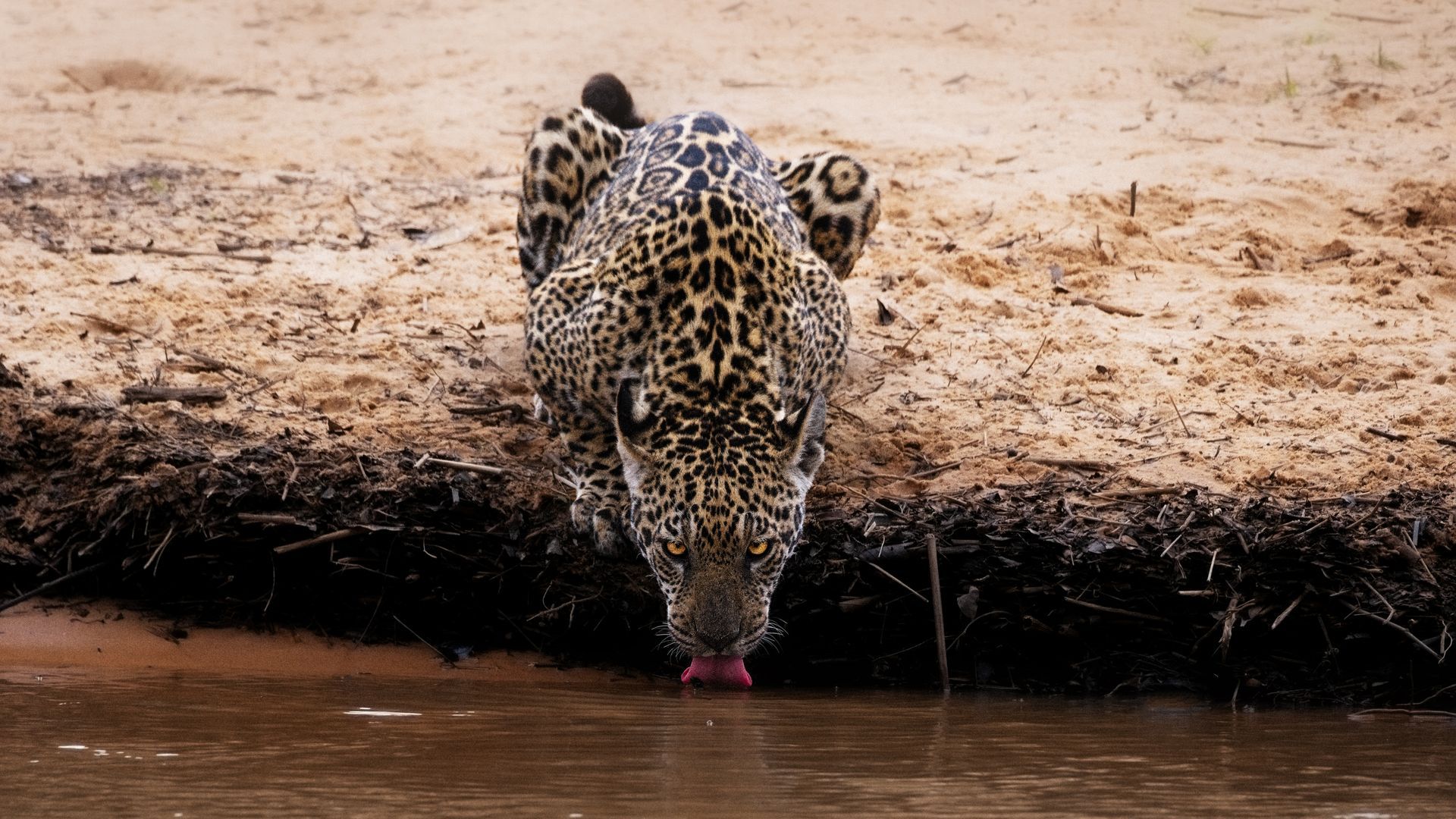
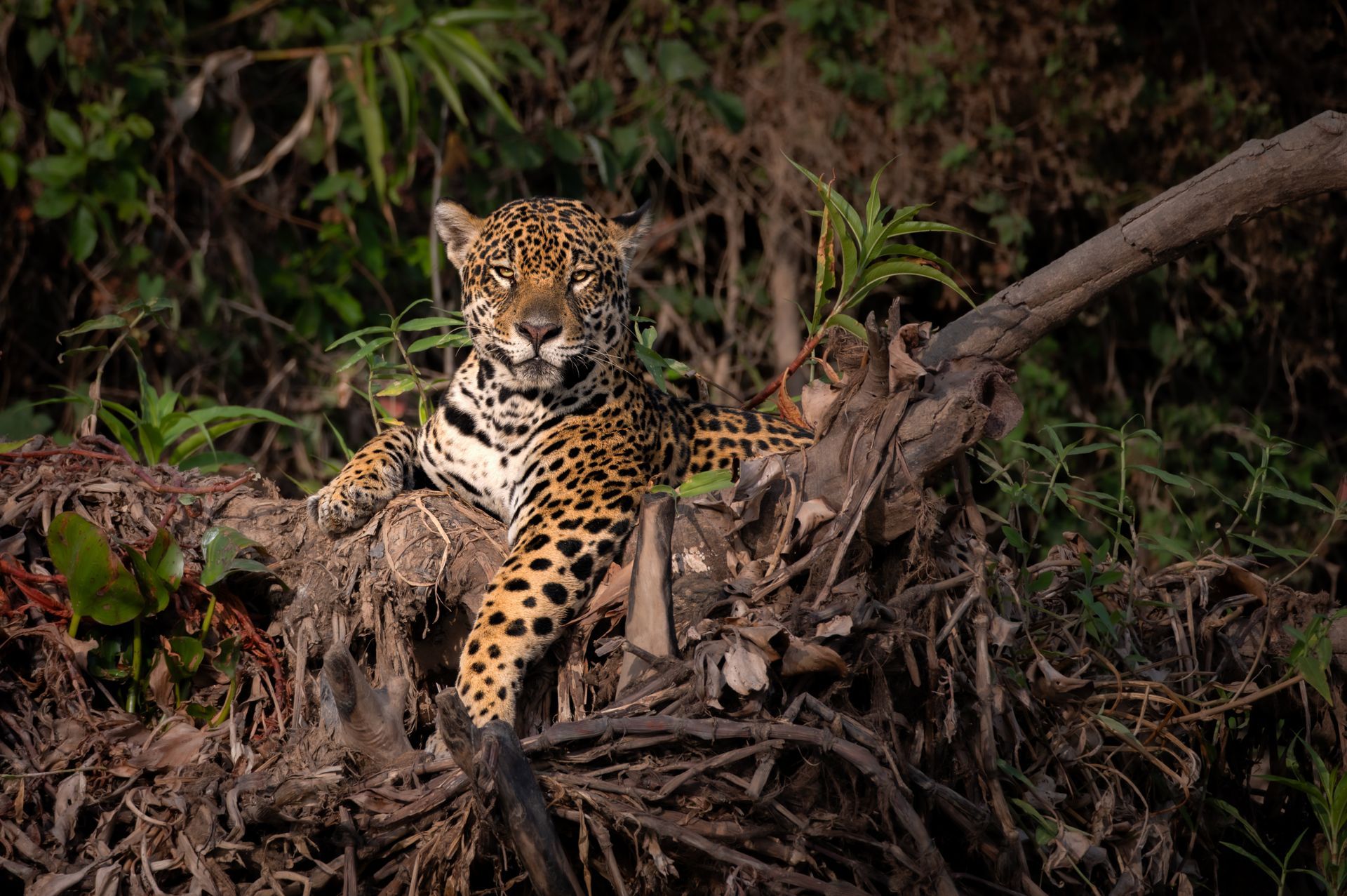
For serious wildlife photographers, this is more than a feel-good addition to a bucket-list trip. Strong community relationships can shape access, field time, safety, and the long-term future of the landscapes where endemic birds, bears, big cats, and rare amphibians still survive.
When done well, tourism gives rural, Indigenous, and Afro-descendant communities another reason to protect the ecosystems that make these encounters possible.
Community Tourism Begins With Who Benefits
Tourism is often considered beneficial simply because visitors spend money locally. That is only part of the picture. A genuine community tourism model also considers where that money goes, who makes decisions, and whether tourism supports the community’s own priorities.
In a productive photography destination, visitor spending may support local drivers, cooks, boat operators, lodge staff, trackers, guides, porters, and small-scale producers. These roles matter because remote biodiversity regions often have limited employment opportunities that are compatible with protecting forests, wetlands, and mountain habitats.
A standing forest can have greater practical value when it provides reliable income through birding, wildlife observation, lodging, and guiding. This does not mean tourism should be presented as a simple solution to habitat loss. Agriculture, mining, land tenure, infrastructure, and security pressures remain complex and serious challenges.
However, carefully managed nature travel can be one meaningful part of a broader conservation strategy.
For photographers, the connection is direct. The local knowledge that improves the chances of finding a target species is often the same knowledge that helps protect nesting areas, avoid sensitive sites, and recognize seasonal changes in wildlife behavior.
Why Community Relationships Matter in Wildlife Photography
Wildlife photography is built on time, access, and trust.
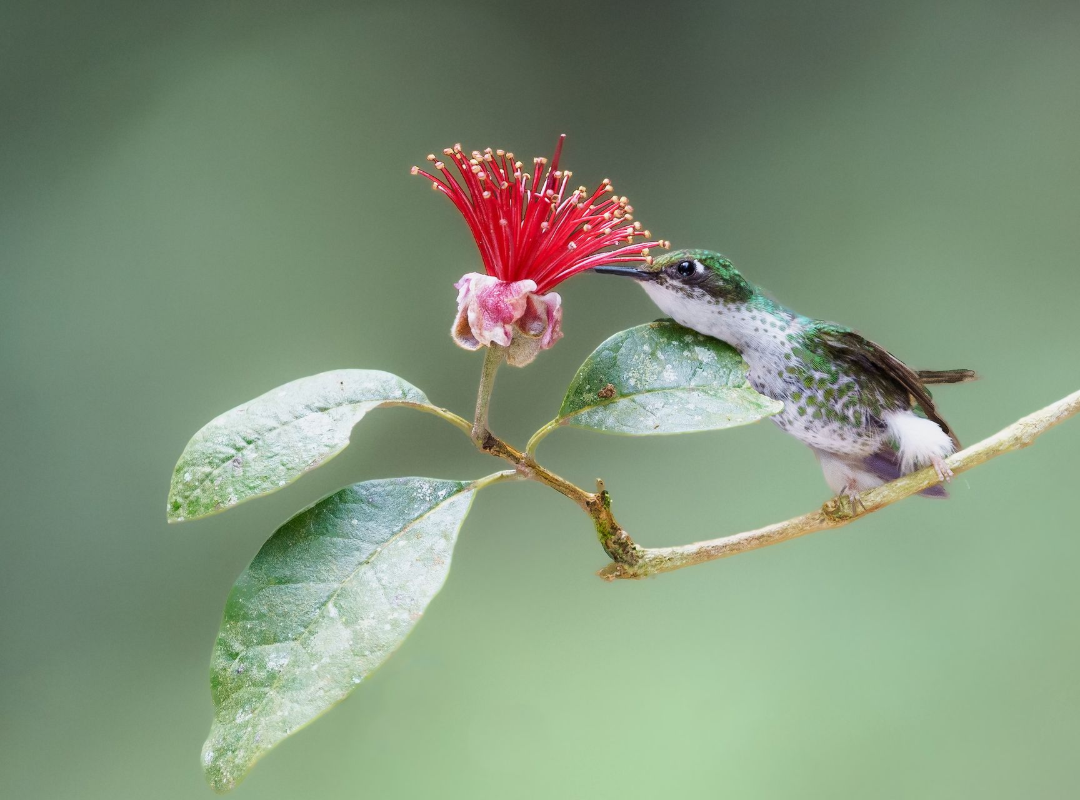
A guide may know where a particular hummingbird visits flowering trees at first light. A ranching family in the plains may understand how seasonal floodwaters influence wildlife movement. A community host in the Andes may have helped maintain trails that provide safe access to productive forest edges.
These are not interchangeable services. They are place-based skills developed over years of living with and understanding a landscape.
When visitors respect that expertise and operators compensate it fairly, photography tourism can create lasting partnerships. In turn, communities have greater incentive to welcome travelers, maintain habitat-friendly areas, and share the knowledge that makes an expedition more meaningful than a brief wildlife sighting.
Local partnerships also provide practical advantages. In remote destinations, maps and generic travel advice are rarely enough. Road conditions change, river levels rise, weather can affect flight schedules, and wildlife activity follows rhythms that cannot be planned from afar.
Experienced local teams help expeditions adapt to changing conditions without compromising safety or disturbing wildlife.
What Ethical Tourism Looks Like in the Field
The difference between responsible travel and extractive travel is often visible in small decisions. It can be seen in whether a group:
- Stays at locally owned accommodations when appropriate
- Hires qualified local guides and service providers
- Follows community and site-specific rules
- Treats local residents as partners rather than scenery
- Respects wildlife and maintains appropriate distances
- Avoids sensitive locations and breeding areas
- Adapts plans when conditions or local needs change
Ethical conduct is especially important when working around wildlife. The strongest image is never worth pushing an animal from its perch, crowding a nesting site, blocking a trail, or pressuring a guide to reveal a sensitive location.
Rare species can be particularly vulnerable when publicity attracts more attention than a site can safely accommodate.
Responsible operators should be willing to decline a photographic opportunity when conditions are not appropriate. That may mean keeping a greater distance, limiting group size, avoiding playback near breeding birds, reducing the use of flash, or changing plans when an animal shows signs of stress.
The trade-off is simple: you may leave without the image you imagined. But the habitat and the animal remain available for the next season, the next visitor, and the people who depend on them.
At Retorno Photo Tours, this approach means treating photography as a reason to protect a place—not a reason to consume it. Every field decision should consider both the photographic opportunity and the well-being of the species, communities, and landscapes involved.
Respect Is Part of the Itinerary
Community-centered travel does not ask visitors to lower their expectations. It asks them to understand what makes an exceptional expedition possible.
A warm meal after a wet morning in the cloud forest, a carefully planned transfer into a remote reserve, and a guide’s advice on where to position a tripod are all part of the experience.
So is listening when local hosts explain why a trail is closed, why a nesting tree is off-limits, or why a planned stop needs to change.
Respect also includes asking for permission. Not every community wants tourism at the same scale, and not every cultural moment should be photographed. Ask before making portraits, particularly in Indigenous and rural communities. Follow the lead of your hosts.
A thoughtful conversation can create a far more meaningful image than a hurried photograph taken from a vehicle window.
Questions to Ask Before Booking a Photo Tour
Photographers do not need to become conservation auditors before choosing a trip. Still, a few straightforward questions can help reveal whether an operator takes community tourism seriously.
Consider asking:
- Who leads the expedition on the ground?
- Are local guides, drivers, and hosts paid fairly for their expertise?
- Does the itinerary use community-run or locally owned services where appropriate?
- How are sensitive wildlife encounters managed?
- What protocols are followed around nests, lek sites, dens, and feeding stations?
- What happens when a community requests limits on access?
- How does the operator respond to seasonal conditions or wildlife welfare concerns?
A responsible operator will not promise every sighting or access to every location. Instead, they will explain how they balance target species with seasonal conditions, wildlife welfare, local rules, and traveler safety.
Be cautious of tours that market communities as attractions without explaining partnership, consent, or tangible benefits. Equally, be wary of broad conservation claims that lack operational detail.
Ethical travel is not a badge added to a brochure. It is reflected in staffing, routing, group behavior, spending decisions, and the willingness to protect a site from overuse.
The Photographer’s Role After the Shutter Clicks
Your impact does not end when the tour is over. The way you share your images can influence how others understand a destination.
When appropriate—and with permission—credit the guides, hosts, and local communities who helped make the experience possible. Avoid publishing precise locations of highly sensitive species. Tell the story of the people and habitat behind the photograph, not only the rarity of the subject.
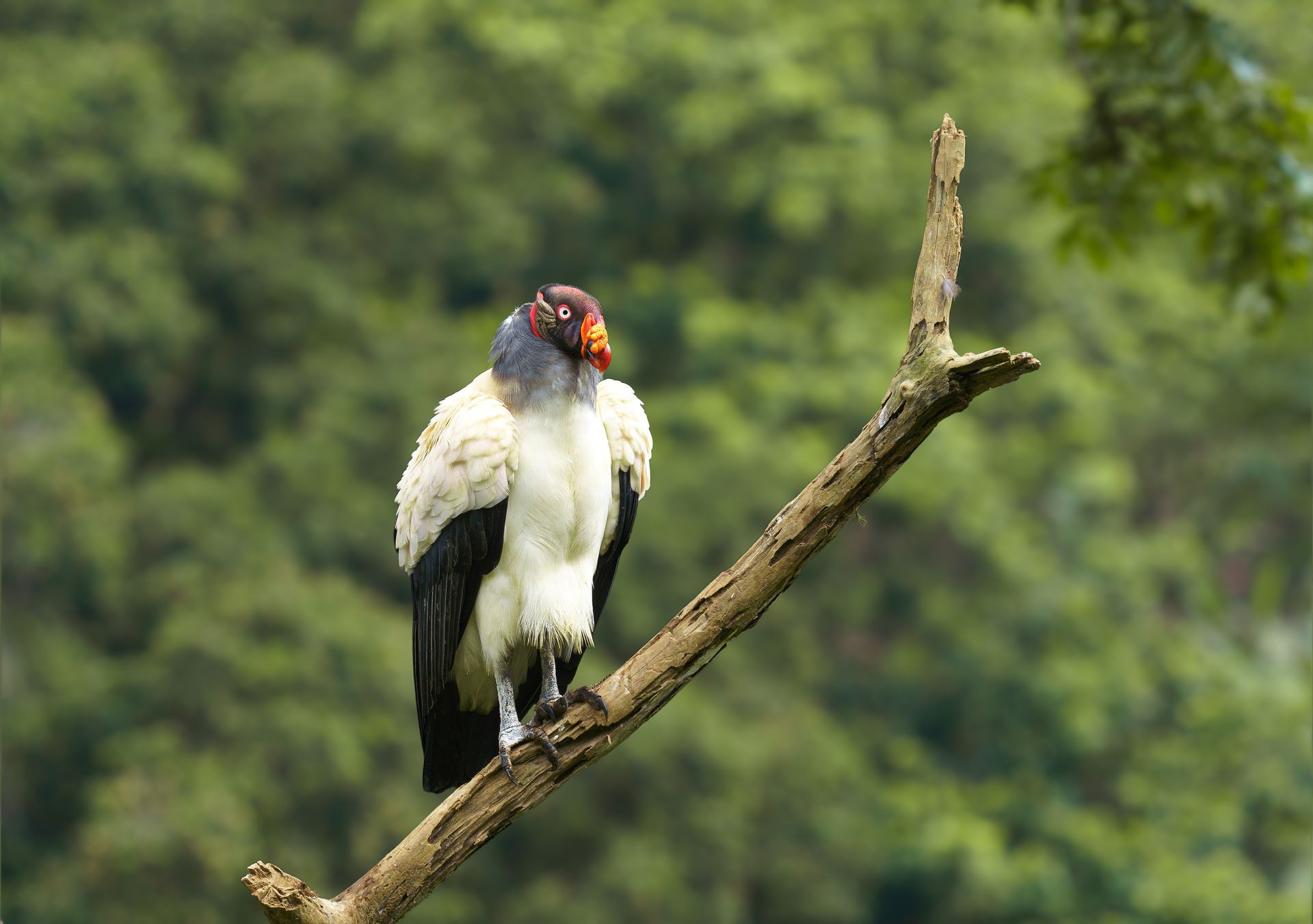
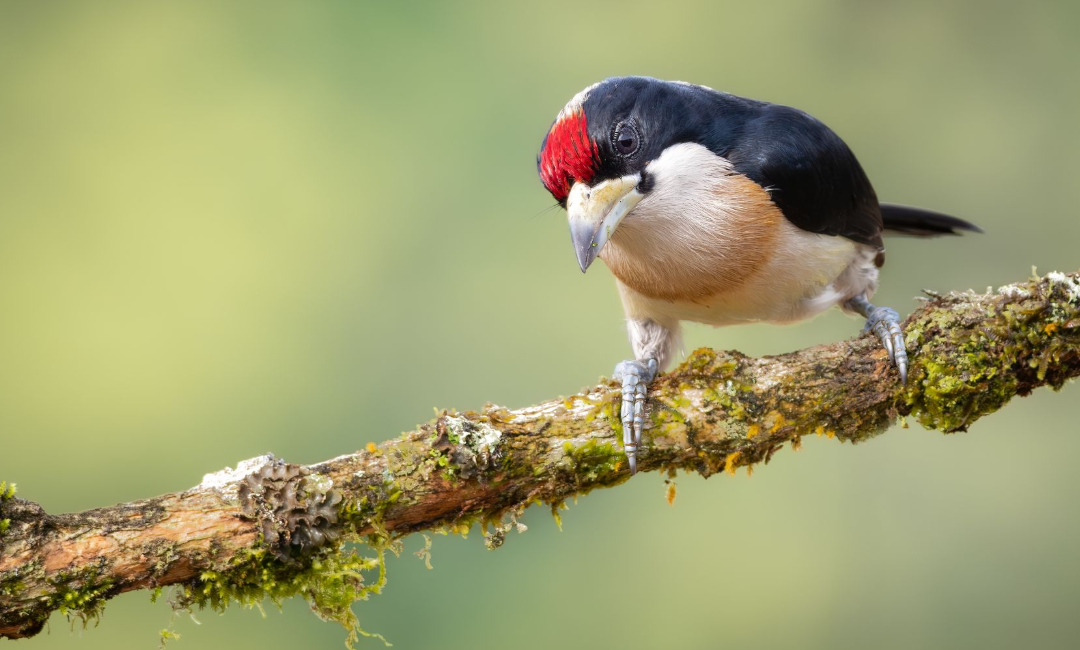
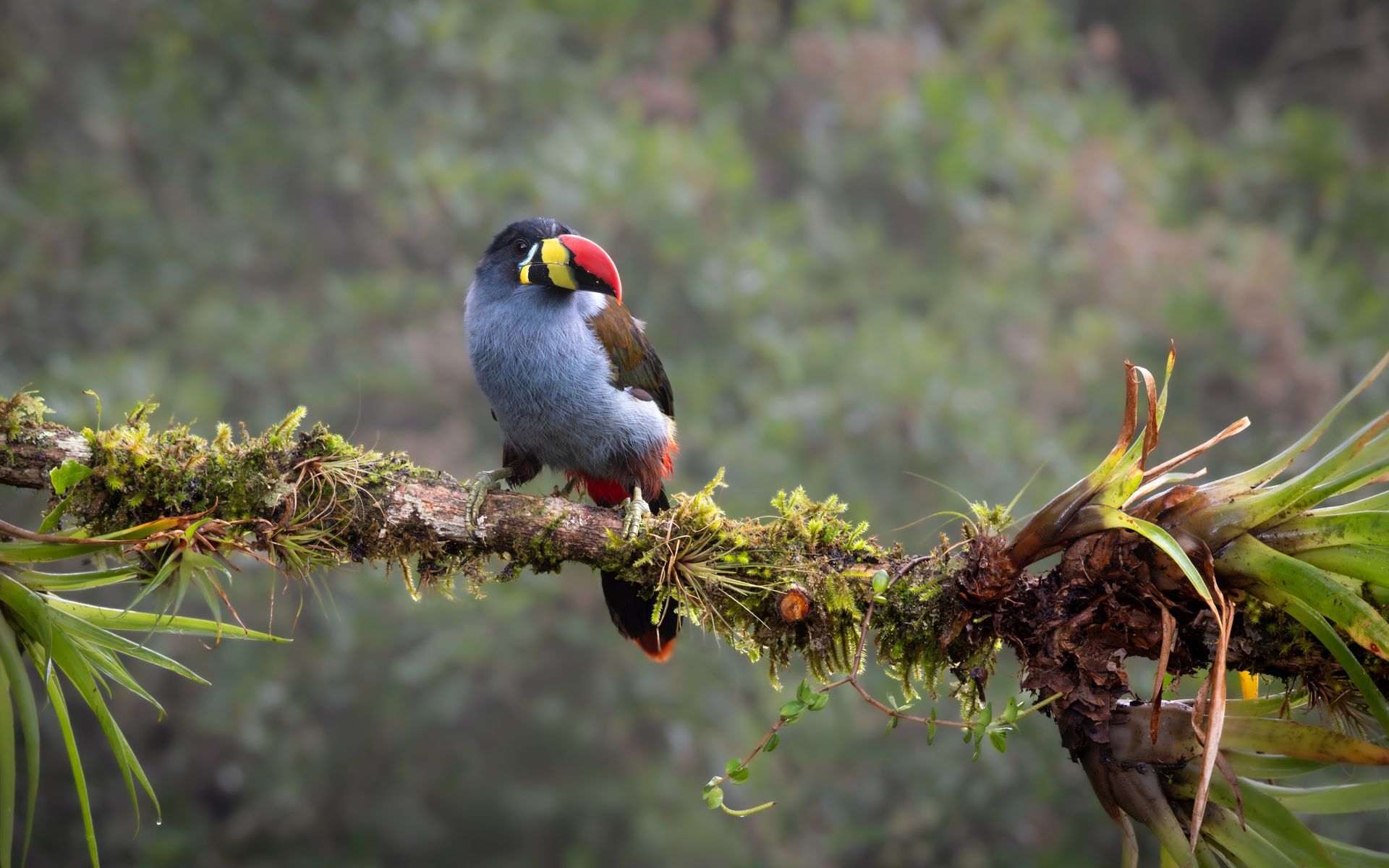
This is particularly valuable when photographing iconic Colombian wildlife, from glittering Andean hummingbirds and elusive Spectacled Bears to rainforest raptors.
A powerful photograph can inspire curiosity, but context can inspire respect. It can show that wildlife does not exist separately from human lives. It inhabits working landscapes, community territories, protected areas, and places shaped by generations of local knowledge.
Community benefits must also be shared fairly over time. Tourism can be seasonal, concentrate income among only a few businesses, or place pressure on communities to perform for visitors.
The strongest partnerships continue to evolve through honest communication, reasonable group sizes, and a willingness to change routes as local priorities and conservation conditions change.
For travelers, that uncertainty is not a flaw in the experience. It is part of traveling responsibly in wild places. The day may bring rain instead of a clear mountain view, a closed trail instead of a planned target bird, or an unexpected stop that becomes the most memorable part of the journey.
Look Beyond the Species List
When choosing a wildlife photography expedition, look beyond the species list and ask what your presence helps sustain.
The photographs you bring home may be extraordinary. But the deeper reward is knowing that your journey contributed to keeping both local knowledge and wild habitat alive.
Because behind every remarkable wildlife photograph is more than a subject and a camera. There is often a community, a landscape, and a network of people whose work makes that encounter possible.