
The Best Private Reserve for Bird Photography in Colombia
Inside Montezuma Rainforest Ecolodge
by David Casas
Before sunrise at Montezuma, the forest is already loud. Tanagers move through fruiting trees in the half-dark, wood-quail call from somewhere low in the understory, and hummingbirds begin working the feeders in the soft, usable light. For photographers searching for the best private reserve for bird photography in Colombia, this is the kind of morning that matters. You're not spending the first hours of daylight negotiating access, driving between disconnected sites, or hoping a target species happens to cross the road. You're already standing inside one of the country's most productive Chocó-Andean bird habitats, camera in hand.
Why Montezuma Stands Out for Bird Photographers
Montezuma Rainforest Ecolodge sits on the eastern slope of the Tatamá massif in western Colombia, where the Andes meet the Chocó biogeographic region — the same Western Andes corridor that anchors much of Retorno's regional tour planning. It's a private reserve and lodge rather than a single hide or feeder garden, and that's precisely its strength. The property spans an elevational gradient of intact, exceptionally wet forest, from lower foothill habitat up into cooler cloud forest, creating opportunities for very different photographic subjects without requiring a change of hotel every night.
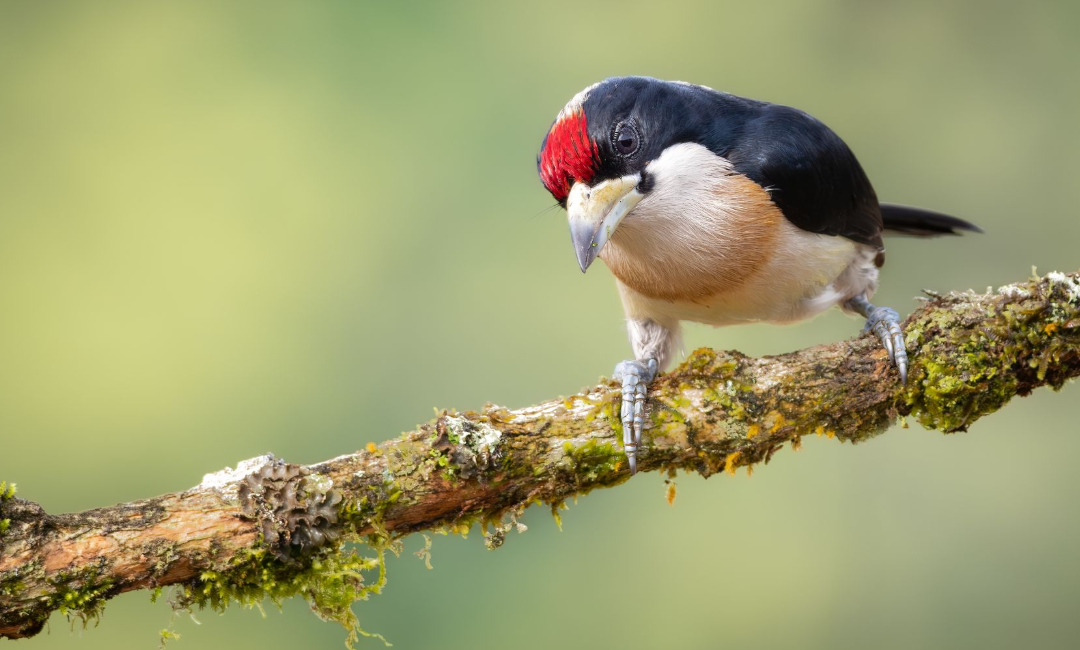
The species list is remarkable, but numbers alone don't make a great photography reserve. What makes Montezuma special is the concentration of sought-after birds in habitats that reward patient, deliberate work. The reserve is one of the only places on Earth where photographers can reliably find the endemic Gold-ringed Tanager, Chestnut-bellied Flowerpiercer, and Black-and-gold Tanager within the same few days — alongside a genuinely staggering variety of hummingbirds. Depending on elevation, season, flowering cycles, and a bit of luck, you'll also find colorful mixed tanager flocks, wood-quail, antpittas, toucans, trogons, quetzals, and other Chocó-region specialties moving through the reserve's different elevation bands.
A private reserve also offers something less glamorous but equally valuable: time. Weather in this region can change quickly, with mist, rain, and sudden shafts of light moving across the forest within minutes. Staying inside the reserve means you can return to a productive feeder, trail edge, or forest opening the moment conditions improve, rather than losing that window entirely. That flexibility is often the difference between a record shot and a refined portfolio image.
What Makes a Reserve Truly Photography-Friendly
The best birding locations aren't automatically the best places to photograph birds. A reserve can hold an extraordinary species list while presenting difficult light, steep trails, distant canopy views, or brief, unpredictable encounters. Serious photographers should judge a private reserve by more than rarity alone.
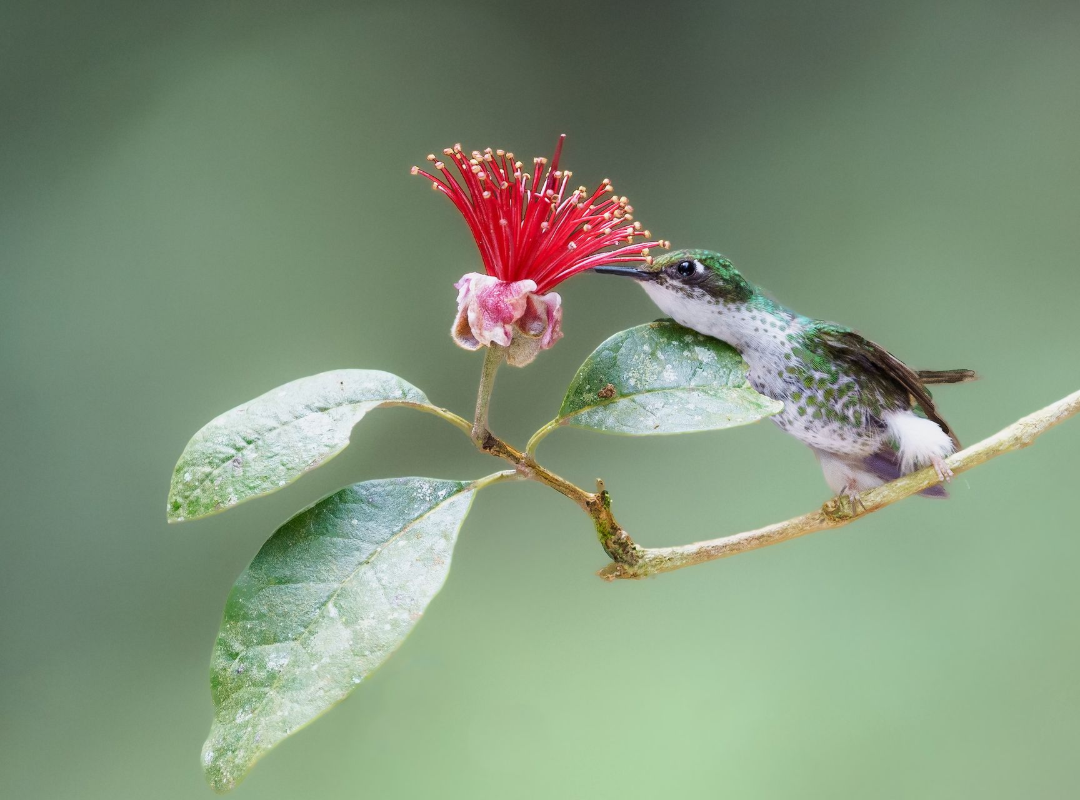
At Montezuma, feeders create reliable opportunities for hummingbirds and tanagers, particularly when guides understand how light shifts through the day and which stations suit a given lens and working distance. Forest trails and roadside edges offer a different style of work entirely — less controlled, more demanding, and often more rewarding. This is where patience produces natural-habitat images of mixed flocks, antbirds, and elusive understory species that feeder photography alone can't deliver.
The trade-off is honest: Montezuma is not a studio. Rain is part of the ecosystem, humidity is relentless, and birds don't perform on schedule. Feeder photography can deliver clean backgrounds and repeated passes, but it doesn't replace the fieldcraft required for a genuinely cooperative forest bird. Photographers who arrive expecting constant, eye-level action may be disappointed. Those willing to work with the weather and spend real time in the right microhabitat will find a reserve with tremendous depth.
The Value of Altitude and Habitat Variety
A productive day at Montezuma can begin in lower, warmer forest and finish higher in cloud forest, with each zone bringing a different cast of species. This is especially valuable on a multi-day itinerary. Rather than racing across Colombia to add ticks to a list, you can build a more complete, more considered body of work around a single landscape.
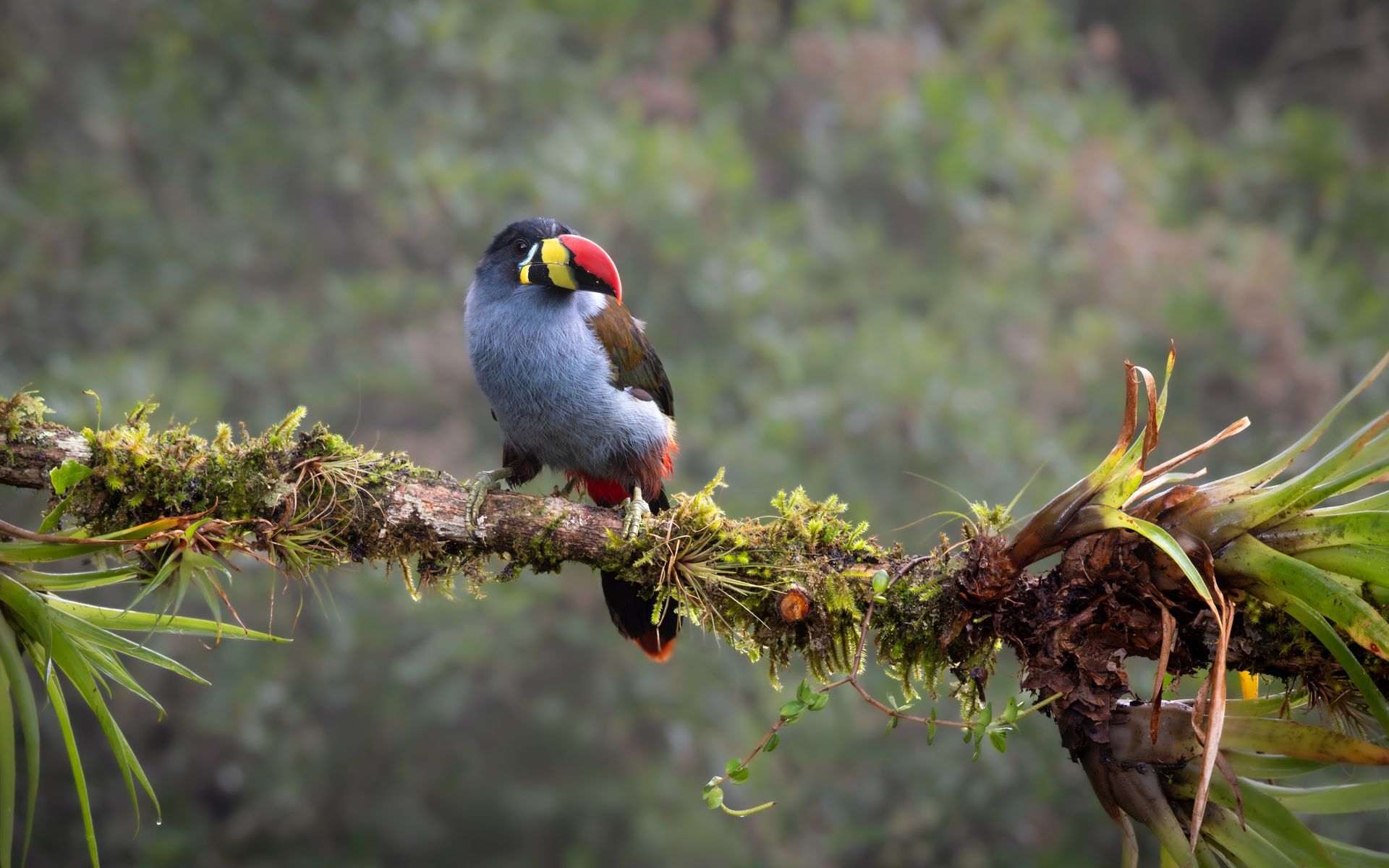
At lower elevations, the forest feels dense and tropical, with opportunities for larger frugivores, mixed flocks, and species tied to the Chocó foothills. Higher up, cooler cloud forest changes the light, the vegetation, and the bird community entirely. Mossy branches, bromeliads, and drifting mist create the atmospheric frames many photographers travel to the Andes specifically to capture, while hummingbird feeders provide a reliable fallback when rain closes in on the higher trails.
When to Visit Montezuma
There's no single perfect month, because Montezuma is a wet forest reserve and rainfall can occur at any time of year. For bird photography, that's not necessarily bad news. Overcast skies reduce harsh contrast, saturated vegetation photographs beautifully, and rain often brings productive bursts of activity both before and after a shower passes.
Let your priorities guide the timing rather than a generic calendar. If hummingbirds and tanagers are your main focus, a longer stay is more valuable than chasing a supposedly ideal week — flowering and fruiting patterns shift from year to year. If you're targeting a specific endemic, regional specialty, or behavior such as feeding young, build the trip around current local knowledge rather than guesswork.
Plan at least three full shooting days in the reserve if Montezuma is a principal destination on your itinerary. Four or five days give you meaningfully better odds of working around rain, revisiting a promising location, and photographing key species in more than one setting or light condition. A fast one-night stop may produce an exciting checklist, but it rarely gives a dedicated photographer enough time to work deliberately.
Equipment and Field Technique for a Wet Cloud Forest
A 400mm lens or longer is useful at Montezuma, especially for natural-perch images along forest edges and trails. But a long lens alone isn't the whole answer. A 100–400mm or 200–600mm zoom can be extremely practical when birds appear close at feeders or a mixed flock moves rapidly through the canopy. For hummingbirds, many photographers bring a fast telephoto and, when appropriate and permitted, a carefully positioned flash setup that never interferes with the birds' natural behavior.
Humidity management deserves as much planning as lens choice. Carry rain covers, microfiber cloths, dry bags, and silica gel. Avoid repeatedly moving cold equipment from an air-conditioned room into warm, wet air, since condensation can delay your entire morning. A lightweight tripod or monopod helps for perched birds in dim conditions, while handheld work is often best when following an active flock.
Clothing should be quiet, breathable, and quick-drying. Waterproof boots with real grip matter more here than fashion-forward hiking shoes, and leech socks are worth packing in wet conditions. The trails can be uneven and muddy. This is a reserve that rewards physical readiness — but the photographic payoff is far greater when you can stay still and comfortable for an extra twenty minutes, waiting for the light or the bird to arrive.
Why Local Guidance — and the Right Operator — Changes Everything
At a place as species-rich as Montezuma, the real challenge isn't finding birds. It's deciding where to invest your limited time. A skilled local guide recognizes calls, understands which elevation is producing on a given morning, and can position a small group without crowding a subject or disrupting the forest.
That guidance also supports more ethical photography. Rare birds should never be pressured for a frame, and playback must be used conservatively, if at all. Respecting distance, limiting group noise, and allowing birds to resume normal behavior lead to better images as well as better wildlife encounters — and to a reserve that stays productive for the next group of photographers who visit after you.
This is exactly the kind of terrain Retorno Photo Tours was built for. Montezuma sits within the same Western Andes corridor covered by our Emblematic Photo Tour, and we build it into tailored Colombia itineraries whenever its cloud forest specialties align with a photographer's target list, equipment, and available time. Our guides include both biologists and photography specialists, which matters enormously in a reserve like this one — knowing where the Gold-ringed Tanager typically moves through the canopy is one skill; knowing how to position a photographer for the shot before it arrives is another, and Montezuma rewards operators who bring both. We also cap every group at a maximum of six photographers, which at a reserve this rich in subjects is the difference between everyone getting the shot and half the group missing it.
Coordinated transport, lodging, meals, local guiding, and flexible field planning let you focus entirely on the subjects in front of your lens rather than the logistics behind them — and that access is backed by relationships with more than 275 local reserve and guide partners across Colombia, built over years, not booked overnight.
Ready to build Montezuma into your Colombia photography itinerary? Talk to Retorno Photo Tours about tailoring a private reserve itinerary around your target species and timeline.
Is Montezuma Right for You?
If your priority is a polished lodge experience, guaranteed dry weather, and effortless access to every subject, another destination may suit you better. Montezuma is remote, wet, and honest about the realities of tropical bird photography. It demands patience, real protection for your equipment, and a willingness to trade predictability for biodiversity.
But for photographers who want Colombian endemics, dazzling hummingbirds, rich tanager flocks, and the mood of a living cloud forest, it's difficult to surpass. The strongest images often arrive after the rain, when the leaves shine, the mist lifts, and a bird that was only a call in the darkness suddenly lands in the open. Give the reserve enough time, work it with care, and let the forest set the pace.
Want Montezuma paired with the rest of Colombia's Western Andes and Chocó specialties in a single, expertly guided trip?
Explore Retorno's Photo Tours or
get in touch and we'll build the itinerary around exactly what's on your list.