
Birds and wildlife Hides for Photography
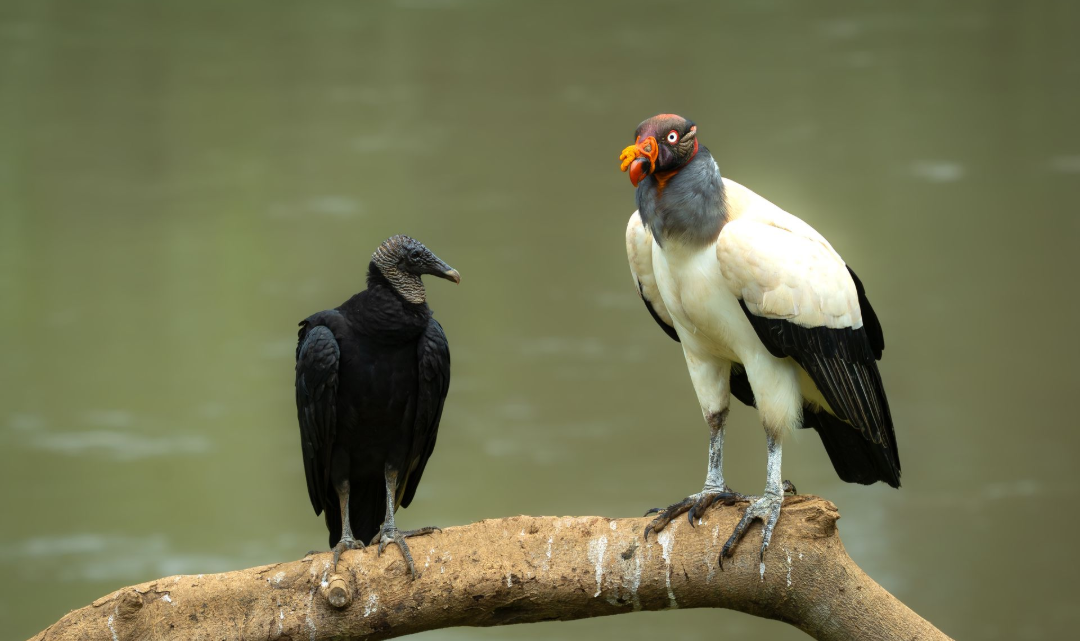
We work with different hides around the bird and wildlife Photography.
A troop of squirrel monkeys crosses an Amazonian canopy in seconds. A jaguar steps out along a Pantanal riverbank just before sunset. A glittering hummingbird hovers at eye level in an Andean garden. In each case, the best image rarely comes from moving closer. It comes from choosing the right position, staying quiet, and understanding the different types of hides for bird and mammal photography.
A hide is not simply a place to conceal yourself. At its best, it is a carefully planned photographic tool that places you at the right height, distance, angle, and light while allowing wildlife to behave naturally. The right setup can turn a brief sighting into a meaningful sequence of behavior. The wrong one can leave you cramped, poorly positioned, or worse, disruptive to the animal.
Different Types of Hides for Bird and Mammal Photography
The word “hide” covers much more than a camouflaged tent. Fixed blinds, vehicle-based setups, boats, elevated platforms, portable hides, and simple natural cover all serve different subjects and habitats. Your choice should be guided by the species’ behavior, the terrain, the direction of light, and the level of comfort needed for the waiting involved.
For serious photographers carrying a 400mm, 600mm, or longer lens, stability matters as much as concealment. A hide with a poorly designed opening or a vibrating floor can compromise sharpness. Likewise, a beautiful setting is of little use if branches clutter the frame or the subject is always backlit.
Permanent feeder and garden hides
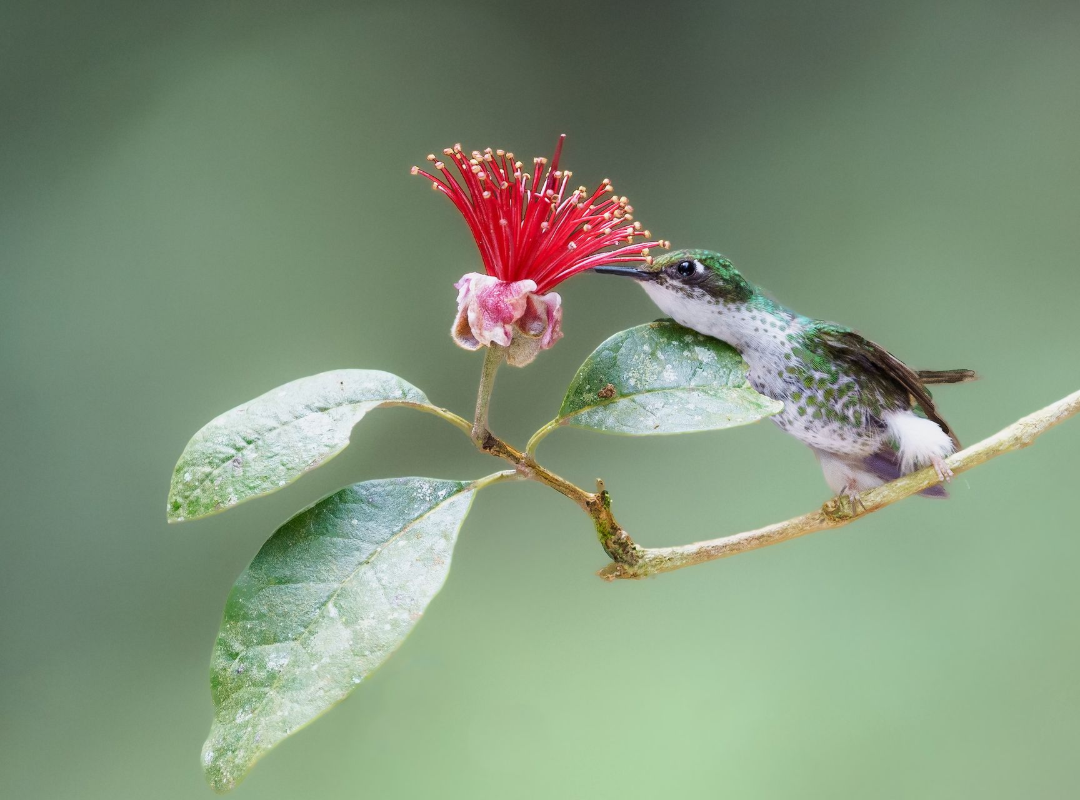
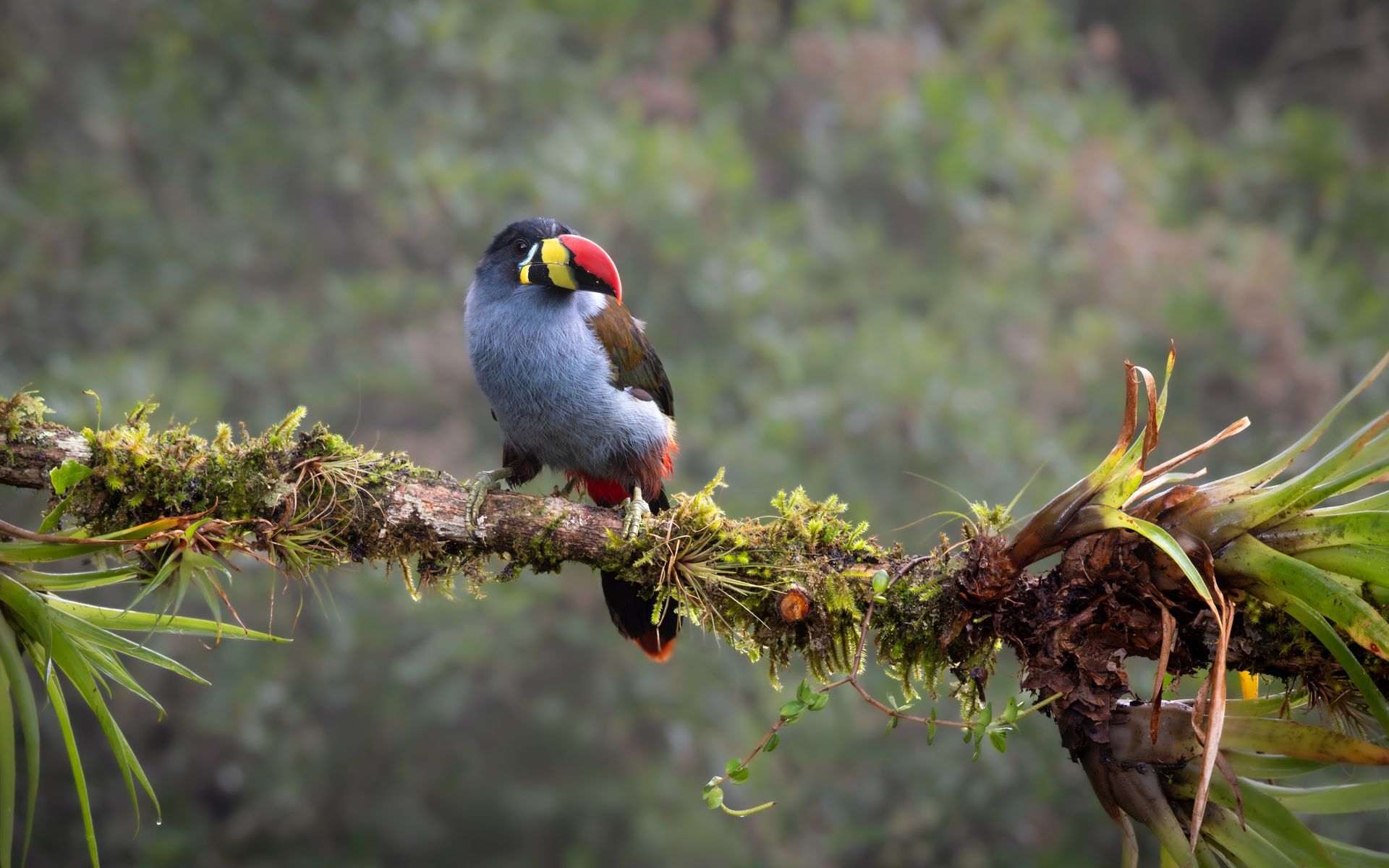
Permanent hides around feeding stations, fruiting trees, or carefully maintained gardens are among the most productive setups for small birds. In Colombia’s cloud forests, these can provide exceptional opportunities for tanagers, toucans, barbets, woodpeckers, and hummingbirds, often at close range and in relative comfort.
The advantage is consistency. Perches can be selected for clean backgrounds, openings can be placed at the correct lens height, and activity may continue throughout the day. The best feeder-hide photography still requires patience. Birds do not land on the perfect perch on command, and shifting light can change the exposure dramatically within minutes.
Ethical operation is essential. Feeding must be responsibly managed, should never create dependency, and must not attract predators or spread disease through poor hygiene. Well-run community reserves and private conservation projects use these sites to protect habitat, create local employment, and give photographers a reason to support the forest beyond the frame.
Water-level and reflection-pool hides
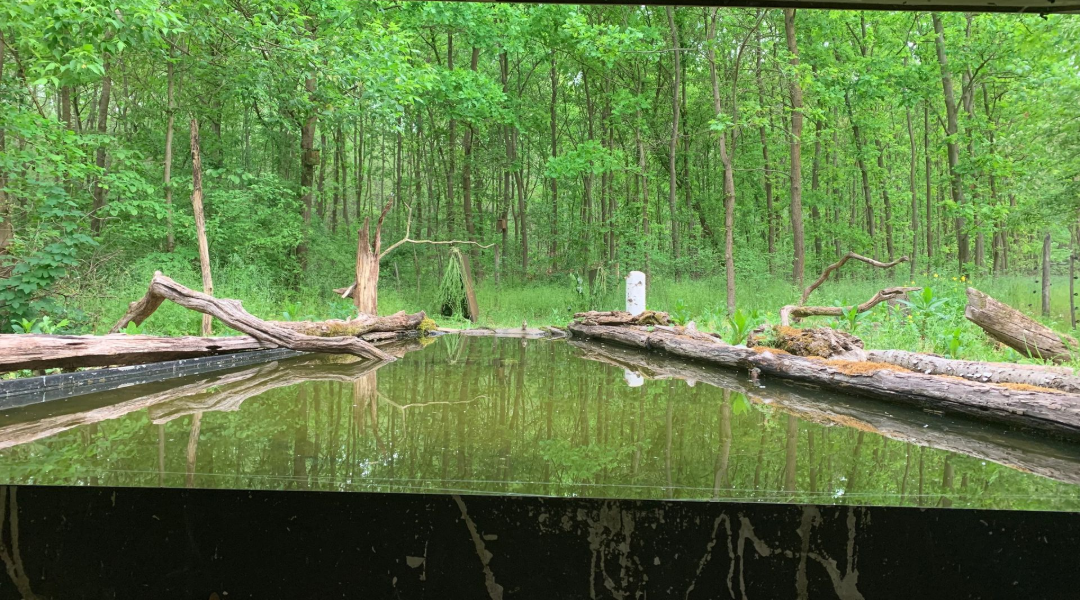
A water-level hide places the lens close to, or just above, the surface of a pool, pond, or wetland. It is particularly effective for waterfowl, shorebirds, kingfishers, herons, and species that bathe or drink. With calm water and low-angle light, it creates reflections that give an image a quiet, immersive quality.
These hides demand attention to practical details. A low shooting angle often means limited space for a large tripod head, potential humidity around the equipment, and very little freedom of movement. Wide openings can reveal the photographer’s silhouette; narrow openings can restrict composition. For bird flight, a hide with room to swing a gimbal-mounted lens is far more useful than one designed only for static portraits.
In tropical conditions, rain covers, lens cloths, and a method for controlling condensation are not optional. A dry bag for spare batteries and a small towel can make the difference between a full morning of shooting and an early retreat.
Forest-floor and trail hides
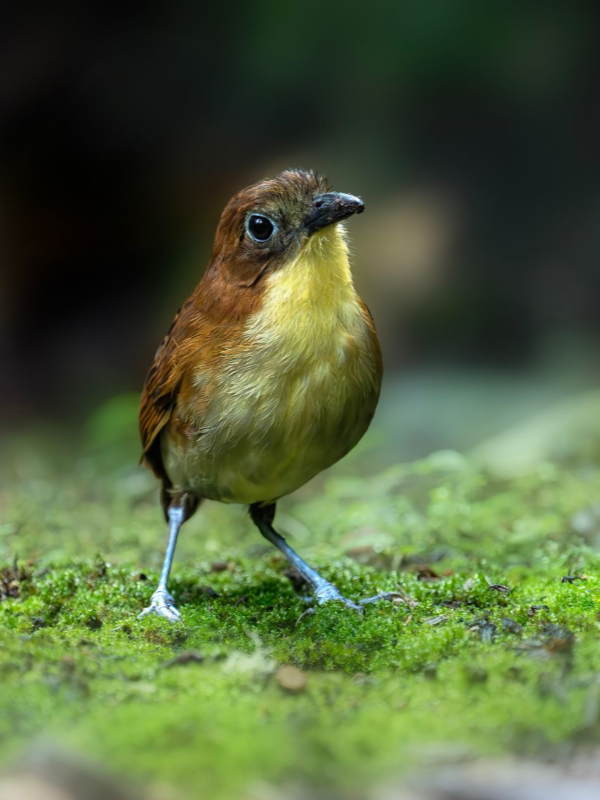
For shy terrestrial birds and mammals, a ground-level blind beside a known trail, salt lick, fruiting tree, or water source can be extraordinarily rewarding. This is the kind of patient setup used for antpittas, tinamous, curassows, agoutis, tapirs, and, in the right conditions, elusive forest cats.
The appeal is intimacy. At ground level, the viewer enters the animal’s world rather than looking down into it. But the forest presents challenges: low light, high contrast, insects, humidity, and vegetation that can obscure a subject at the critical moment. A fast lens, strong high-ISO performance, and quiet camera operation are often more valuable here than extreme focal length.
These hides must never be placed so close that they alter an animal’s route or prevent access to food, shelter, or offspring. For mammals especially, experienced local guides are vital. They understand fresh tracks, seasonal movements, wind direction, and when to leave a location alone.
Elevated canopy and tower hides
An elevated hide completely changes the perspective. It can bring photographers closer to canopy-level birds, fruiting trees, displaying cotingas, and arboreal mammals that would otherwise remain high above the lens. In mature forest, height can also open a clean sightline through layers of dense vegetation.
The trade-off is obvious: access and comfort. Climbing safely with long lenses requires careful logistics, and not every photographer enjoys working from a narrow platform. Equipment should be secured with straps, movement should be minimized, and a compact support system is often easier to manage than a full-size tripod.
Early mornings from canopy towers can be magical, particularly where mist hangs over the forest, and birds begin moving through the upper strata. Still, this is not automatically the best choice for every target. If the species feeds in lower layers or the sun rises behind the expected perch, an elevated position may be less productive than a well-designed ground hide.
Vehicle hides for open-country wildlife
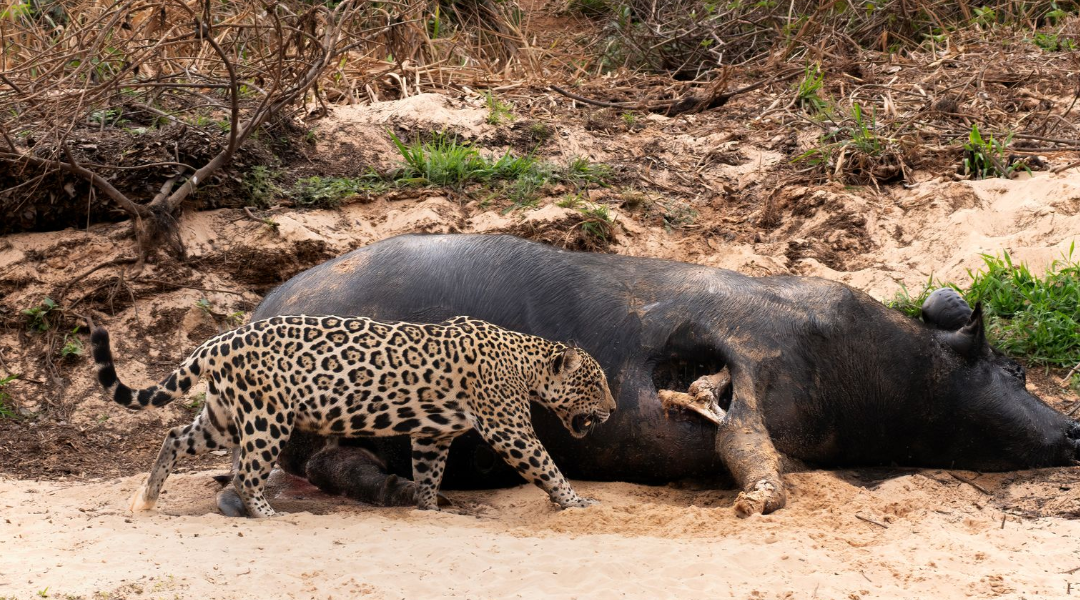
A vehicle can be one of the most effective forms of cover for mammals and larger birds in open habitats. In the Pantanal, for example, wildlife is often more accustomed to vehicles than to people on foot. A properly positioned vehicle can allow respectful views of jaguars, giant anteaters, capybaras, marsh deer, macaws, and raptors without disrupting animals' natural routines.
Vehicle photography works best with disciplined positioning. Turn off the engine when possible, avoid slamming doors, keep voices low, and use the vehicle’s windows, roof opening, or beanbag support strategically. Light direction remains decisive. A guide who can anticipate an animal’s likely path and place the vehicle before the moment happens is worth far more than one who follows sightings.
The limitation is height. Shooting from a standard seat can put the lens above the ideal eye line for smaller mammals, and crowded vehicles restrict movement. Small-group travel helps enormously, giving each photographer room to work without competing for the same window.
Boat and floating hides
Boats function as mobile hides on rivers, oxbow lakes, flooded forests, and coastal waterways. They are especially valuable for kingfishers, hoatzins, river dolphins, giant otters, caimans, waterbirds, and riverbank mammals. In some areas, a boat is also the safest and least intrusive way to approach wildlife.
A drifting or slowly positioned boat can provide a natural, low perspective, but it introduces motion. High shutter speeds, image stabilization, and careful bracing are necessary. A monopod may be useful in some larger boats, while a beanbag is often the practical choice in smaller craft. Saltwater, spray, and sudden rain demand thoughtful protection for cameras and lenses.
Floating hides take this concept further, placing the photographer at water level in a purpose-built, camouflaged platform. They can create extraordinary images, but they are specialist tools that require safe conditions, reliable supervision, and a clear understanding of local wildlife. They are not appropriate in waterways with strong currents, large reptiles, or unpredictable boat traffic.
Portable Pop-Up Hides and Natural Cover
Portable pop-up hides are useful where permanent structures would be inappropriate or impractical. They can work well at a temporary stakeout for a displaying bird, along a migration route, or beside a location where wildlife is already known to pass. Their greatest benefit is flexibility.
Their weakness is that wildlife may notice a new object in the landscape. Set one up well before the expected activity, secure it against the wind, and avoid placing it directly in an animal’s path. A hide should blend into the setting, not become an obstacle within it.
Sometimes the simplest concealment is natural cover: a tree trunk, a rocky outcrop, tall grass, or the shadow of a forest edge. This approach is fast and lightweight, but it requires restraint. Do not break vegetation to create a view, trample fragile ground, or edge closer just because the animal appears calm.
Choose the Hide Around the Photograph You Want
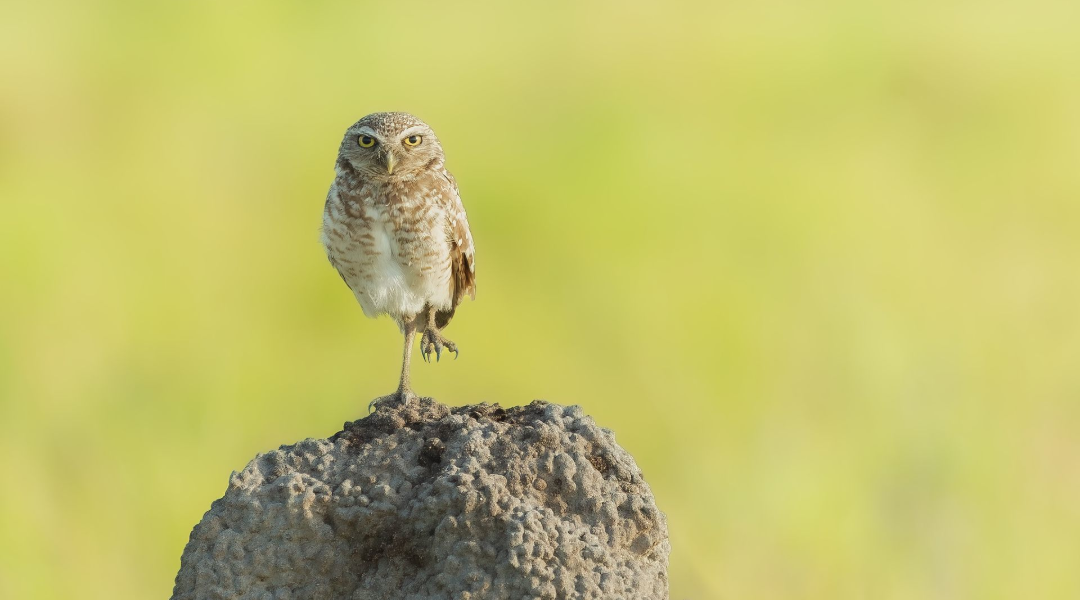
Before committing to any hide, decide what kind of photograph you want to pursue. A tight hummingbird portrait, a wide environmental jaguar image, a reflection of a waterbird, and a behavioral sequence of a family of giant otters all require different distances and angles.
Ask practical questions as well. Can you use a tripod or gimbal head? Is there room to change lenses? Where will the sun be at first light and late afternoon? How long can you stay without disturbing the subject? Is there a safe exit if weather changes? On a well-planned photographic expedition, these details are considered before the first shutter click.
At Retorno Photo Tours, we see hides as part of a larger field strategy, not a shortcut. The strongest wildlife photographs come from local knowledge, patient observation, ethical distance, and a setup that gives the subject freedom to remain wild. Choose the hide that lets you wait quietly, work comfortably, and leave the habitat exactly as you found it.
Scheduled Tours
Western Amazon: Gateway to Chiribiquete.
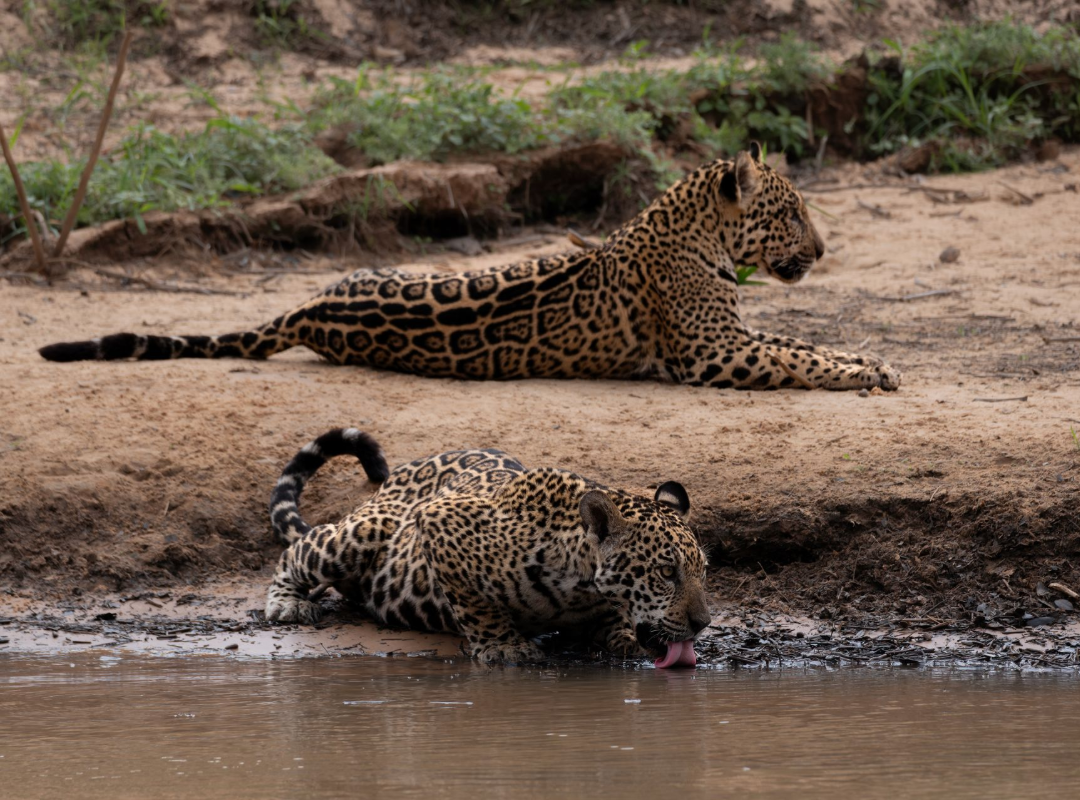
Jaguars of Pantanal
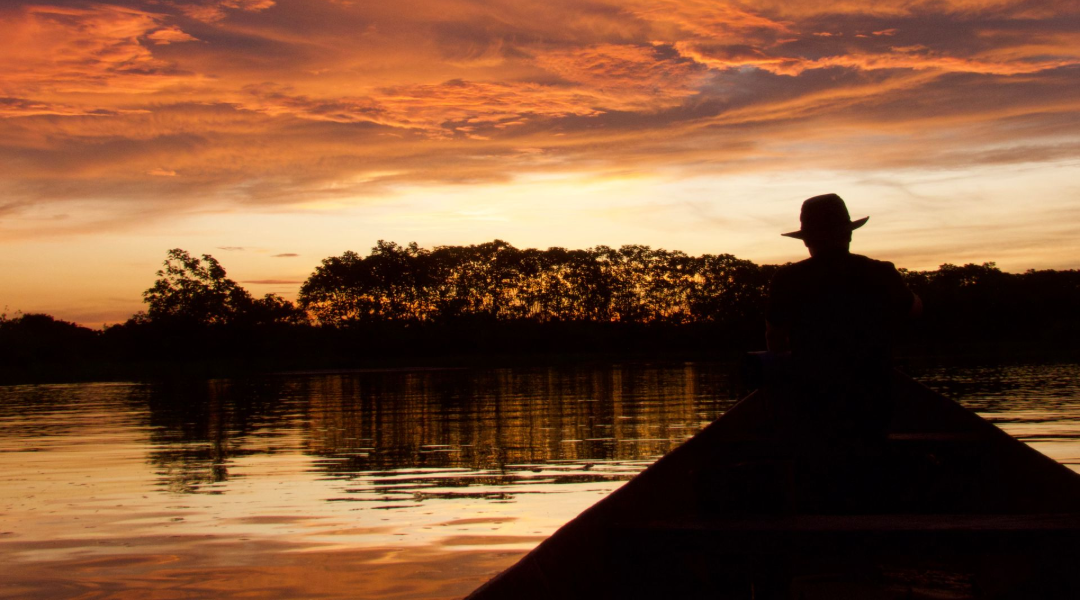
Amazon's Guiana Frontier - Mitu.
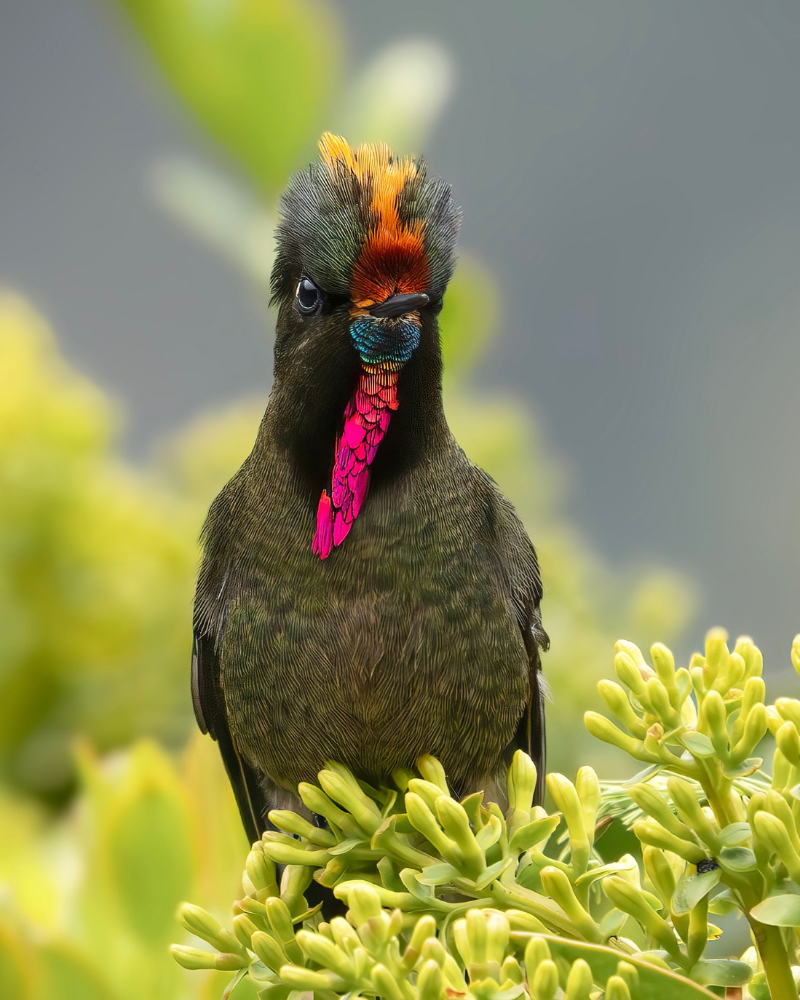
Emblematic Birds Photo Tour