
Photo Safaris for Serious Wildlife Photographers
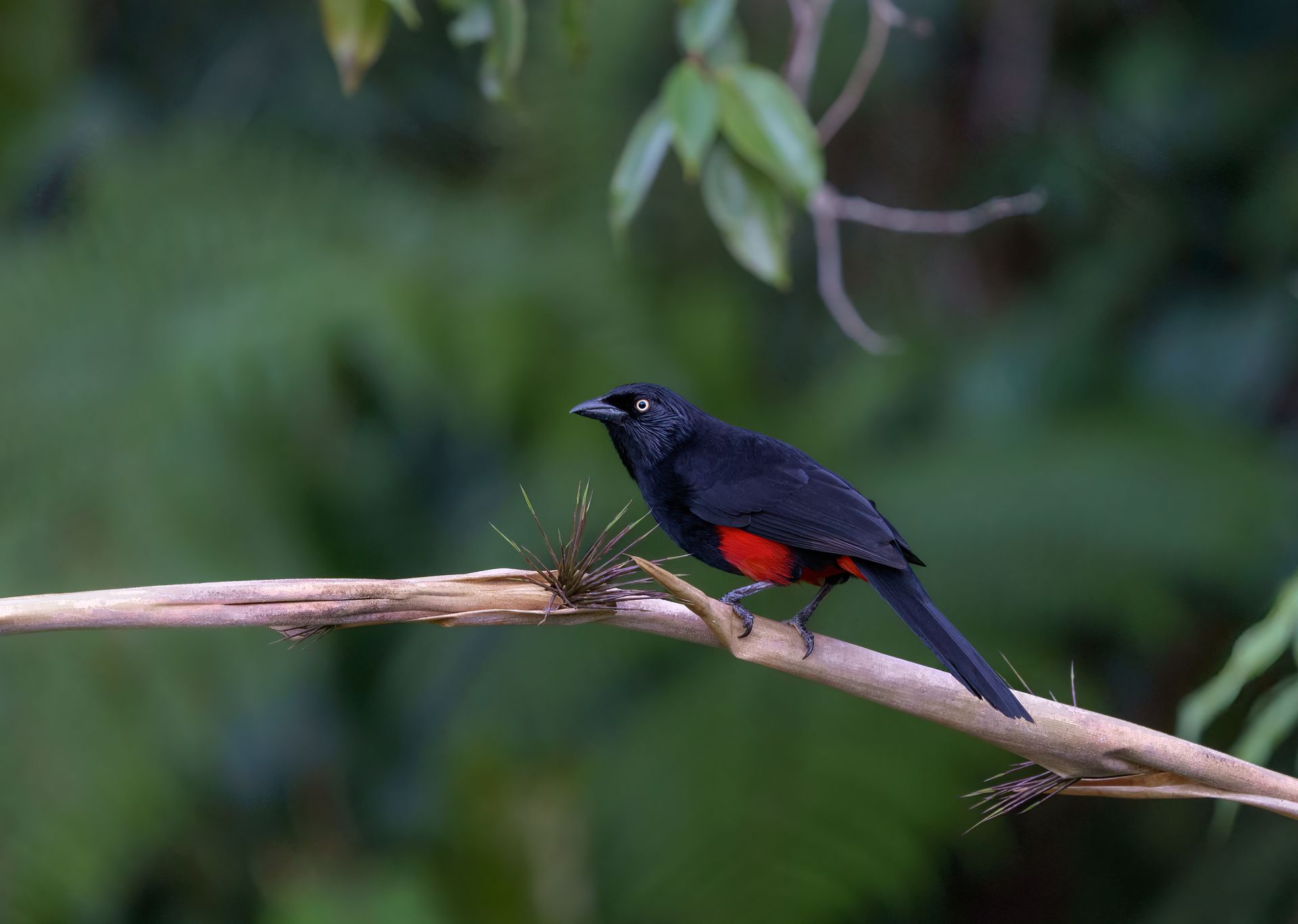
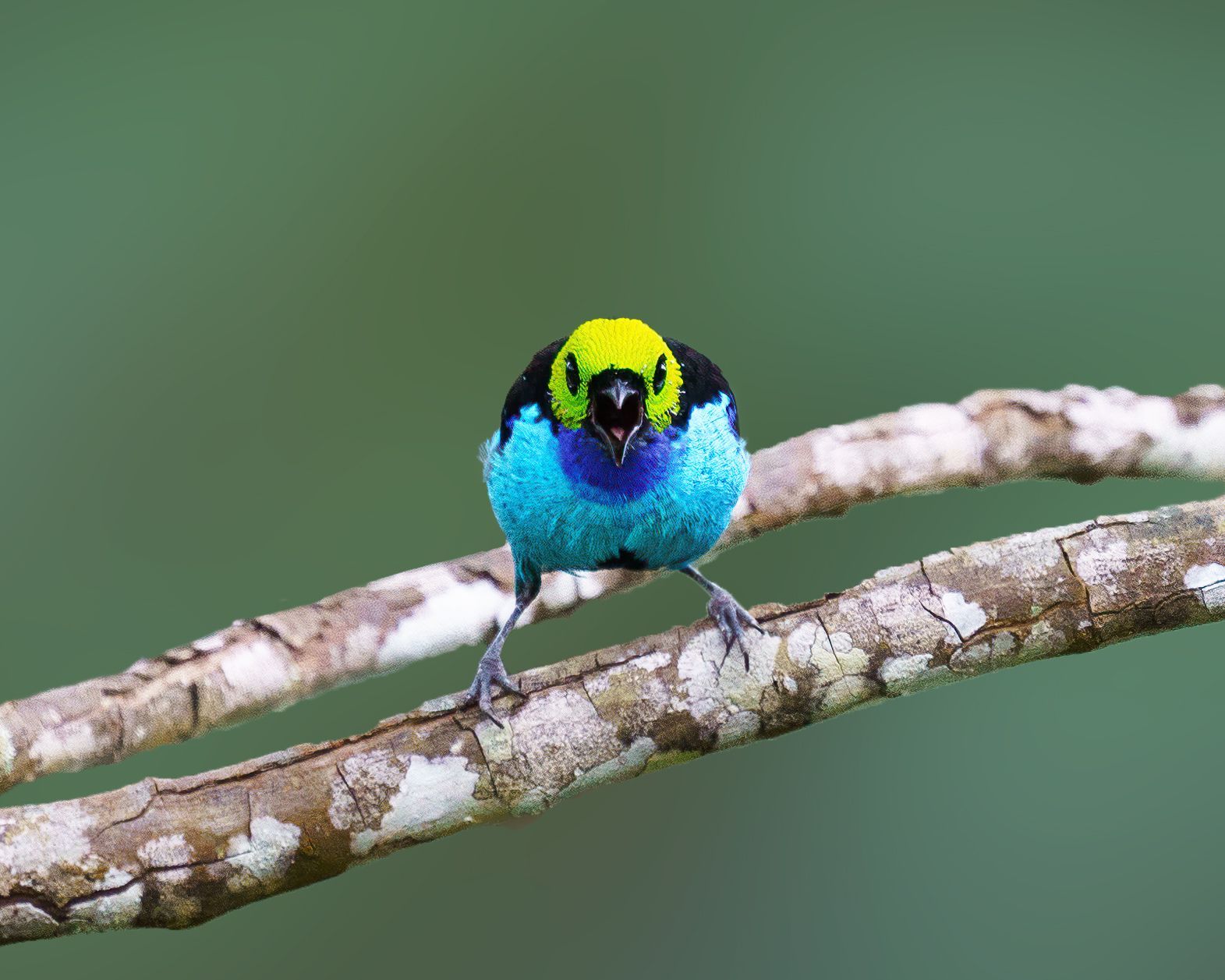
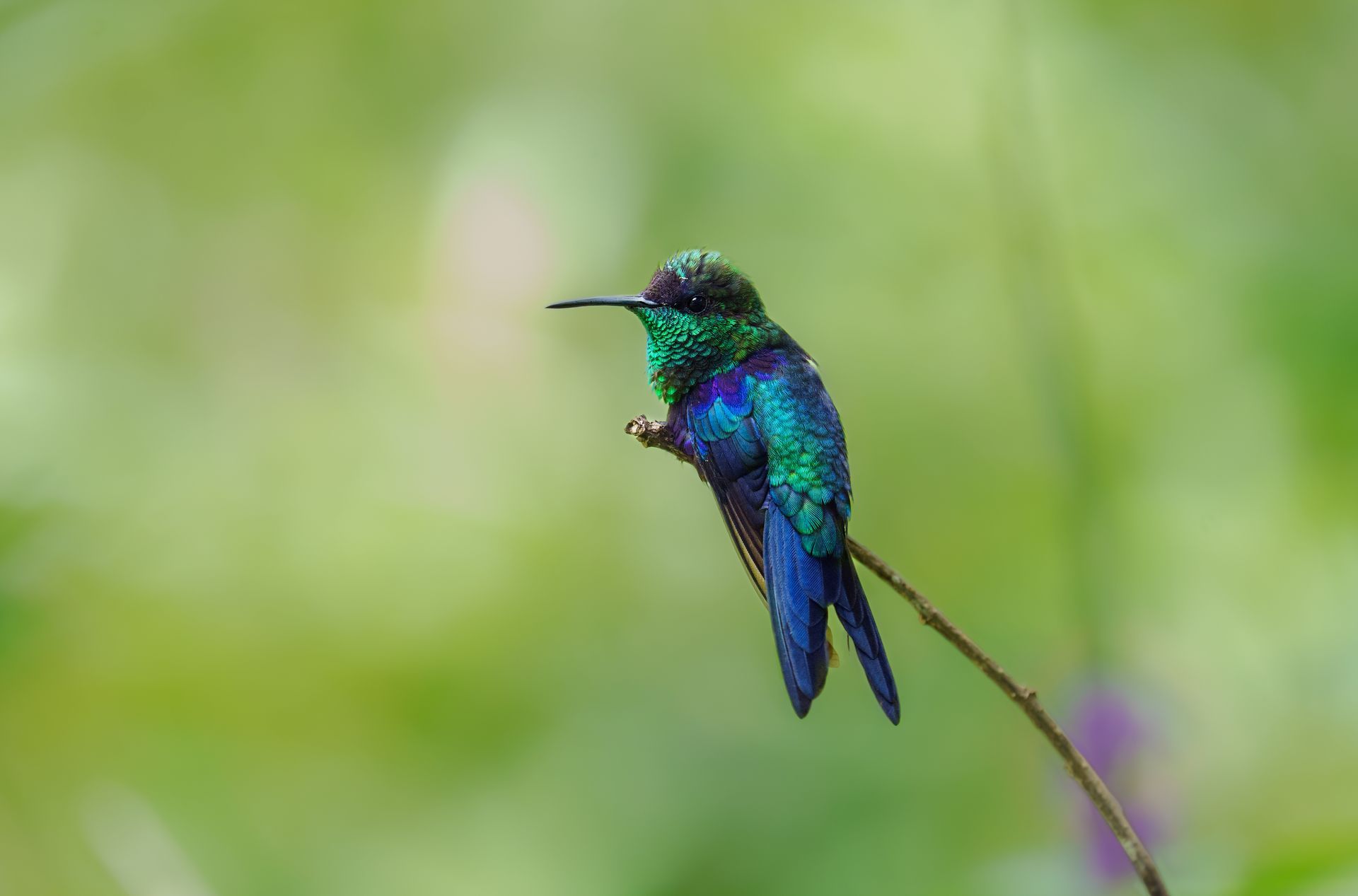
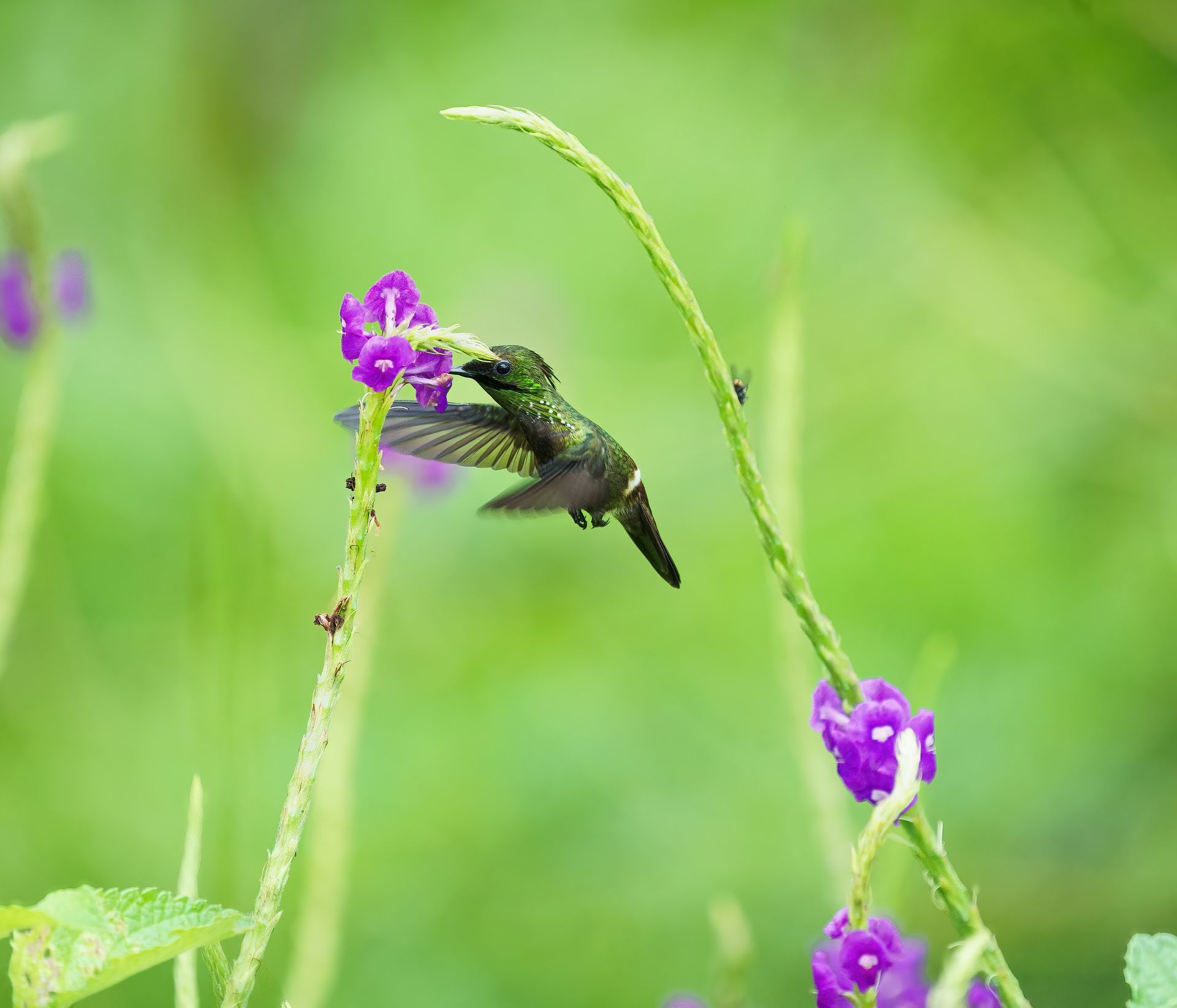
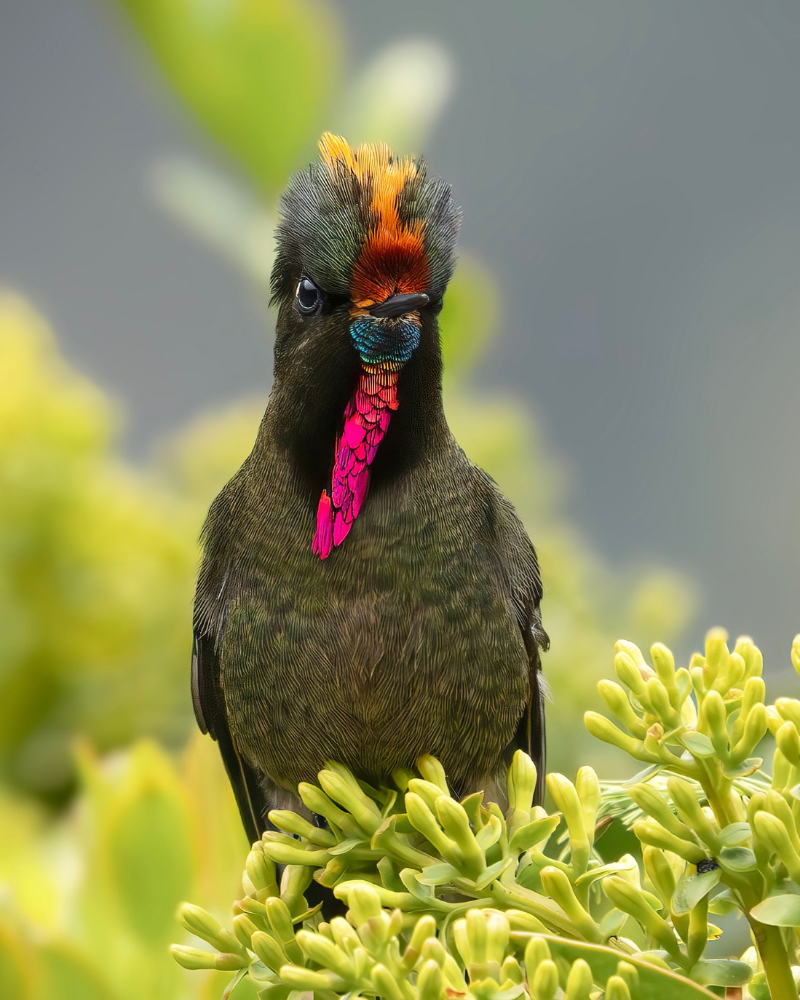
One of the most looking Hummingbird of Amazon
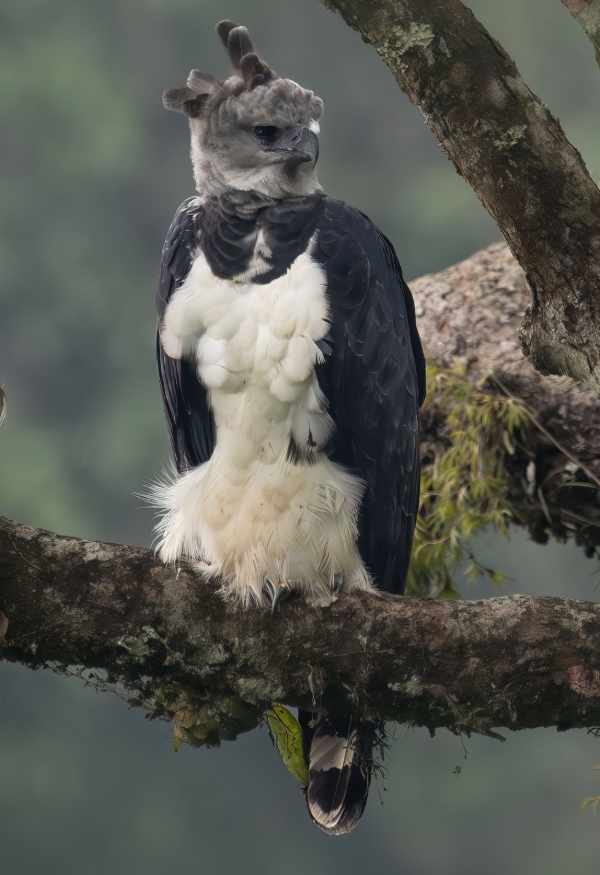
The moment a Harpy Eagle appears above a rainforest trail, or a male Cock-of-the-rock steps onto a mossy lek perch, is not the moment to begin solving logistics. Your camera should be ready, your position considered, and your guide should already understand the animal’s behavior, the light, and the limits of the location. That is the real value of well-designed photo safaris: they turn precious encounters into prepared photographic opportunities.
For serious wildlife photographers, a photographic journey is measured in more than a species list. It is measured in clean backgrounds, natural behavior, enough time at the right angle, and the confidence that the encounter was achieved responsibly. In Colombia, those opportunities can range from hummingbirds flashing through cloud forest gardens to bears feeding high in the Andes, rare Chocó birds in wet lowland forest, and wildlife along Amazonian waterways. Reaching them well requires much more than a map and a long lens.
What Photo Safaris Are Really Designed to Do
A conventional wildlife trip may prioritize sightseeing, broad coverage, or a fast-moving itinerary. A photography-focused expedition works differently. Its purpose is to create the best possible conditions for making images while respecting weather, access rules, wildlife welfare, and the realities of remote travel.
That begins with choosing locations for more than their species potential. A productive photo safari considers whether a subject can be photographed at eye level, how the morning light falls, whether there is shelter from rain, how far equipment must be carried, and how many photographers can work without crowding one another. A bird seen high in a canopy may be a thrilling record, but it is not automatically a strong photographic subject. Experienced planning separates possible sightings from realistic image-making opportunities.
It also protects time in the field. Colombia’s diversity is extraordinary, but its landscapes are complex. A route can cross steep Andean roads, humid lowland forest, agricultural valleys, and remote community reserves within a few days. When transportation, meals, permits, accommodations, local access, and daily timing are coordinated in advance, photographers spend less energy troubleshooting and more energy watching the forest.
The Difference Between a Wildlife Tour and a Photography Expedition
The distinction is not simply about carrying larger lenses. A photography expedition is built around patience and repeatable opportunities. If a mixed flock is active beside a forest road, the group may remain in place rather than rush to the next checklist stop. If fog delays a mountain morning, the schedule may shift to use a more reliable afternoon feeder setup or a forest edge known for tanagers.
This approach is particularly valuable when the target is behavior rather than a record shot. Photographing a jaguar walking a riverbank, a hummingbird defending a flower patch, or a pair of Andean Cock-of-the-rock displaying can require hours of quiet observation. There is never a guarantee with wild animals, and anyone who promises one should be treated cautiously. But local knowledge can dramatically improve the odds and help photographers recognize when to wait, reposition, or move on.
Small groups matter here. A compact group is easier to place safely, quieter around sensitive species, and more flexible when conditions change. It also gives each participant a fairer chance at a clear line of sight. For photographers traveling with 500mm, 600mm, or [zoom telephoto lenses](https://www.retornophototours.com/mastering bird photography with long lenses), space to work is not a luxury. It directly affects the images you bring home.
Choosing a Destination Around the Images You Want
The best destination is not necessarily the one with the longest bird list. It is the one that matches your visual priorities, preferred pace, and tolerance for field conditions.
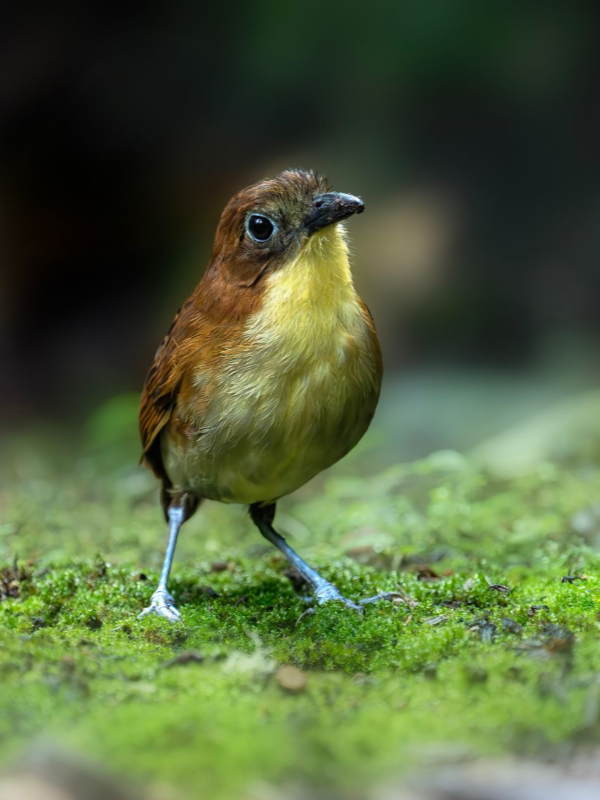
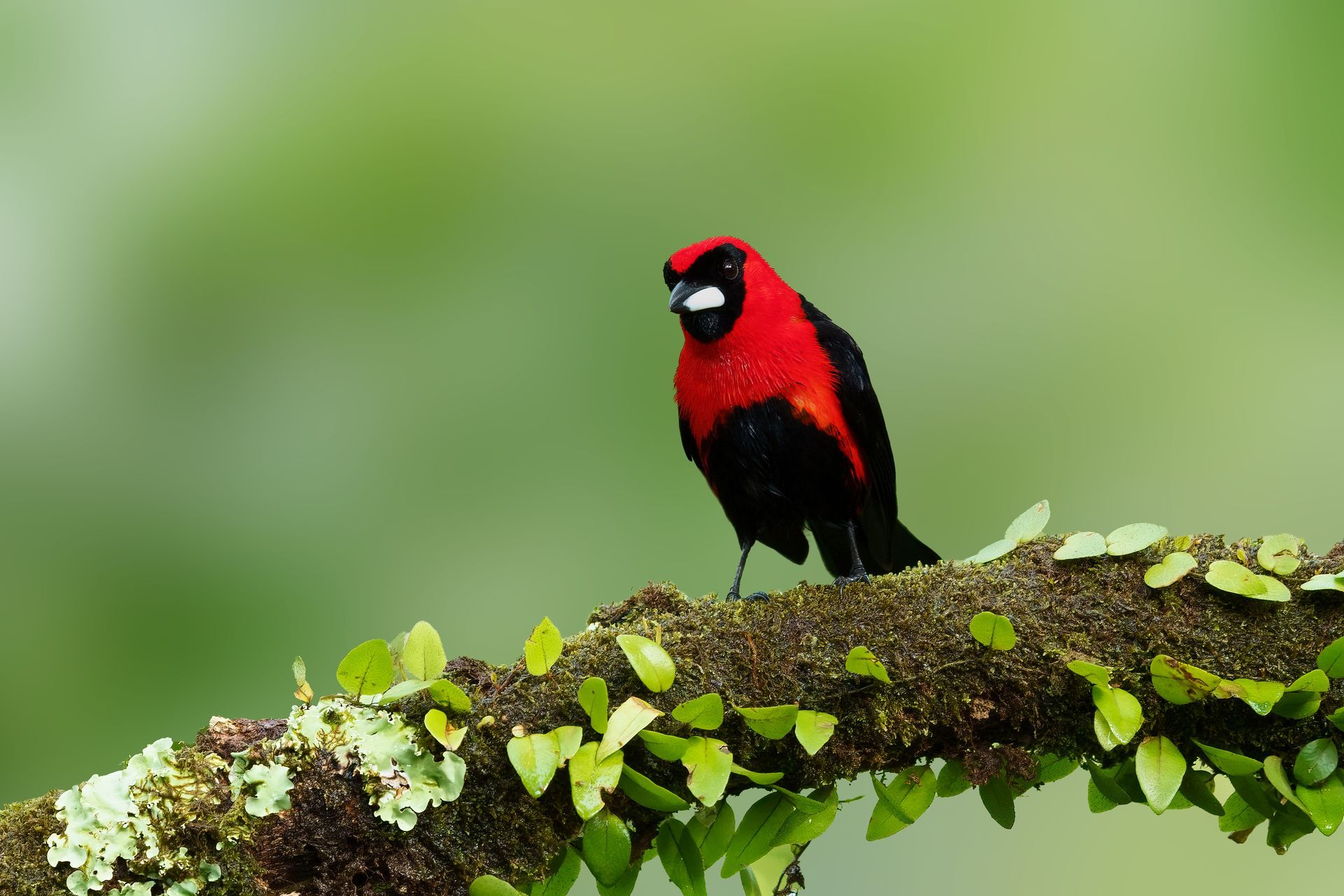
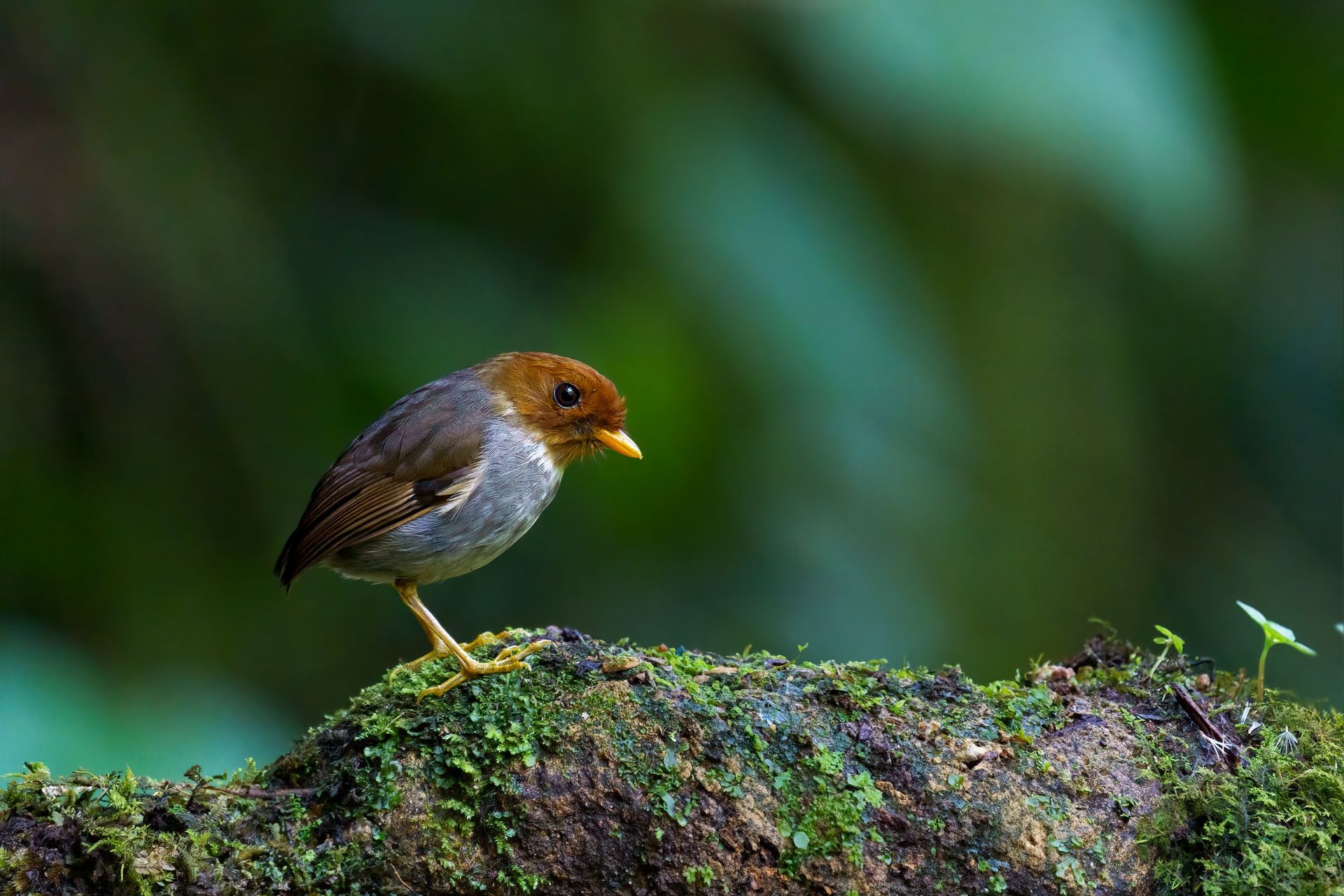
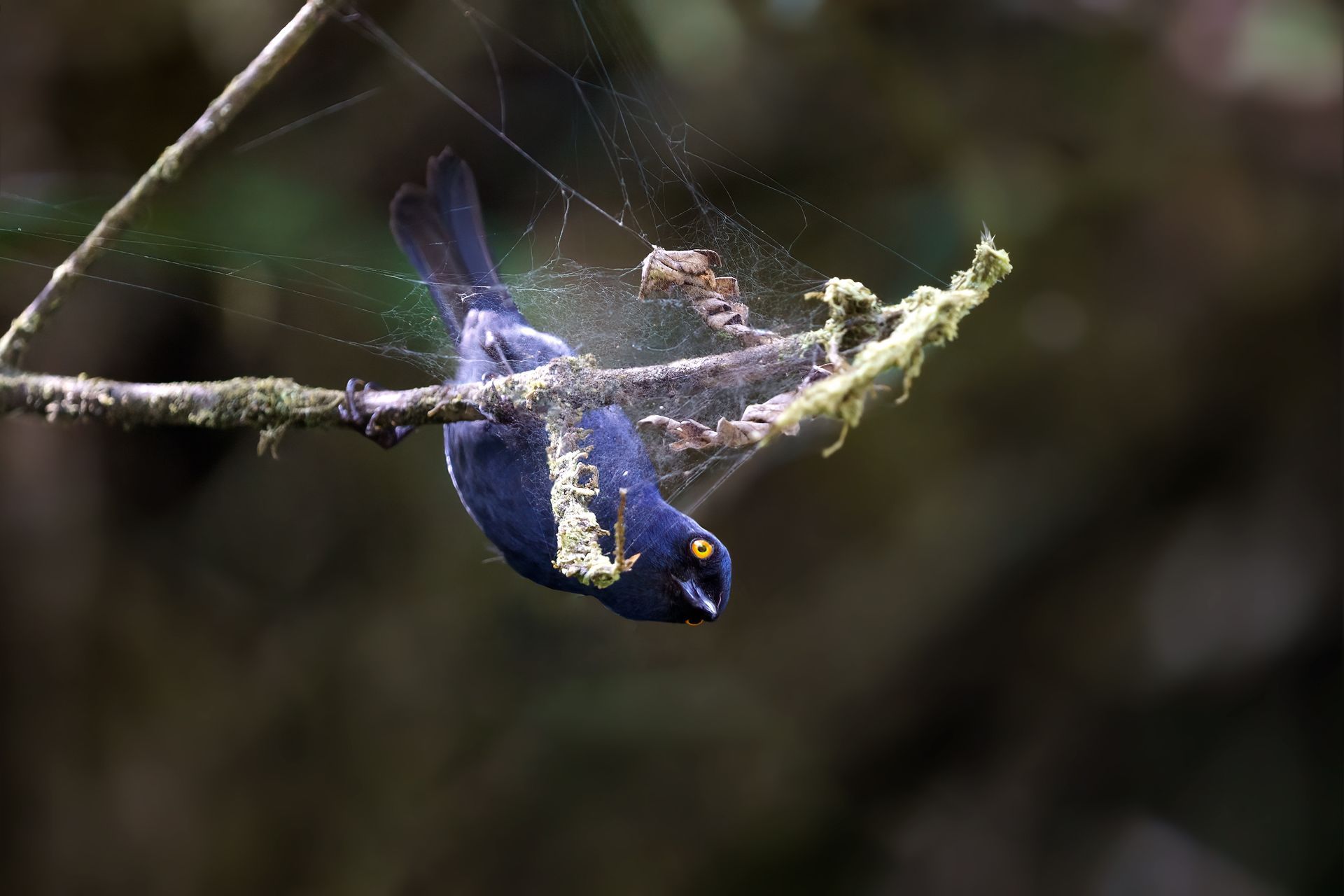
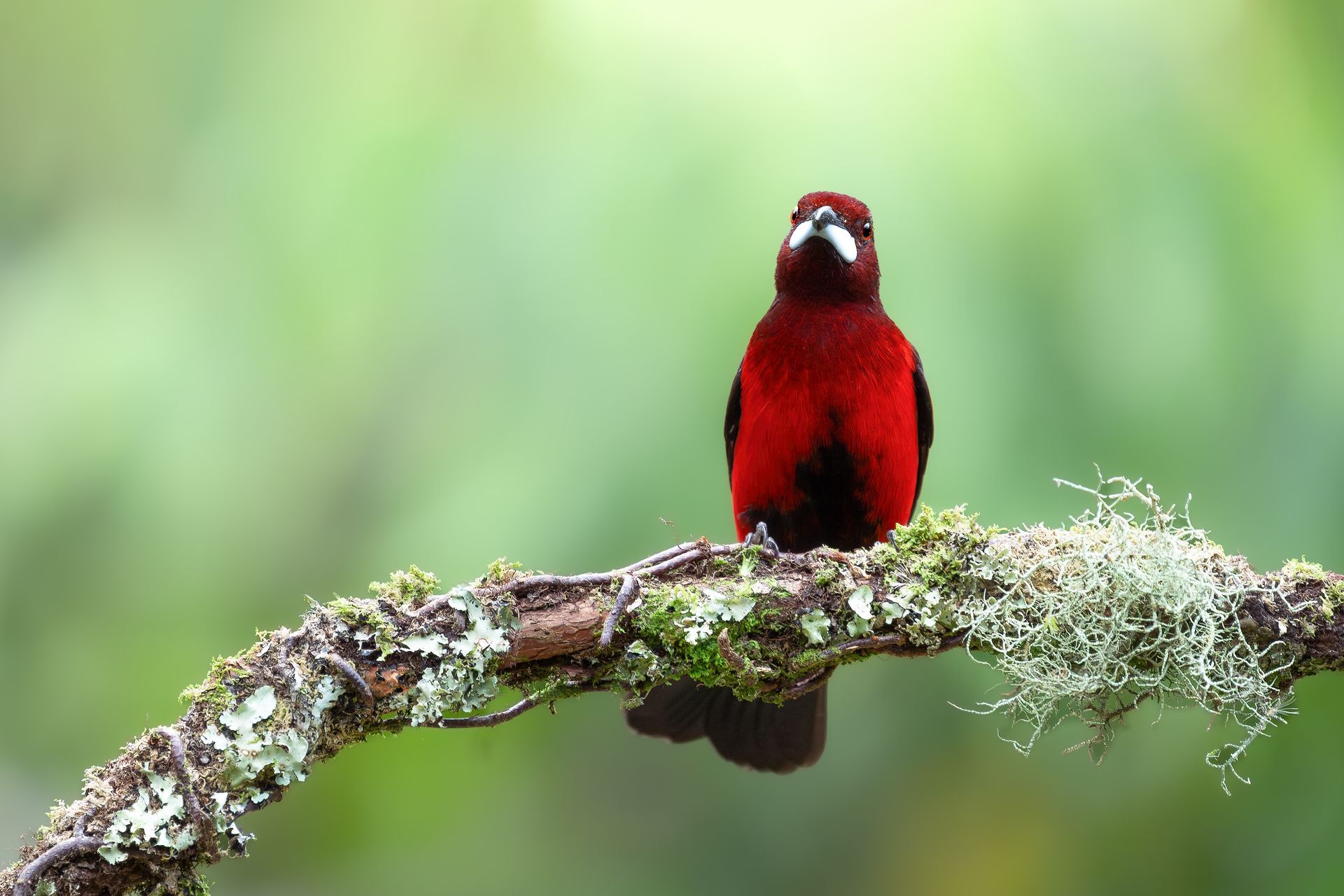
The Colombian Andes are compelling for photographers who want colorful tanagers, hummingbirds, antpittas, endemic birds, orchids, and dramatic mountain habitats. Many productive sites sit near lodges or reserves with established trails, making them a practical choice for photographers who want intensive bird photography without constant long travel days. Conditions can change quickly, however. Sun, mist, and rain may all arrive before lunch, so camera rain protection and flexible expectations are essential.
The Chocó region rewards those drawn to rare, range-restricted species and lush, atmospheric rainforest imagery. It can be wetter, more remote, and physically demanding, which is exactly why specialist coordination matters. The Amazon offers a different rhythm: river travel, canopy and understory wildlife, primates, frogs, macaws, and the possibility of powerful environmental images that show a subject within its habitat.
For iconic mammals, the Pantanal in Brazil offers open wetlands and strong possibilities for jaguar photography, especially for photographers who value extended time working from boats. The trade-off is that subjects, weather, water levels, and seasonal patterns still shape every day. Great photographic travel is never a factory line. The uncertainty is part of what makes a genuine encounter meaningful.
Ethical Practice Produces Better Wildlife Images
The strongest wildlife image is one that shows an animal acting naturally, without pressure from the photographer. Ethical field practice is not separate from photographic success. It is one of its foundations.
That means keeping an appropriate distance, limiting noise and sudden movement, avoiding crowding, and allowing an animal a clear path away. It means respecting reserve rules, local guides, and community protocols. It also means being honest about baiting, playback, flash, and artificial setups. These practices can have different implications depending on the species, location, regulations, and research behind the activity. They should never be treated casually.
At sensitive sites, guides may ask the group to work from a designated position, reduce the number of people at a viewpoint, or leave an active subject alone. Those decisions can feel frustrating in the moment, especially after traveling far for a target species. Yet they protect the wildlife, the access, and the quality of future encounters. Responsible tourism can give local communities a durable reason to maintain forest and wetland habitat rather than convert it.
For Retorno Photo Tours, that connection is central. Photography creates value when it supports the people who know and care for these landscapes, including rural, Indigenous, and Afro-descendant communities whose local knowledge and stewardship make meaningful access possible.
Prepare for the Field, Not Just the Species List
Excellent guides and locations cannot replace basic preparation. Bring the equipment you know well and set it up before the first dawn departure. A long telephoto lens is often the priority, but a shorter zoom can be just as valuable for landscapes, habitat portraits, close mammals, and unexpected moments around lodges or boats.
Weather protection deserves serious attention. In tropical forest and mountain conditions, a rain cover, dry bags, lens cloths, and a simple system for keeping batteries accessible will save more photographs than another accessory purchased at the last minute. Humidity can be relentless, and transitions between air-conditioned rooms and warm forest can create condensation. Let gear acclimate when possible, and carry more memory capacity than you think you need.
Clothing should support long hours outdoors rather than look expedition-ready in a hotel lobby. Neutral colors, breathable layers, waterproof footwear suited to the terrain, a hat, insect protection, and a small daypack are practical basics. In higher elevations, mornings can be cold even when afternoons become warm. In lowlands, heat and rain demand a different strategy. Your itinerary should include clear guidance because packing for Bogotá, cloud forest, and Amazonia as if they were the same place is a common mistake.
Before departure, discuss your photographic goals with your tour leader. Are you seeking flight shots, perched birds, macro subjects, mammals, landscapes, or conservation storytelling? Do you need help with autofocus settings for dense forest, or do you prefer a slower pace with time for composition? A private itinerary can be shaped around these preferences, while a scheduled group trip often offers a carefully balanced set of target habitats and species.
Give Yourself Time to See What the Forest Offers
The most memorable photographs are often not the ones printed on an itinerary. They may be a tiny glass frog on a wet leaf, a motmot pausing in side light, a family of monkeys moving silently through a canopy, or the shared excitement when a difficult endemic finally appears.
Choose photo safaris that leave room for those moments. Ask how much field time is planned, how many photographers share each guide, what happens when rain alters the schedule, and whether the operator works with trusted local communities. A thoughtful answer reveals far more than a glossy species list.
Come with target species, certainly, but also with patience. When logistics are secure, guides understand the territory, and wildlife is given the respect it deserves, you can stop chasing the next stop on the map and begin making photographs that carry the feeling of the place.
Scheduled Tours
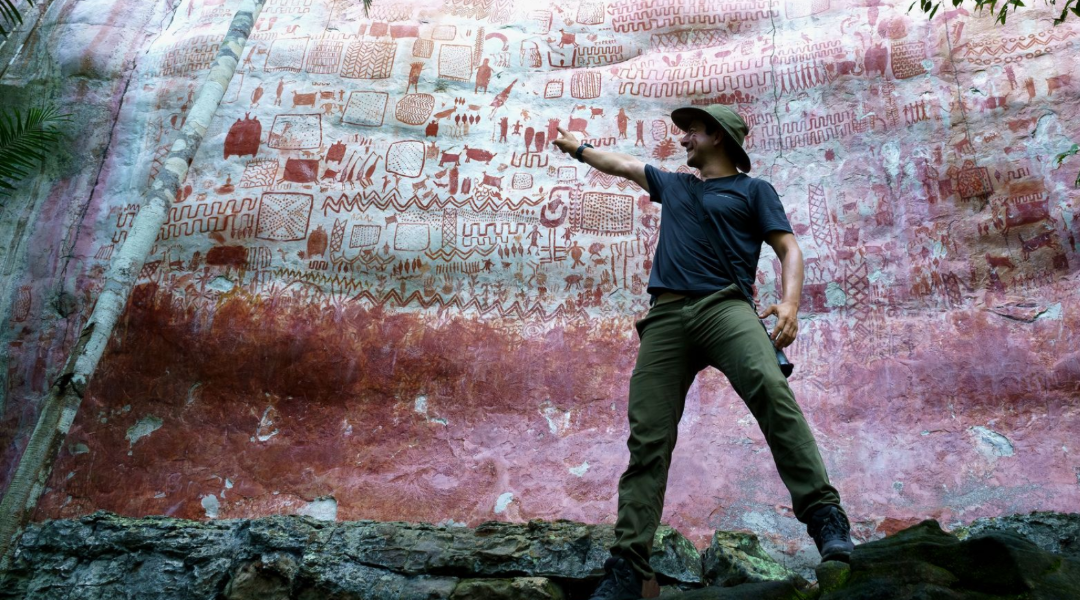
Western Amazon: Gateway to Chiribiquete.
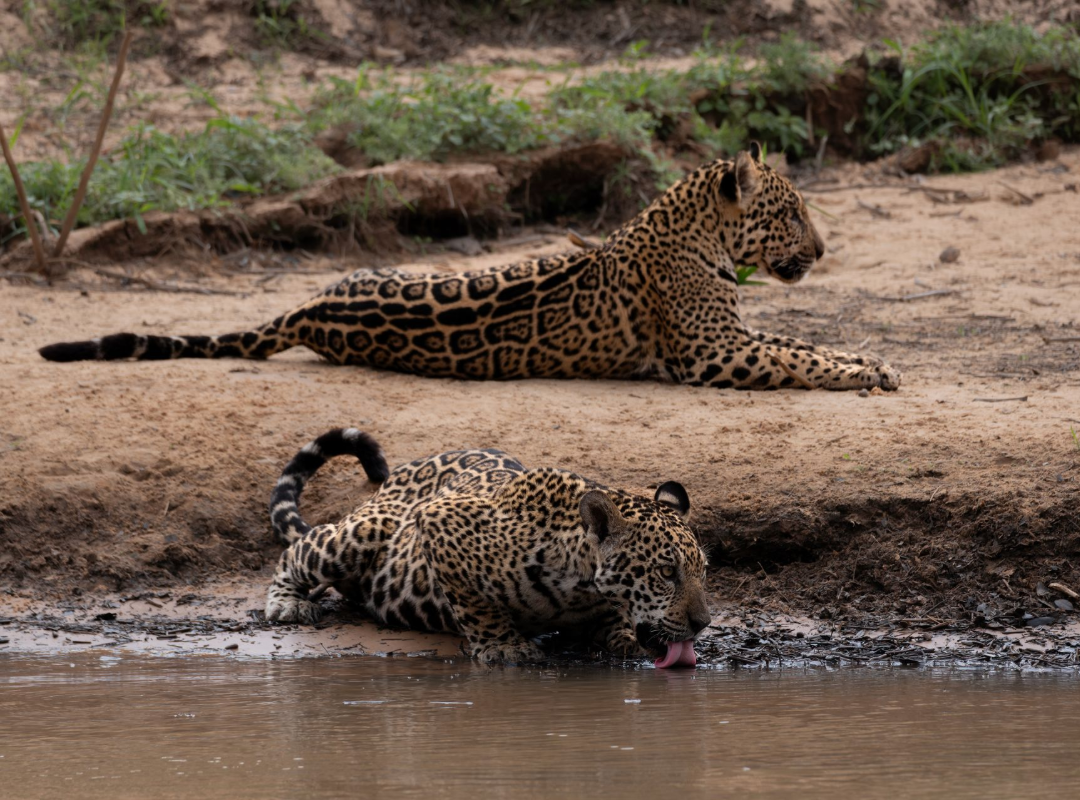
Jaguars of Pantanal
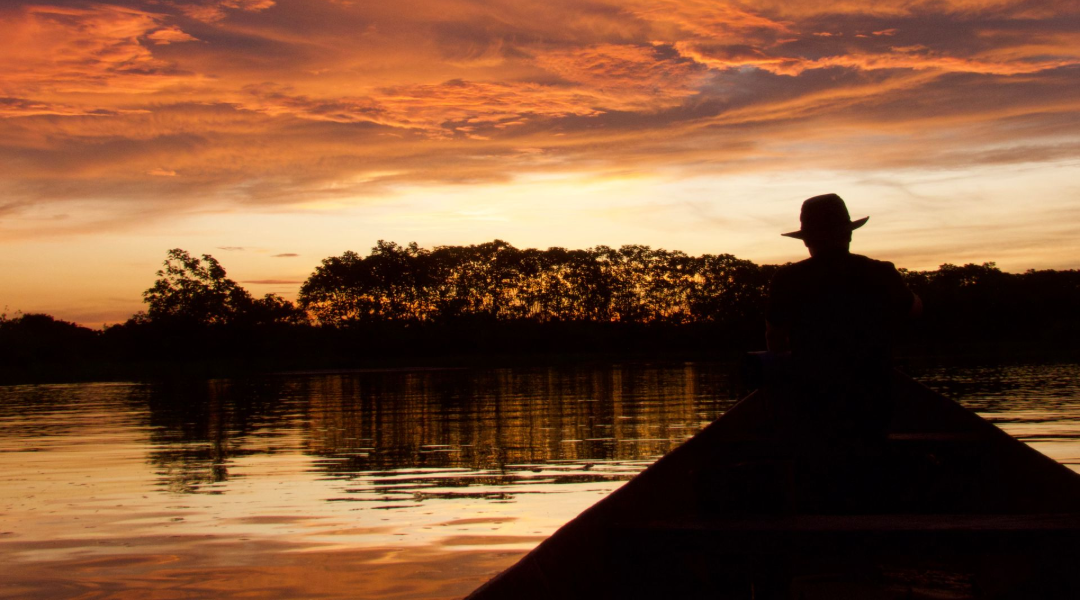
Amazon's Guiana Frontier - Mitu.
Emblematic Birds Photo Tour