
How to Plan Ethical Wildlife Encounters
Our bird photography tour in Colombia from Medellín to Cali was outstanding from start to finish.
by David Casas
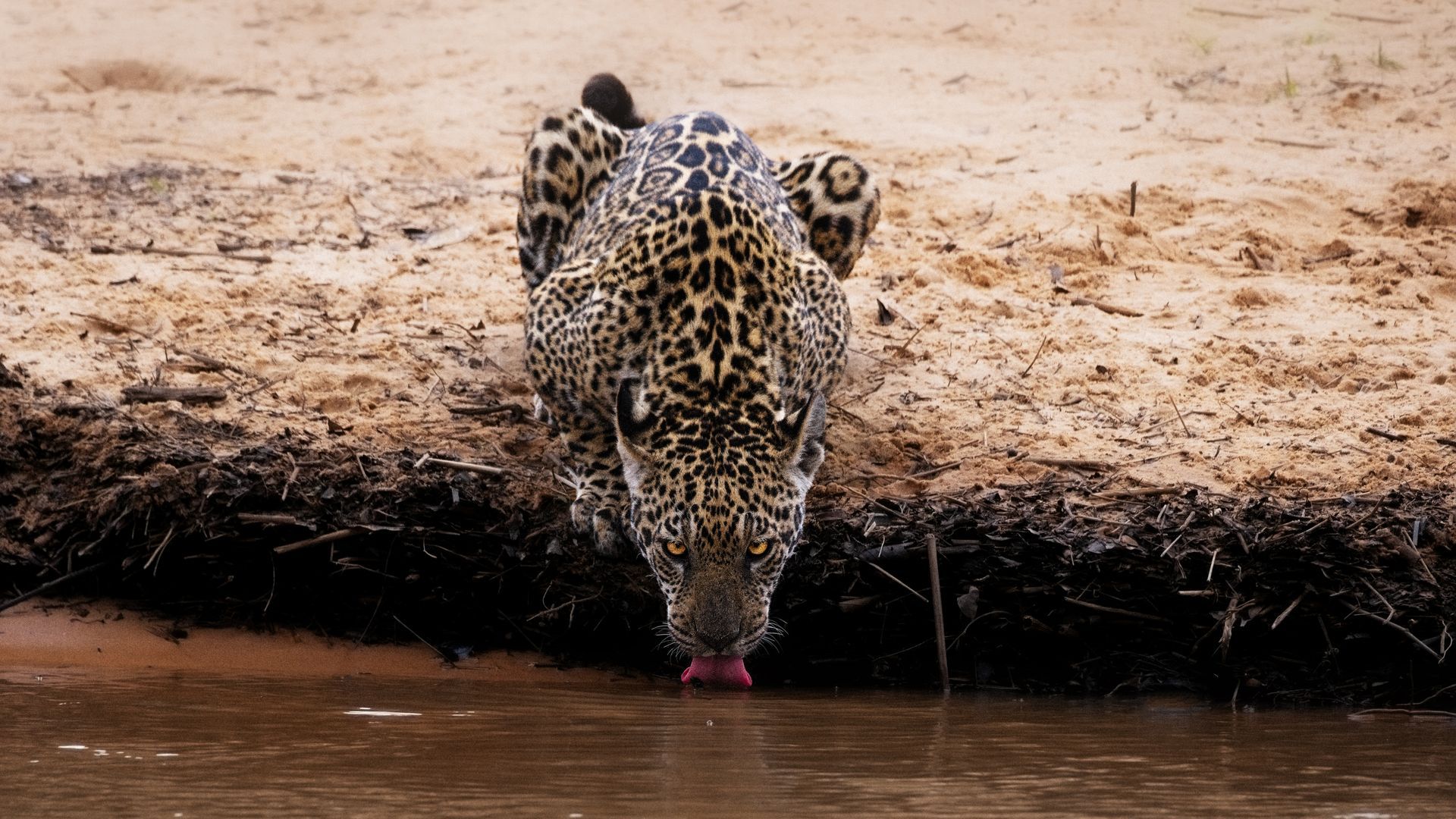
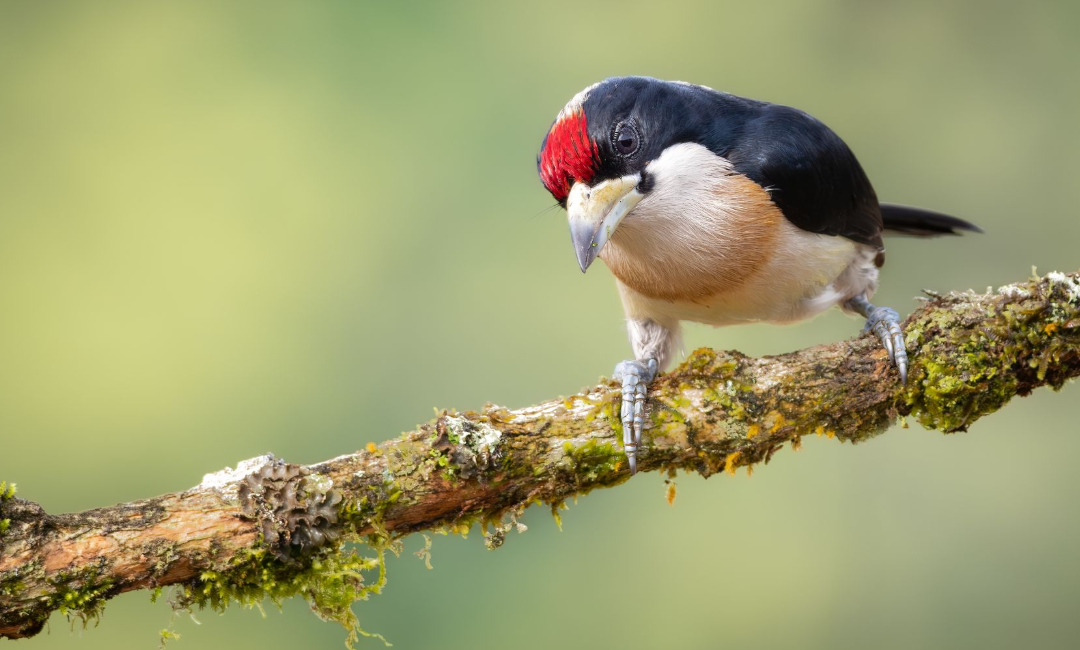
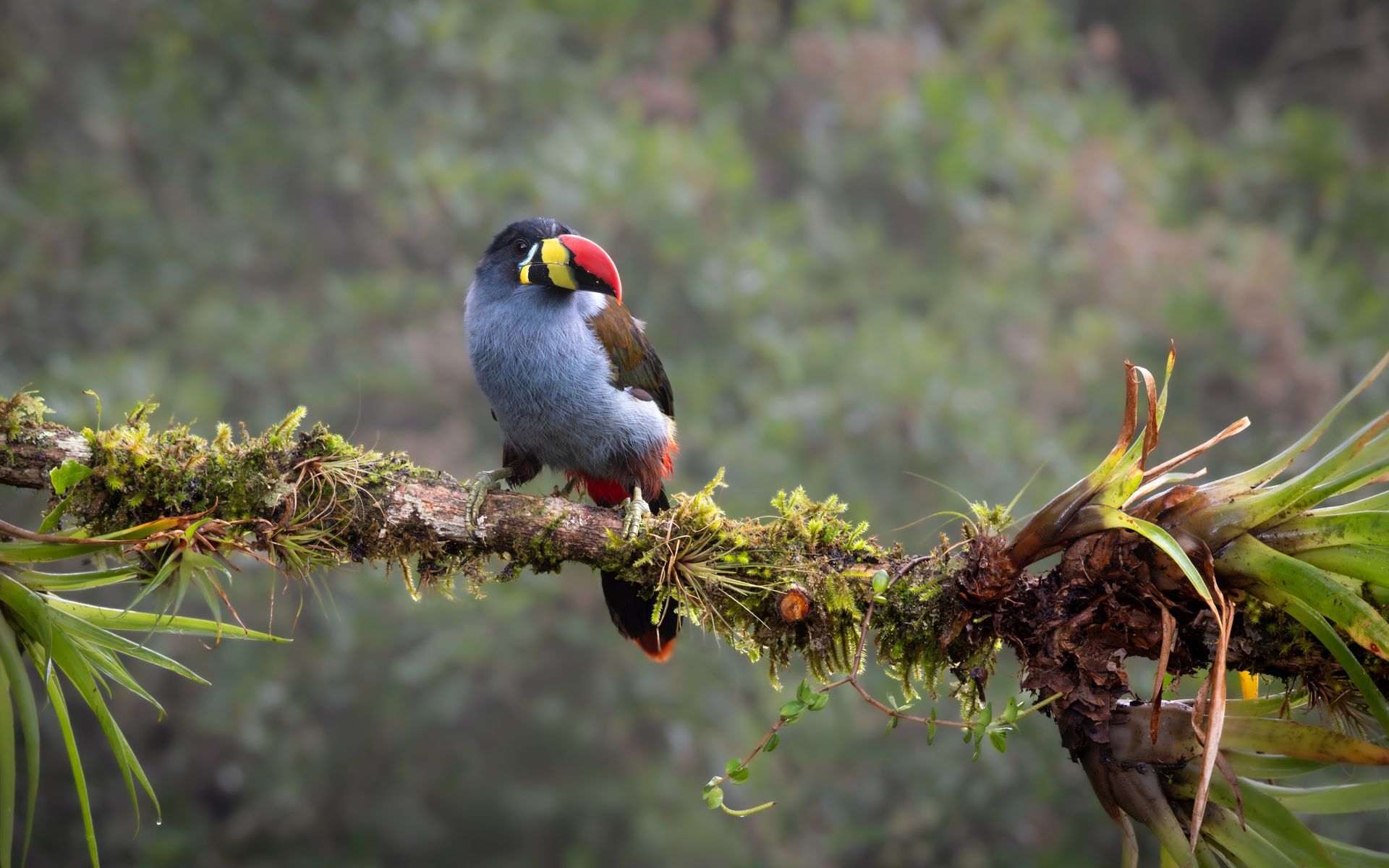
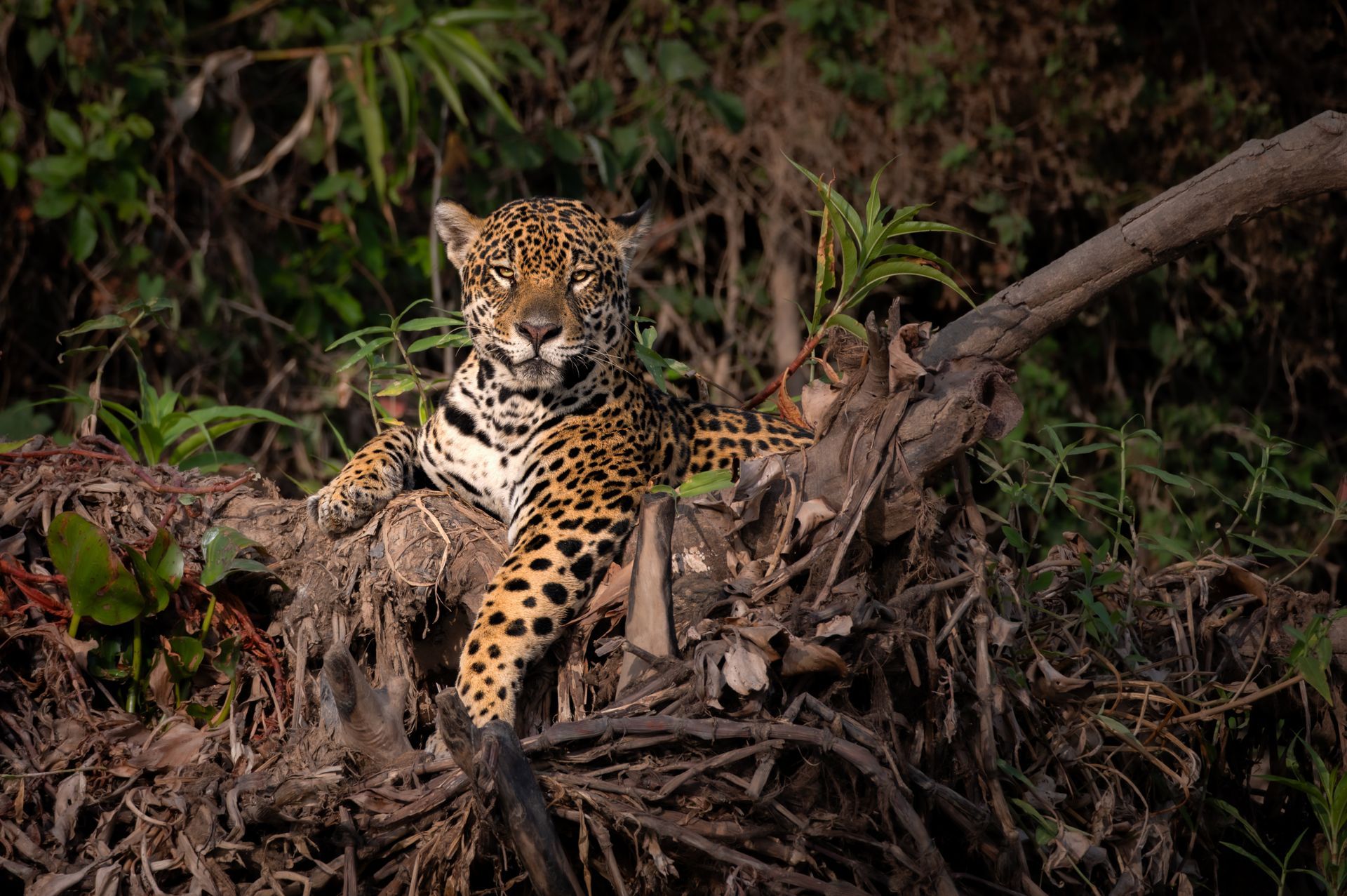
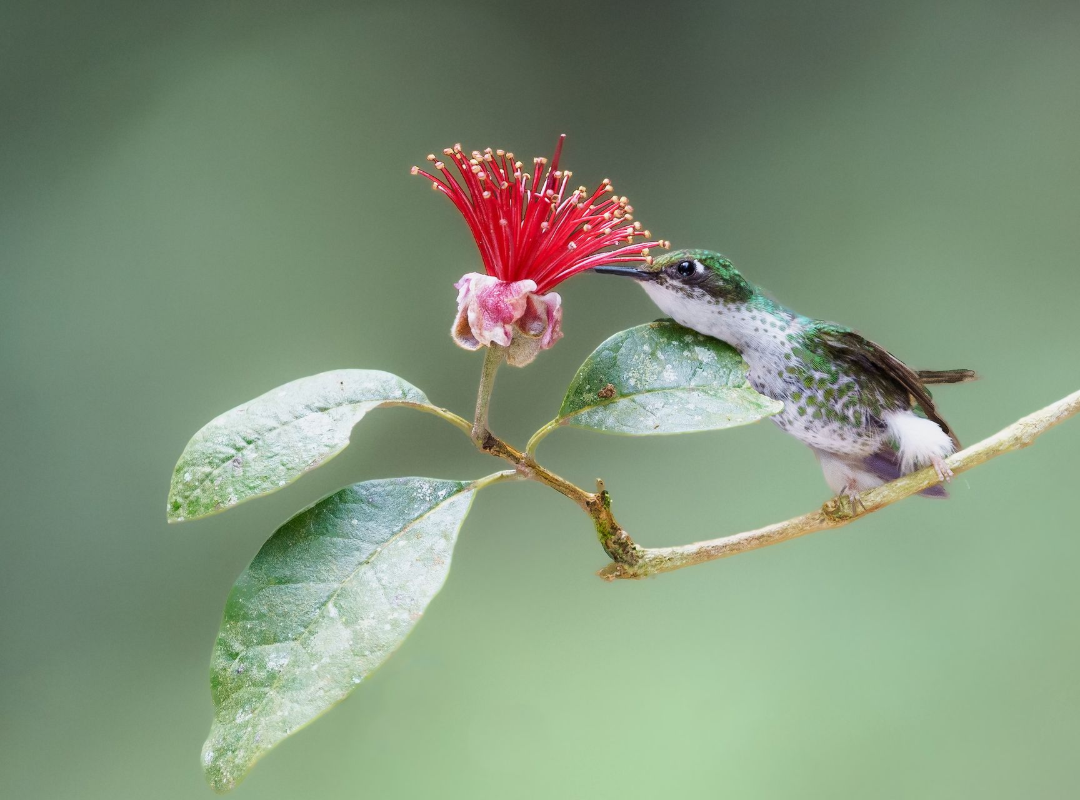
A jaguar stepping silently through Pantanal grassland, a male Andean Cock-of-the-rock calling from a mossy lek, or a hummingbird hovering beside an orchid can become the frame you remember for years. But the best images begin before the shutter clicks. To plan ethical wildlife encounters is to decide that an animal’s welfare, a habitat’s future, and a local community’s dignity matter as much as the photograph.
For serious photographers, this is not a limitation on opportunity. It is the route to better opportunity. Wildlife that is calm, behaving naturally, and approached by skilled guides produces images with genuine story and a stronger sense of place.
Start with the animal, not the shot list
Every species has a different tolerance for people, vehicles, sound, and prolonged attention. A roadside raptor may remain relaxed at a respectful distance, while a forest understory bird can disappear after one rushed approach. A nesting bird, a denning mammal, or a mother with young deserves an even wider margin.
Build your itinerary around natural behavior rather than guaranteed proximity. Ask when a species feeds, displays, moves between habitats, or is most reliably active. In Colombia’s Andes, that may mean pre-dawn starts for antpittas or patient mornings at hummingbird-rich forest edges. In the Pantanal, it can mean long, quiet hours on the water, allowing jaguars and giant otters to set the pace.
The trade-off is real: ethical field practice can mean fewer close frames on a given morning. Yet it often creates more rewarding photographs - a bird calling, foraging, preening, interacting, or moving through its real habitat instead of staring tensely toward a lens.
Know when to step back
Distance is not a single number. It changes with terrain, wind direction, group size, and the individual animal. Watch for warning signs: repeated alarm calls, frozen posture, sudden silence, tail flicking, pacing, altered feeding, or an animal moving away and then repeatedly looking back.
If your presence changes the behavior you came to observe, increase the distance, reduce the time spent there, or leave. A long lens, careful cropping, and thoughtful composition are better tools than pushing closer. No photograph is worth draining an animal’s energy or interrupting a critical moment.
Choose operators with local conservation relationships
Ethical travel is not only about what happens at the sighting. It is also about where your travel dollars go before and after the encounter. The strongest wildlife experiences are often possible because rural, Indigenous, and Afro-descendant communities have chosen to protect forest, wetlands, and private land while welcoming visitors on fair terms.
When comparing an expedition or private itinerary, ask direct questions. Who owns or manages the land? Are local guides, boat drivers, cooks, and lodges paid fairly? Does the operator employ people from the region and respect community rules? Are access fees helping maintain habitat, monitor species, or create an alternative to extractive land use?
A good answer should be specific. “We support conservation” is a broad claim. A meaningful answer explains how tourism creates local jobs, funds reserve access, supports community-run accommodations, or gives landowners a practical reason to keep native forest standing.
Retorno Photo Tours works through local knowledge and long-term relationships because access is never merely logistical. It is built on trust. That trust can lead photographers to extraordinary landscapes while ensuring the people who live closest to them remain partners, not an afterthought.
Be cautious with baiting, playback, and artificial setups
Some wildlife photography situations are clear-cut. Harassing a nesting bird or handling an animal for a picture is unacceptable. Other practices require more context.
Playback can be useful in scientific surveys and, in limited cases, may help locate a difficult bird with minimal disturbance when used by an experienced local guide. But repeated playback can pull birds away from feeding, defending territory, or caring for young. For sensitive species, at leks, and during breeding season, the responsible choice is often no playback at all.
Feeding stations are similarly complex. Well-managed hummingbird feeders at established reserves can support predictable observation, bring revenue to habitat protection, and concentrate activity in a location designed for visitors. They should be clean, responsibly maintained, and never replace the protection of natural feeding habitat. Feeding large mammals or predators to create a sighting is far more concerning, especially when it changes movement patterns, increases human-wildlife conflict, or teaches animals to associate people with food.
Artificial perches, captive animals, heavy manipulation of plants, and excessive use of recorded calls should all prompt questions. Ask how a setup is managed and whether the species is using it voluntarily. If the answer feels vague, choose the natural encounter.
Build a small, patient photographic plan
A crowded group can turn even a promising observation into pressure on wildlife. Small groups are easier to position quietly, easier to manage around a sensitive subject, and more likely to give every photographer a clean angle without people edging forward.
Plan for enough time in productive habitats. A rushed checklist itinerary encourages poor decisions: approaching too closely, staying too long at a nest, or asking guides to force an encounter. A focused expedition with repeat mornings in the same elevational zone gives you room for weather, changing light, and animal behavior.
Your equipment choices matter as well. A 400mm, 500mm, or 600mm lens, paired with a teleconverter when conditions allow, gives wildlife more space. Use a beanbag or tripod from a vehicle or boat when practical, keep your movements deliberate, and silence camera sounds. For remote trails, prioritize a carry system that lets you move safely without crushing vegetation or blocking a narrow path for others.
Photograph behavior, not just rarity
A rare species is exciting, especially in a country with exceptional endemics and regional specialties. But a portfolio-quality image does not need to be a tight headshot of every target. Look for habitat, weather, color, behavior, and relationships.
A Spectacled Bear small in a broad páramo landscape can say more about its survival than a close crop. A Harpy Eagle photographed from an approved observation point, with forest layers around it, has context that matters. A quiet image of a guide and community ranger watching a distant bird can also tell the conservation story behind the trip.
Prepare for field conditions so ethics remain practical
Ethical decisions become harder when you are cold, exhausted, underprepared, or worried about reaching the next lodge before dark. Thoughtful logistics protect both people and wildlife.
Bring rain protection that lets you keep working without rushing, sturdy footwear suited to wet trails, insect protection appropriate for the destination, water, snacks, and dry bags for cameras. Learn the daily transport plan, realistic walking distances, elevation, boat safety procedures, and weather patterns. In mountain forests, a short distance on a map can mean a steep, muddy trail. In lowland rainforest, heat and humidity can slow every step.
Follow your guide’s instructions around trails, boats, private reserves, and community territories. Do not wander off to improve an angle. The risk may be ecological, such as trampling sensitive plants, but it can also be a safety concern in unfamiliar terrain. A professional guide is balancing access, weather, animal behavior, landowner agreements, and the needs of the whole group.
Measure success by what remains undisturbed
Before booking, make your own non-negotiables clear. You may decide not to photograph nests, not to participate in predator baiting, or not to use playback. Tell your operator and guide. The right team will welcome those standards and help you find productive alternatives.
Then stay flexible in the field. The jaguar may remain hidden. The rare tanager may call once from deep cover and never offer a clear view. Wildlife photography has always required humility, and that uncertainty is part of what keeps the experience real.
The encounter you miss can still be a success if the animal continues feeding, raising young, defending its territory, or moving freely through protected habitat. Carry that standard with you, and your photographs will hold more than beauty. They will carry evidence that wonder was met with respect.