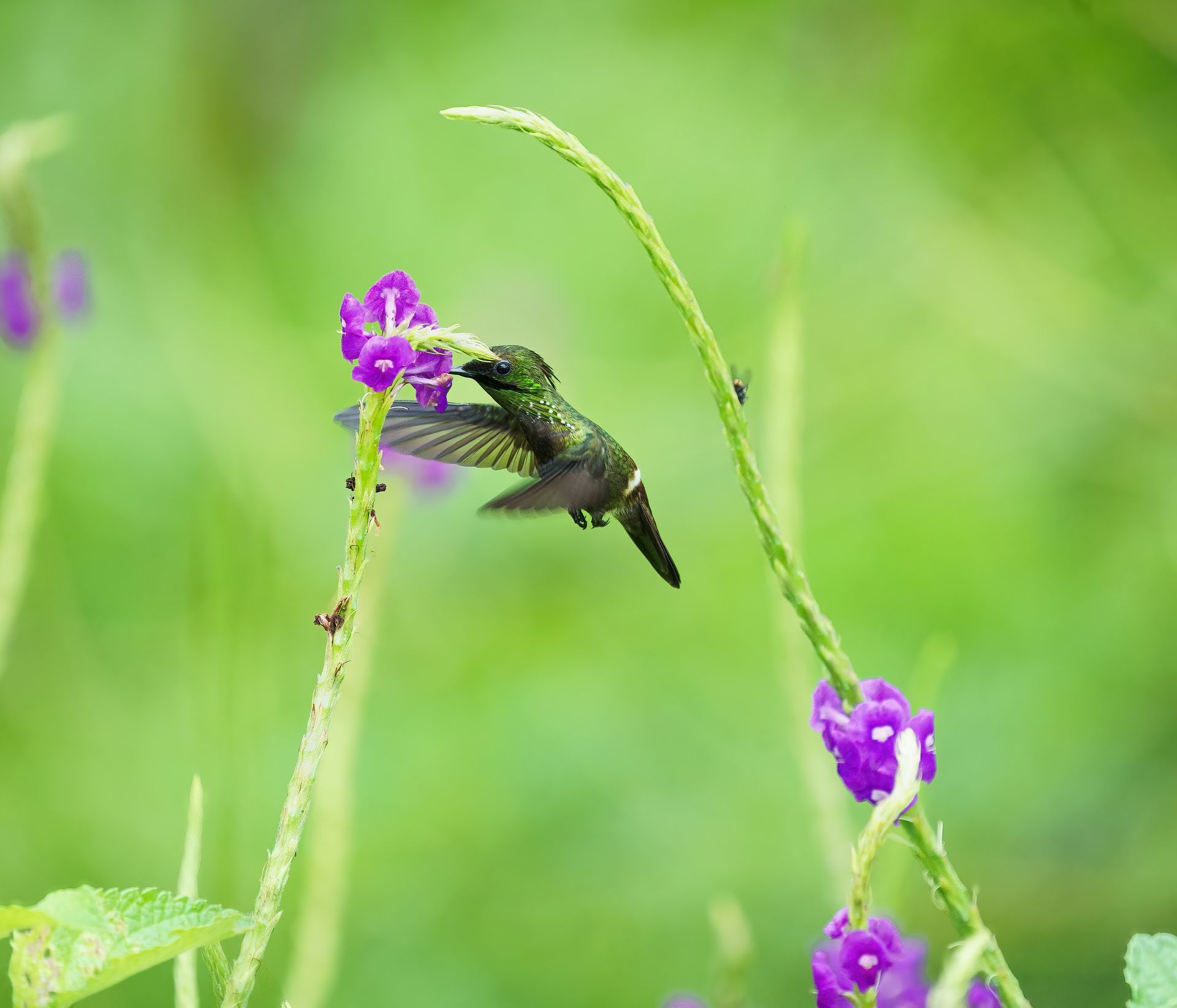

Bird Photography That Starts Before Dawn
The most beautiful birdsong occurs before sunrise.
The best bird photography often begins while the forest is still dark. A guide listens for a distant antbird, a thermos is passed around at the trailhead, and cameras stay covered against mist until the first usable light reaches the canopy. The image may last a fraction of a second, but the opportunity is built through preparation, patience, and knowing exactly where to be.
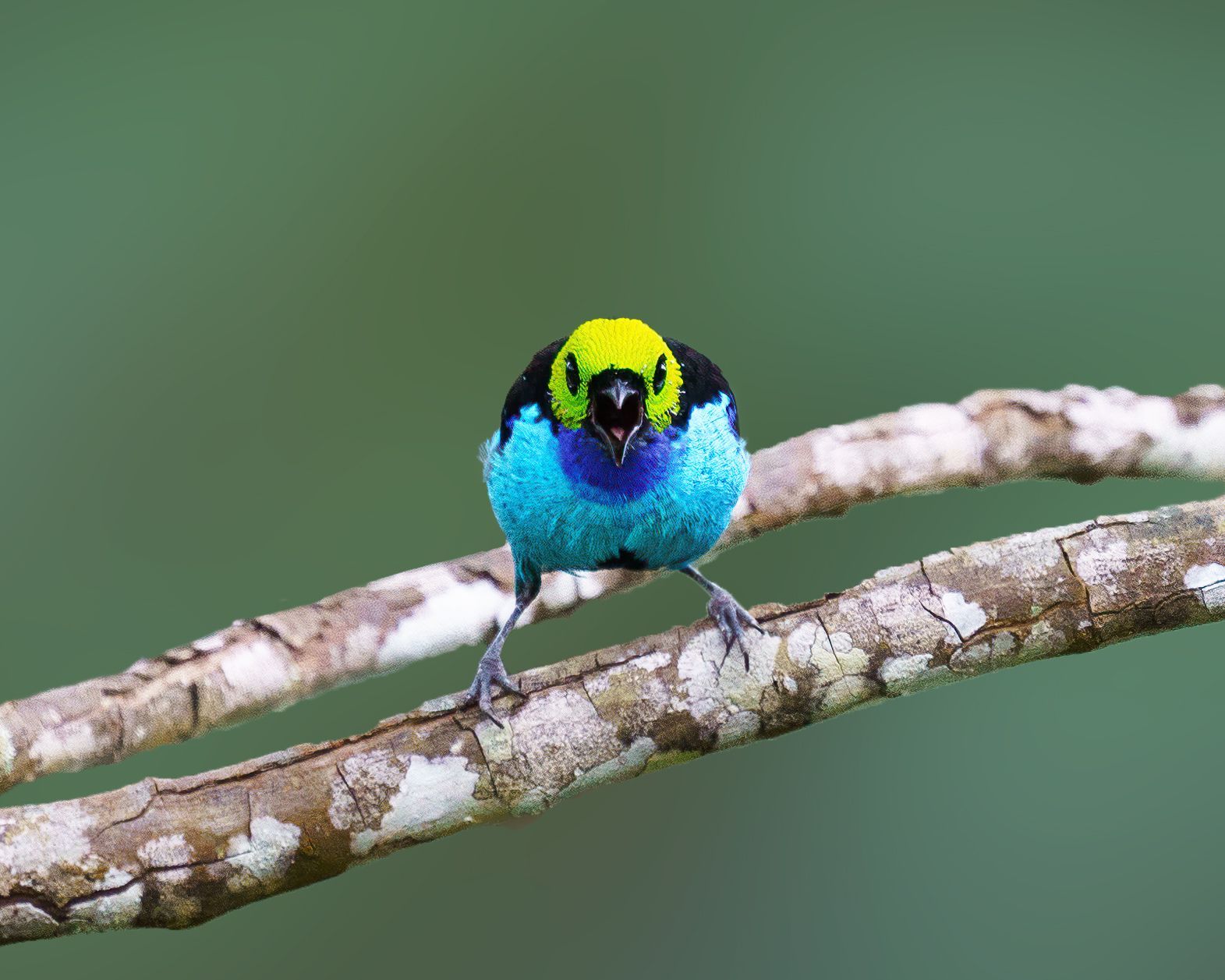
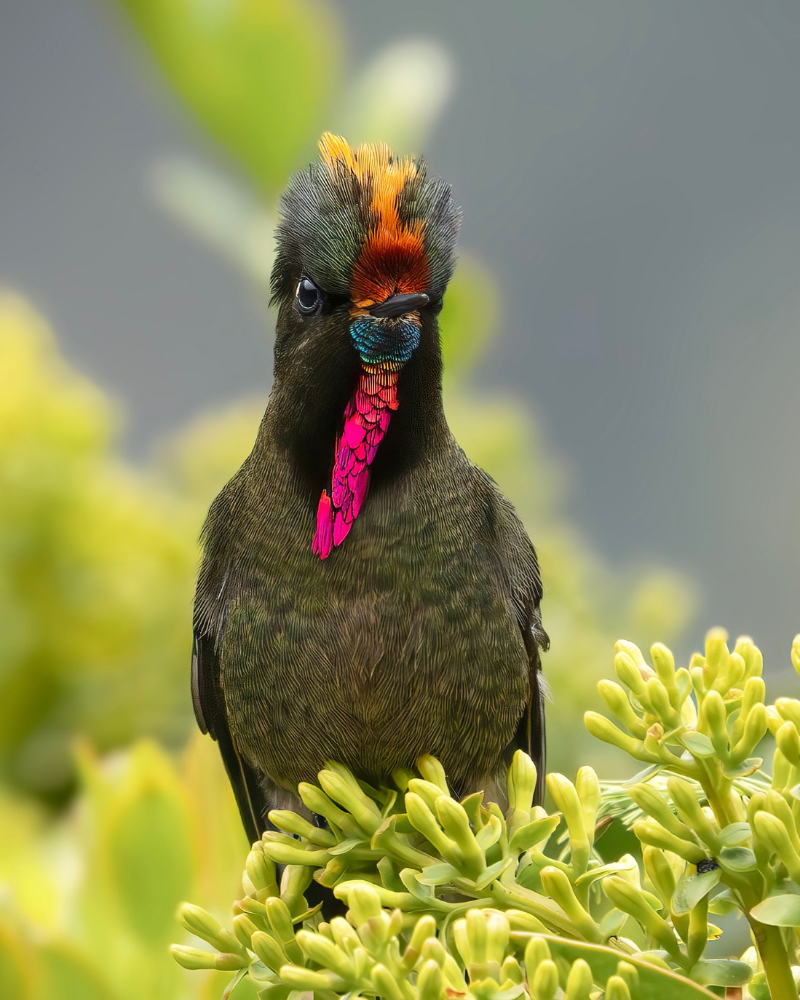
For photographers drawn to Colombia, the reward is extraordinary variety. One morning can mean glittering hummingbirds at an Andean garden, while another brings a shy Chocó endemic beneath dripping leaves or a raptor lifting above the Amazon canopy. Colombia’s bird diversity is remarkable, but quantity alone does not create portfolio-quality photographs. Field conditions, ethical access, lens choices, local knowledge, and a willingness to work with the weather all matter.
Bird Photography Is More Than a Long Lens
A [long telephoto lens](https://www.retornophototours.com/mastering bird photography with long lenses) is essential for many subjects, but it is only one part of a successful field setup. A 400mm, 500mm, or 600mm lens creates reach and subject separation, while a zoom such as a 100-400mm or 200-600mm can be more practical when birds approach closely at feeders, hides, or forest edges. The right choice depends on the habitat, your carrying capacity, and the type of images you want to make.
In open wetlands, grasslands, and river corridors, reach is often the priority. In dense cloud forest, a lighter zoom may produce more images because birds can appear suddenly at close range, often in dim light. A large prime lens can be extraordinary, but it also demands careful support, physical stamina, and enough working room on narrow trails.
Your camera body matters just as much. Fast autofocus, strong high-ISO performance, and a generous buffer are valuable when a tanager changes branches or a hummingbird darts through a patch of sun. Bring more memory cards than you think you need, spare batteries kept warm and dry, a rain cover, and a comfortable carrying system. In tropical conditions, moisture protection is not an accessory. It is part of the plan.
Read Light Before You Chase the Bird
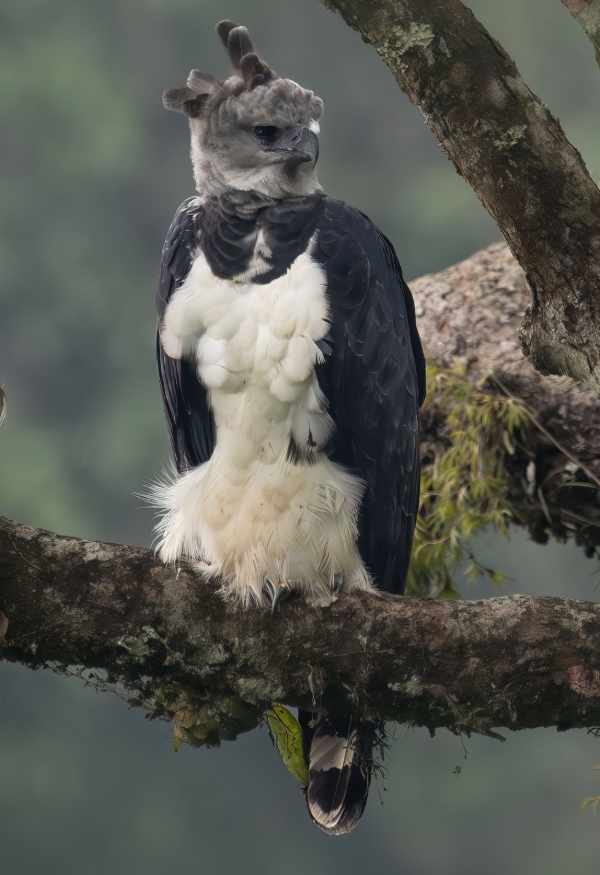
Many photographers arrive focused on species lists. Target species are useful, especially when planning an expedition around endemics, Harpy Eagles, or unusual hummingbirds. Yet the strongest images usually happen when you also read the light, background, and behavior.
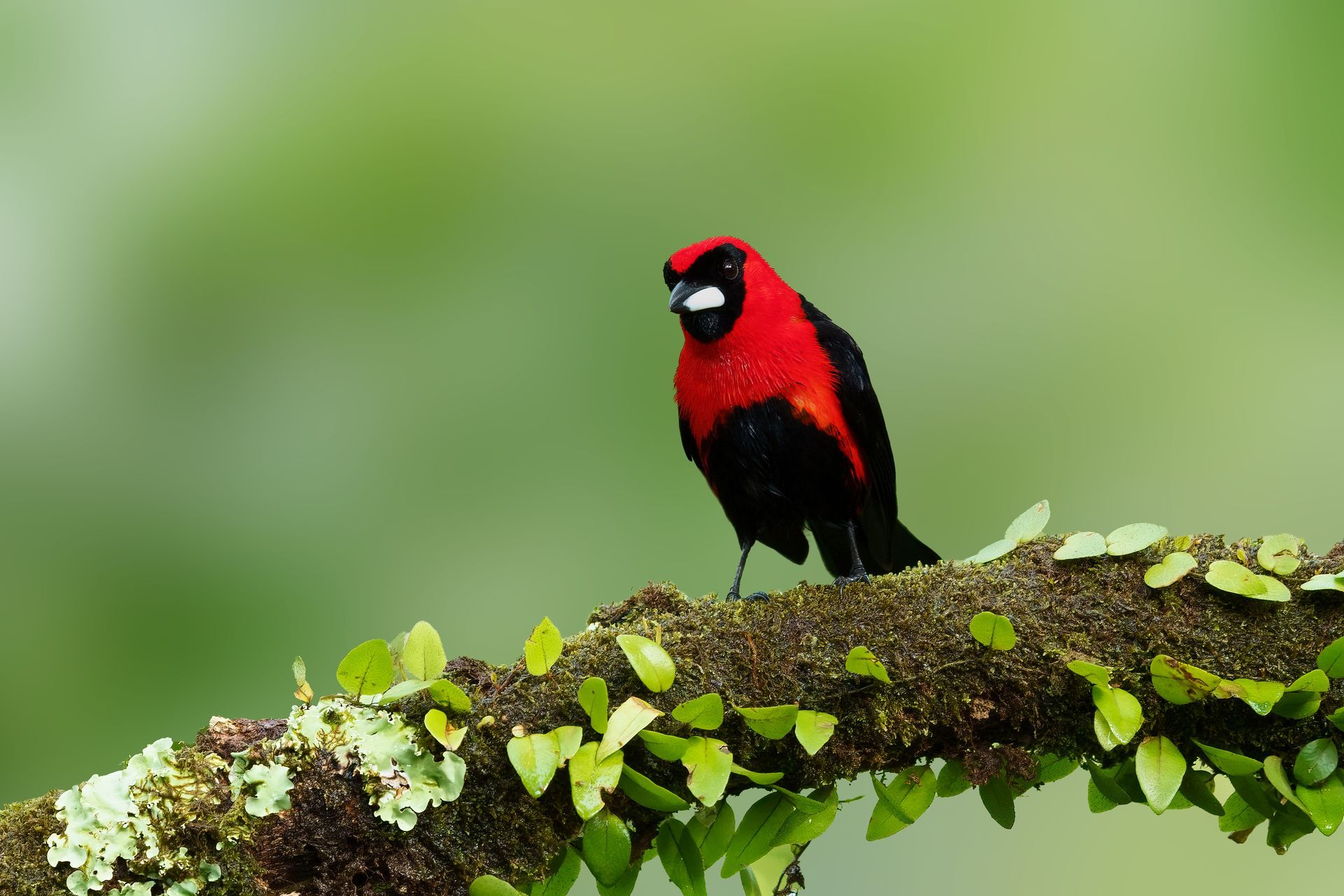
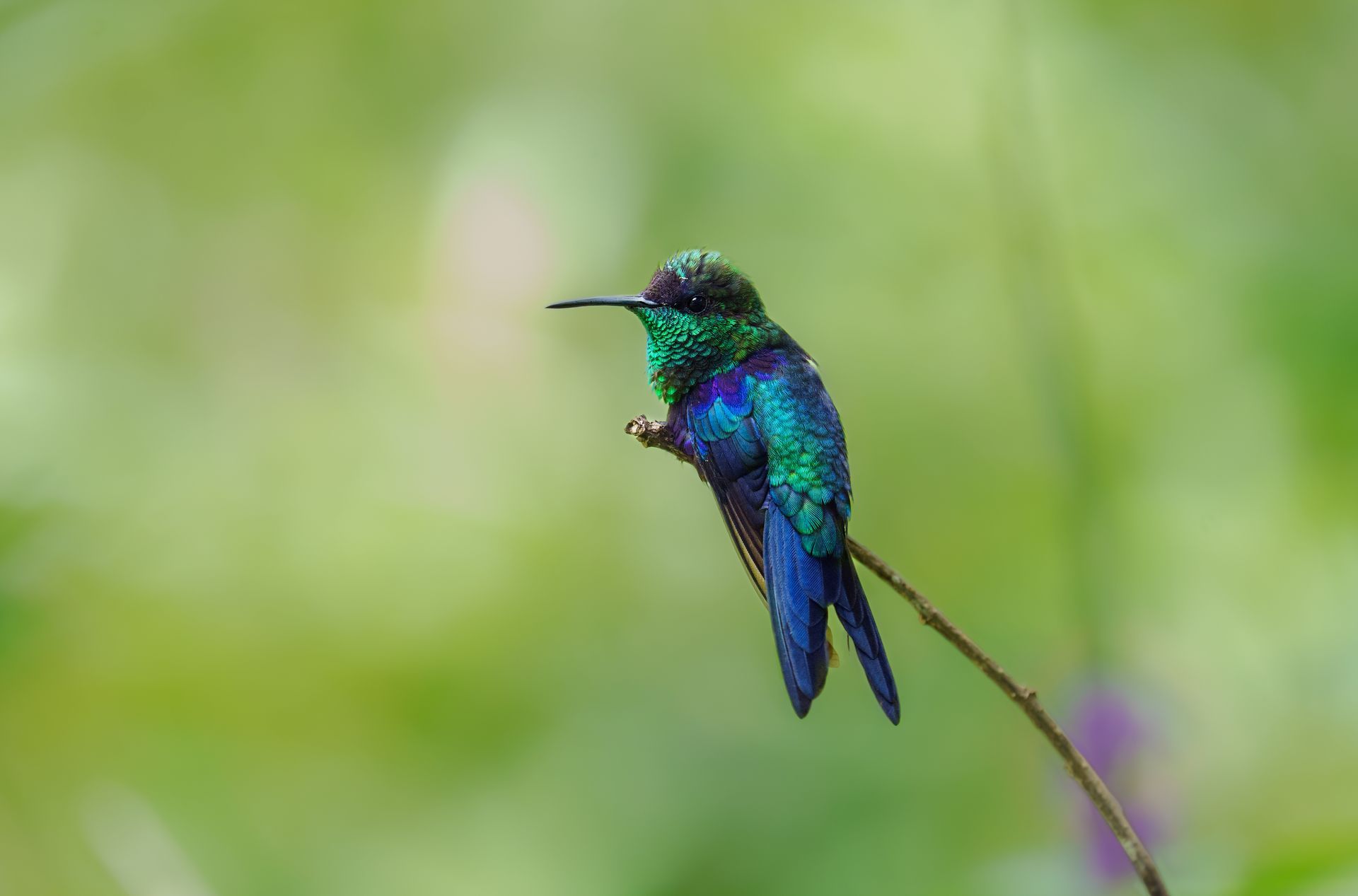
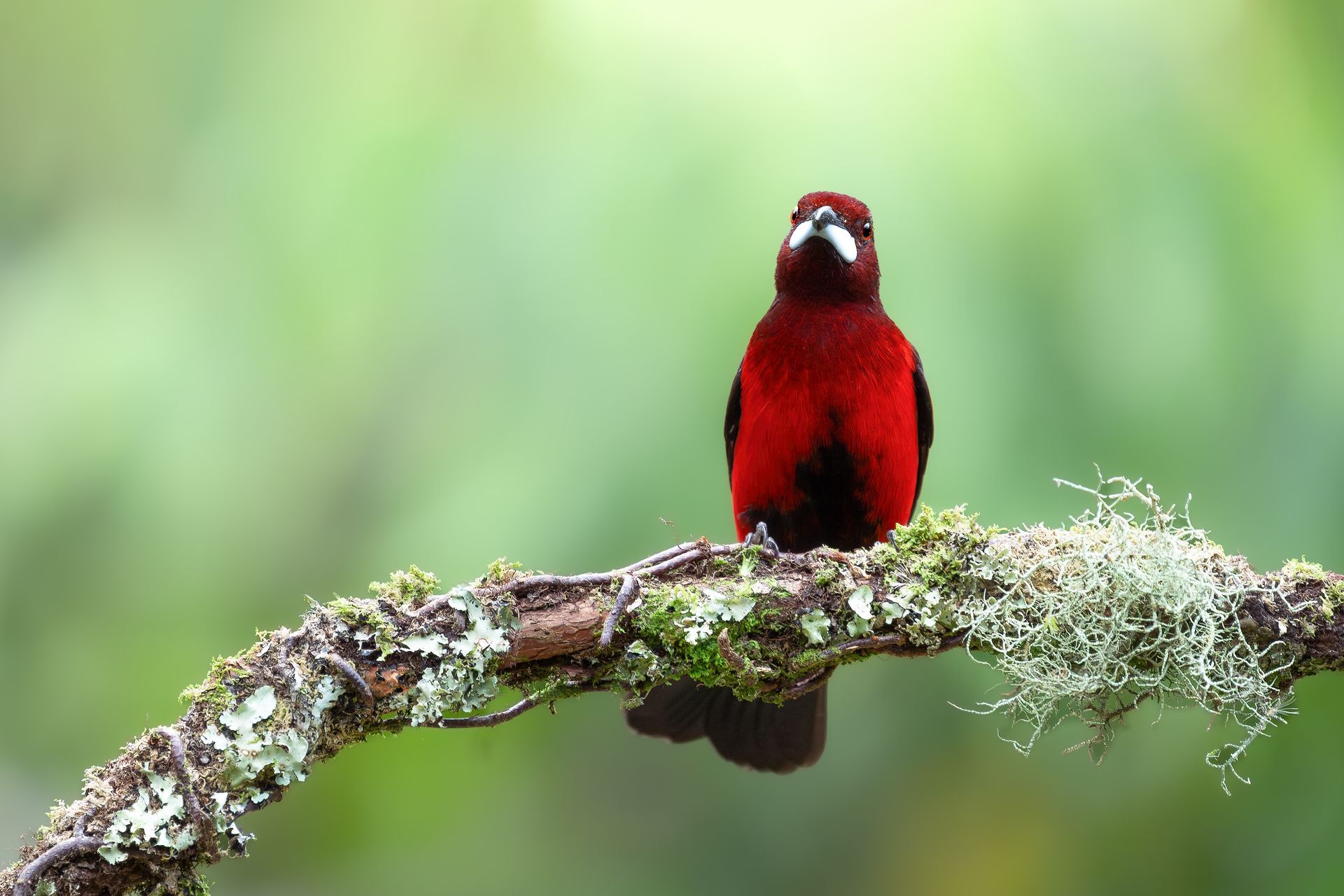
Early morning offers soft color, active birds, and a calmer atmosphere before wind and heat build. But beautiful light is not always available in mountain forests or rainforest. Overcast conditions can be ideal for photographing saturated plumage without harsh contrast, especially reds, blues, and iridescent greens. The trade-off is shutter speed. If a bird is moving, do not let a low ISO ruin an otherwise rare opportunity.
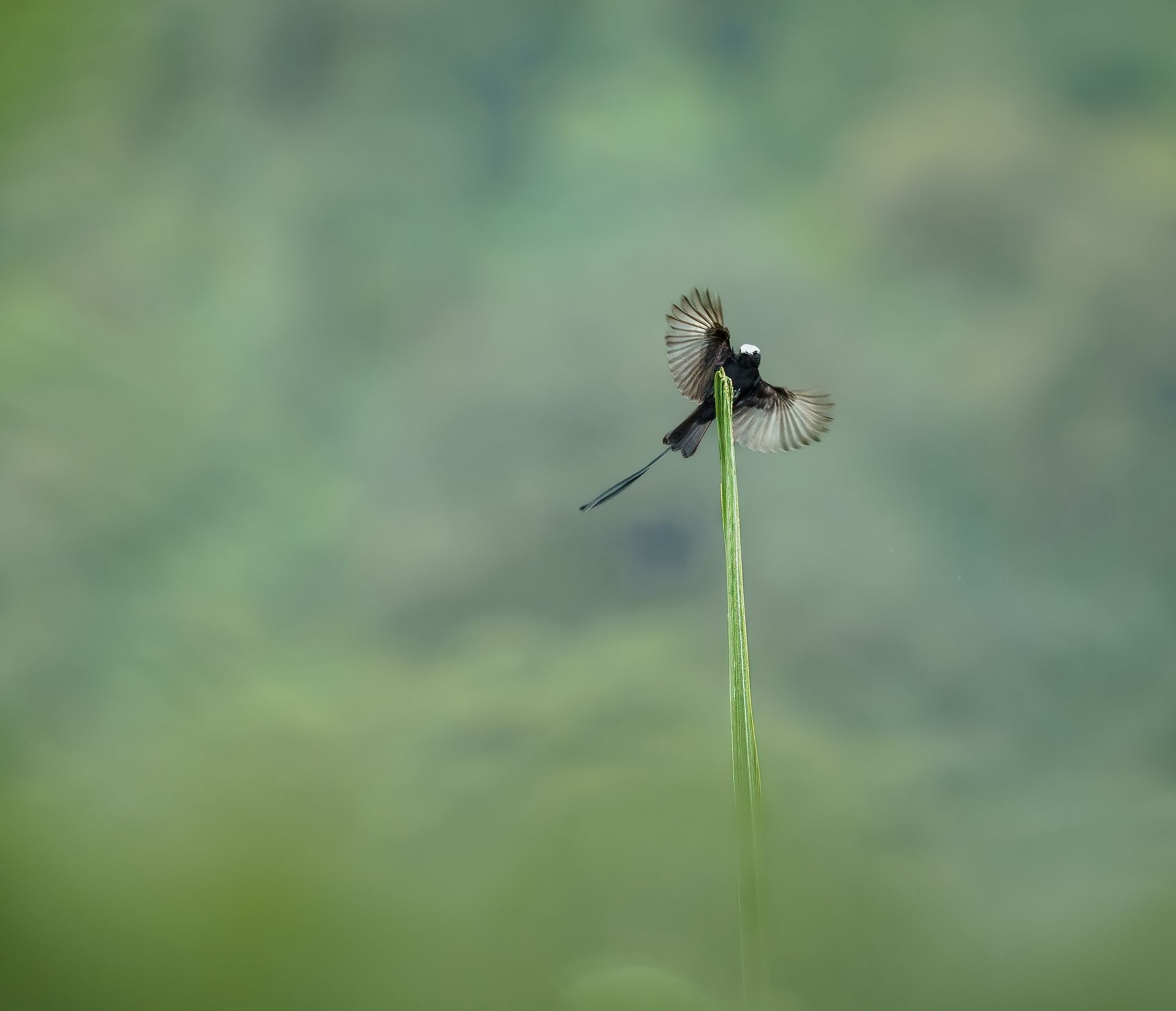
Start with a shutter speed that respects the subject. A perched toucan may allow 1/500 second if you are steady and the bird is calm. A small bird hopping through branches may need 1/1600 or faster. Hummingbirds in flight often require far higher shutter speeds, depending on whether you want wing motion or a frozen wingbeat. There is no single correct setting. The right exposure is the one that preserves detail, keeps the eye sharp, and suits the story of the moment.
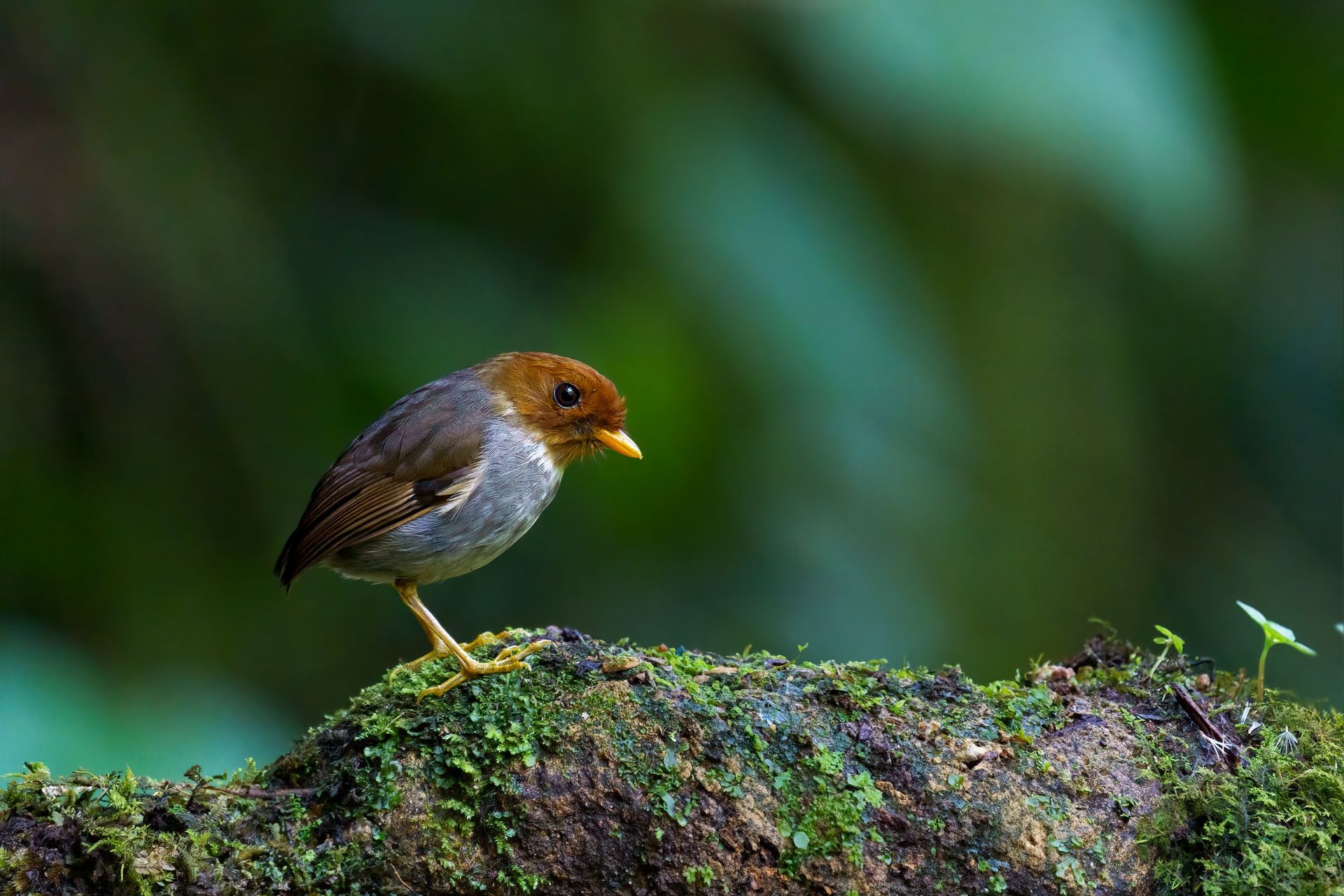
Backgrounds deserve equal attention. Move a few feet, lower your position, or wait for the bird to choose a cleaner perch. A cluttered branch can make a rare subject feel ordinary. A distant wash of green, a flowering bromeliad, or the soft shadows of a forest interior can turn the same bird into a compelling photograph.
Focus on the Eye, Then Watch the Behavior
The eye is where viewers connect with a bird. Use subject detection when it works, but do not surrender awareness to the camera. Leaves, branches, and fast movement can confuse even excellent autofocus systems. Be ready to shift the focus point, use a smaller focus area, or switch techniques when the situation demands it.
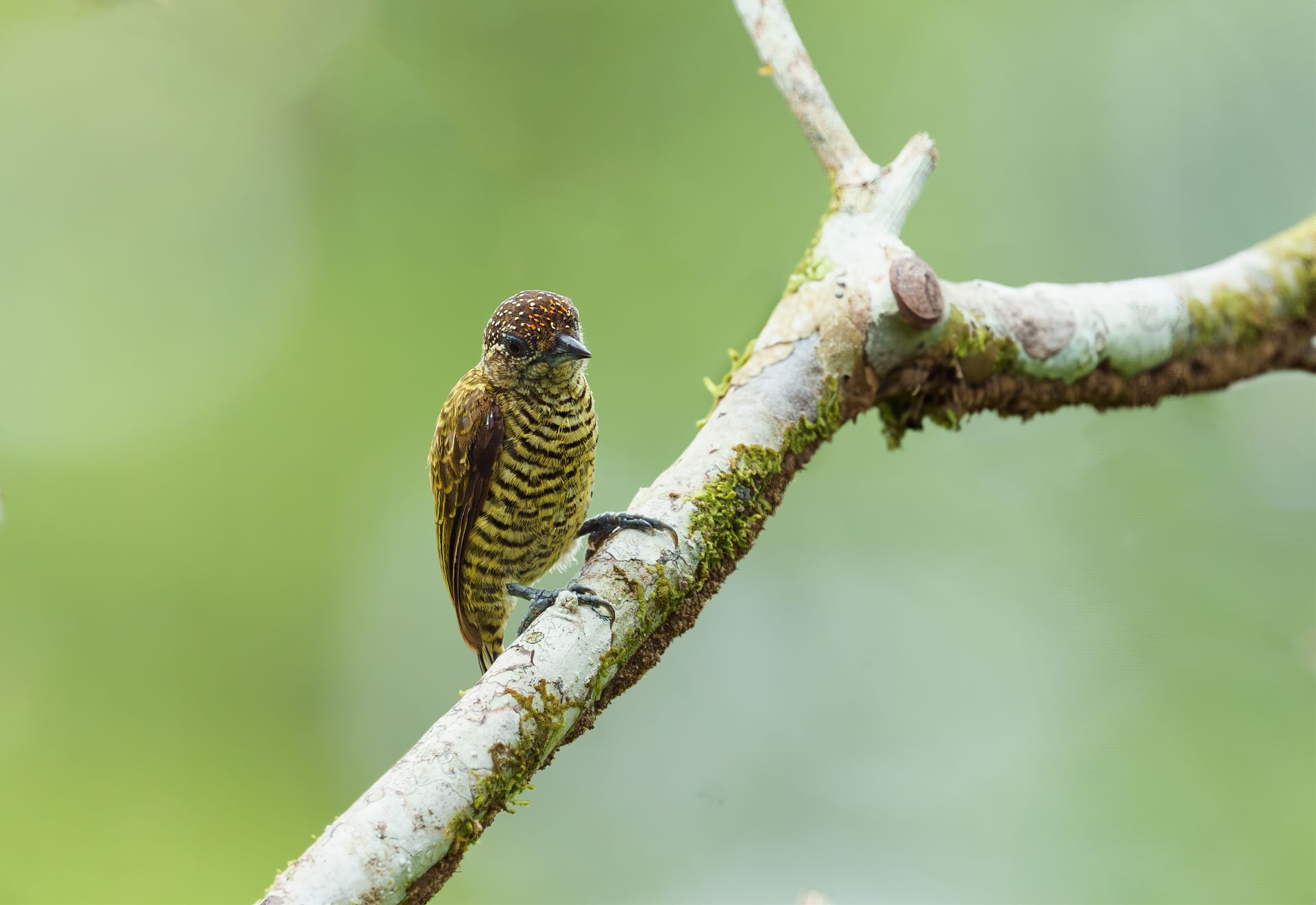
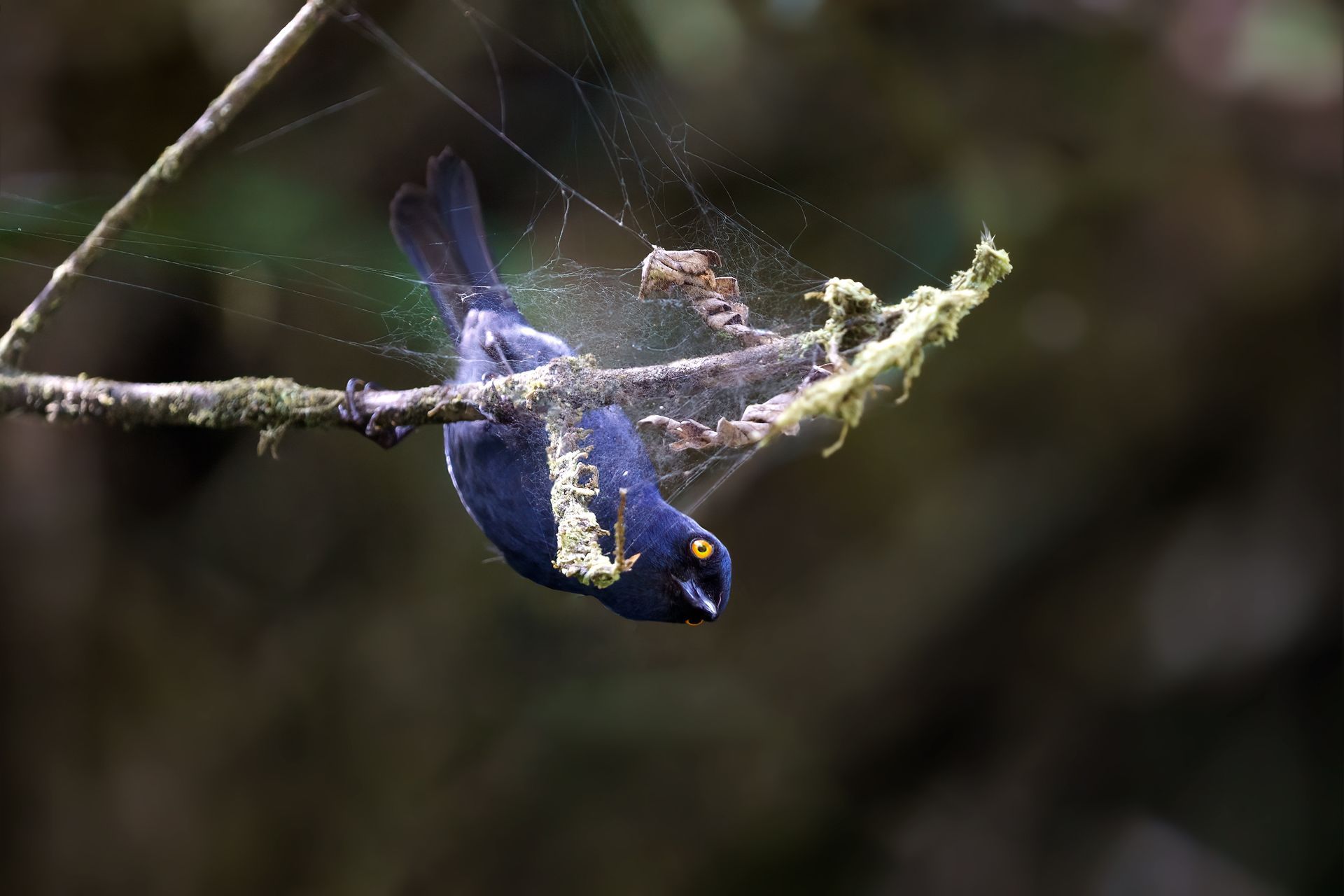
Behavior gives you the moment beyond the identification shot. Watch for a flycatcher returning to the same exposed perch, a woodpecker pausing before it climbs, or a hummingbird defending a favored flower. Learn the rhythm before pressing the shutter. Once you understand where a bird lands, where it looks, and when it feeds, you can compose in advance rather than reacting late.
This is where experienced local guides change the day. They recognize calls, understand seasonal movements, know which fruiting trees are productive, and can position a small group without pushing wildlife. That knowledge means less time searching blindly and more time working a scene with intention.
Ethical Bird Photography Protects the Experience
Rare birds are not props, and a successful image should never come at the cost of a nest, feeding site, or the bird’s normal behavior. Keep a respectful distance, especially around nesting birds, lek sites, owls, and species that are already under pressure from habitat loss. If a bird becomes agitated, repeatedly alarm-calls, stops feeding, or moves away because of your presence, step back.
Playback can be useful for research or careful guiding in limited circumstances, but it should never become a routine way to pull birds closer for photographs. Repeated calls can disrupt territory defense, courtship, feeding, and rest. The same principle applies to excessive flash, crowding a bird on a trail, or clearing vegetation for a cleaner background.
Ethics also extend to people and places. Across Colombia, birding routes often depend on rural families, Indigenous communities, Afro-descendant communities, reserve staff, and local landowners who have chosen conservation as a livelihood. Respect site rules, ask before photographing people, and understand that your visit has value beyond a checklist. Well-managed nature tourism can help make standing forest, healthy wetlands, and community-led conservation economically viable.
Plan for the Realities of the Field
Photographic travel runs more smoothly when expectations match the terrain. Colombia’s ecosystems can change dramatically in a single itinerary. A cool, wet Andean morning may be followed by a hot lowland afternoon. Trails can be muddy, roads can be slow, and weather may alter plans without warning. These are not failures of an expedition. They are part of working in biologically rich landscapes.
Pack clothing in layers, with a waterproof outer shell and quick-drying field pants. Comfortable, broken-in hiking boots are worth more than fashionable footwear when trails are steep or slick. Keep essential camera gear accessible, but distribute weight carefully. A day spent carrying an uncomfortable pack is a day spent thinking about your shoulders instead of the birds.
Build margin into your schedule. A species may not appear on command, and a productive location deserves time. The photographer who insists on rushing from one target to the next can return with many sightings but few finished images. Small-group travel and private itineraries offer a meaningful advantage here: the pace can respond to light, weather, and photographic opportunity.
For complex routes involving remote lodges, internal flights, forest tracks, and varied elevations, coordinated logistics protect field time. Retorno Photo Tours plans these details around photographic priorities, pairing specialist guiding with reliable transport, comfortable accommodations, and local access. That practical foundation allows photographers to focus on the next call from the canopy rather than the next logistical problem.
Let Place Shape Your Images
A tight portrait reveals feather detail and personality, but it is not the only image worth making. Give yourself time to photograph birds in their habitat: a cock-of-the-rock against a mossy ravine, a jabiru crossing Pantanal wetlands, or a hummingbird suspended beside an orchid-rich slope. Environmental images place the species within the landscape that sustains it.
Try changing your visual goal during the day. In low light, look for intimate portraits and quiet behavior. When the sun rises higher, experiment with backlighting, silhouettes, reflections, or wider compositions. If rain begins, protect your equipment, then look at what the weather is doing to the scene. Droplets, mist, and softened backgrounds can create images that a perfectly clear morning cannot.
The most memorable bird photographs rarely come from forcing nature to fit a plan. They come from arriving prepared, working with care, and staying alert when the forest offers something unexpected. Keep your camera ready, your expectations flexible, and your attention on the living world in front of you.
Scheduled Tours
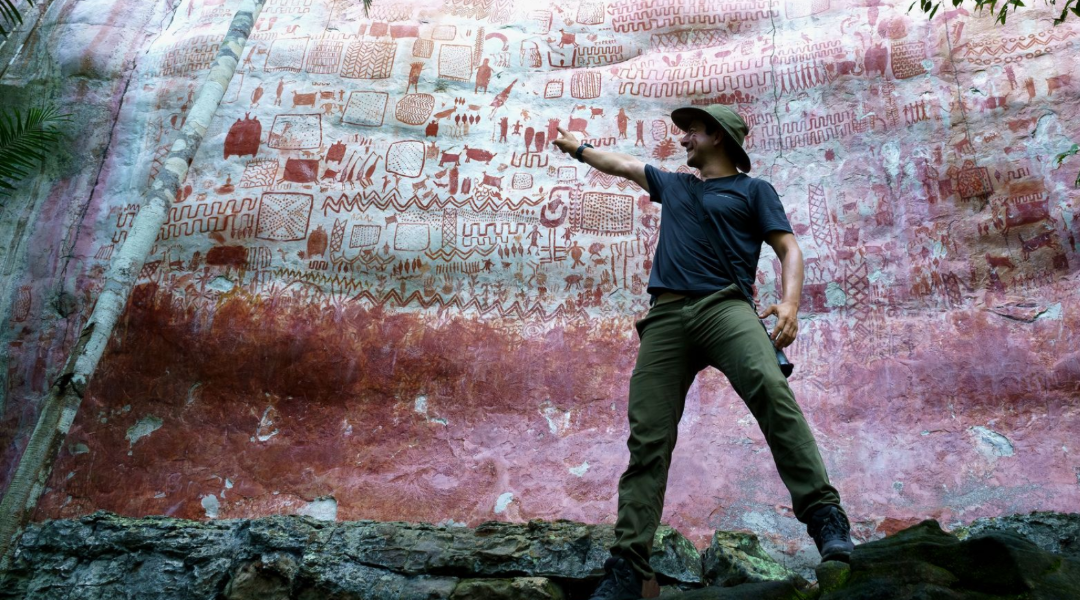
Western Amazon: Gateway to Chiribiquete.
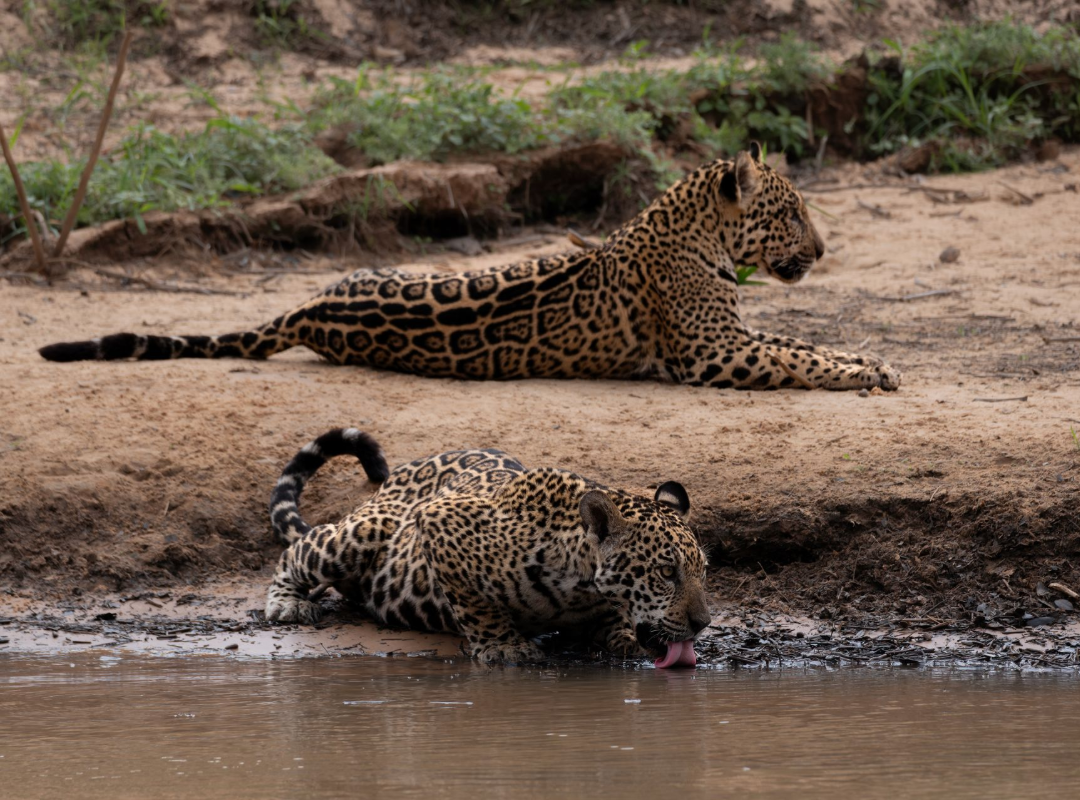
Jaguars of Pantanal
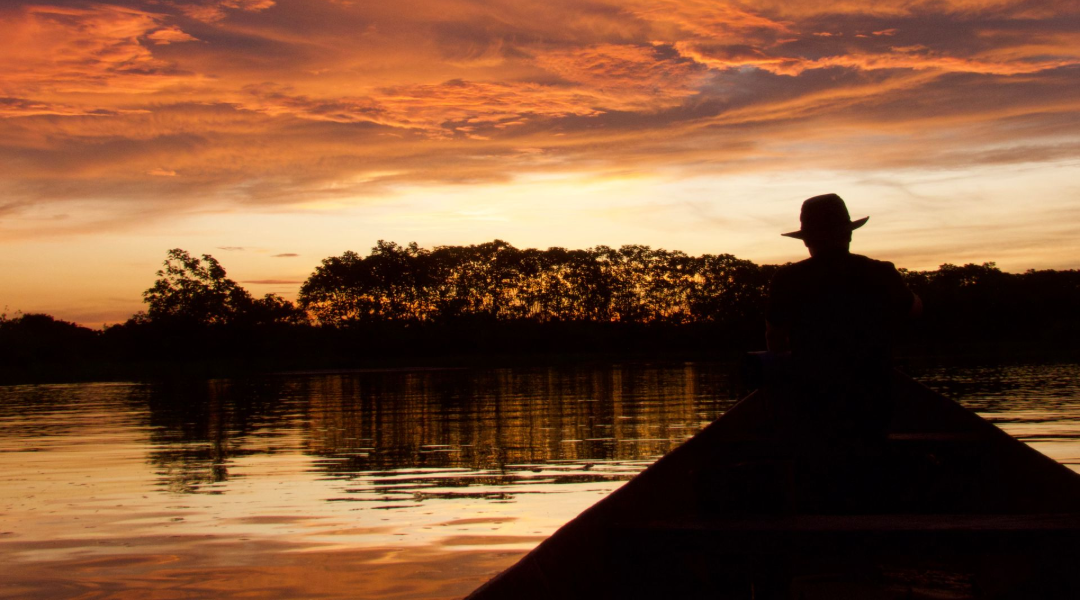
Amazon's Guiana Frontier - Mitu.
Emblematic Birds Photo Tour