
Brazil versus Colombia Wildlife Photography
Brazil vs. Colombia Wildlife Photography: Which Destination Deserves Your Next Trip?
By David Casas
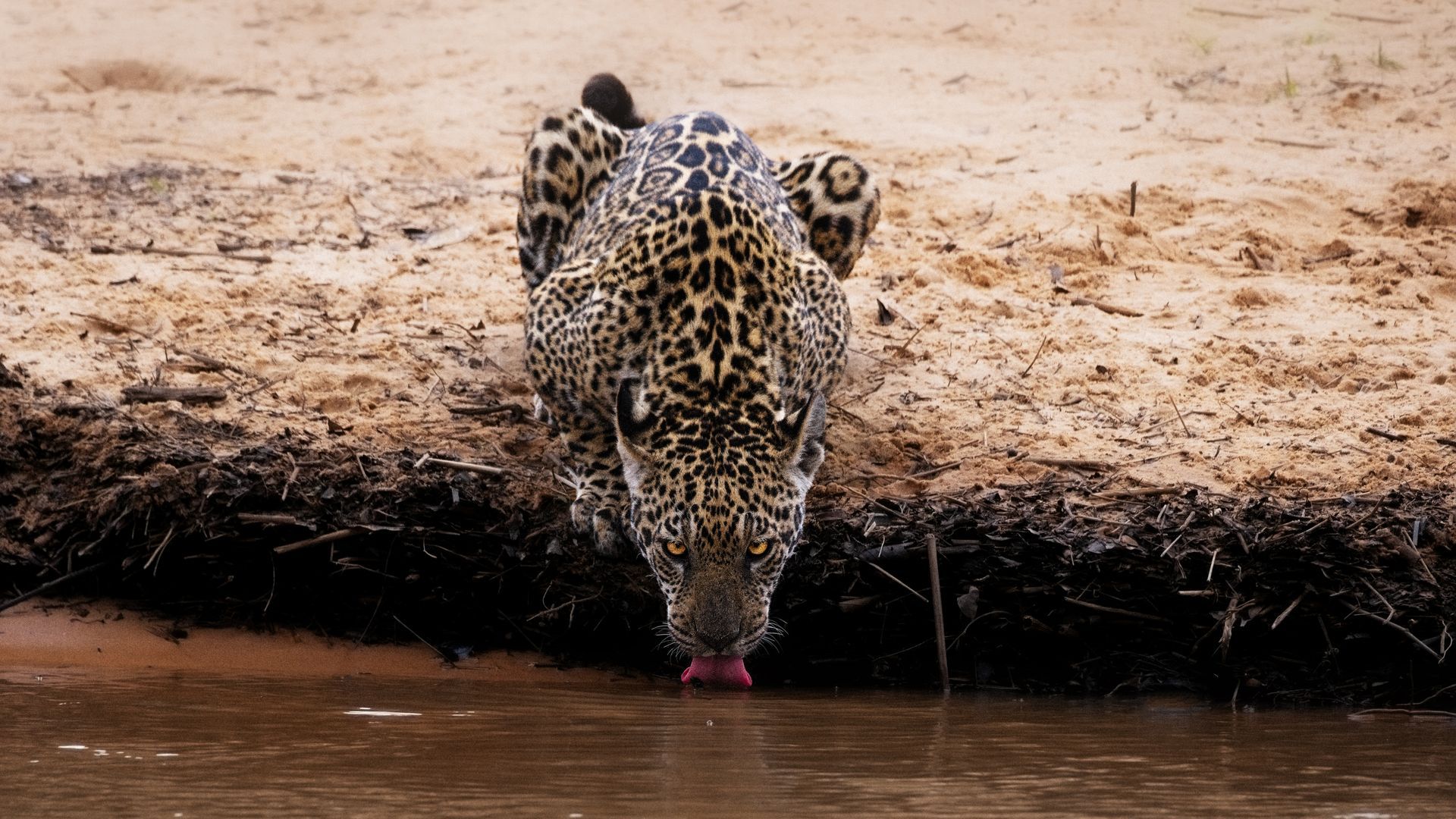
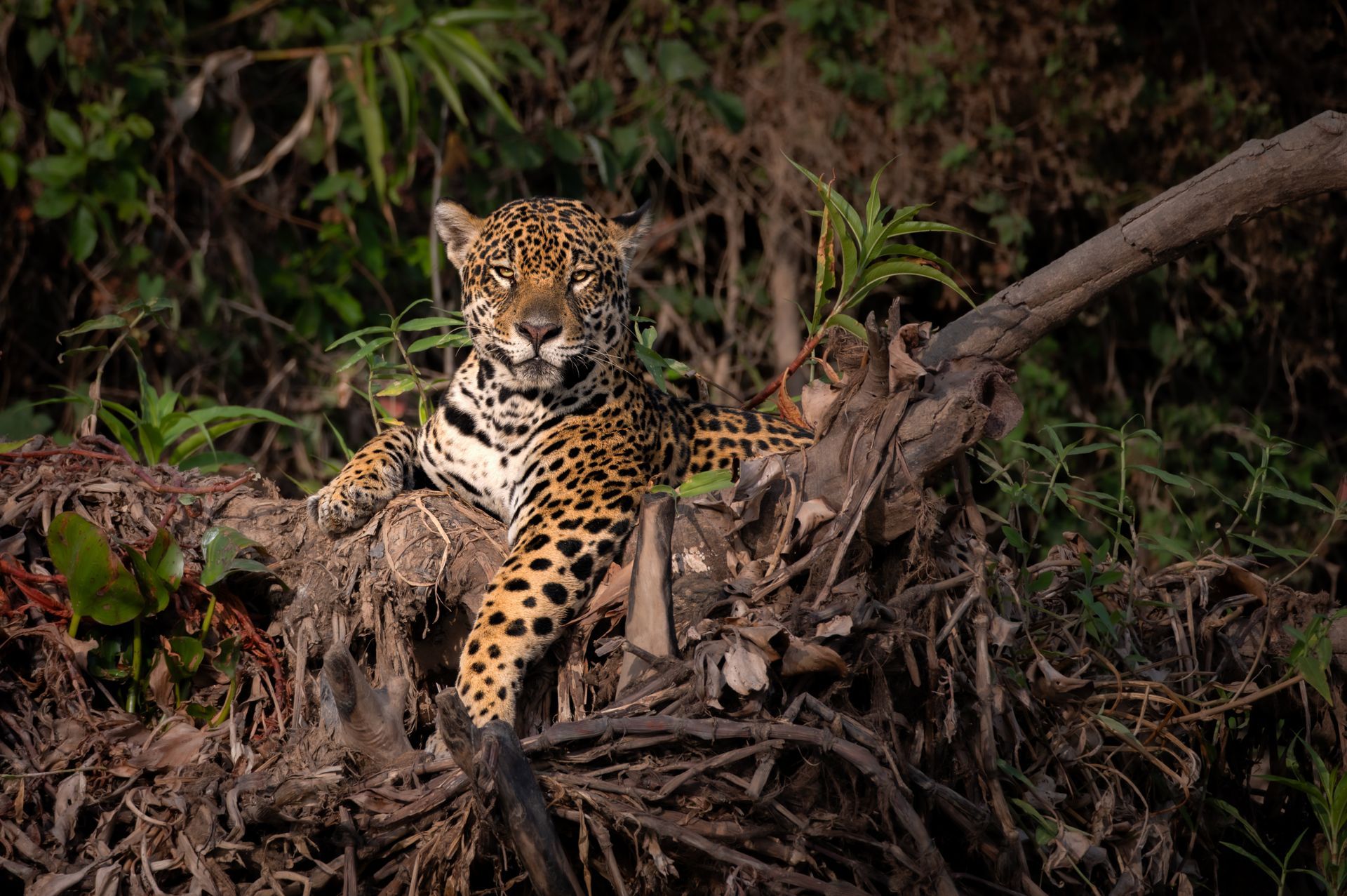
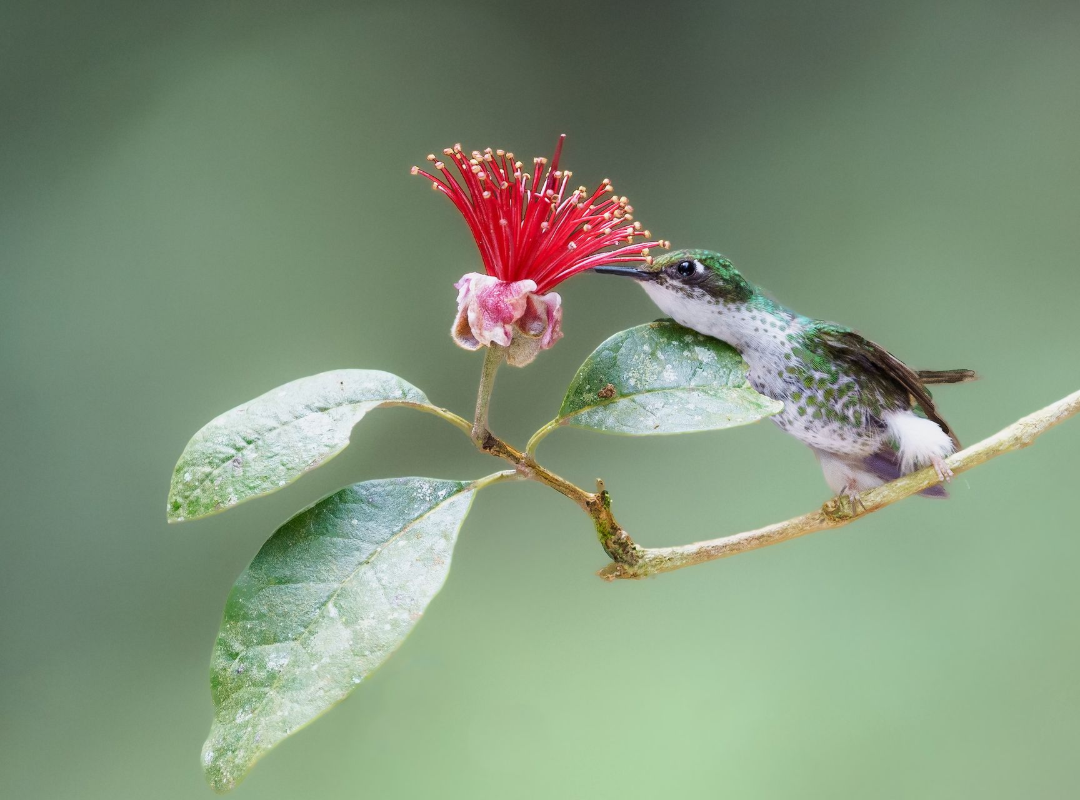
A jaguar stepping from Pantanal grass into river light, and a glittering hummingbird holding still for a fraction of a second in the Colombian Andes, demand two completely different photographic instincts. Brazil vs. Colombia wildlife photography isn't a contest with a single winner — it's a choice between two extraordinary countries, each offering its own rhythm, subject list, landscapes, and definition of a successful expedition.
For photographers planning a serious South American trip, the most useful question isn't which destination is "better." It's this: what do you want your portfolio, your field days, and your travel experience to actually look like when you get home?
*** See Colombia's Wildlife Photography Tours →
The Central Difference
Brazil is often the better choice when your priority is photographing large, charismatic mammals from predictable positions. The Pantanal, in particular, has earned its reputation as one of the world's great wildlife photography destinations. During the seasonal dry period, waterways concentrate life, and boat-based outings create exceptional opportunities for jaguars, giant otters, capybaras, caimans, tapirs, and a remarkable variety of waterbirds.
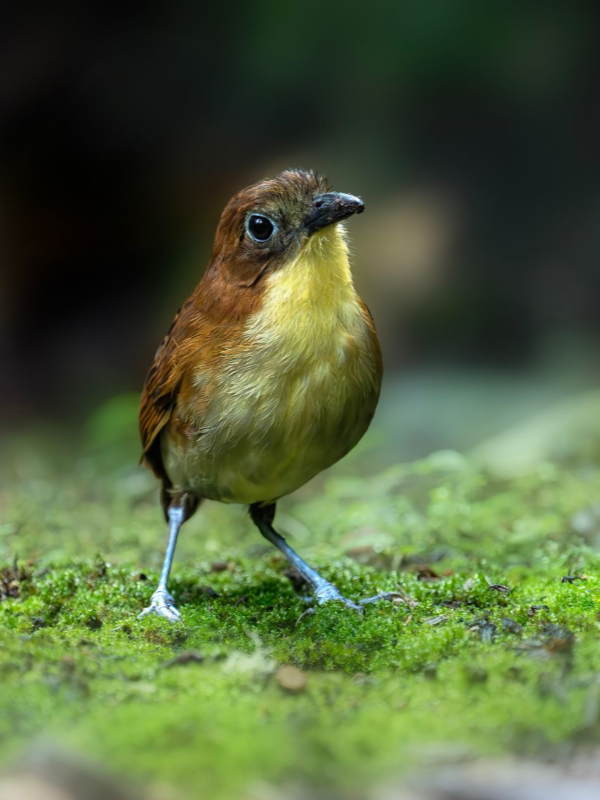
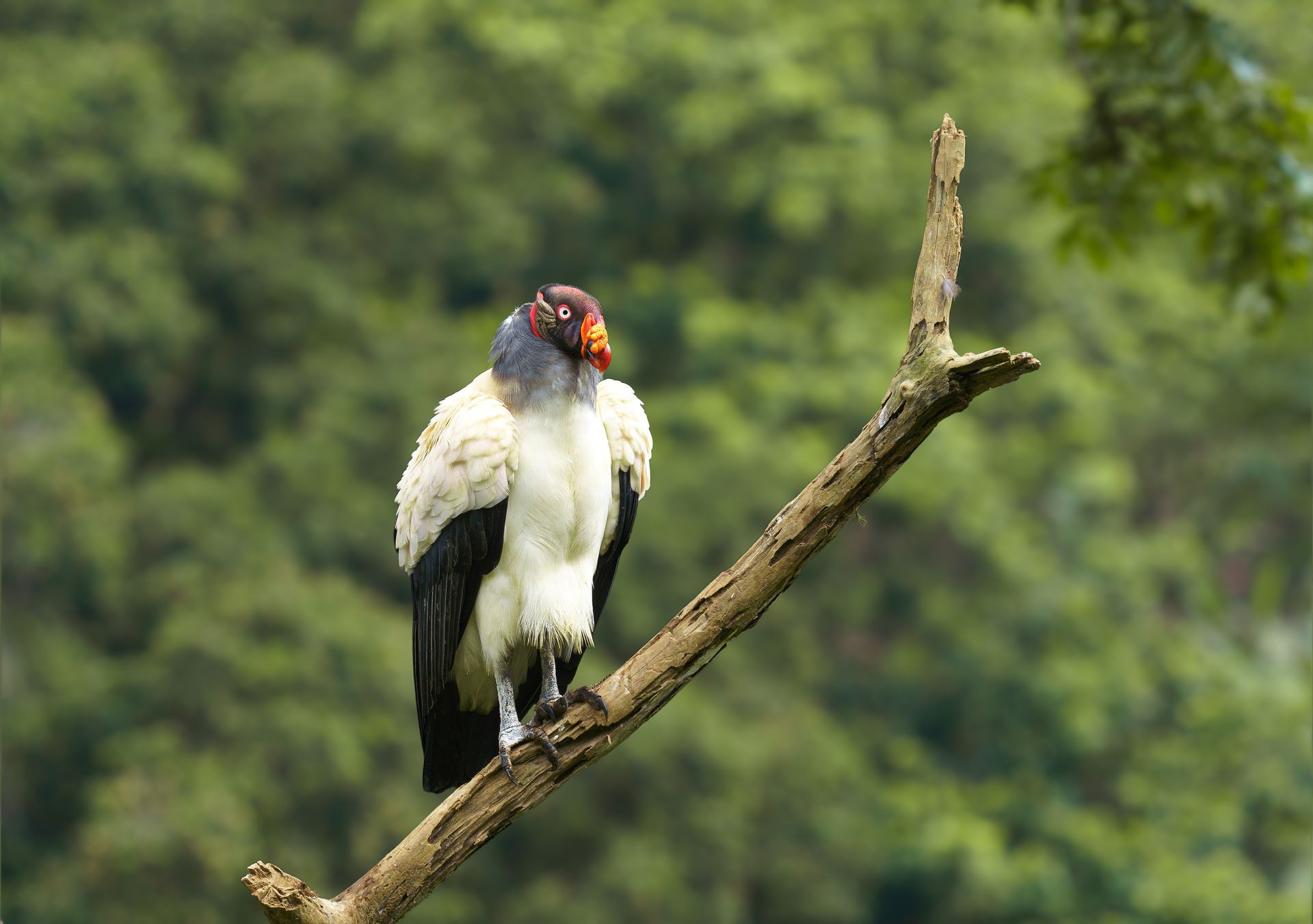
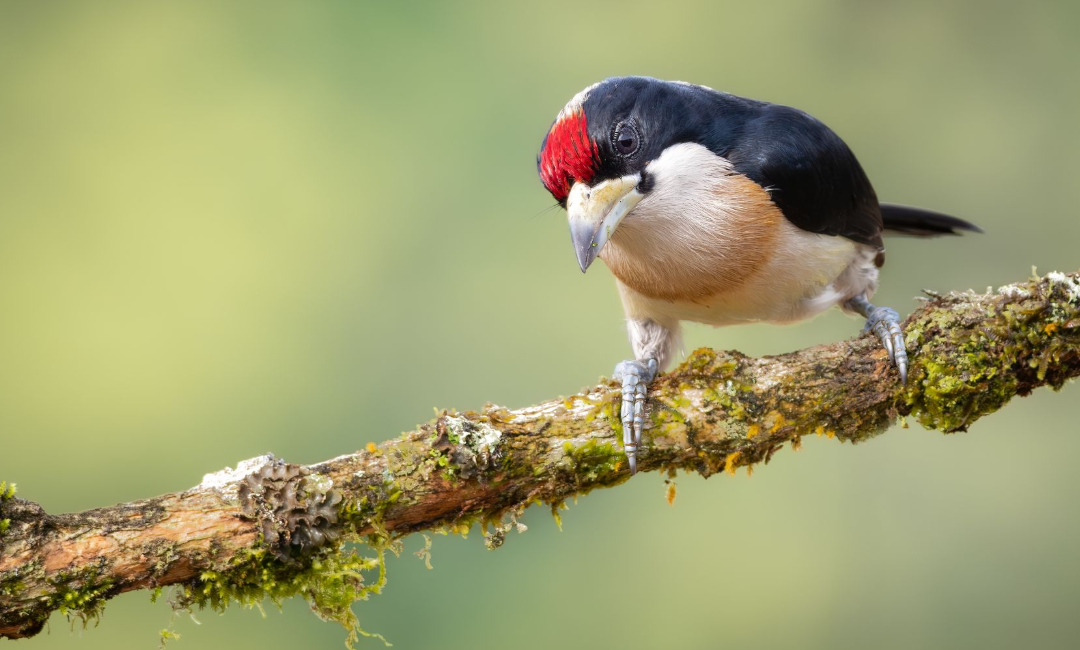
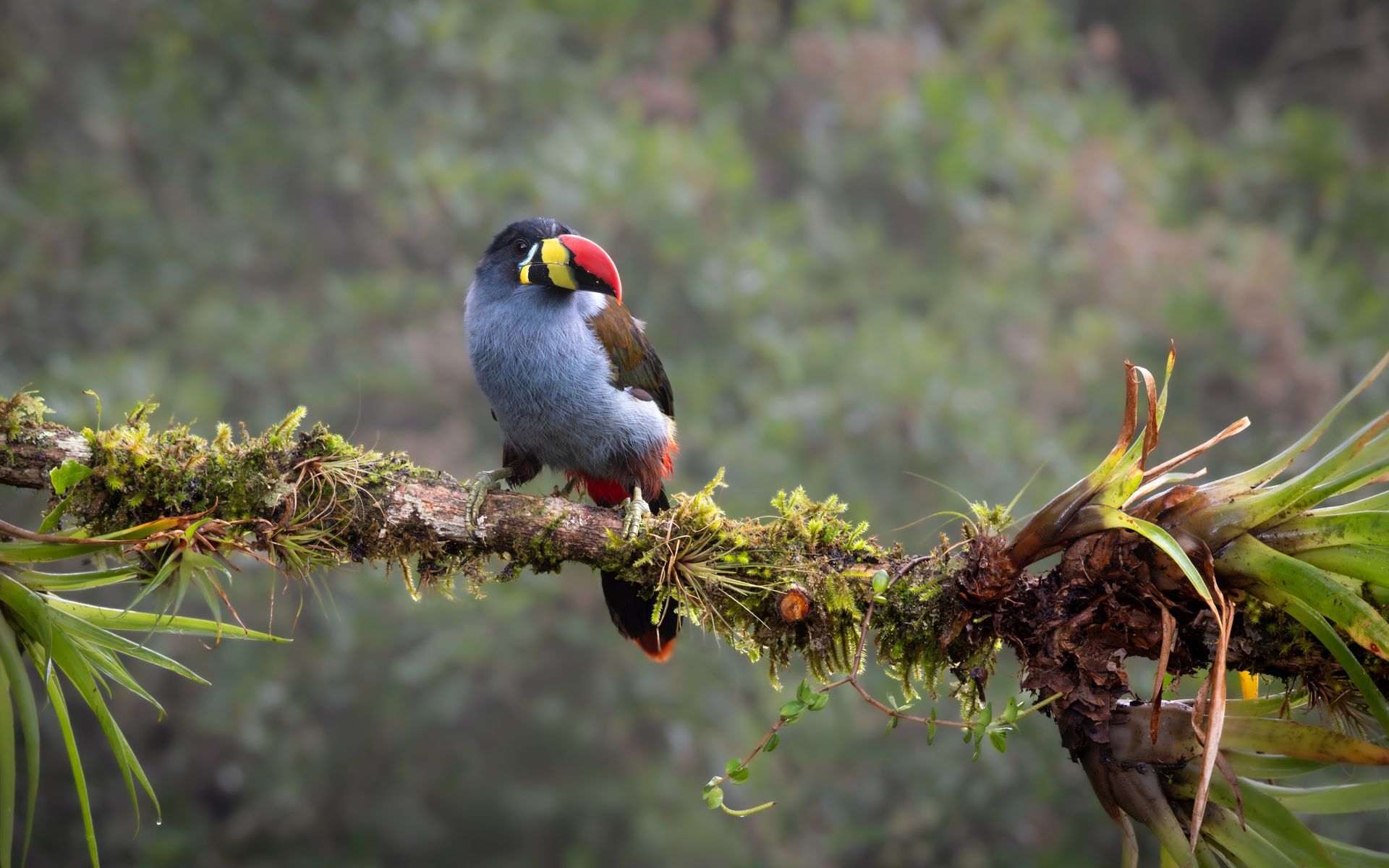
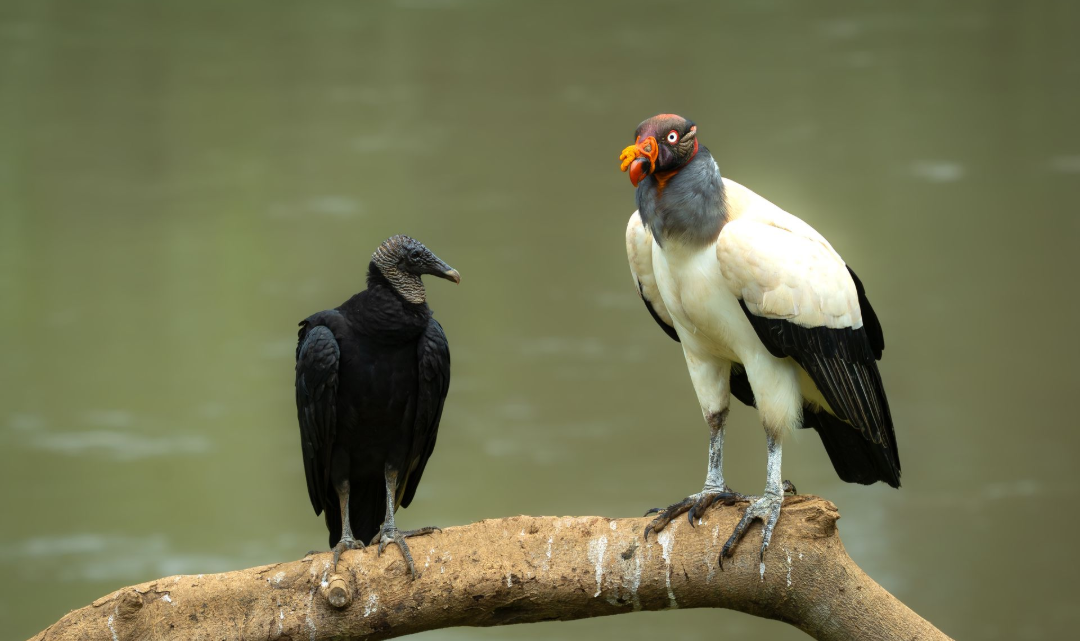
Colombia is the more compelling choice for range and specialization, especially for bird photographers. Its geography compresses Caribbean coastline, cloud forest, high Andean páramo, Amazonian lowlands, Llanos grasslands, dry forest, and Chocó rainforest into a single country. That variety supports an astonishing bird list — endemic and near-endemic targets, hummingbirds, tanagers, antpittas, toucans, macaws, owls, and regional specialties that can shape an entire itinerary on their own.
The trade-off is straightforward: Brazil offers prolonged time with fewer flagship mammal subjects in open, water-based settings. Colombia delivers extraordinary daily variety, though many subjects are smaller, faster, deeper in vegetation, and tied to specific elevations or habitats. A photographer dreaming of a jaguar sequence may favor the Pantanal. A photographer who wants a memory card full of species found nowhere else may find Colombia impossible to resist.
Photographing Brazil: Big Mammals, Waterways, and Open Skies
The Pantanal isn't a zoo-like wildlife experience — it's a vast seasonal wetland, and conditions still matter. But its productive river corridors let photographers work from boats with a clearer sightline into the habitat than dense rainforest usually allows. When a jaguar encounter goes well, the chance to photograph real behavior — walking, scent-marking, resting, swimming, interacting with the riverbank — is genuinely possible.
That access changes the technical approach. A 400mm or 500mm lens is valuable, but a second body with a 100–400mm or 70–200mm zoom pays off for close encounters, environmental scenes, and fast-moving action near the boat. Early light is beautiful, but harsh midday sun isn't wasted time here either — reptiles bask, birds stay active, and a jaguar can appear at any hour.
If jaguars are non-negotiable, the trip should be built around the northern Pantanal's dry-season window, typically running from roughly July through October — while accepting that weather, river levels, and wildlife behavior can never be fully scheduled.
Here's what many photographers don't realize: you don't have to choose one country and rule out the other. Retorno's Amazon-region expeditions are built with connections that extend as far as the Brazilian Pantanal, so a single, well-planned trip can include both jaguar country and Colombia's endemic-rich Andes.
*** Ask Retorno About Combining Both Destinations →
Photographing Colombia: Unmatched Bird Diversity and Habitat Variety
Colombia rewards photographers who enjoy working with a target list, moving between locations, and paying attention to fine detail. A single route can shift from productive hummingbird feeders in montane forest to tanager-rich trails, high-elevation landscapes, and forest clearings where larger subjects may appear. For photographers drawn to color, feather detail, behavior, and sheer species diversity, it's close to a dream itinerary.
Hummingbirds show off Colombia's strengths especially well. Carefully managed feeding stations offer ethical, repeatable opportunities to photograph several species in good light, often against backgrounds of forest green or flowering vegetation. But the best photographs never come from simply setting a fast shutter speed — flash technique, background distance, perch selection, and patient observation all matter, which is exactly where a local guide earns their keep.
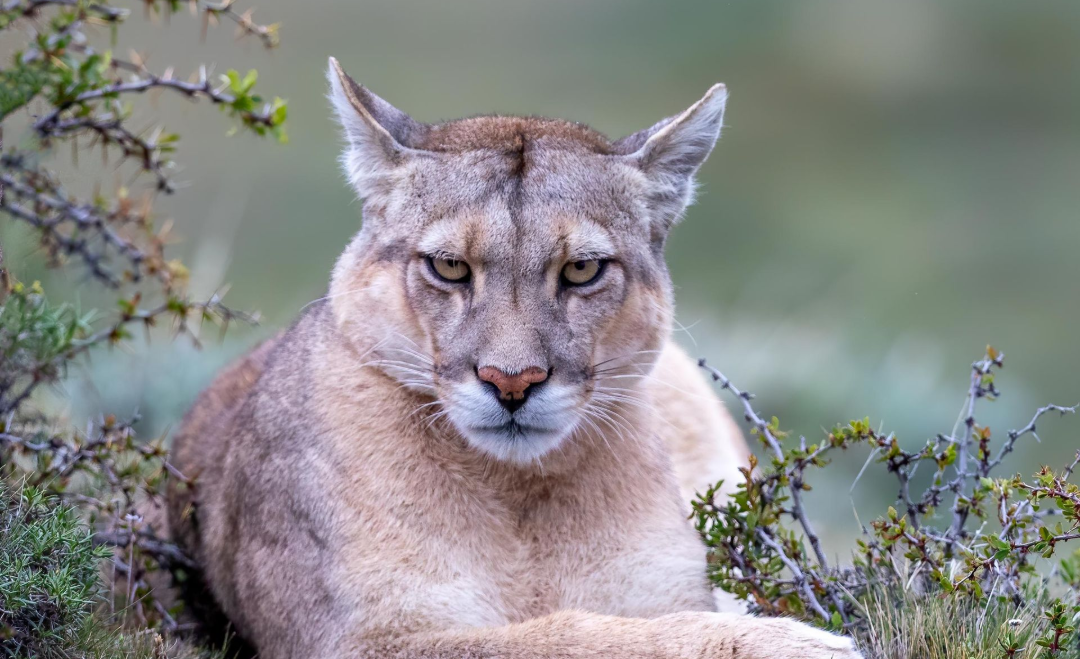
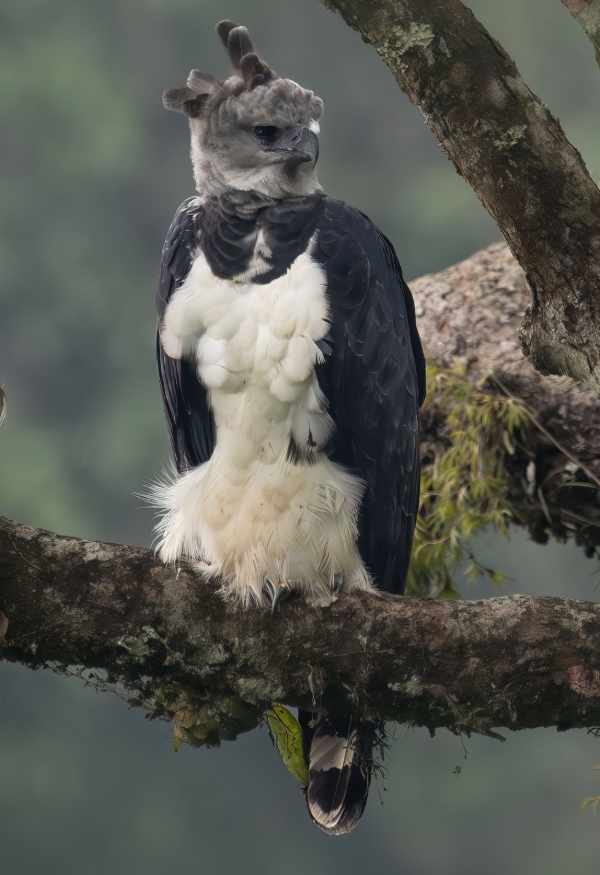
Colombia also has the potential for high-value mammals, even if sightings are naturally less predictable than in the Pantanal. Spectacled Bears can be photographed in the right Andean landscapes, and select regions can be built around primates, tapirs, and elusive cats. Harpy Eagle expeditions, Amazon wildlife routes, and Chocó-region bird trips aren't generic add-ons — they demand careful seasonal planning, real local relationships, flexible field time, and respect for sensitive nesting or roosting areas.
Colombia's greatest advantage is that a day stays productive even when one target doesn't cooperate. A rain shower that slows forest activity may still open the door to frogs, orchids, macro work, or misty habitat images. A missed antpitta can be followed by a great hummingbird session or an unexpected flock of tanagers. Colombia asks photographers to stay curious rather than chase a single trophy shot.
*** Explore the Harpy Eagle & Spectacled Bear Expeditions →
Seasons, Weather, and the Pace of Your Trip
Brazil's Pantanal has a clearer seasonal story for most photographers. The dry season generally increases wildlife concentration and navigability in key jaguar areas, though the exact timing shifts from year to year. Heat, dust, insects, and long boat days are part of the deal — pack sun protection, rain protection, dry bags, spare batteries, and reliable support for handholding or bracing long lenses.
Colombia doesn't have one simple national wildlife season. Rainfall patterns change dramatically by region and elevation. Some areas stay productive year-round, while others have preferred windows tied to target birds, flowering plants, breeding activity, road conditions, or clear skies. That's both the opportunity and the challenge: photographers can choose routes based on subject and travel dates, but the itinerary needs to be designed with real geographic precision.
Expect more climate variety in Colombia than almost anywhere else on a single trip. A humid lowland morning can be followed by a cool mountain lodge by evening, and cloud forest weather can shift within the hour. Layering beats packing one heavy jacket. Waterproof footwear, a rain cover you can deploy in seconds, and a reliable way to manage condensation are essential for both your comfort and your gear.
Why Access and Local Logistics Matter More Than the Species List
Neither destination rewards a self-guided scavenger-hunt approach, especially when the goal is portfolio-quality work in a limited number of days. Productive wildlife photography depends on knowing exactly which road, trail, river bend, private reserve, community territory, or lodge has the right conditions at the right time.
In Brazil, coordinated boat operations, experienced pilots, and well-positioned lodges make an enormous difference in the Pantanal — the best photographic position can change in seconds, so communication and boat etiquette affect everyone's results. In Colombia, logistics run even deeper: domestic flights, mountain roads, elevation changes, permits, local drivers, and community-based access all have to work together seamlessly.
This is exactly the layer Retorno Photo Tours is built to handle. We plan around the realities of photographing in the field, not simply moving travelers between scenic stops — allowing enough time at productive locations, choosing accommodations suited to the route, and leaving room in the plan for weather and wildlife behavior. Secure coordination means you spend your time thinking about light and composition, not logistics.
*** Chat With Us Directly on WhatsApp →
The Ethical Choice Is Part of the Photograph
A close image isn't automatically a good wildlife photograph. The strongest shot should never come at the cost of distressing an animal, blocking its path, damaging a perch, pressuring a nest, or treating local communities as scenery. This applies equally to jaguar boats, hummingbird feeders, owl roosts, and sensitive forest trails.
Choose operators and locations that limit disturbance, respect local rules, employ local people fairly, and recognize that access depends on healthy habitats and trusted community relationships. Ethical tourism helps make standing forest, protected wetlands, and wildlife-friendly livelihoods more valuable than destructive alternatives — that isn't separate from photograph;, it's the condition that makes future photographs possible in the first place.
*** Learn About Retorno's Conservation Mission →
So, Which Destination Should You Choose?
Choose Brazil when jaguars and large wetland wildlife top your list, when you value extended observation from boats, and when broad behavioral images matter more than building a massive species portfolio. The Pantanal is especially rewarding for photographers willing to dedicate several days to one globally iconic ecosystem.
Choose Colombia when birds are your primary passion, when endemic species and hummingbirds genuinely excite you, or when you want an itinerary built around dramatic habitat variety. It's also the stronger fit if you enjoy balancing carefully planned targets with the surprises of a biodiverse forest.
The most fortunate wildlife photographers eventually experience both. Start with the place that matches the images you feel compelled to make right now, then travel with enough patience to let the destination set the pace. The jaguar may stay hidden, the rain may arrive early, and the bird you never expected may become the frame you remember most.
Scheduled Tours
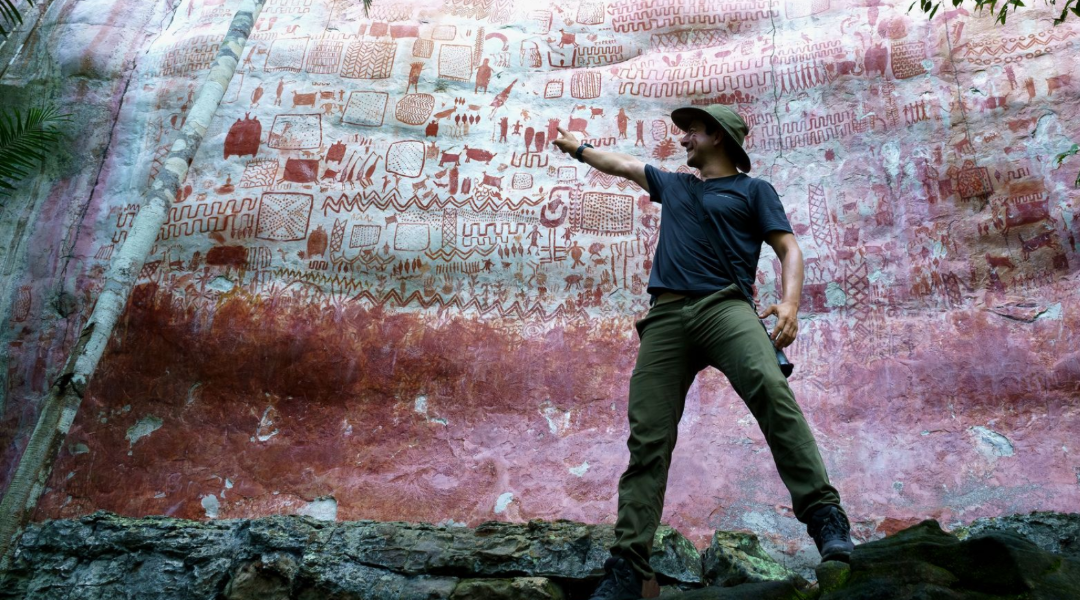
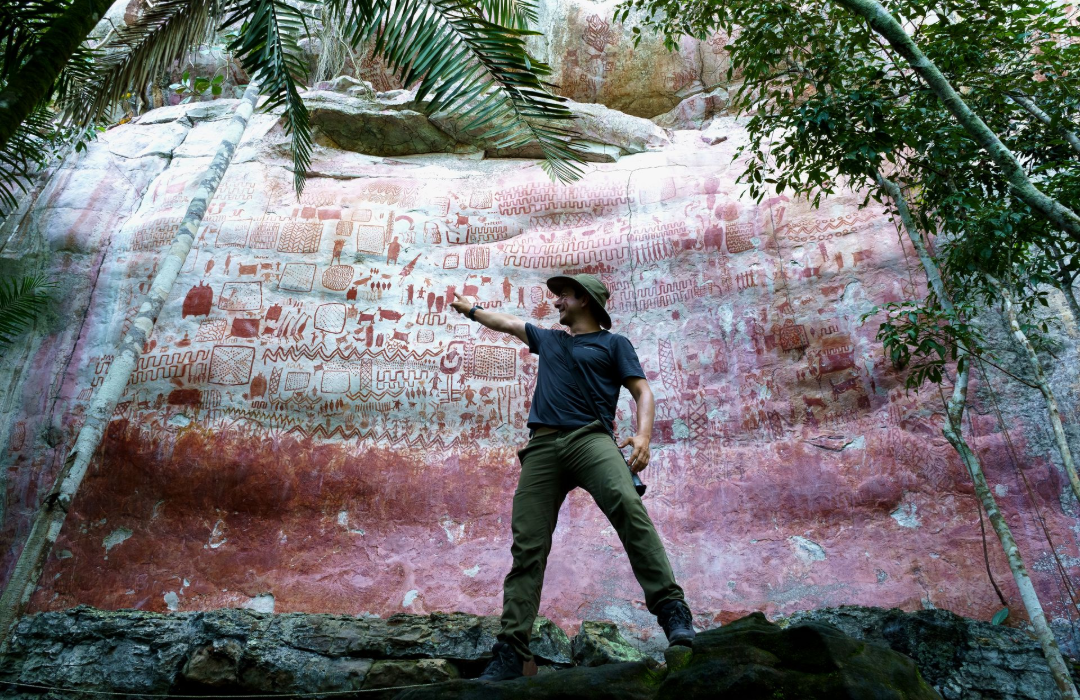
Western Amazon: Gateway to Chiribiquete.
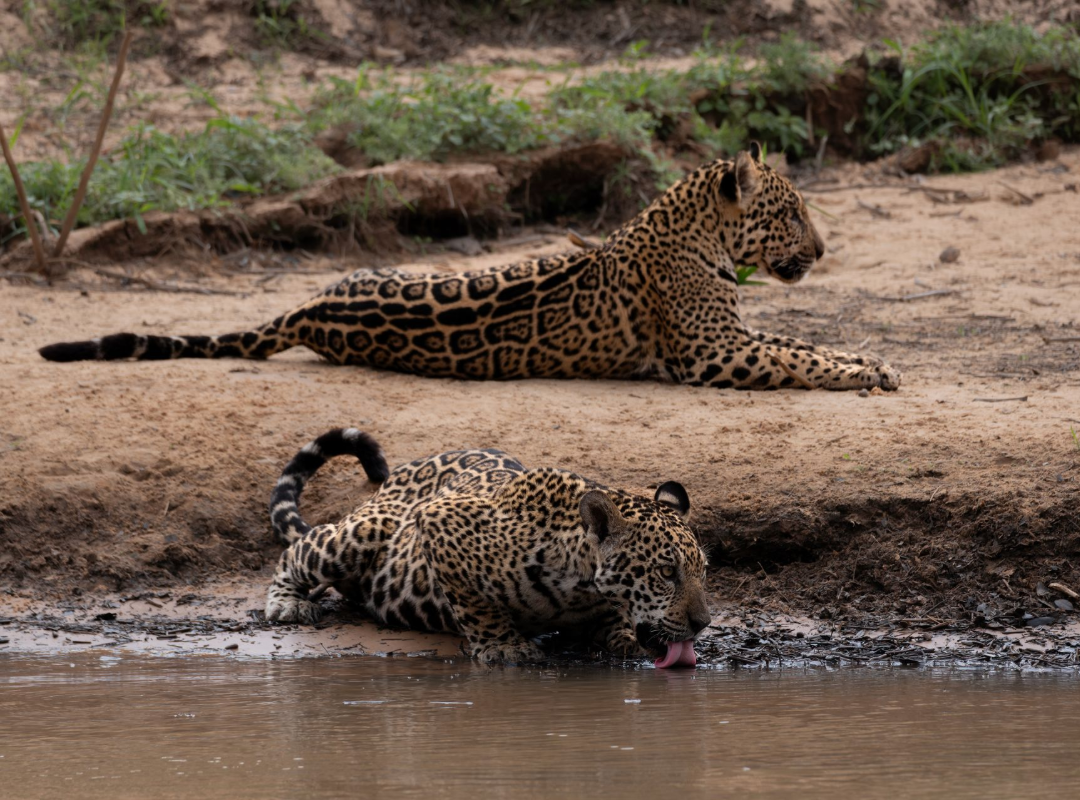
Jaguars of Pantanal
Amazon's Guiana Frontier - Mitu.
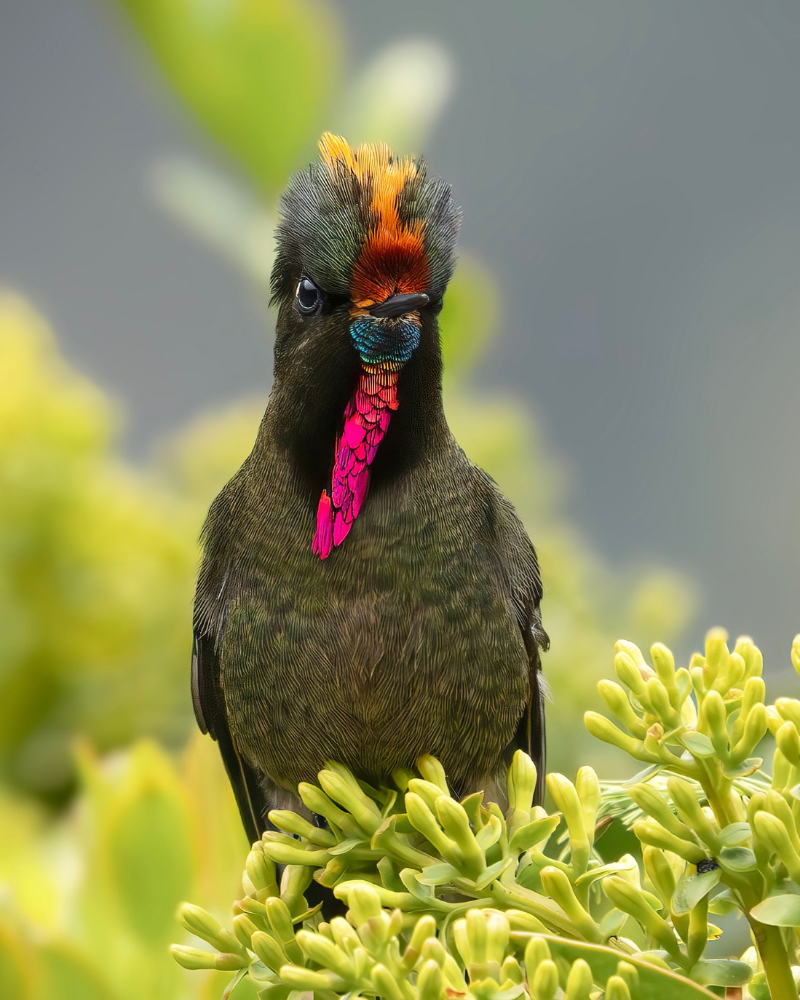
Emblematic Birds Photo Tour