
Ethical Tourism for Wildlife Photographers
Choose operators who can answer direct questions
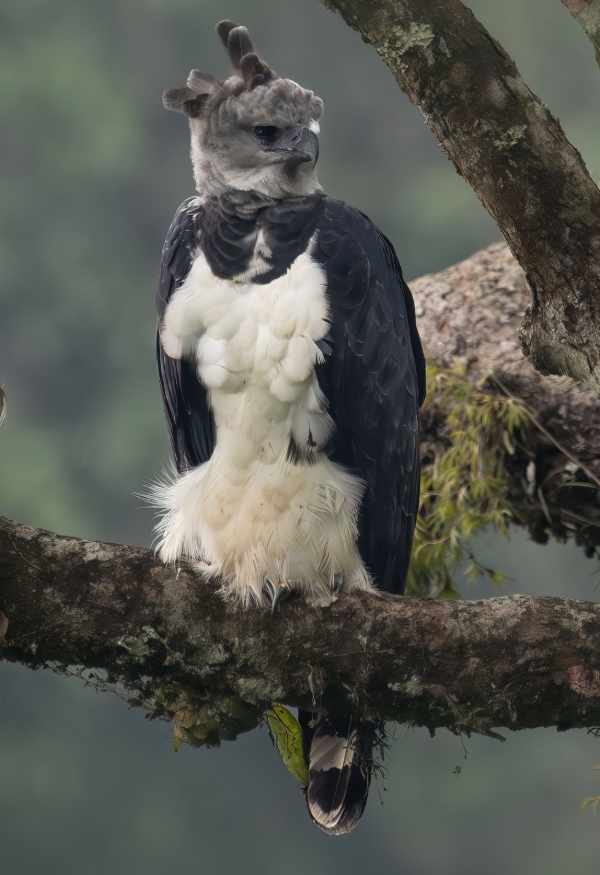
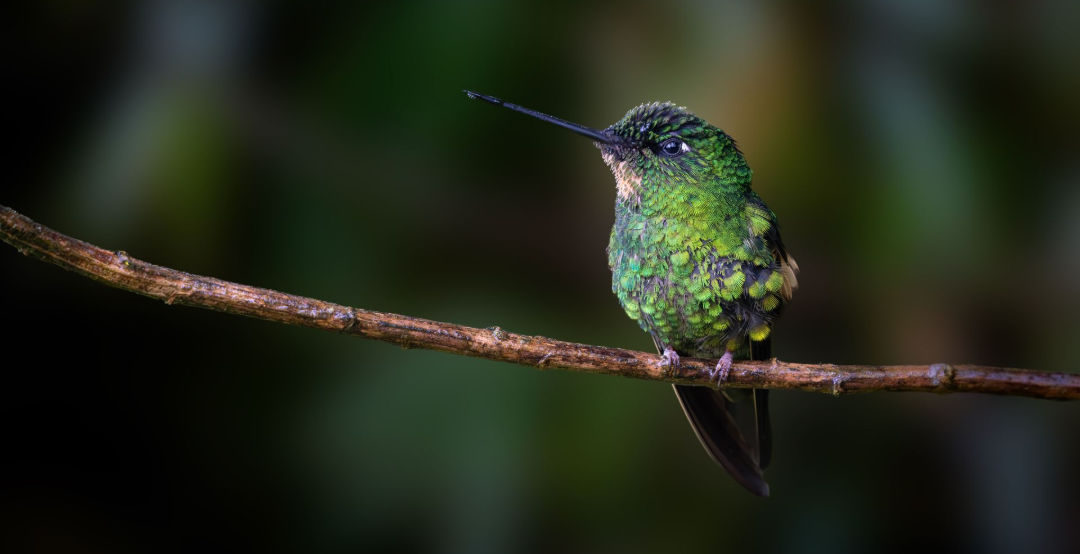
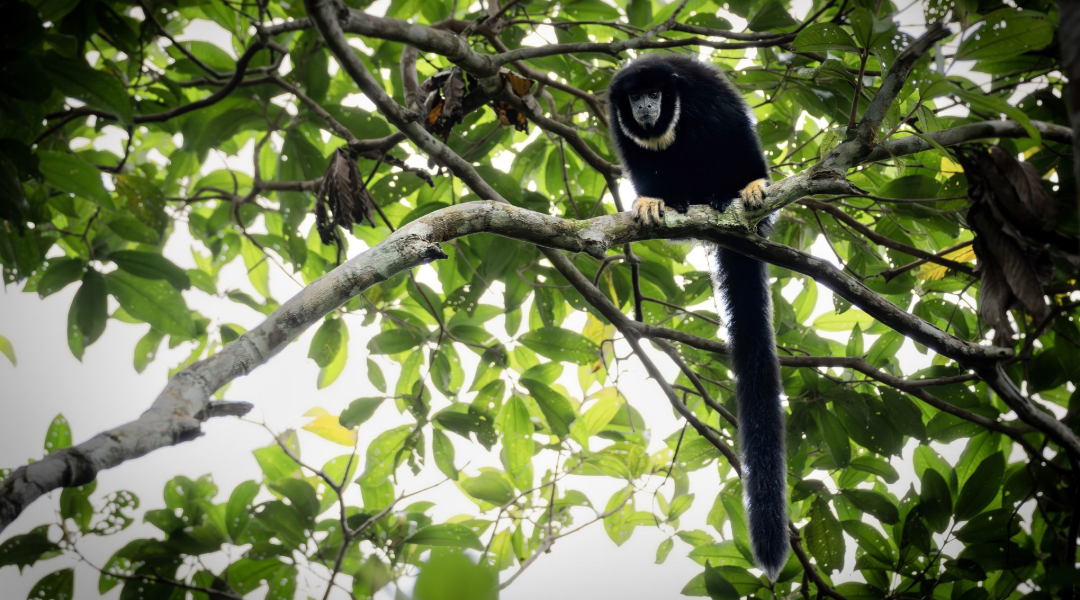
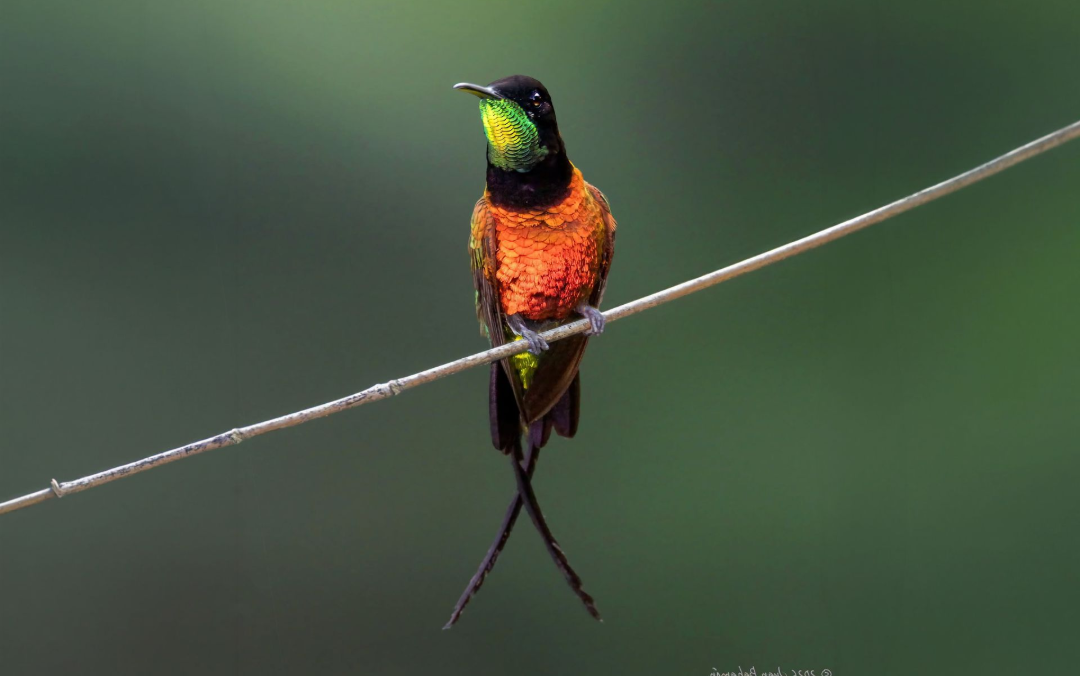
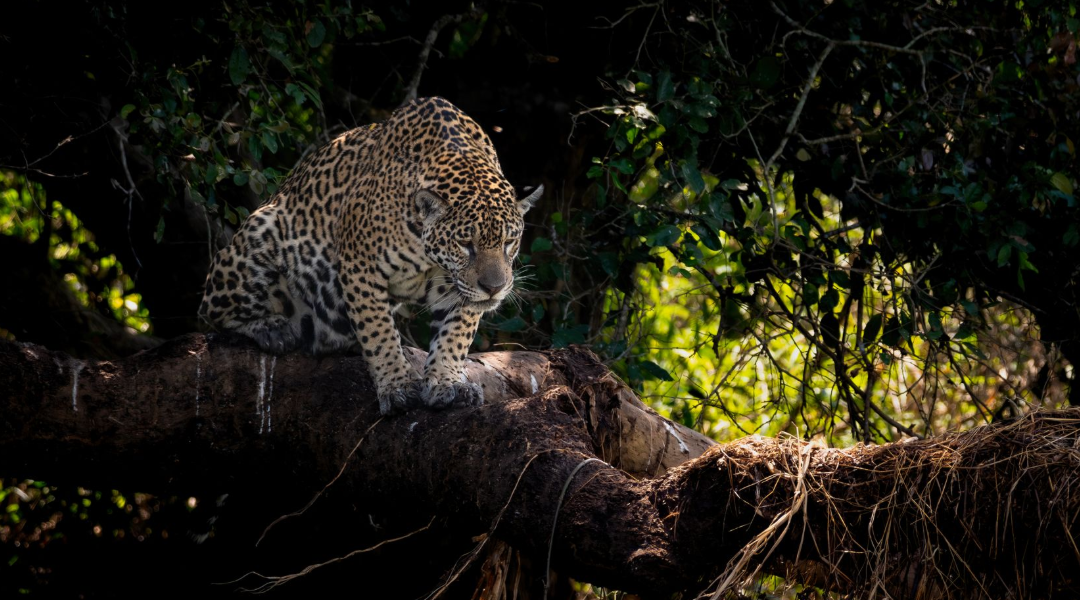
A Harpy Eagle appearing above an Amazonian trail, a glittering hummingbird holding still for one clean frame, or a jaguar stepping from the Pantanal grass can feel like a private encounter. It never is. Every photograph is made within a living landscape shared by wildlife, local families, landowners, guides, and communities whose choices often determine whether that landscape remains intact. Ethical tourism asks photographers to recognize that connection before the shutter fires.
For serious nature photographers, this is not a restriction on ambition. Done well, it is the path to better field time, more meaningful access, and images with a story worth standing behind. A trip should leave habitat, wildlife, and local relationships stronger than it found them.
What ethical tourism means in the field
Ethical tourism is travel that minimizes harm and creates tangible benefits for the people and ecosystems that make an experience possible. In wildlife photography, the principle becomes very practical: how close you approach, whether a subject is disturbed, who receives your tourism dollars, and whether the activity gives local residents a reason to protect rather than convert habitat.
Colombia holds extraordinary photographic potential because its biodiversity is matched by immense cultural and geographic variety. A cloud forest reserve may be maintained by a rural family. A Chocó birding trail may depend on Afro-descendant community leadership. Access near an Indigenous territory may carry protocols that deserve careful respect. These are not background details to an expedition. They are part of what makes responsible wildlife encounters possible.
Ethical choices do not mean every trip must be rugged or that comfort is somehow irresponsible. Well-planned lodging, reliable transport, excellent food, and thoughtful safety coordination can reduce unnecessary pressure on fragile places. The standard is not hardship. It is respect, transparency, and a fair exchange of value.
Why ethical tourism creates better photographs
Wildlife photographers often think first about light, position, backgrounds, and the right focal length. Those details matter. But patient, low-impact field practice also improves the final image.
A stressed bird rarely behaves naturally. It freezes, calls in alarm, changes its feeding route, or vanishes into cover. A mammal repeatedly blocked from its path may become wary or aggressive. Pushing too close can produce a technically sharp frame that tells a poor story about the encounter.
The strongest images usually come from giving animals room to choose their behavior. A long lens, a stable position, and time allow for natural feeding, courtship, hunting, grooming, and interaction. You may return with fewer near-filling frames than you would by crowding a subject, but the photographs will show behavior rather than pressure.
There is another advantage: local trust creates access that cannot be purchased at the last minute. Communities and landowners are more likely to welcome photographers who arrive with knowledgeable local guides, follow established routes, respect schedules, and understand that a farm or reserve is also someone’s home and livelihood. Those relationships can open the door to productive habitats, repeat visits, and carefully managed observation points.
The distance question is not always simple
A fixed distance rule sounds easy, but ethical field distance depends on the species, terrain, breeding season, and the animal’s response. A large telephoto lens can help you work farther away, yet even a distant photographer can cause harm by standing between an animal and food, a nest, water, or an escape route.
Watch behavior closely. Repeated alarm calls, altered movement, raised posture, distraction displays, or an animal leaving cover are clear signs to back away. Around nests, dens, roosts, lek sites, and young animals, the margin for error is especially small. No portfolio image is worth making a parent reveal a nest or abandon normal care.
The choices behind a responsible expedition
An ethical photography trip is built long before travelers arrive. It begins with route design, group size, local partnerships, and a realistic understanding of what the destination can absorb.
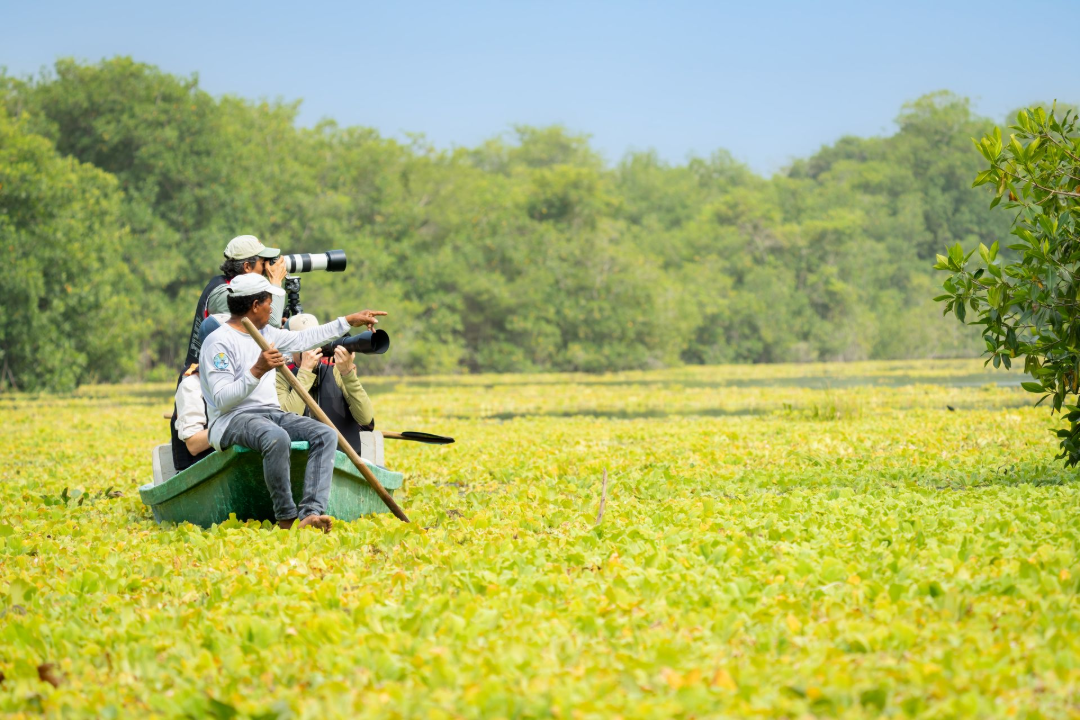
Small groups are particularly valuable in sensitive habitats. They are quieter on trails, easier to position without crowding a subject, and more manageable around local homes and reserves. They also give each photographer more room to work, which reduces the temptation to step ahead, call loudly, or create a scramble for the best angle.
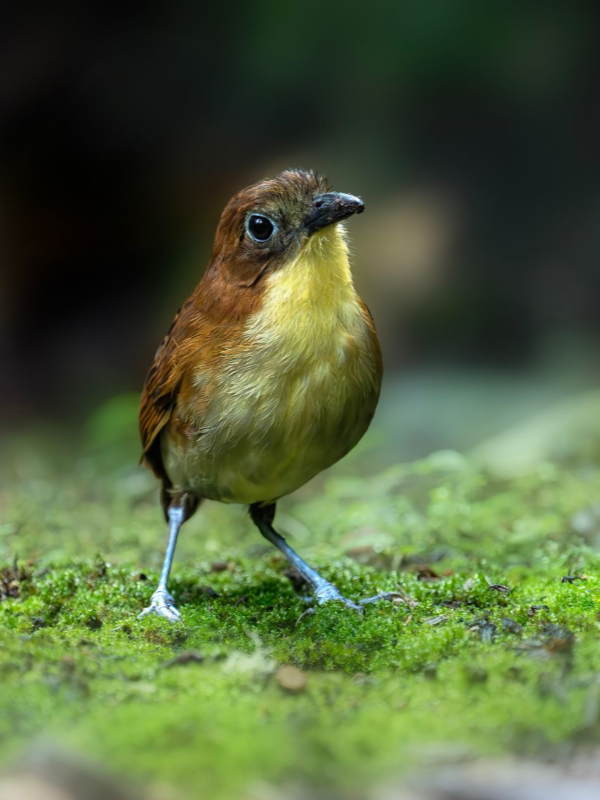
Using local guides, drivers, cooks, lodge staff, and community hosts matters just as much. It keeps more of the economic benefit in the region and recognizes the field knowledge that makes an expedition successful. A local guide may know the seasonal fruiting tree that attracts tanagers, the safe river crossing after rain, or the respectful way to enter a community-managed area. That expertise deserves proper value, not a token mention.
For Retorno Photo Tours, conservation-centered travel means coordinating photographic opportunities with the people who know and care for these landscapes. The goal is not simply to find a rare species. It is to ensure that wildlife remains worth more alive, protected, and photographed than displaced by short-term alternatives.
Practices photographers should question
Some ethical decisions are clear. Do not litter, leave trails, handle wildlife, or pressure an animal for a closer frame. Other decisions require context and honest discussion.
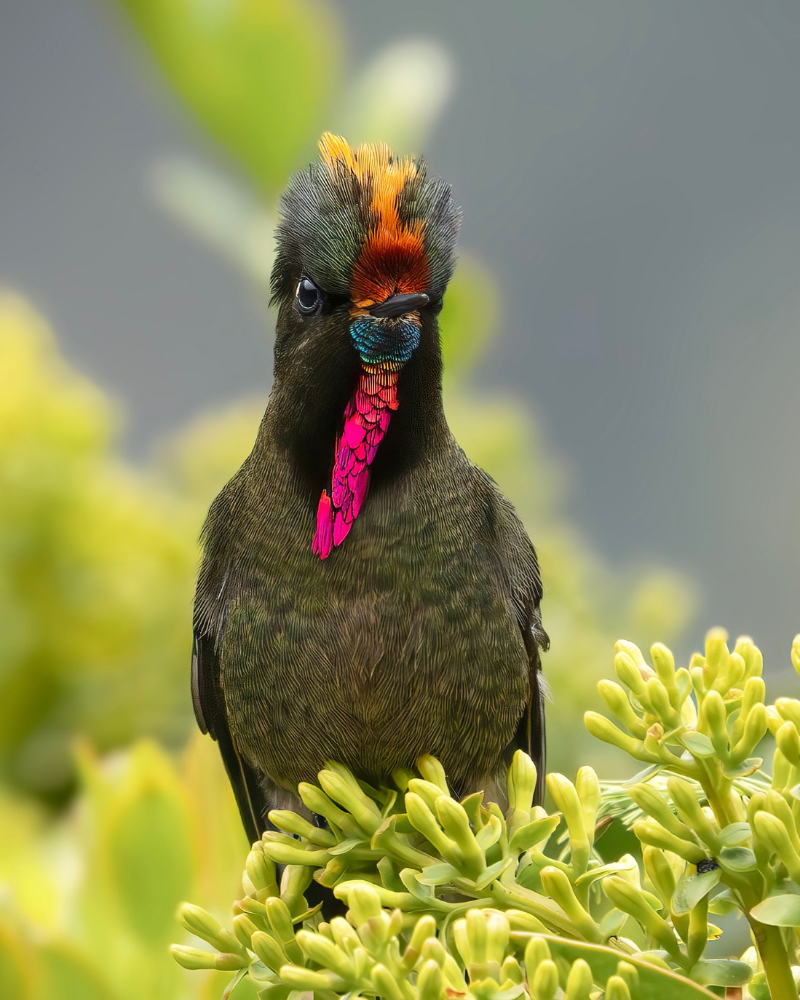
Feeding stations, for example, can offer remarkable opportunities for hummingbird and fruit-eating bird photography. When they are carefully managed, use appropriate food, maintain hygiene, and are located away from nesting pressure, they may support local reserves and concentrate observation in a controlled area. Poorly managed feeding can spread disease, alter behavior, or create unnatural dependence. Ask how a site operates rather than assuming every feeder is either perfect or unacceptable.
Audio playback also deserves caution. Used sparingly by experienced guides, it may help locate a secretive bird for observation. Repeated playback can interrupt territorial behavior, stress a bird, or pull it away from feeding and nesting duties. For photography, patience is usually the better tool. Hearing a target species respond from the forest is exciting, but hearing it naturally is better still.
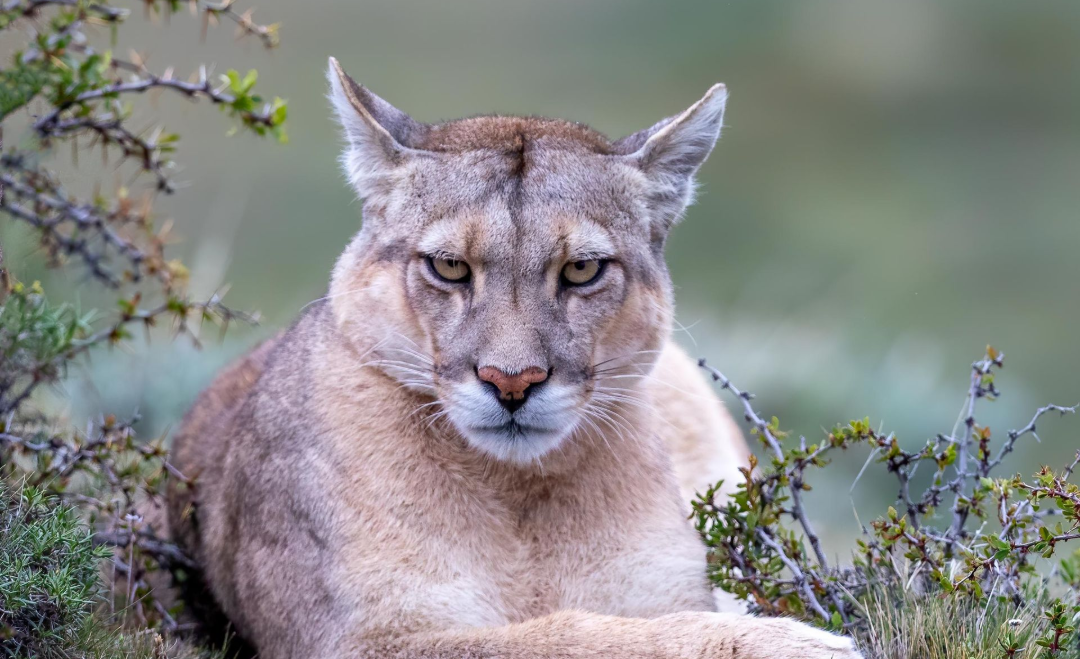
Baiting predators is another area where standards vary by location and species. It can create predictable viewing in certain settings, but it also risks changing movement patterns and creating unhealthy associations with people. A responsible operator should be able to explain the method, frequency, conservation context, and safeguards without evasion.
How to travel with a photographer's discipline
Your equipment choices can make ethical behavior easier. A 400mm, 500mm, or 600mm lens, with or without a teleconverter, allows you to maintain distance while still capturing detail. Support systems matter too. A monopod, tripod, beanbag, or vehicle mount helps you wait quietly rather than creeping closer because handheld images are soft.
Arrive prepared for the actual conditions. In the Andes, weather can shift from sun to rain quickly, and trails may be muddy or steep. In tropical lowlands, heat, humidity, and insects affect both comfort and concentration. Proper rain protection, neutral field clothing, waterproof footwear, hydration, and a lightweight daypack help you stay in position without improvising in ways that damage vegetation or distract wildlife.
Good ethics also include how you photograph people. Always ask before making portraits in communities, homes, markets, or work spaces. A warm conversation often leads to a far better image than a hurried long-lens shot. If a community has asked that an area, ceremony, or individual not be photographed, accept the boundary immediately.
Choose operators who can answer direct questions
Before booking a wildlife photography expedition, ask how the operator works with local communities, manages group size, approaches nesting sites, and responds when wildlife shows stress. Ask who benefits economically from your visit and whether local guides are involved in route planning and interpretation.
You should also ask what happens when conditions change. Heavy rain, road closures, or a species not appearing are normal realities in wild places. An operator committed to ethical tourism will not force access, pressure landowners, or overwork wildlife to deliver a promised shot. Instead, they will adjust the plan, use their regional knowledge, and create the best responsible opportunity available.
That is the real measure of a photographic expedition. Not a guarantee that nature will perform on demand, but confidence that every decision in the field protects the possibility of future encounters.
The next time a rare bird settles into perfect light or a wild cat pauses at the edge of the forest, take the frame with care. Then leave enough space for the animal to continue exactly as it was.
Scheduled Tours
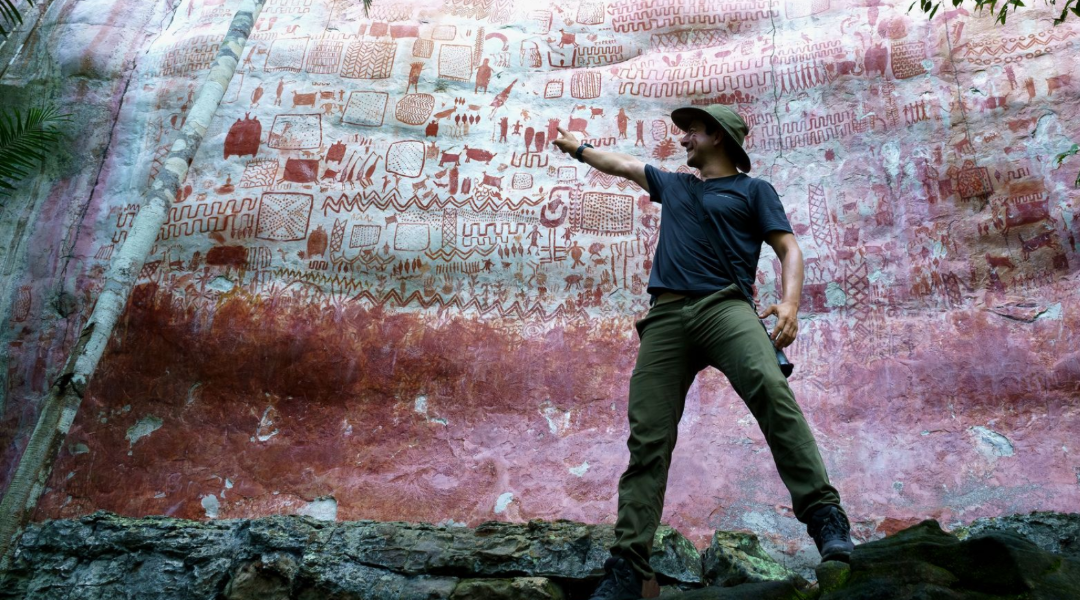
Western Amazon: Gateway to Chiribiquete.
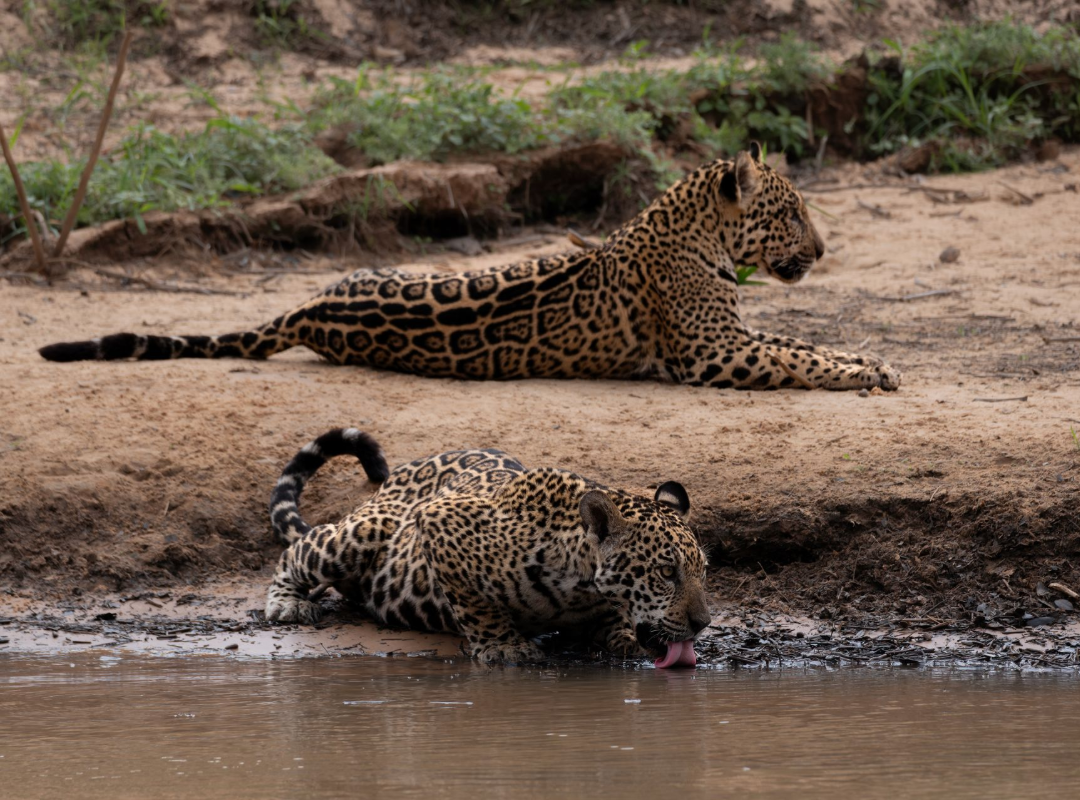
Jaguars of Pantanal
Amazon's Guiana Frontier - Mitu.
Emblematic Birds Photo Tour