
Pantanal Dry Season Guide for Wildlife Photographers
Brazil vs. Colombia Wildlife Photography: Which Destination Deserves Your Next Trip?
By David Casas
Here's the first thing to understand about the Pantanal dry season: it's not just "the months with less rain." As water recedes across the world's largest tropical wetland, something remarkable happens — wildlife funnels toward the rivers, lagoons, and remaining marshy margins that are still holding water. And that seasonal squeeze is exactly what turns a good Pantanal trip into an unforgettable one, with real opportunities for jaguars, giant otters, kingfishers, herons, hyacinth macaws, jabirus, caimans, and an endless supporting cast of wetland life.
If you're a photographer, this is often the most productive stretch of the year to work the northern Pantanal. But it also asks something of you in return: patience, heat tolerance, smart equipment choices, and an itinerary built around wildlife behavior rather than a rigid checklist. The best images here don't come from rushing — they come from spending real time on the water, learning to read light and movement, and letting the landscape set the pace.
Start Planning Your Pantanal Expedition →
When Is the Pantanal Dry Season, Exactly?
In the northern Pantanal, the drier stretch generally runs from May through October, with July through October usually favored specifically for wildlife photography. But no two years behave identically — rain can show up uninvited, river levels shift, and a "dry" month in one area might feel completely different a hundred kilometers south.
Here's roughly how the season unfolds:
- May and June bring greener scenery, cooler mornings, and strong bird activity as the landscape transitions out of the wet months.
- July and August open up trails and roads, water levels drop noticeably, and wildlife starts concentrating around the Cuiabá River and its channels.
- September and October bring serious heat — but they're also prime months for dedicated jaguar photography along many river systems.
There's a genuine trade-off here, and it's worth thinking through before you book. Earlier dry-season trips feel fresher and greener; later ones tend to deliver more reliable, concentrated wildlife around shrinking water systems. Neither is "correct" — it depends on whether jaguars, bird diversity, green landscapes, cooler temperatures, or some balance of all four is driving your trip.
Why the Dry Season Turns the Pantanal Into a Photographer's Paradise
The Pantanal is shaped entirely by water. During the wet season, wildlife can scatter widely across flooded grasslands and forest islands — great for the ecosystem, frustrating for a photographer. As floodwaters withdraw, prey species, fish, reptiles, and birds become far easier to find around permanent waterways. And predators, naturally, follow.
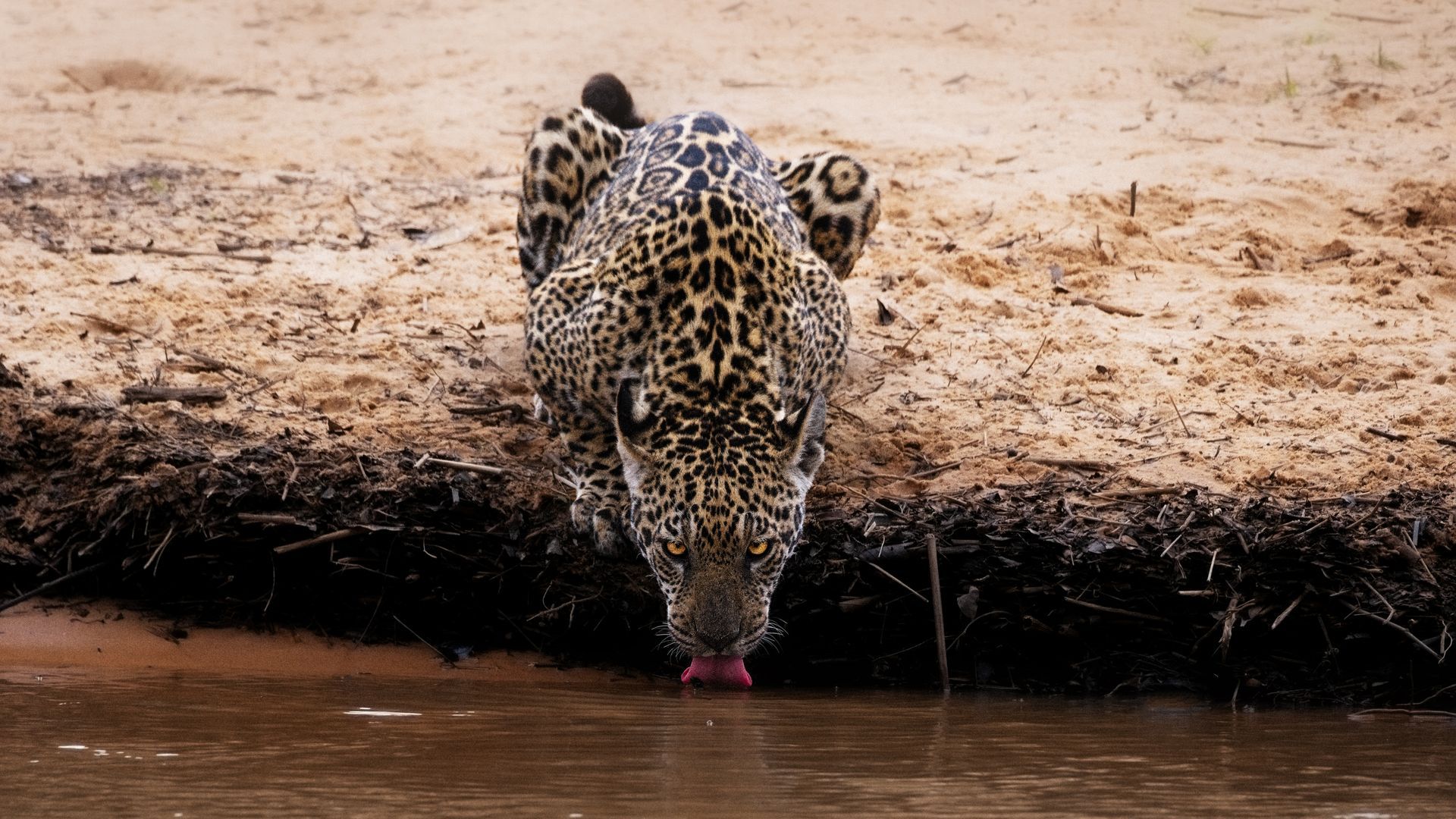
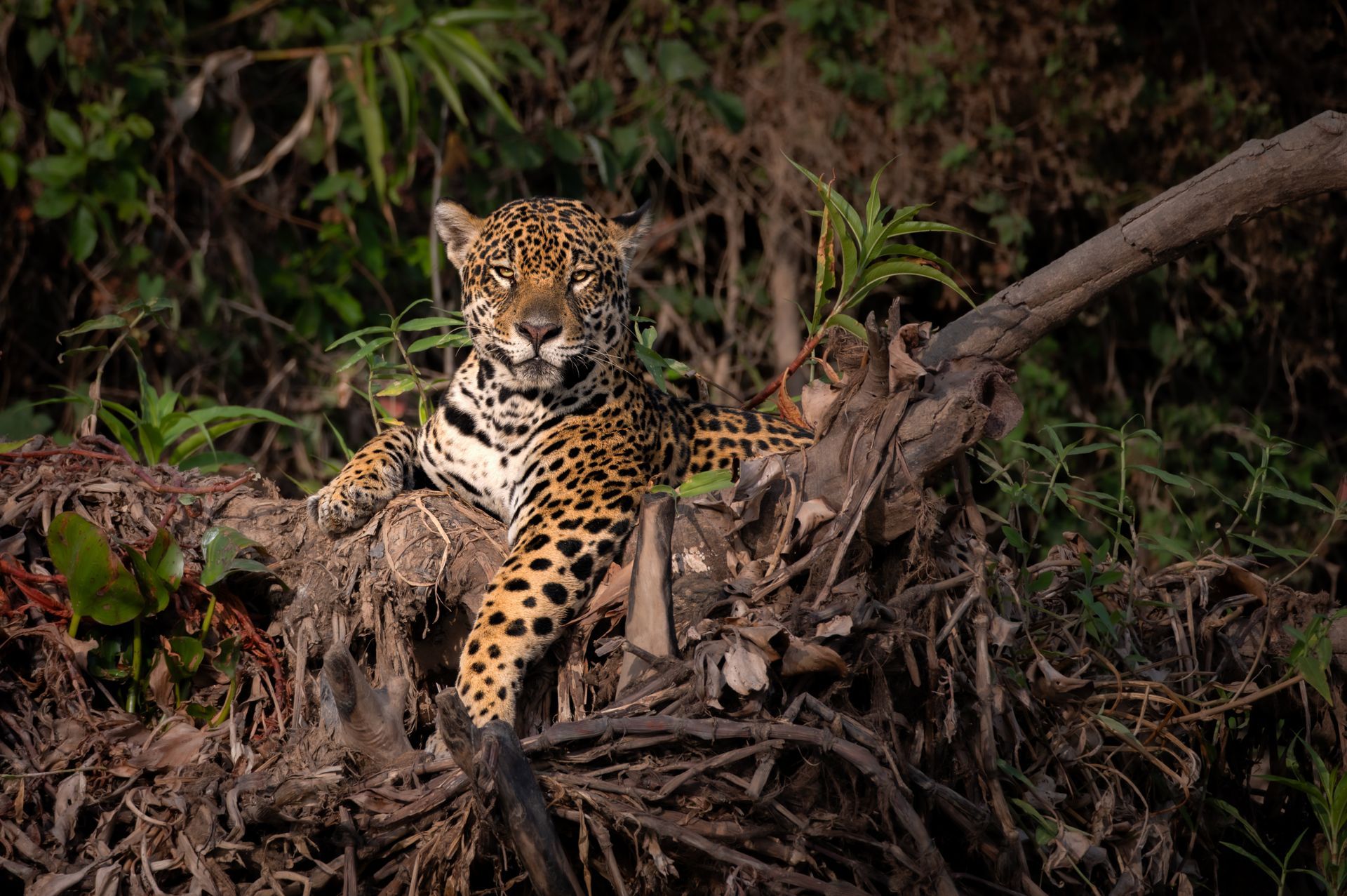
For jaguars, that often means more frequent riverside activity. A cat might rest in deep shade through the heat of midday, patrol a beach at first light, cross a narrow channel, or stalk a caiman from a low bank. There are no guarantees with a wild jaguar — and ethical viewing always comes before a tight frame — but the dry season's river-based access and concentrated prey make it the strongest window for spending real time with this extraordinary predator.
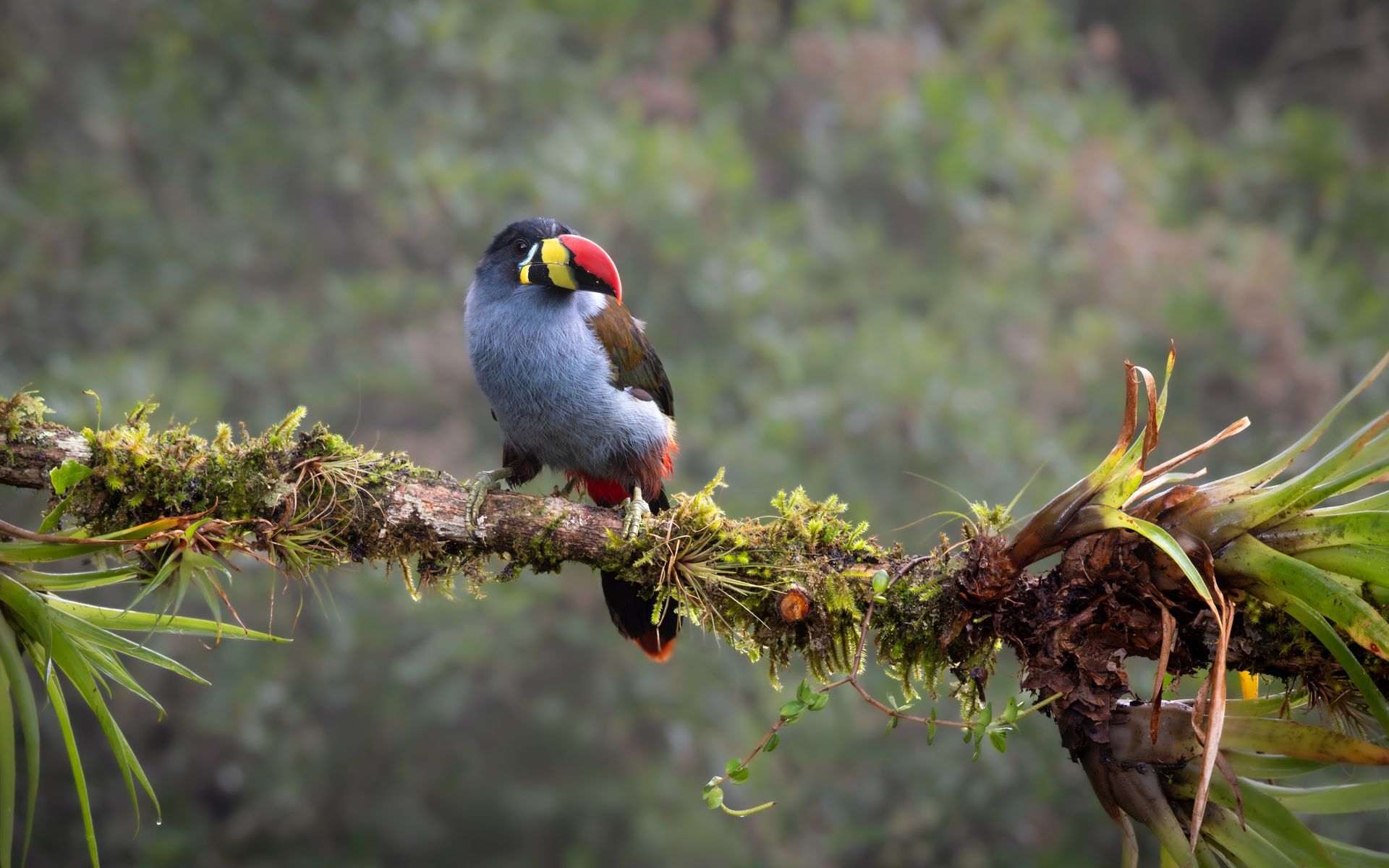
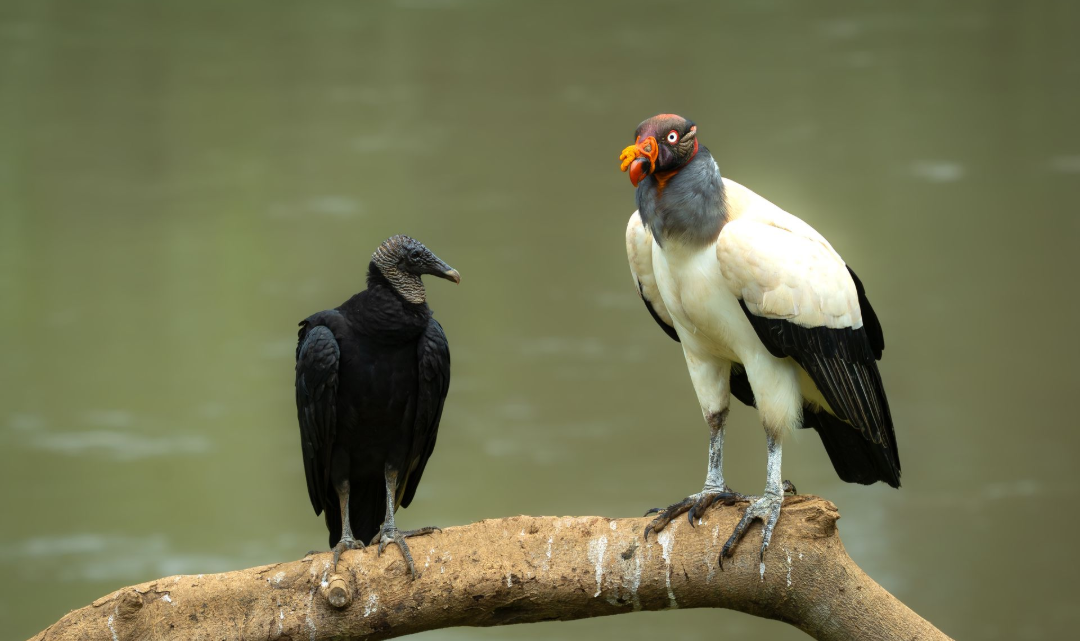
Bird photography is just as compelling. Hyacinth macaws often announce themselves with calls long before they come into view, flying between feeding and roosting sites. Black-collared hawks, snail kites, great egrets, rufescent tiger-herons, jabirus, ringed kingfishers, and sunbitterns all reward a patient eye. The species list is long, but it's the behavior that makes the Pantanal special — fishing, courtship, territorial disputes, aerial pursuits, and the daily rhythm of life across open habitat.
Boat work sits at the center of most dry-season itineraries. Working from the water puts you close to eye level with birds and mammals, and a boat's mobility lets your guide respond quickly to fresh tracks, alarm calls, or word from other observers nearby. Good positioning on the water matters far more than racing from sighting to sighting.
See Retorno's Wildlife Photography Expeditions →
Chasing the Light: How the Pantanal Changes Hour by Hour
Morning light is usually the most forgiving here. At first light, mist often sits over the river, mammals are more active, and birds move before the heat sets in. Late afternoon can deliver gorgeous warm side-light on the riverbanks — though storms, haze, or cloud cover can shift the color dramatically in minutes.
Don't write off midday, either. Jaguars often rest through the hottest hours, which can actually create intimate, relaxed behavioral shots if the animal is calm and the boat stays respectfully positioned. Harsh overhead light also suits graphic caiman portraits, high-key bird images, and wide environmental scenes that capture the sheer intensity of the Pantanal's heat.
What to Expect Out There
Plan for warm-to-very-hot days, especially from August onward. Mornings can be pleasantly cool; afternoons can push past 90°F (32°C). Humidity, dust from land transfers, strong sun, and the occasional insect are simply part of field life — and a sudden shower is always possible, even in the dry season, so keep waterproof protection within arm's reach.
River travel is generally smooth, though conditions shift with wind, other boat traffic, and passing weather. A stable platform helps, but you should be comfortable shooting handheld or with a well-managed support system — tripods rarely work in a shared boat. A beanbag, monopod, or compact gimbal setup tends to be far more practical, depending on your boat and shooting style.
The Pantanal's remoteness is part of its charm, but it also makes good coordination essential. The strongest routes combine carefully chosen lodges, experienced local boat drivers, reliable transfers, sensible meal planning, and guides who understand both wildlife behavior and what a photographer actually needs from a sighting. More hours in the right habitat will always beat a packed schedule full of unnecessary road time.
Packing the Right Gear for the Boat
A 400mm, 500mm, or 600mm lens is ideal for distant birds and cautious mammals — but the Pantanal is one of the rare places where wildlife can suddenly appear too close for an extreme focal length. That's why a versatile telephoto zoom, something like a 100–400mm or 200–600mm, often becomes the real workhorse lens on a boat. Pair it with a second body carrying a 24–70mm or 70–200mm for landscapes, habitat scenes, close jaguar encounters, and dramatic skies.
Bring more memory cards than you think you'll need, spare batteries, a rain cover, microfiber cloths, and a dry bag you can open quietly and quickly. Fine dust and river spray are constant companions out here — a lens cloth within easy reach beats one buried deep in your bag.
For clothing, prioritize breathable long sleeves, a wide-brim hat or cap, polarized sunglasses for travel between sightings, and sun protection that holds up through long hours outdoors. Neutral colors work well for trails and lodge grounds. On the water, comfort and protection matter far more than looking technical — closed-toe shoes with good grip are genuinely useful for docks, muddy banks, and short walks.
Field Technique: Getting the Shot Without Forcing It
The strongest jaguar images almost never come from forcing proximity. Let your guide and boat driver read the animal's body language first. A relaxed jaguar might keep walking, scent-marking, drinking, or resting while you maintain a respectful distance. If it changes direction repeatedly, flattens its ears, or seems agitated by nearby boats, the right move is simple: give it more room.
Work in short, purposeful bursts rather than holding the shutter down continuously. For a walking jaguar, use a shutter speed fast enough to freeze its stride, and keep your focus point locked on the eye or shoulder. For birds in flight, pre-focus on an open flight path and choose your shutter speed based on the wing action you're after — the exact setting depends on light, focal length, and whether you want crisp wings or a sense of motion.
And don't overlook the wider moments. A jaguar reduced to a small shape on a pale sandbank can tell a more complete story than a tight portrait ever could. A jabiru lifting off the river at sunrise, or a family of capybaras framed by water hyacinth, places your subject inside the wetland that actually sustains it.
A Responsible Presence in the Pantanal
The Pantanal's wildlife is photogenic because it's genuinely wild — not because it's a studio. Ethical operators never bait animals, crowd them, block their travel routes, or pressure guides into chasing a sighting. Respectful distance protects animal welfare, and it usually leads to more natural behavior anyway — precisely what a discerning photographer wants in their portfolio.
Your visit matters beyond the riverbank, too. Locally owned lodges, skilled boat drivers, field staff, and community-based services are the backbone of the Pantanal experience. Choosing a well-run expedition keeps real economic value flowing to the people who live alongside this landscape and have every reason to protect it.
Should the Pantanal Be Part of Your Next Expedition?
A well-timed dry-season trip can deliver the jaguar frame you've imagined for years — but leave room for the unexpected. Ask your guide where the light will fall, keep a second camera ready, and stay attentive between the headline sightings. In the Pantanal, a quiet bend in the river can become the photograph you remember most.
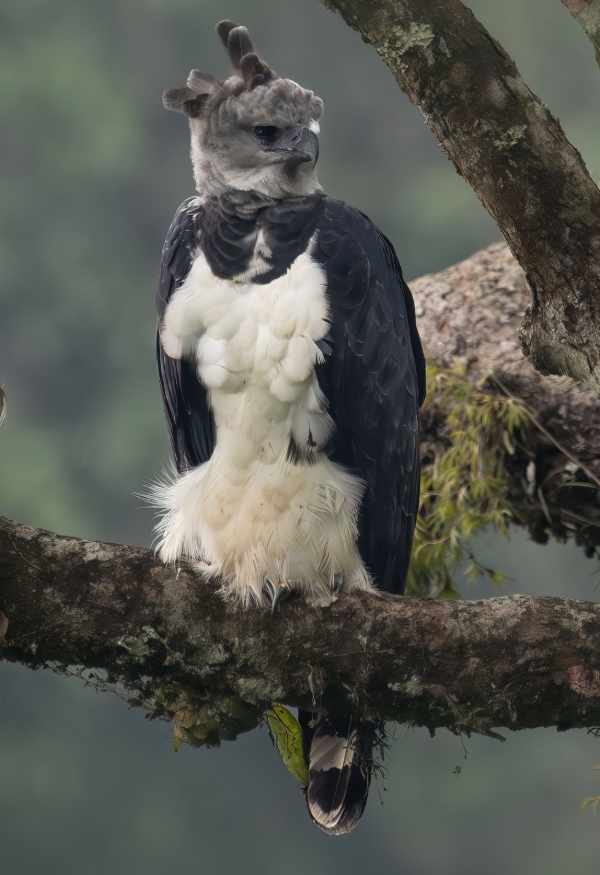
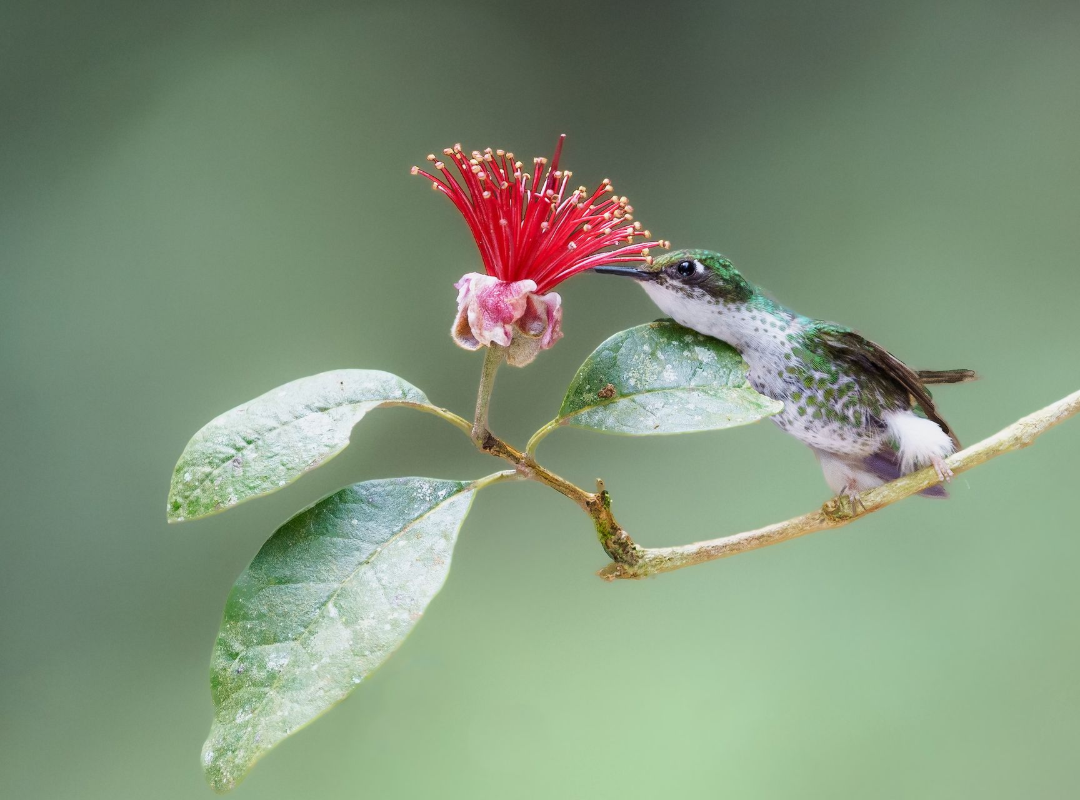
And if you're already dreaming about jaguars and wondering whether Colombia's Harpy Eagles, Spectacled Bears, and hummingbirds belong on the same trip, you're not the first photographer to ask that question.
Scheduled Tours
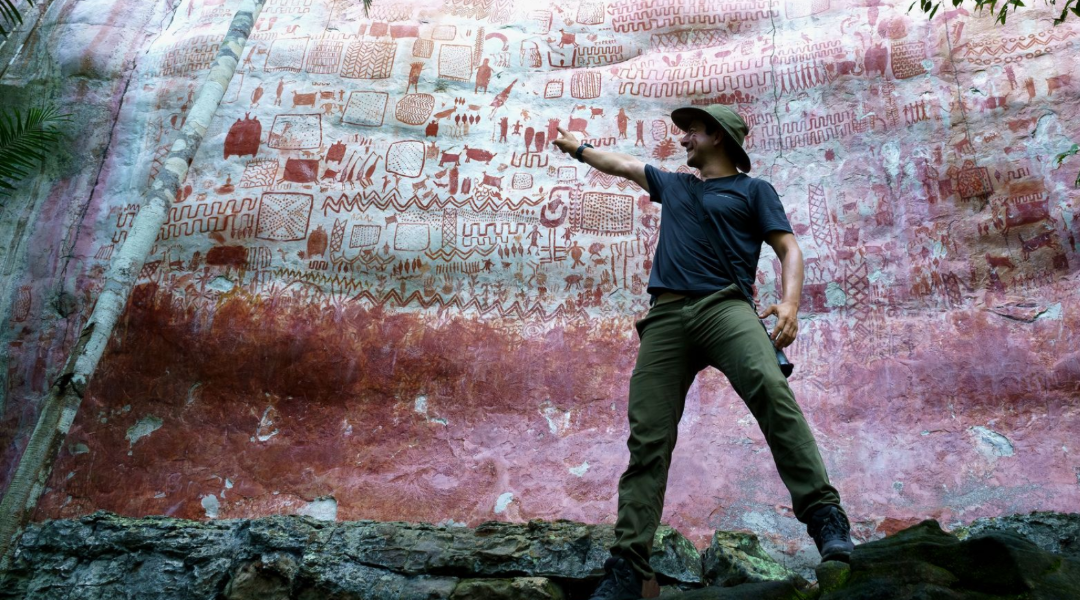
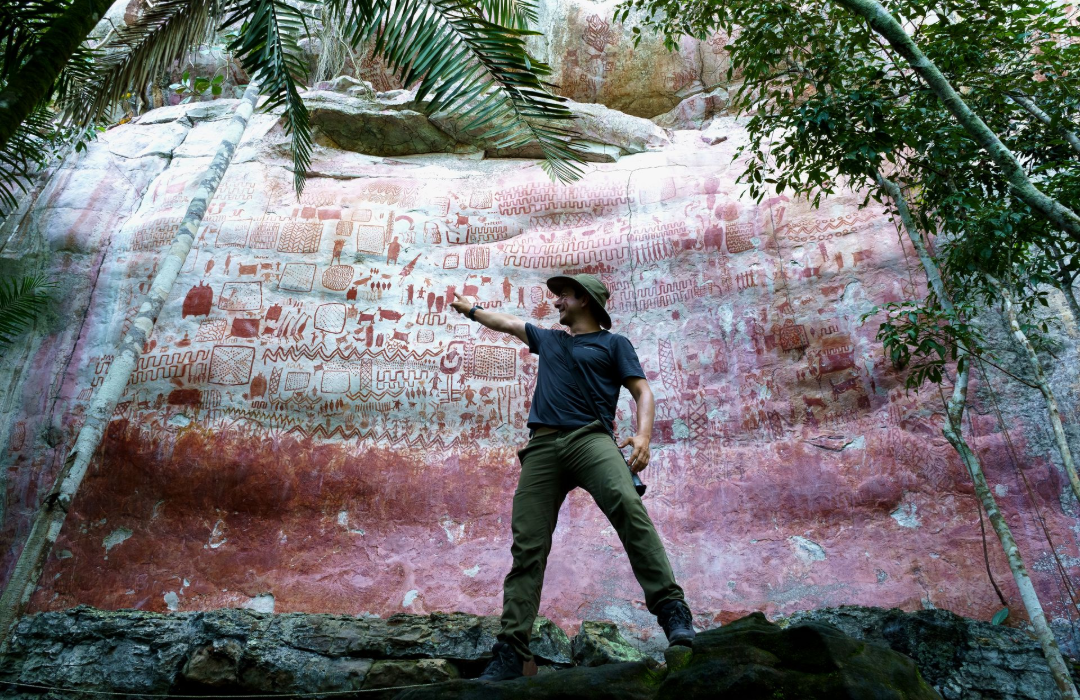
Western Amazon: Gateway to Chiribiquete.
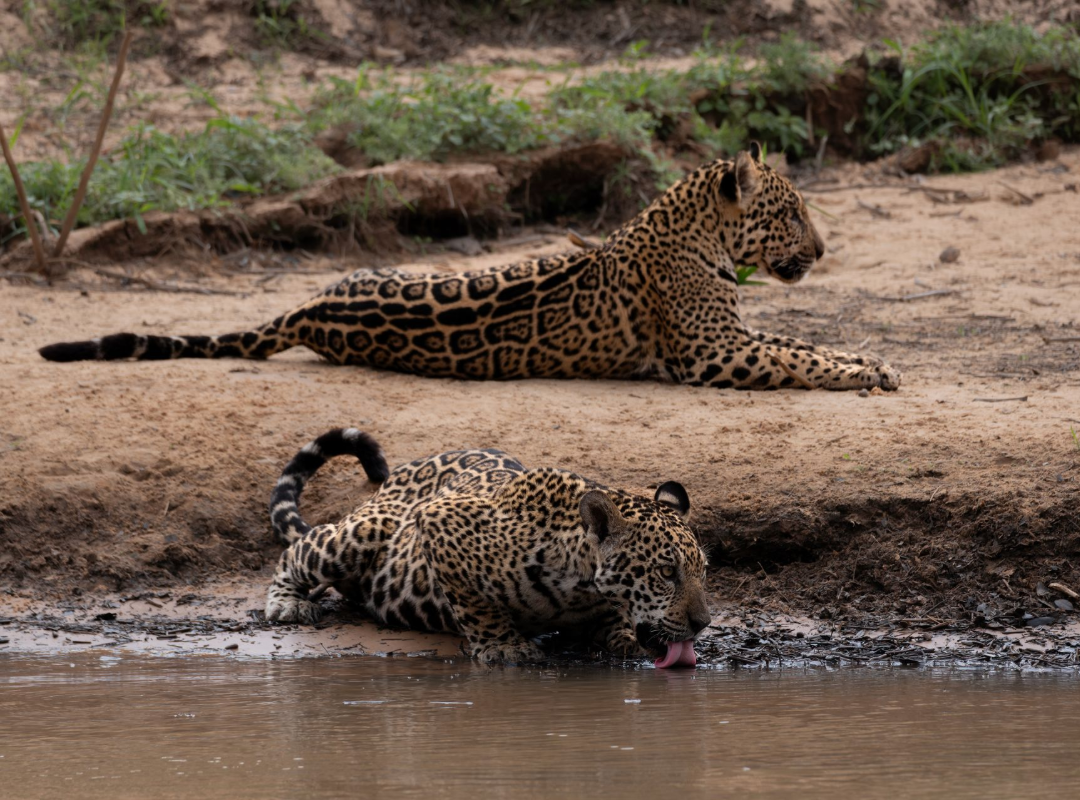
Jaguars of Pantanal
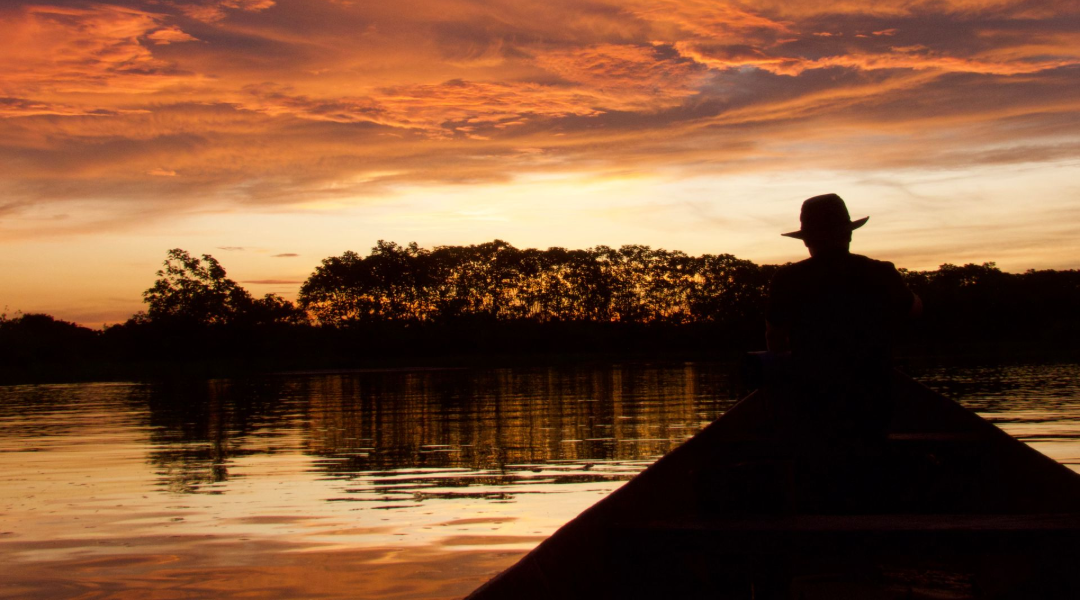
Amazon's Guiana Frontier - Mitu.
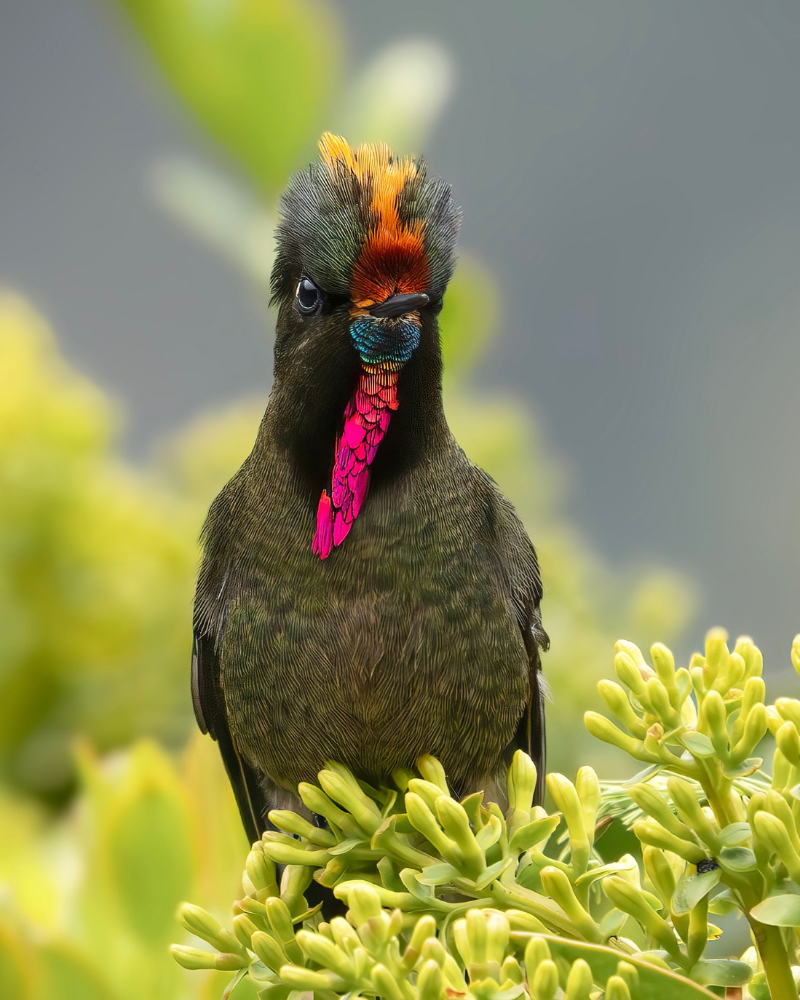
Emblematic Birds Photo Tour