
Wildlife Travel for Photographers Who Want More
How to Plan a Wildlife Photography Trip in Colombia
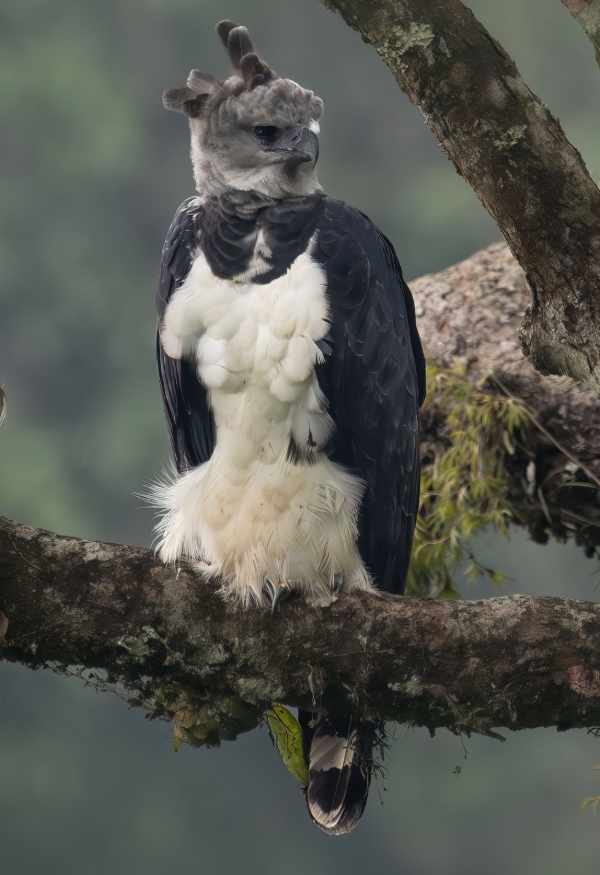
A Harpy Eagle appearing above an Amazonian trail. A jaguar stepping from the grass at first light. A hummingbird holding perfectly still for a fraction of a second before it's gone. These are the moments that stay with photographers for life — but they rarely come from simply showing up in a biodiverse country with a long lens. They come from being in the right habitat, at the right hour, with enough time, local knowledge, and patience to let a real encounter unfold.
The short version: the best wildlife photography trips aren't a checklist of famous animals. They're a carefully built field experience that protects your shooting time while respecting the species, landscapes, and communities that make the encounter possible in the first place.
Wildlife Travel Is About Access, Not Just Distance
A destination can look close on a map and still be hard to photograph well. A productive forest trail might require a pre-dawn departure, a 4x4 transfer, a river crossing, or coordination with a rural community that's spent generations watching that exact patch of forest. In the Andes, elevation can shift dramatically within a single day — cool cloud forest to warm foothills, with an entirely different bird list at each stop. Elsewhere in South America, somewhere like the Pantanal shows the same principle from another angle: seasonal water levels dictate the roads, the boat access, everywhere mammals concentrate.
That's exactly why local planning matters as much as photographic skill. A strong itinerary is built around habitat, seasonality, daily light, target-species behavior, and realistic transfer times — with room for the fact that a spectacular subject might appear for five minutes, or might take three quiet mornings in the same spot before it shows itself.
Yes, this is less spontaneous than independent travel. In exchange, you get something far more valuable: purposeful time in the field. Instead of losing half a day to uncertain directions, mismatched lodging, or last-minute transport changes, you're ready the moment conditions turn in your favor.
Choose a Trip Around Your Photographic Priorities
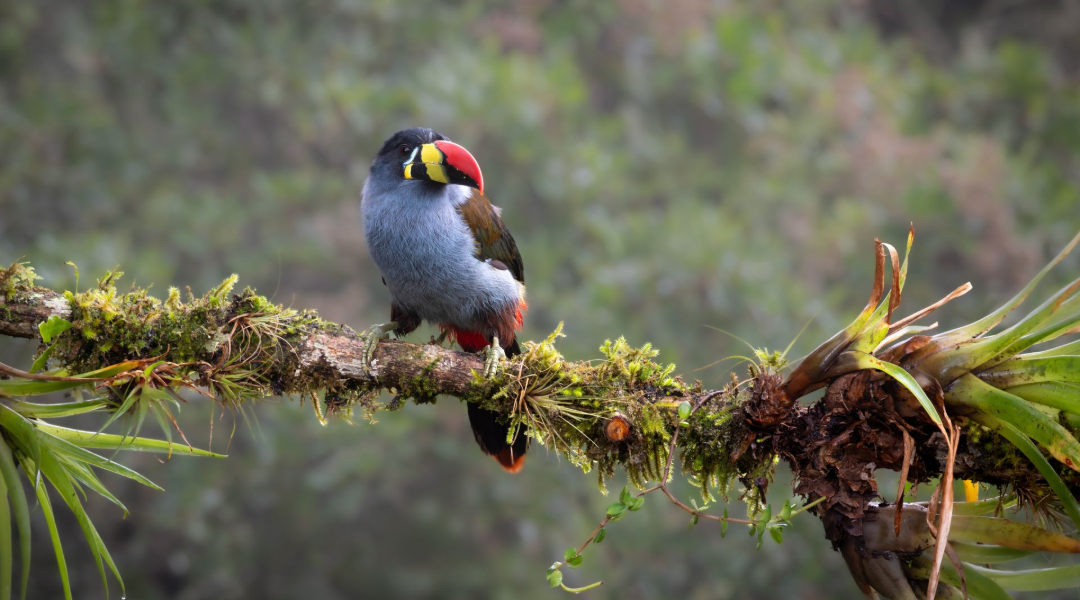
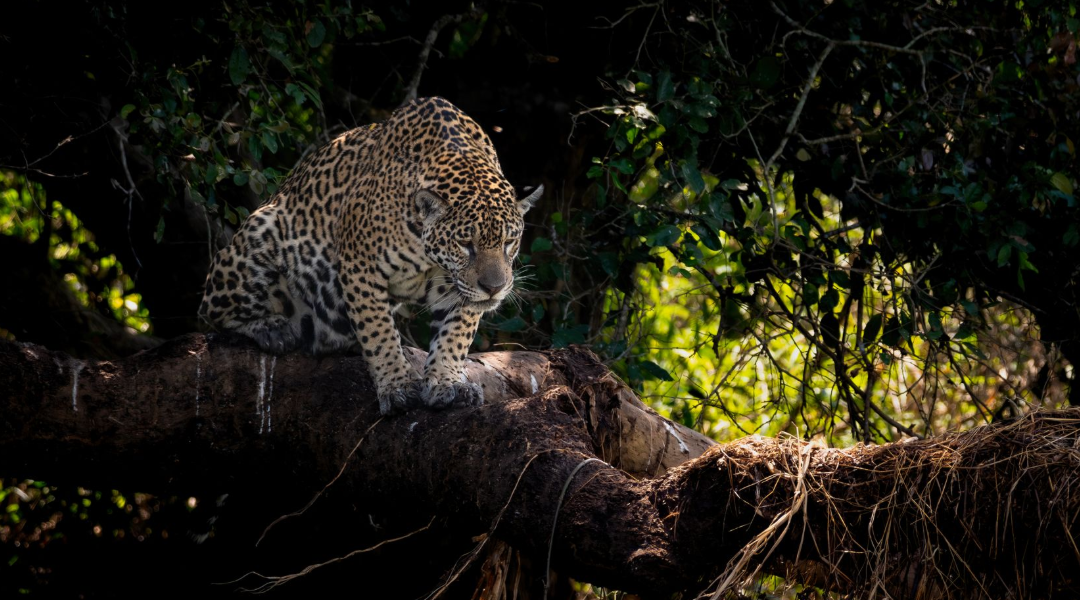
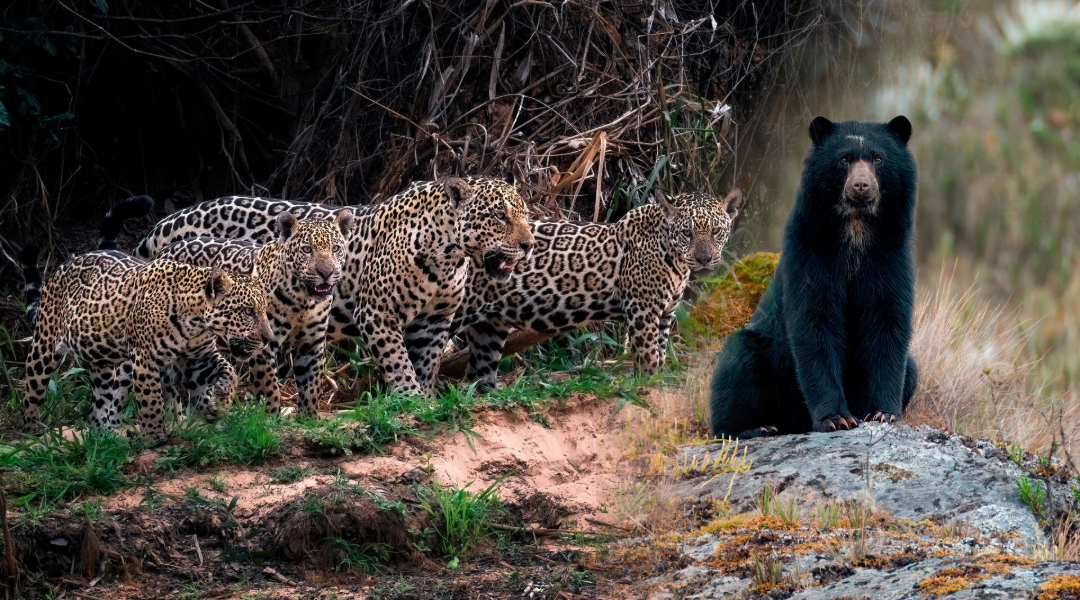
Not every wildlife expedition should be built the same way. A birder chasing Colombia's endemic species might prioritize elevation gradients, feeder setups, forest trails, and several short stays near specific reserves. A photographer focused on jaguars may accept long hours on a boat and concentrated time in a single wetland region. Someone building a broader Amazonian portfolio needs a flexible plan that leaves room for canopy birds, primates, reptiles, and nocturnal species in the same trip.
Before you commit to a destination, get precise about what you actually want to photograph, and how you like to work. Are you chasing one signature species, a family of related subjects, a specific ecosystem, or a wider story? Do you need clean backgrounds and eye-level perspectives, flight shots, behavior, or environmental context that shows the habitat around the animal?
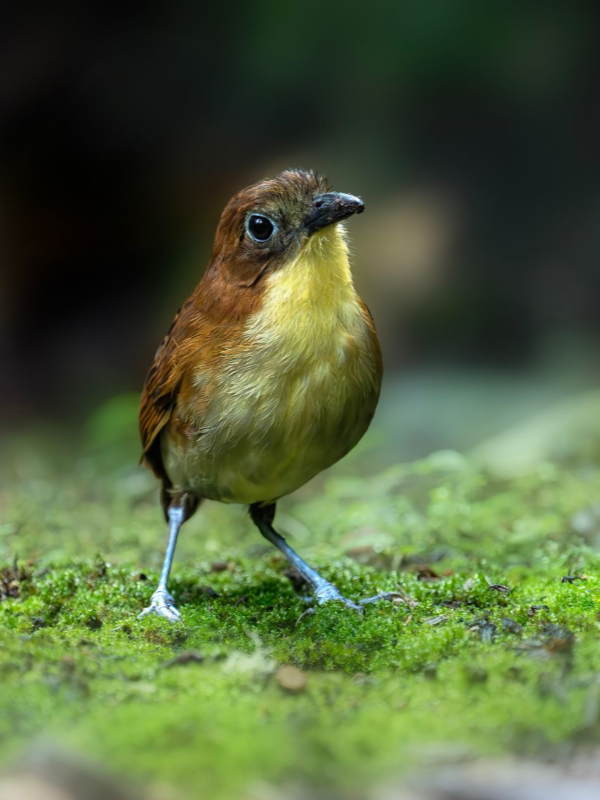
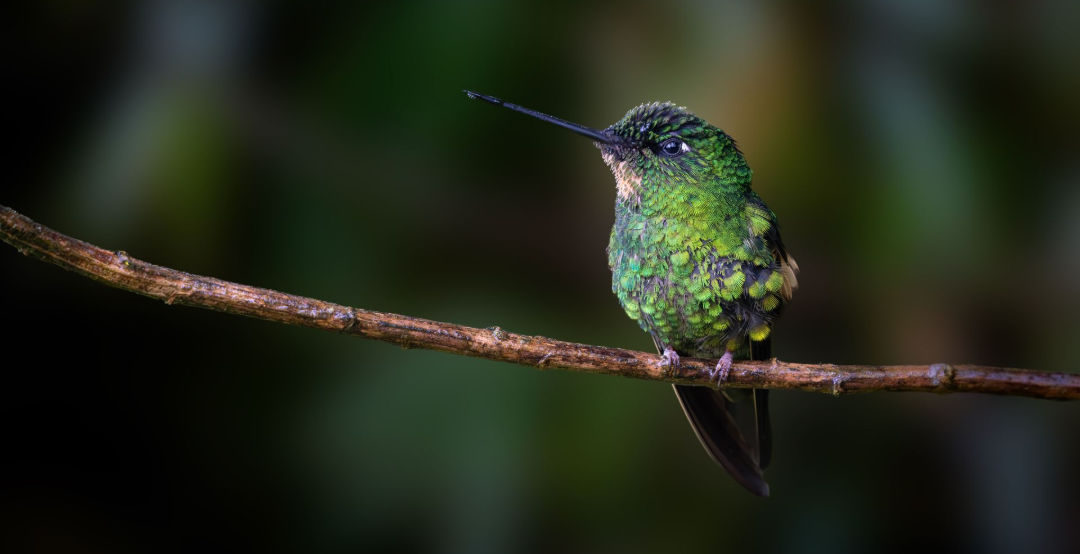
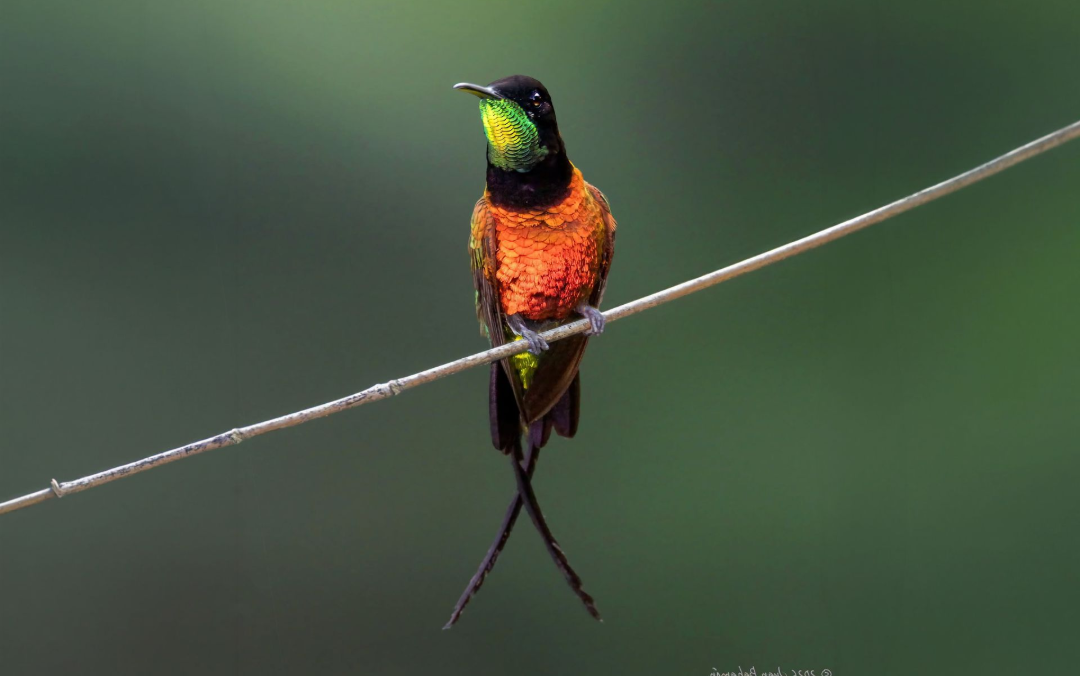
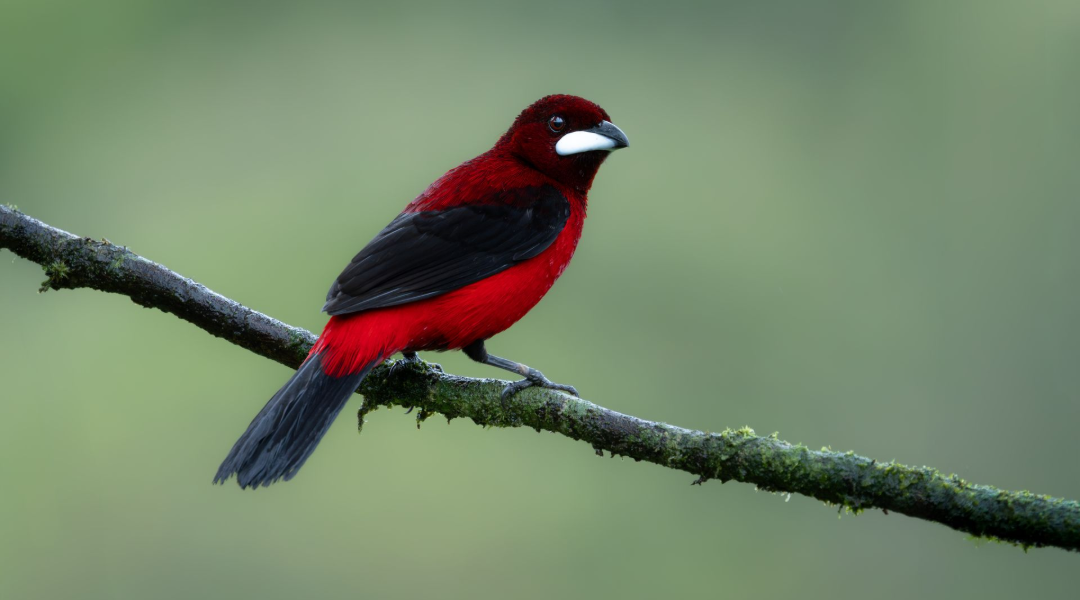
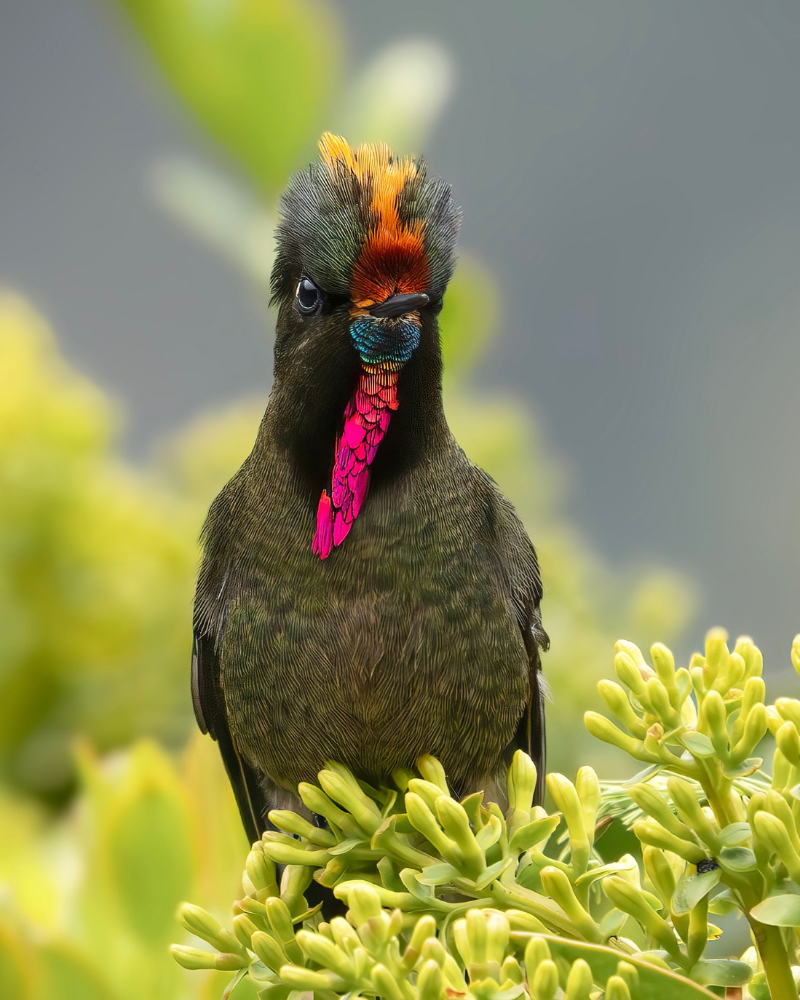
Those answers shape the entire trip. A close portrait of a tanager calls for a controlled feeder setup and patient observation. A giant anteater or Spectacled Bear usually demands wider habitat context and the ability to react fast when it appears. Both are genuinely rewarding — but they need different lenses, different pacing, and different expectations going in.
Group Departures or Private Itineraries?
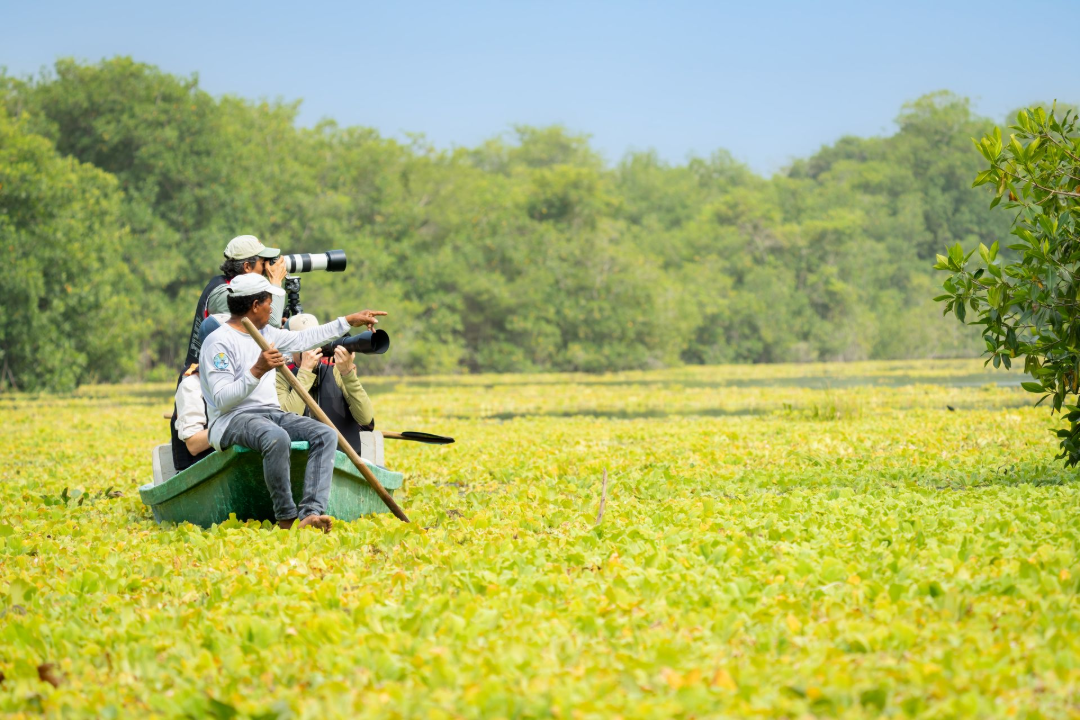
Small-group wildlife travel offers shared field knowledge, efficient logistics, and the simple pleasure of traveling with people who understand why standing still for twenty minutes for one bird actually matters. It also tends to make access to specialist guides and remote locations more practical. The trade-off: the route and pace are set in advance, and everyone works considerately around each other.
A private expedition is usually the better call when a species, a season, a comfort level, or a shooting style is non-negotiable. It buys you the freedom to spend an extra morning with a productive subject, adapt to weather on the fly, or build the entire route around a short, specific list of targets. It costs more, but for a focused portfolio goal, that flexibility is often what makes the difference between a good trip and the trip.
Field Time Is the Real Luxury
Premium wildlife travel isn't defined only by comfortable lodging or a remote-sounding destination — though both matter, especially after a wet day on the trail. The real luxury is a schedule built to create repeated photographic chances.
Wildlife doesn't perform on demand. Rain delays activity. Wind changes a bird's preferred perch. A cat disappears into cover just as the light turns perfect. The strongest trips make room for that reality instead of treating it as a failure — and returning to the same productive spot at a different hour of the day often produces stronger images than rushing on to add one more name to a list.
This is especially true in Colombia, where the sheer range of ecosystems can tempt travelers into covering too much ground. The country moves from high Andean páramo and cloud forest to Caribbean dry forest, Amazonian lowlands, the Pacific region, and the eastern plains — often within a few hours of each other. The better question isn't "How much can I see?" It's "Where can I work well enough to make images that actually matter?"
A well-paced itinerary also gives you room to shift technique through the day: colorful birds at a feeder in the morning, handheld flight work as activity picks up, a wider lens for habitat images once the forest light softens in the afternoon. This is where expert guidance earns its keep — anticipating behavior while protecting the integrity of the encounter itself.
Pack for Conditions, Not Just for Species
A 500mm or 600mm lens is often ideal for distant birds and elusive mammals, but it's only one piece of a useful field kit. Distance, weather, and light can all change in minutes out here. A second body with a shorter telephoto or mid-range zoom can save a rare opportunity when a subject suddenly appears closer than you planned for.
Bring reliable rain protection for cameras and lenses, plus a lightweight cover you can deploy without fumbling — humidity, dust, river spray, and sudden showers are standard, not exceptional, across most tropical expeditions. Dry bags, microfiber cloths, spare batteries, enough memory cards, and a headlamp aren't optional extras; treat them as part of the core kit.
Clothing deserves the same attention. Neutral, breathable layers work across most habitats, but high-elevation Andean mornings can genuinely require warmth. Quick-drying pants, sturdy hiking footwear, a sun hat, insect protection, and a comfortable daypack all make long field sessions much easier. Don't assume a tropical destination means constant heat — in a country defined by elevation, conditions shift faster than most first-time visitors expect.
There's a real trade-off around tripod use, too. A tripod improves precision for perched birds, low-light scenes, and carefully composed behavior — but it can be cumbersome on a narrow trail or a crowded boat. A monopod, a beanbag, or simply going handheld may serve you better depending on the terrain. The right call depends on your subject and your own comfort, not a universal packing rule.
Ethical Wildlife Photography Produces Better Work
The strongest wildlife images communicate respect, and that starts with distance. A rare animal doesn't need to be stressed, blocked from feeding, or pushed from cover to get you a photograph. If a subject changes its behavior because of where you're standing, you're already too close, or too persistent.
Ethical field practice also means limiting playback, avoiding nest disturbance, staying on established routes where they're required, and listening to local guides who know a site's wildlife and cultural boundaries better than any guidebook. Flash use deserves real thought, especially around nocturnal animals, sensitive birds, and roosting sites. No photograph is worth compromising an animal's welfare for.
That responsibility doesn't end at the edge of the frame. Community-based nature tourism can create meaningful local income tied directly to intact habitat. When travelers choose operators with long-standing regional relationships, local guides, locally owned services, and genuinely conservation-minded practices, their presence helps make a standing forest more valuable than a cleared one.
At Retorno Photo Tours, that link between field access and stewardship isn't an add-on — it's the model. The goal was never just finding the subject. It's supporting the people and the protected landscapes that let it keep living there.
Let the Place Change Your Shot List
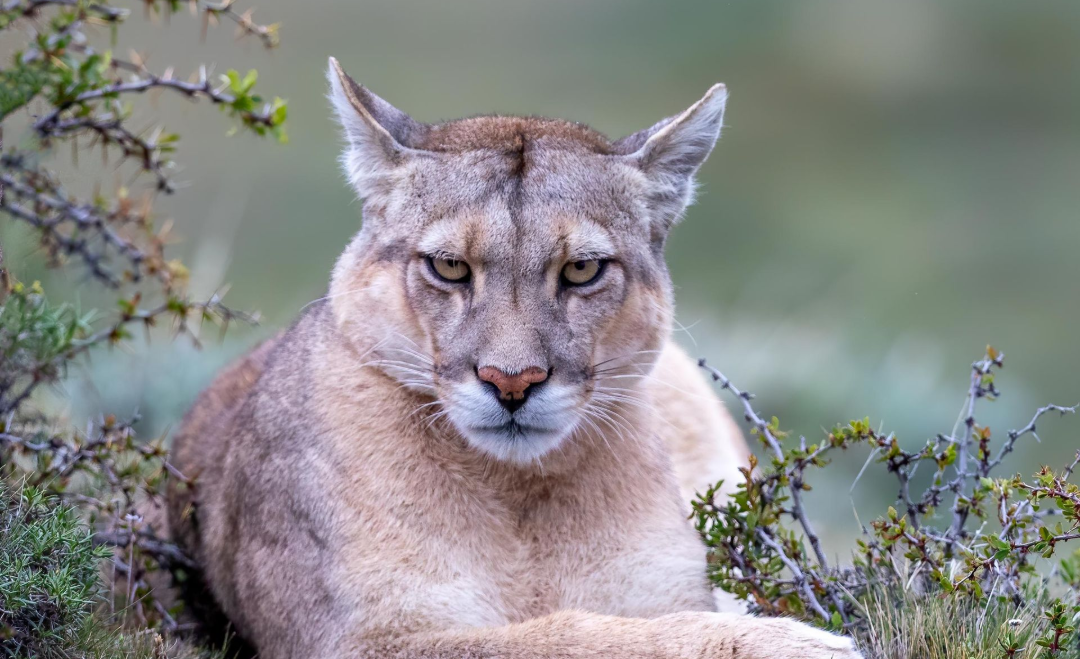
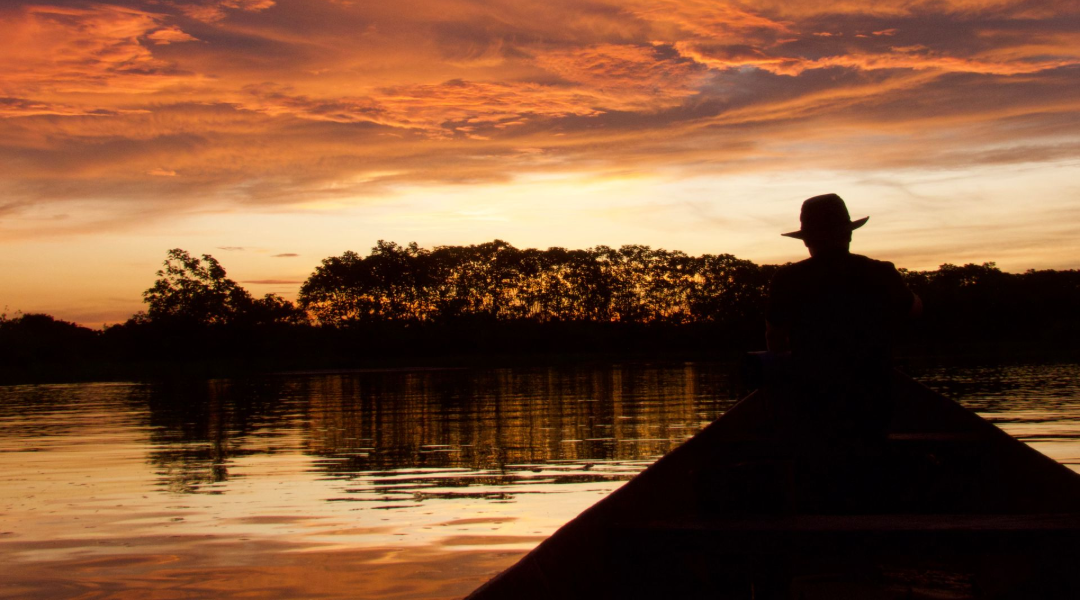
The most memorable wildlife trips often start with one clear goal and end with a much wider appreciation for everything the landscape offered. You might arrive chasing an iconic species and leave with your favorite frame being a tiny frog on moss, a distant bear moving through frailejones, or a portrait of your guide scanning the forest edge at first light.
Leave room for that. Build your preparation around the species you're hoping for, but keep a wider lens within reach, watch the weather, and stay alert in between the headline moments. The photograph that stays with you might be the one you never knew to plan for.
Frequently Asked Questions
Should I book a group tour or a private wildlife photography trip? Group tours are more cost-effective and offer shared field energy with fellow photographers, which works well for most itineraries. A private trip makes more sense when a specific species, comfort level, or shooting style is non-negotiable, since it lets the itinerary flex entirely around your priorities.
What's the best time of year for wildlife photography in Colombia? There's no single "best" season across all of Colombia's ecosystems — the right timing depends on the region and target species. In the Amazon, for example, higher water levels open up flooded-forest access, while lower water levels favor trails and terrestrial wildlife.
What camera gear do I actually need for a wildlife photography trip? A 500mm or 600mm lens is a strong foundation for distant subjects, but a second body with a shorter telephoto or mid-range zoom matters just as much for close or unexpected encounters. Reliable rain protection, spare batteries, and extra memory cards belong in every kit, regardless of destination.
Is wildlife photography travel in Colombia ethical and sustainable? It can be — but that depends entirely on the operator. Choosing an operator with long-standing local partnerships, community-employed guides, and clear field ethics (like distance limits and restricted playback) is what turns a photography trip into something that actually supports conservation rather than working against it.
Ready to Build Your Own Wildlife Photography Itinerary?
Every Retorno Photo Tours expedition is designed around field time, not sightseeing on a schedule — group or private, Amazon or Andes, one signature species or a full portfolio.
Scheduled Tours
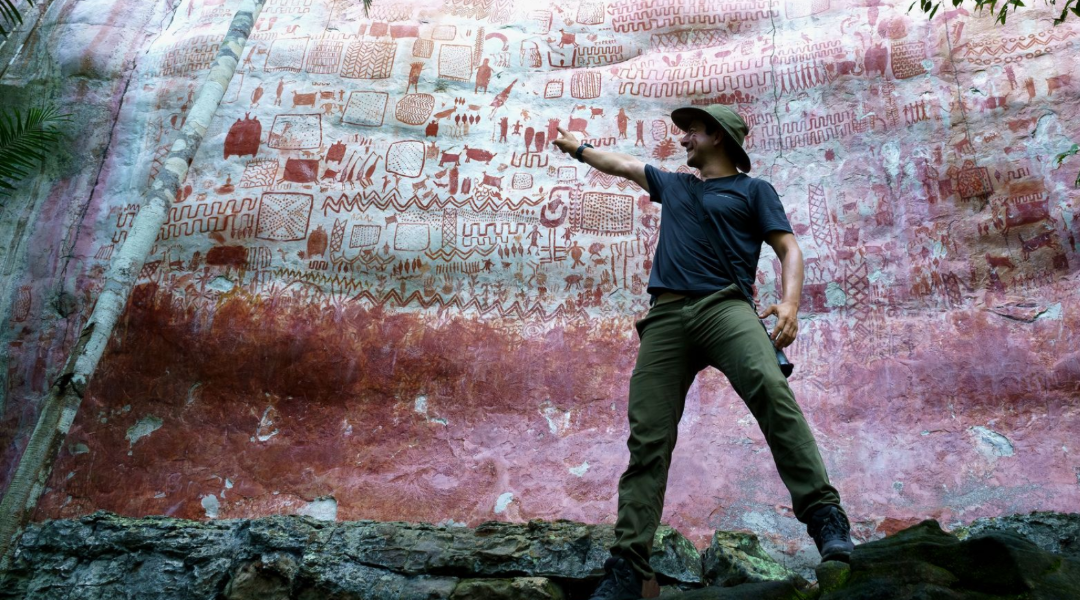
Western Amazon: Gateway to Chiribiquete.
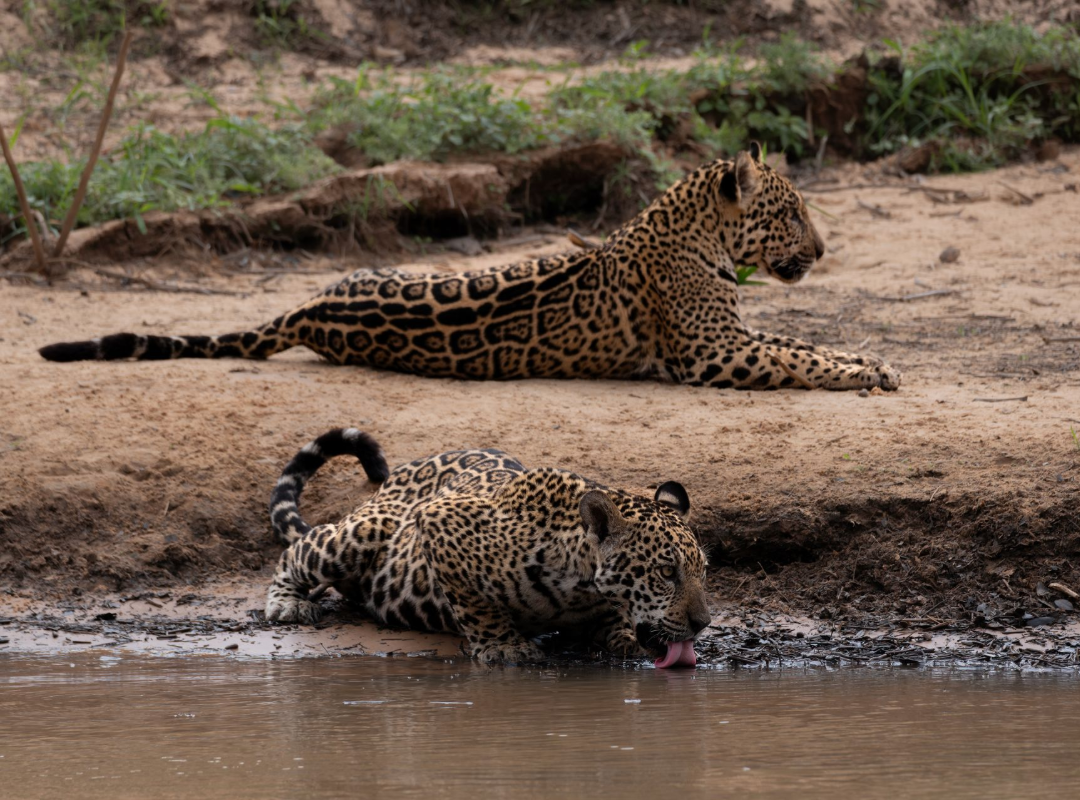
Jaguars of Pantanal
Amazon's Guiana Frontier - Mitu.
Emblematic Birds Photo Tour