
Chocó Endemic Bird Photography Tour | Retorno Photo Tours
Chocó Endemic Bird Photography: Chasing Color in Colombia's Wildest Rainforest
The first call often comes from the understory — a sharp, unfamiliar note under a canopy still dripping from the last shower. That's the Chocó. It's not a place for a casual stroll with a long lens, hoping something walks into frame. It's a slower, more deliberate kind of photography, set in one of the wettest and most biologically rich regions on Earth, where what ends up on your memory card depends on forest access, local knowledge, and how well you read the moment.
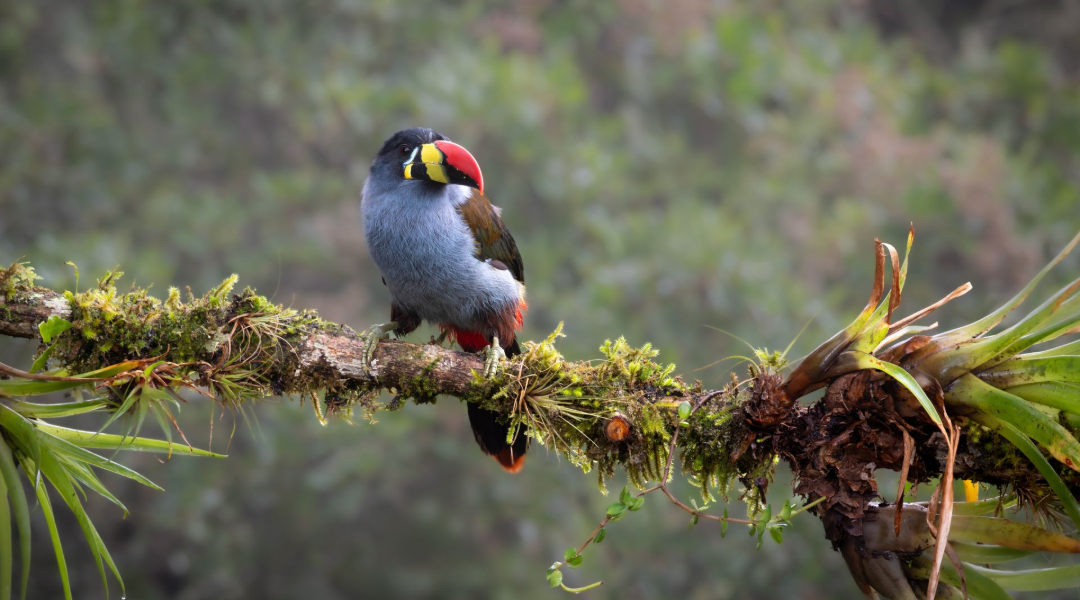
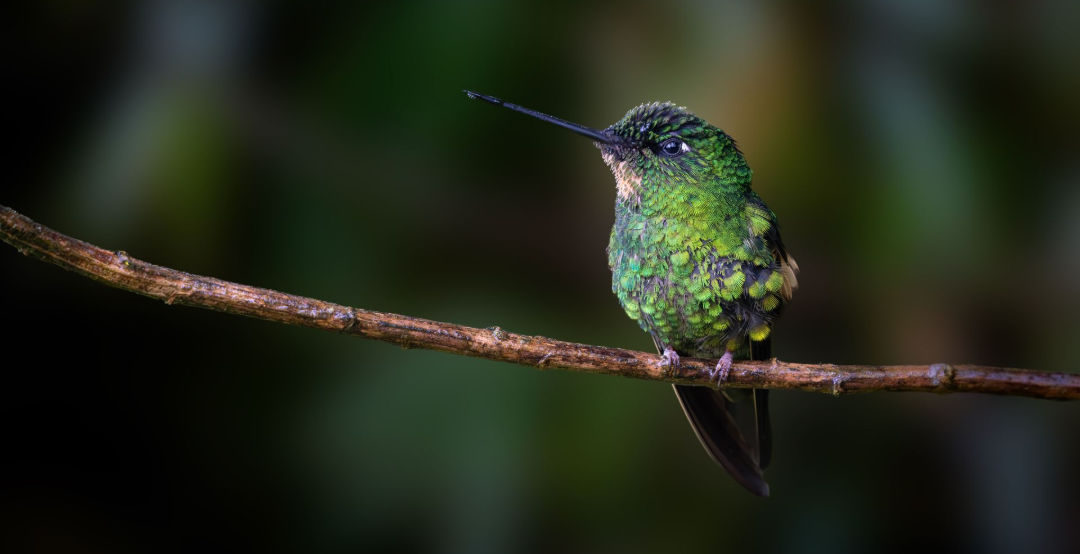
For photographers who take their bird work seriously, Colombia's Chocó bioregion is hard to beat. It holds a rare combination of regional endemics, Colombia-only species, and Pacific-slope specialties found almost nowhere else. On a good morning, that might mean an intimate frame of a Black-tipped Cotinga, a male Beautiful Jay slipping through the canopy, or the almost impossible colour of a Gold-ringed Tanager catching light in the Chocó-Andean foothills. These aren't roadside birds. They're shaped by dense forest and shifting light, and they reward photographers who show up prepared — and with a little humility.
What Sets Chocó Photography Apart
The Chocó bioregion runs along the Pacific side of northwestern South America, and in Colombia it spans an unusually wide range of habitats: humid lowland rainforest, river valleys, coastal forest, and cloud forest climbing into the western Andes. That variety is exactly what makes the photography so exciting — and it's also why broad claims about "Chocó birds" can be misleading.
A species might be endemic to the wider Chocó bioregion, restricted to Colombia alone, or simply more common on the Pacific slope. For a photographer, that distinction matters, because each bird comes with its own elevation, habitat, and seasonal rhythm. The best trips start with a clear list of target species and build the route around where those birds actually live — not the other way around.
Rain is the one constant you plan around, not against. It's what keeps the forest so alive, but it also softens trails, slows movement, and can shrink visibility fast. Photographers who know the region well don't treat a rainy morning as a lost day. A short break in a shower often triggers an active feeding flock, and the soft, overcast light that follows can be some of the best you'll get for saturated plumage and close forest portraits.
Pick Your Targets Before You Pick a Route
The strongest Chocó trips are subject-led. Chasing canopy color and mixed flocks calls for a different plan than one built around antpittas, tapaculos, and other shadowy understory specialists — and the lowlands can feel like an entirely different world from the Chocó-Andean slopes, even though they're part of the same region.
For many visitors, the headline species are the draw: the Black-tipped Cotinga in the Pacific lowlands, the Beautiful Jay working forest edges and canopy gaps, and — at higher elevation — the Gold-ringed Tanager, one of Colombia's most sought-after endemics, its colour almost too vivid against the moss and mist of the cloud forest.
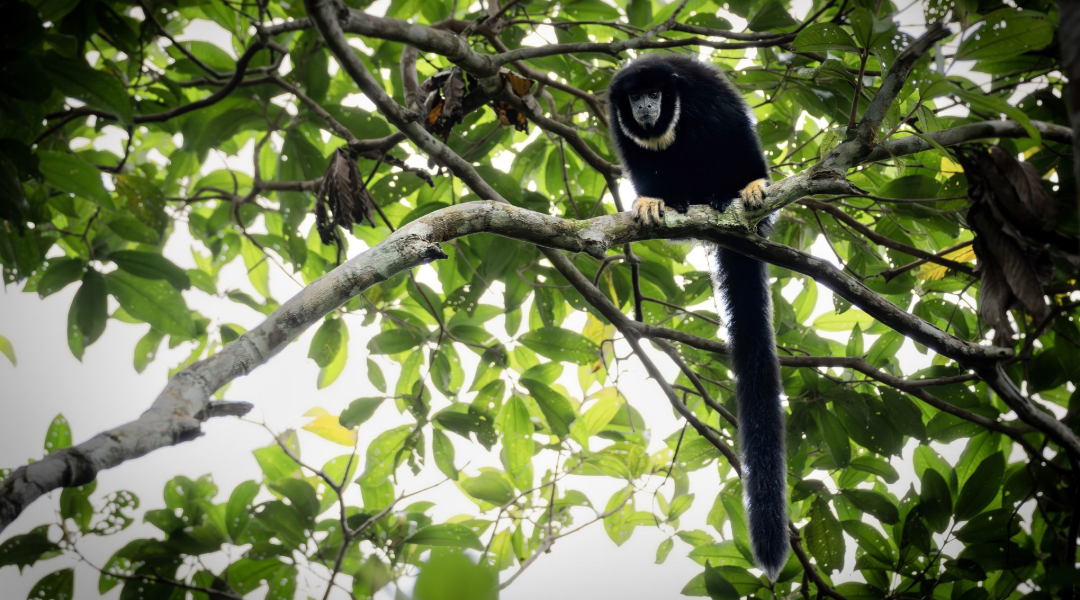
But leave room for surprises. A single mixed flock can bring tanagers, foliage-gleaners, woodpeckers, and flycatchers through one small gap in the canopy within minutes. A quiet wait beside a productive trail might turn up a wren, an antbird, or an antpitta at eye level. More often than not, it's not the rarest bird that stays with you — it's the one you didn't plan for.
Endemic Doesn't Mean Easy
A limited range doesn't make a bird easy to find, let alone photograph. Some species spend long stretches high in the canopy; others call from just a few meters away and never show themselves through the vines. A good local guide reads vocalizations, recent activity, trail conditions, and weather — but good guiding never means forcing an encounter.
Give the trip enough time. A single day can produce an exciting list, but real photographs tend to come from repeat visits to the same productive spots. The first encounter might be a record shot. The second is often the one where the bird lands on a clean perch, turns into the light, and gives you the frame you traveled for.
Working the Camera in a Dark, Wet Forest
A 400mm-plus lens earns its keep here, but reach alone won't solve the Chocó. Birds often appear close, fast, and half-hidden in dense vegetation, so a flexible setup — a 100–400mm or 200–600mm zoom, paired with a fast prime or a teleconverter strategy — tends to outperform one long, fixed lens.
Expect to shoot at higher ISO than you'd normally choose. The goal isn't a clean number on the screen; it's a sharp eye, a workable shutter speed, and enough detail to hold the fine feather texture and rich color of a tropical bird. For fast-moving small birds, set your shutter speed for the subject first, then let the ISO follow. Modern noise reduction can rescue grain. It can't rescue motion blur.
Autofocus technique matters as much as the gear. Use a small, responsive focus point when branches crowd the frame, and resist the urge to shoot through every obstruction — a small shift in position can turn a cluttered scene into a clean portrait. In tight vegetation, a monopod often beats a full tripod for mobility, though a tripod earns its place at fruiting trees, known perches, and longer waits.
Protecting your gear isn't an afterthought out here — it's part of the fieldcraft. Bring a rain cover you've actually practiced using, dry bags, microfiber cloths, and a system for keeping batteries and cards dry. Humidity doesn't let up, especially on multi-day trips, so let your gear air out properly at the lodge rather than sealing it damp into a case overnight.
Reading the Light Instead of Fighting It
Chocó forest light tends to be soft, green-filtered, and low in contrast — which can make it hard to separate a bird from its background, especially with darker-plumaged species. Look for natural openings, pale trunks, or a lighter patch of canopy behind the subject; small compositional choices like these create separation without disturbing the bird.
Overcast conditions are ideal for colourful tanagers, trogons, and cotingas, since they soften harsh highlights. When the sun does break through, be selective — a bright shaft of light can be dramatic, but it can also blow out contrast beyond what your camera can hold, particularly on white, yellow, or iridescent feathers.
And don't overlook behaviour. A bird carrying fruit, interacting with a mate, or pausing mid-call almost always tells a stronger story than a static portrait. The Chocó rewards photographers who stay present well after that first acceptable frame.
Travelling Ready for the Real Chocó
This is expedition territory, not a place for casual packing. Quick-drying long sleeves, real rain gear, trail-ready boots, insect protection, and a dry change of clothes make long field days far more bearable. Waterproof footwear helps, but fit and traction on wet roots and uneven ground matter just as much.
Logistics matter as much as gear here. Remote roads, river transport, shifting weather, and limited lodging can all shape the day, so working with an experienced local team — one that coordinates routes, meals, accommodations, and permits around peak photography time — makes the difference between fighting the Chocó and working with it.
At Retorno Photo Tours, we build these trips around small-group attention, specialist naturalist guidance, and long-standing relationships in the areas where we work. That local connection isn't just a convenience — it opens safer, more respectful access, while making sure photographic tourism directly supports the people who live alongside these forests.
Photograph With Care for the Forest
Chocó birds are extraordinary because their habitat still is too — and ethical photography protects both. Keep a respectful distance, stay clear of feeding areas and trails, and go easy on playback, especially around sensitive species, nesting birds, or any animal showing signs of stress. No photograph is worth changing a bird's behaviour.
Community-based tourism, done well, creates real value. Local drivers, guides, cooks, lodge staff, and landowners are what make photography in remote places possible at all. Choosing operators who respect Afro-descendant, Indigenous, and rural communities helps direct visitor income toward the exact landscapes that most need long-term protection.
Bring patience, weatherproof layers, and a clear wish list — but leave room for the forest to set its own pace. In the Chocó, the photograph you couldn't schedule is often the one that reminds you why wild places are worth the trip.
Ready to photograph the Chocó? Get in touch with Retorno Photo Tours at dcasas@retornophototours.com to start planning your endemic bird photography expedition.