
Colombian Amazon Wildlife Photography Field Guide
Colombian Amazon Wildlife Photography:
A Guide to Patience, Water, and Light
By David Casas.
The first sound that reaches you in the Colombian Amazon usually isn't a bird call. It's the forest's whole pulse at once — insects, distant primates, dripping leaves, a river pushing through dense green walls.
Colombian Amazon wildlife photography
is exhilarating for exactly this reason: the subjects are extraordinary, but the forest doesn't make anything easy. Light is scarce, rain arrives without apology, wildlife appears and disappears in seconds, and the most productive locations take real planning to reach.
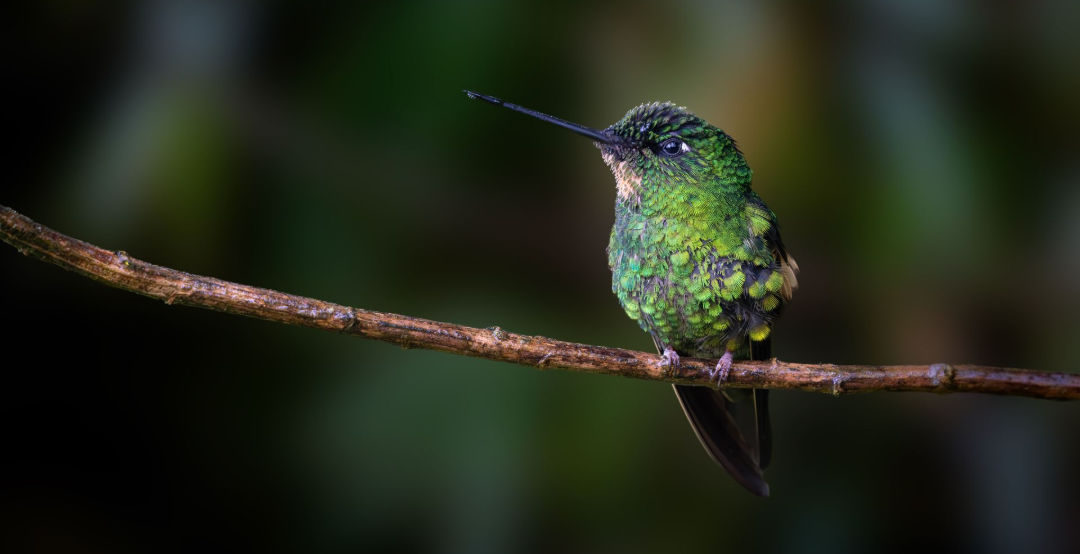
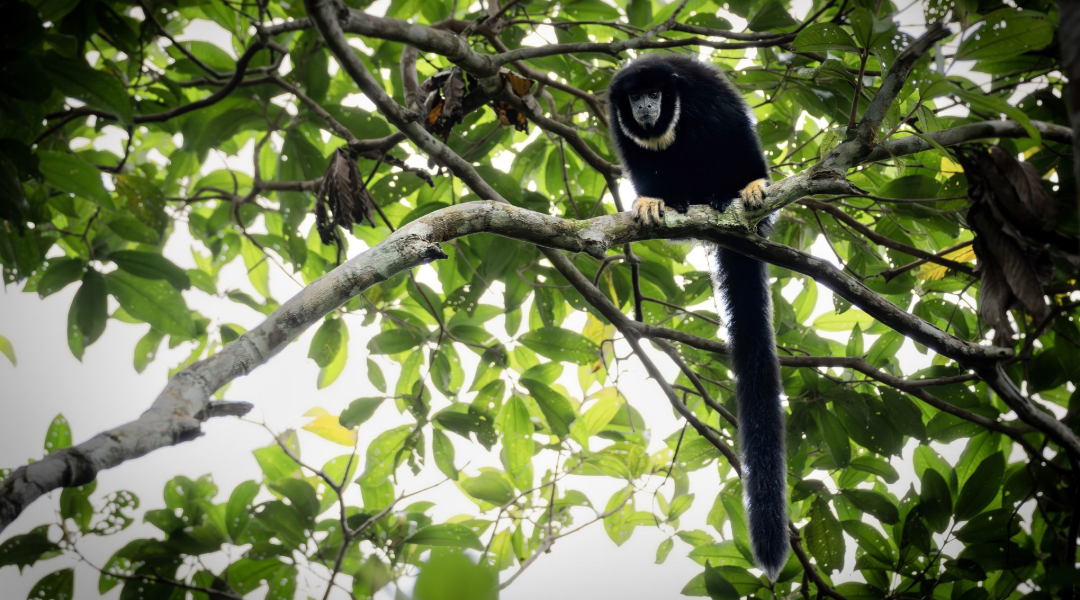
For photographers willing to work on the forest's terms, though, this is one of South America's most rewarding fields to work in. A single day can bring squirrel monkeys crossing overhead, Hoatzins feeding along a flooded shoreline, scarlet macaws passing at canopy level, and a caiman surfacing beside the boat at dusk. The goal was never a long species list. It's strong, honest images made while moving through a living forest with respect.
What Makes Colombian Amazon Photography Different
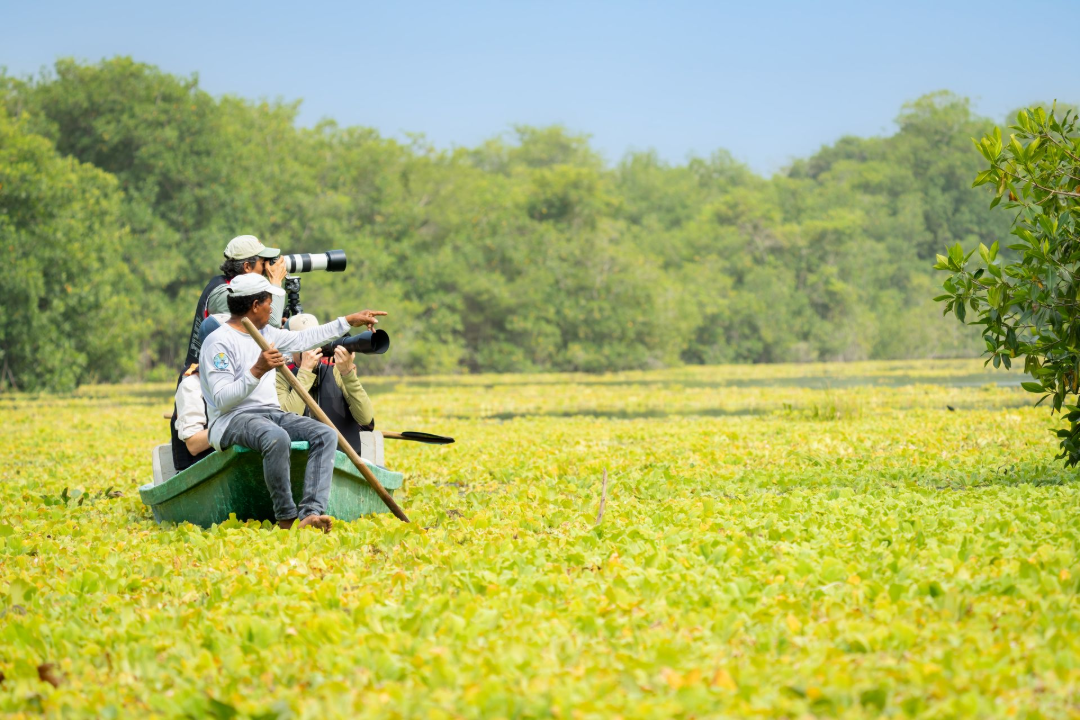
Colombia's Amazon is shaped by water — rivers, tributaries, oxbow lakes, flooded forest, seasonally inundated channels. Where the animals feed, travel, and become visible all comes down to where the water is that week. Most photographic days start before sunrise, by boat, when cooler air and soft light bring the forest's morning activity out into the open.
Open-landscape photography rewards spotting a subject from far away. The Amazon doesn't work that way. Encounters happen at close range, in tight visual spaces, and they don't wait around. Vegetation can swallow a bird seconds after it lands. A monkey troop can move through the upper canopy faster than you can reframe. A riverbank encounter might give you time for three frames, not thirty. Anticipation matters more here than reaction speed — knowing where an animal is likely to appear beats trying to chase it once it does.
It also rewards photographers who look past the standard portrait. A kingfisher framed in river reflections, a monkey troop backlit through foliage, a Hoatzin tangled in wetland vegetation — these tell a fuller story than an isolated animal against a blank background. The Amazon isn't just a place to photograph wildlife. It's a place to show how wildlife, water, forest, and people actually relate to each other.
The Subjects Worth Waiting For
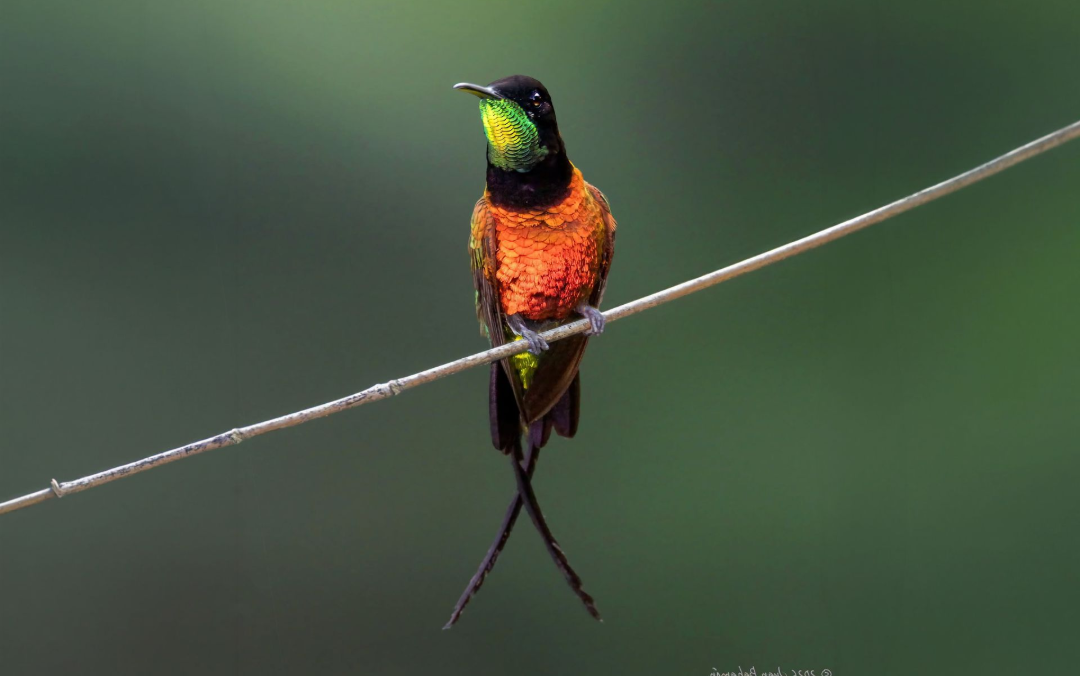
The variety here is hard to overstate, from charismatic mammals to highly specialized birds and amphibians.
Primates — squirrel monkeys, tamarins, red howlers, woolly monkeys, depending on region and habitat — move fast and unpredictably. A guide who knows the feeding trees, travel routes, and vocalizations of the troop nearby makes the difference between a missed opportunity and a real sequence.
Along the rivers and flooded forest edges, look for Hoatzins, herons, kingfishers, Black-collared Hawks, tanagers, oropendolas, and macaws. Amazon river dolphins can be a genuine highlight when conditions are calm, though photographing them well takes patience and realistic expectations — their surfacing is brief and rarely predictable.
After dark, the forest changes character entirely. Tree frogs, insects, geckos, spiders, and caimans reveal a world that stays hidden all day. Macro photography can be excellent on a night walk, but it has to be done carefully — a responsible guide positions lights and controls the group without handling animals just to force a more dramatic pose.
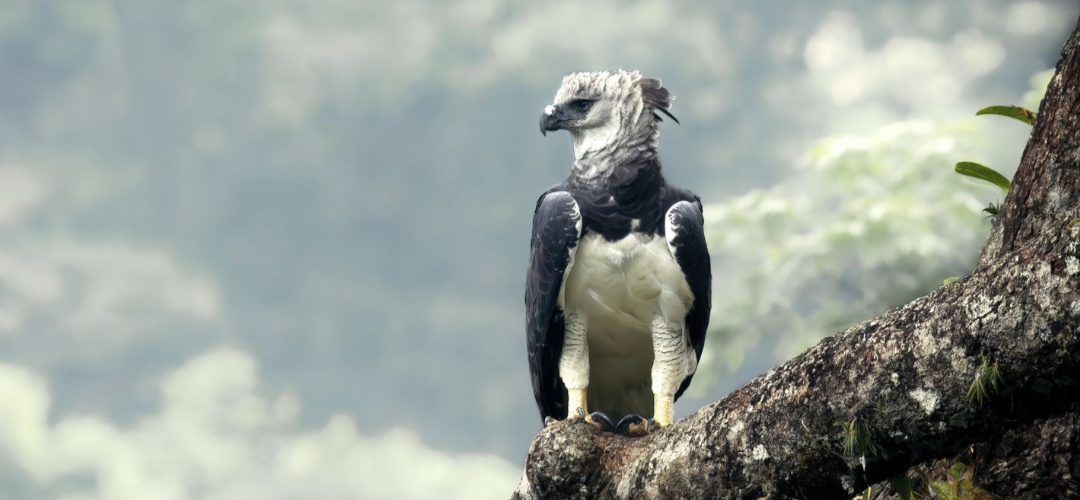
And yes — Harpy Eagles are possible in select areas of the Colombian Amazon, but they're never guaranteed, and no serious photographer should expect otherwise. Rare subjects are earned through field time, local knowledge, the right conditions, and a share of luck. A well-designed itinerary builds in enough productive habitat and enough time to let the forest offer what it's going to offer.
When to Photograph the Colombian Amazon
There's no single "best" season, because water levels — not the calendar — shape the experience.
During higher-water periods, boats can push into flooded forest and reach channels that are otherwise inaccessible, putting you at eye level with birds in riverside vegetation and opening up reflections beneath the canopy that simply aren't there the rest of the year. During lower-water periods, more trails, exposed banks, and forest-floor habitat open up instead — better for terrestrial wildlife, certain birding routes, and longer walks, though some water-based access disappears and the heat can feel sharper in open areas.
Rain is part of the deal year-round. It can shut down activity for a stretch, but it also produces rich colour, clean foliage, atmospheric backgrounds, and amphibians that only get active once things are wet. Pack patience and real rain protection rather than hoping for dry conditions — the strongest expeditions stay flexible day to day, shifting between boats, trails, hides, and night walks as weather and wildlife activity shift with them.
Light, Weather, and Camera Settings
Amazon light will test even experienced photographers. Bright mornings turn into dim green interiors under canopy, and then a bird flies straight into a sunlit gap and blows out your highlights if you're not ready. Keep your settings quick to adjust, and prioritize shutter speed for anything moving — 1/1600s or faster is a sensible baseline for active birds and primates, with ISO rising as needed to hold it.
Modern camera bodies handle high ISO far better than most photographers give them credit for. A sharp frame with visible noise beats a blurred one at a "cleaner" setting every time. Use continuous autofocus and subject detection where your camera supports it, but don't lean on automation alone — branches, leaves, and shifting light will confuse even strong systems.
For static subjects in low light, slow down and build a clean composition instead of fighting the conditions. A monopod earns its keep on boats and trails where a tripod isn't practical, while a tripod is still the right call for macro work, low-light scenes, and patient waits near lodges or clearings. On a moving boat, image stabilization helps, but it's no substitute for a stable seat, good posture, and timing your shutter between swells.
Equipment That Earns Its Place in the Forest
A 400mm lens or longer is the foundation for most Amazon wildlife work — canopy birds, distant primates, wary riverbank subjects all benefit from the reach. A 100–400mm or 200–600mm zoom adds flexibility for wildlife that shows up closer than expected, while prime lenses deliver real quality advantages in low light at the cost of a narrower field of view on boats and in dense vegetation.
A second camera body is more than a nice-to-have on a remote trip — it cuts down on lens changes in high humidity and lets you keep a telephoto ready while carrying a wider zoom for habitat shots or close encounters. If macro is on your list, bring a dedicated macro lens and a diffused flash; it opens up a completely different portfolio once the sun goes down.
Protecting your gear here is non-negotiable. Bring a rain cover you've actually practiced fitting quickly, waterproof dry bags for boat transfers, microfiber cloths, and silica gel for overnight storage. Humidity in the Amazon is constant, not occasional — store cameras in a dry cabinet when one's available, and let lenses acclimate gradually when you move between air-conditioned rooms and the heat outside. Pack fewer accessories than you think you'll need, but don't skimp on batteries, memory cards, or a backup plan — charging windows can be limited, and there's no corner store for a forgotten cable out here.
Ethical Encounters Make Better Images
The strongest wildlife photographs come from natural behavior, full stop. That means keeping appropriate distance, skipping playback when it stresses or alters an animal's behavior, and never asking a guide to manipulate a scene for you. Feeding wildlife for a shot, clearing vegetation around a subject, or handling a frog or reptile for a "better" pose might get you a quick image — but it damages the exact things that make the Amazon worth photographing in the first place.
Boat drivers and local guides are central to doing this right. They know when an approach is too close, where wildlife regularly feeds, and how to position a boat without disturbing a nesting bird or a resting caiman. Working with them also makes you a quieter, more efficient photographer — a respectful group gets more chances at genuine behaviour, precisely because it isn't constantly forcing the moment.
This matters even more in the Colombian Amazon, where Indigenous, rural, and river communities hold deep, long-standing relationships with this forest. Choosing local services, following community guidance, and extending the same respect to cultural spaces that you give to wildlife isn't a separate ethical checkbox — it's what keeps the habitats, the access, and the encounters themselves possible for the next photographer who comes after you.
Why Local Coordination Changes the Expedition
Independent travel can work for experienced visitors with plenty of time, Spanish fluency, and a high tolerance for logistics that change on the fly. But photographers travelling with expensive gear and a limited number of field days generally get far more out of coordinated transport, trusted boat operators, proven routes, safe lodging, and guides who understand both species behaviour and what a photographer actually needs from a moment.
At Retorno Photo Tours, our Amazon expeditions are built around field time, not sightseeing on a schedule. Small groups give photographers room to actually work a scene, and our local partnerships let us adapt in real time to river levels, weather, and wherever the wildlife is that day. Just as important, you're travelling with people who understand that waiting quietly for a subject isn't wasted time — it's usually exactly when the image happens.
Ready for the Colombian Amazon?
Come prepared for wet boots, early alarms, and the occasional missed shot — then give the forest room to surprise you. The Colombian Amazon rewards photographers who bring technical skill and curiosity, but it saves its best moments for the ones patient enough to let a wild encounter unfold on its own terms.
Start planning your Colombian Amazon photography expedition → See our current Colombia wildlife photography itineraries →
Not sure what gear to bring or which season fits your goals?
Talk to our team
— we'll help you build an itinerary around your lenses, your timeline, and what you're hoping to come home with.