
Colombian Andes Bird Photography for Serious Shooters
We understand the Andes Range for bird photographers.
By David Casas.
A Barred Fruiteater can appear at eye level, flare its belly for a second, and vanish before a photographer has adjusted exposure. That is the exhilarating reality of Colombian Andes bird photography: exceptional subjects in fast-changing mountain conditions, where preparation creates opportunities but never replaces patience.
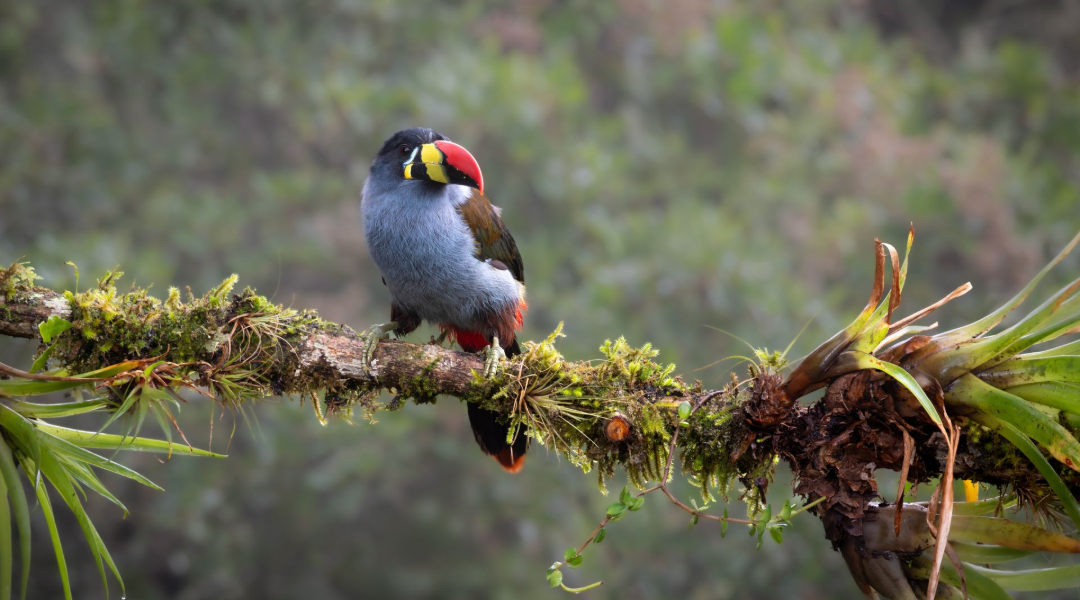
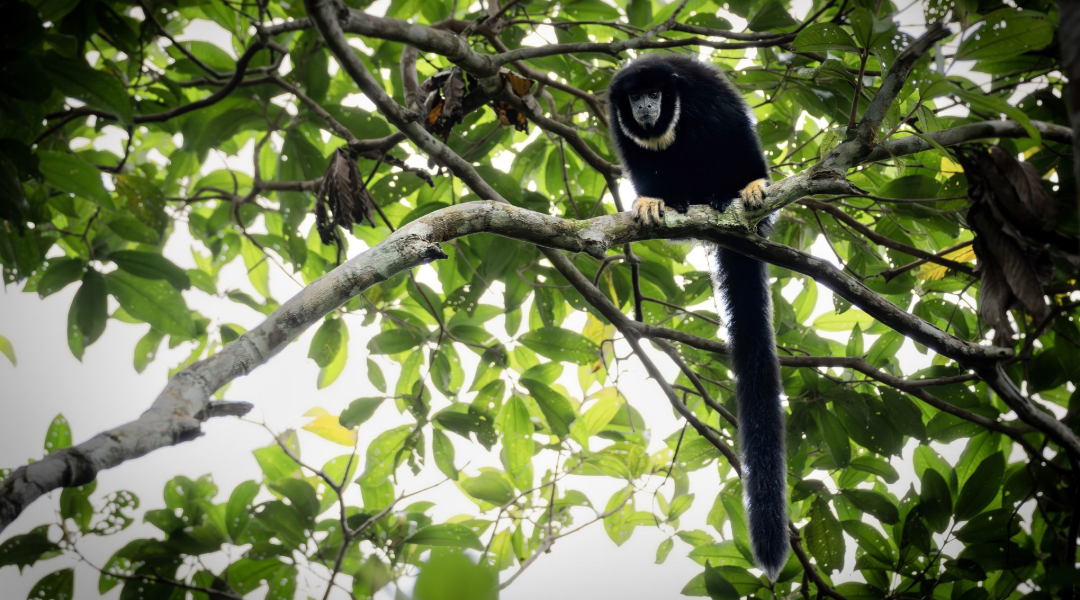
Colombia’s Andean ranges hold a remarkable concentration of endemic and near-endemic birds, from tanagers, toucanets, and antpittas to glittering hummingbirds and high-elevation specialties. For photographers who have already covered more familiar tropical destinations, these mountains offer something rare: a chance to build a portfolio around distinctive species while working in landscapes that can shift from cloud forest to páramo in a single day.
Why the Colombian Andes Reward Photographers
The Andes are not one uniform birding destination. Three mountain chains, deep river valleys, isolated ridges, and sharply different rainfall patterns have produced extraordinary local diversity. A species common on one slope may be absent only a few valleys away. That isolation is precisely why the region matters to serious photographers.
The appeal is not only the species list. Many Andean bird photography locations are designed around natural perches, flowering gardens, fruit stations, and carefully maintained viewing areas. When managed responsibly, these settings can offer clean backgrounds, manageable shooting distances, and enough time to refine a composition rather than simply record a sighting.
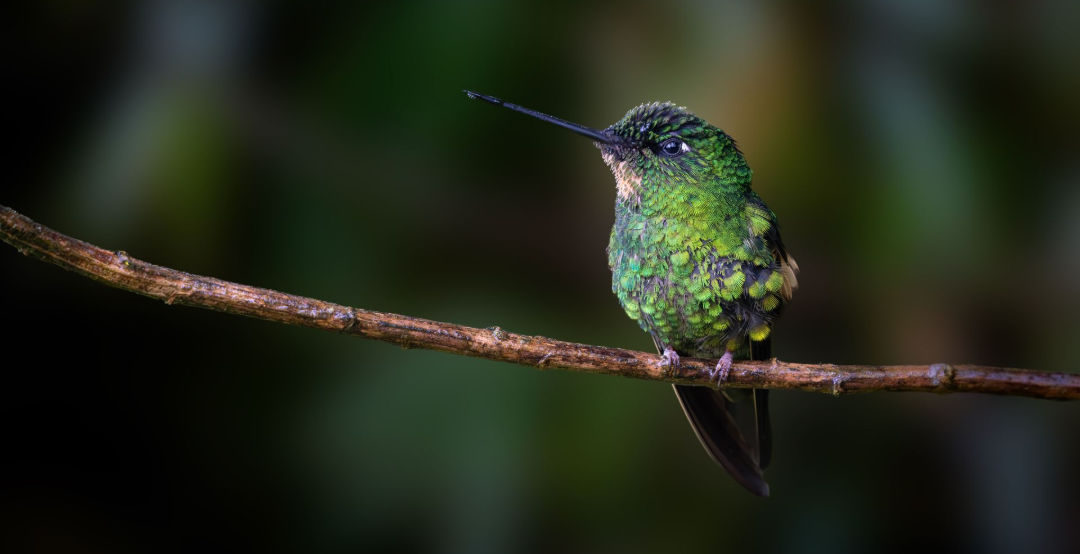
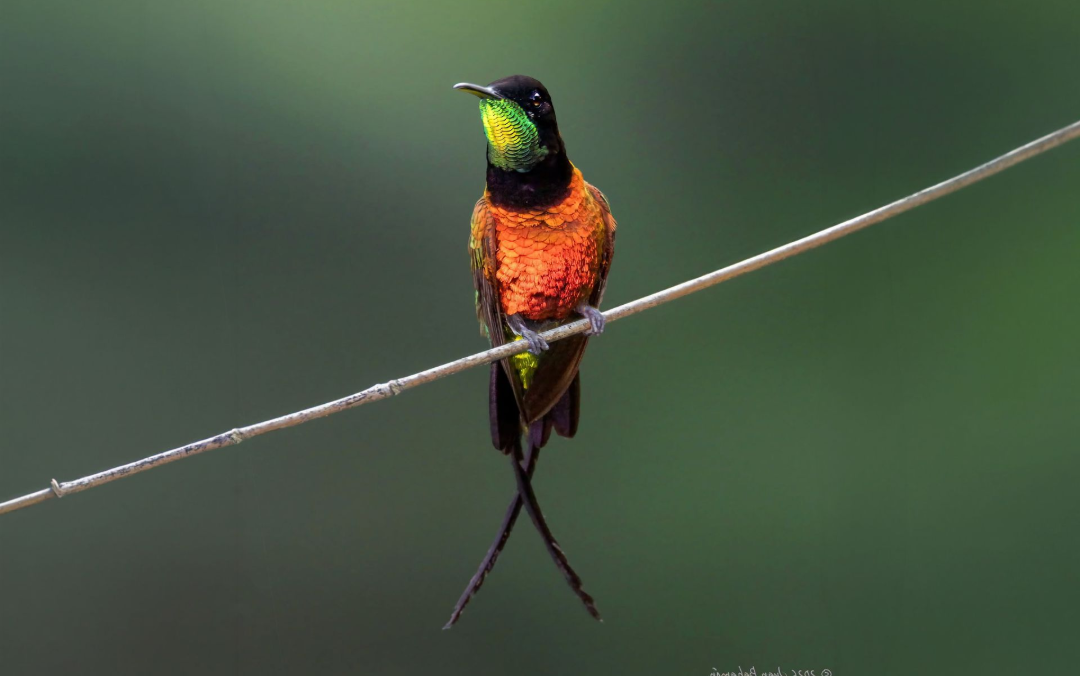
Hummingbirds are often the first draw. Colombia has more hummingbird species than any other country, and the Andes provide access to memorable targets such as Booted Racket-tail, Long-tailed Sylph, Velvet-purple Coronet, Sword-billed Hummingbird, and the remarkable Santa Marta Woodstar in its restricted northern range. Yet the mountains are equally rewarding for photographers interested in quieter subjects: soft-plumaged antpittas on mossy trails, colorful mountain-tanagers, Oilbirds emerging at dusk, and elusive tapaculos in dense understory.
The trade-off is that great biodiversity comes with complexity. Altitude, rain, fog, muddy trails, changing light, and long drives between elevations are part of the experience. A productive itinerary is built around those realities, not against them.
Build an Itinerary Around Elevation, Not Just a Wish List
A common mistake is trying to chase too many regions in too few days. Colombia is compact on a map, but mountain roads are slow, and a short distance can involve a major change in elevation. Moving from a warm inter-Andean valley to a cold cloud-forest lodge may take hours of winding travel.
A stronger approach is to choose a corridor and give each elevation band enough time. Lower foothills can deliver motmots, trogons, toucans, and dry-forest species. Mid-elevation cloud forest brings mixed flocks, tanagers, barbets, hummingbirds, and secretive understory birds. Higher elevations add specialties adapted to elfin forest and páramo, where the landscape itself becomes a powerful element in wide environmental images.
For a first dedicated Andes expedition, a route focused on one or two connected regions is usually more productive than an ambitious country-crossing schedule. This allows photographers to revisit successful sites when the weather improves, work a perch from different angles, and recover from early starts at altitude. It also leaves room for the unexpected, which is often where the best photographs happen.
Timing Is More Local Than National
There is no single perfect season for the entire Colombian Andes. Many areas are photographically productive year-round, but rainfall patterns vary by slope and region. A supposedly dry month can still bring afternoon rain in cloud forest, while a traditionally wetter period may produce lush vegetation, active flowers, and exceptional hummingbird activity.
Rather than selecting dates from a broad national weather chart, match the trip to your priority subjects and the specific region. Breeding behavior, seasonal flowering, fruiting trees, migratory birds, and road conditions all influence the photographic result. A locally informed plan is worth far more than a generic promise of good weather.
Gear That Works in Cloud Forest Conditions
Long lenses are essential, but the most useful setup depends on your preferred subjects and how you shoot. A 400mm, 500mm, or 600mm lens provides reach for canopy birds and natural-perch opportunities. A 100-400mm or 200-600mm zoom can be the more practical choice on trails, from vehicles, or when a large hummingbird suddenly lands close to the feeding area.
Bring a second body if possible. Keeping one body paired with a long lens and another with a shorter zoom reduces lens changes in damp conditions and helps you react to wider behavioral scenes. A fast portrait lens or macro-capable option can also earn its place for orchids, frogs, butterflies, and lodge details during midday lulls.
Rain protection is not optional. Use a fitted rain cover, dry bags, and microfiber cloths, and keep spare batteries warm and accessible. Condensation can be as disruptive as rainfall when moving between cool mountain air and warmer lower elevations. Give equipment time to acclimate before opening bags in a new temperature zone.
For support, a monopod is often valuable on paths and around feeder stations, while a tripod can be ideal for controlled perch photography and low-light work. Do not assume every location allows a tripod position without affecting other guests or the birds. The best support system is the one you can reposition quietly and safely.
Settings for Fast Birds and Difficult Light
Andean light has personality. Clear early mornings can turn abruptly to mist, and a forest canopy can be dark even at midday. Auto ISO is useful when paired with a minimum shutter speed appropriate to the subject. For perched songbirds, photographers may start around 1/500 second, then raise speed when behavior becomes active. Hummingbirds generally demand far more speed, particularly if the goal is to freeze wing motion.
At feeder stations, flash can produce polished hummingbird images, but it requires restraint and skilled handling. Light should be positioned to create a natural-looking result without crowding birds, blocking access, or turning a shared photography space into a complicated equipment maze. Ambient-light photographs can be equally compelling, especially when motion blur is used intentionally to suggest wingbeats.
Background discipline matters as much as technical exposure. Before the bird arrives, look for branches crossing behind the perch, bright feeder colors, reflective roofs, and distracting patches of sky. A small step sideways can turn a documentary frame into a clean, portfolio-quality image.
Field Craft: The Difference Between Seeing and Photographing
The strongest images rarely come from rushing between sightings. They come from recognizing behavior, settling into a position, and allowing the bird to resume its routine. At a fruiting tree, watch where tanagers prefer to land before feeding. Along a forest trail, study the direction an antpitta uses when approaching a clear patch of ground. Near a flowering shrub, identify the hummingbird’s favorite guard perch.
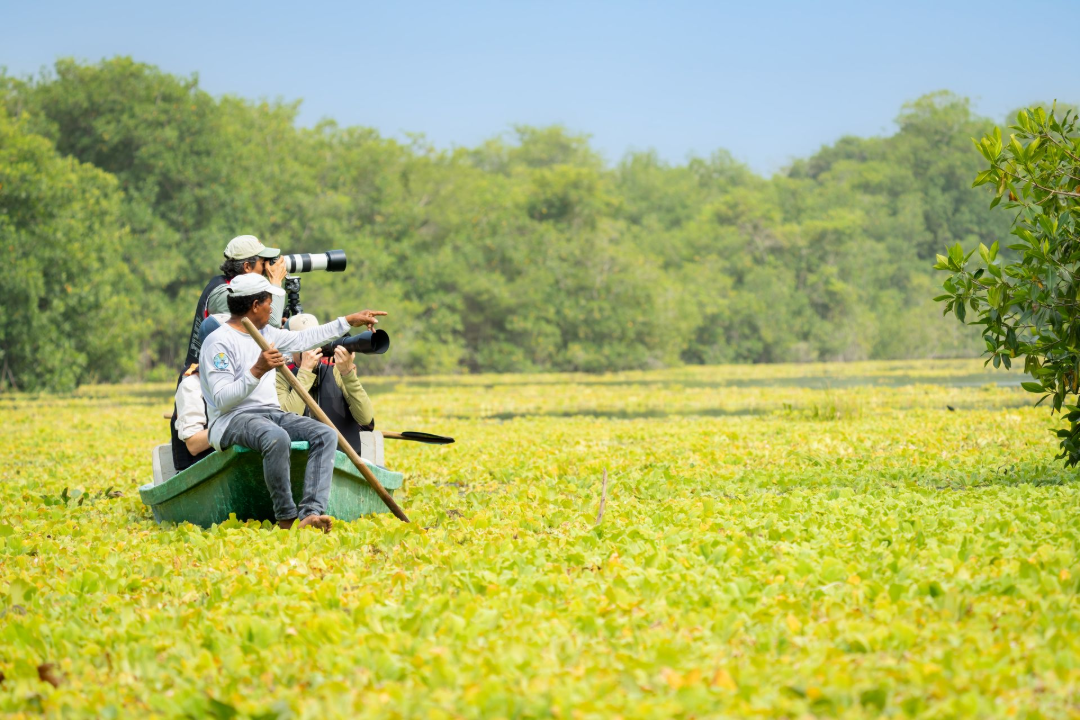
Quiet communication is essential in small groups. A guide may hear a target bird before anyone sees it, and a whispered direction or hand signal can protect the moment. Avoid playback unless it is used judiciously by knowledgeable local professionals for a legitimate survey or guiding purpose. Repeatedly calling birds toward photographers can interrupt feeding, territorial behavior, or nesting activity.
Ethical bird photography is not a limitation on creativity. It is what makes repeatable, respectful encounters possible. Keep a proper distance from nests, do not alter vegetation for a cleaner frame, and follow the rules of reserves and community-managed sites. The people who protect these habitats are often the reason such species remain accessible at all.
Comfort, Altitude, and the Reality of Mountain Travel
Andean photographic days often begin before sunrise, with a warm drink, a packed camera bag, and layers that can be removed quickly. Temperatures vary dramatically between high ridges and lower valleys. A lightweight waterproof shell, insulating midlayer, sun protection, sturdy waterproof boots, and a small daypack will serve most photographers better than an oversized wardrobe.
Altitude deserves respect. At higher sites, walk slowly, hydrate consistently, and give yourself time to adjust. A full first day at elevation should not be planned as a physical test. Photographic concentration suffers when fatigue, headaches, or dehydration take over.
Road travel is also part of the expedition. It can be scenic and fascinating, passing coffee farms, rural villages, and mountain viewpoints, but it must be scheduled realistically. Reliable local drivers, secure transport, and accommodations close to productive habitat protect the time that matters most: the first and last light of the day.
Photography That Supports the Places You Visit
The Colombian Andes are not simply a collection of target species. They are working landscapes shared by rural families, Indigenous communities, Afro-descendant communities in connected regions, reserve managers, and local guides whose knowledge is built over generations. Choosing community-connected lodges and responsible reserves keeps more value in the places where photography happens.
At Retorno Photo Tours, this principle shapes how we plan field time, coordinate local access, and select partners. A successful expedition should leave photographers with exceptional images, but also with a clearer sense of what those images represent: living habitats, skilled local stewardship, and conservation that benefits people as well as birds.
Bring the gear that lets you work confidently, arrive with a focused list of priorities, and leave space for a bird you never expected to meet. In the Colombian Andes, that unscripted encounter may become the photograph you remember most.