
Spectacle Bear Photography tour Colombia
What Makes a Spectacled Bear Photography Tour Different
By David Casas.
A Spectacled Bear photography tour is not a wildlife drive where an iconic animal appears on schedule. It is a patient highland expedition built around reading a landscape: fresh tracks in wet soil, broken bromeliads, fruiting trees, quiet forest edges, and the changing weather of the Andes. When the bear finally steps into view, often through mist or across a distant slope, the reward is far greater because the encounter has been earned.
Colombia offers exceptional potential for photographing the only bear species in South America. The Andean bear, commonly known as the Spectacled Bear, moves through cloud forest, montane forest, and páramo from the country’s northern ranges into remote Andean corridors. For photographers, the challenge is part of the appeal. These are wild, intelligent animals in complex habitat, not subjects positioned for easy images.
What Makes a Spectacled Bear Photography Tour Different
Spectacled Bears are famously variable in appearance. Some show the pale facial markings that give the species its name, forming rings, lines, or irregular patches around the eyes. Others have much subtler markings. A large adult climbing through vegetation, feeding high in a tree, or pausing against a layered mountain background can make a portfolio-defining frame, but every situation calls for a different photographic decision.
Unlike a safari centred on open-country mammals, Andean bear photography often happens in visually busy terrain. Dense leaves, branches, rain, steep hillsides, and low light are normal conditions. The best trip is therefore not simply about being in bear country. It is about spending time in productive areas with a guide who understands bear signs, seasonal food resources, access routes, local weather, and the distance needed for an ethical encounter.
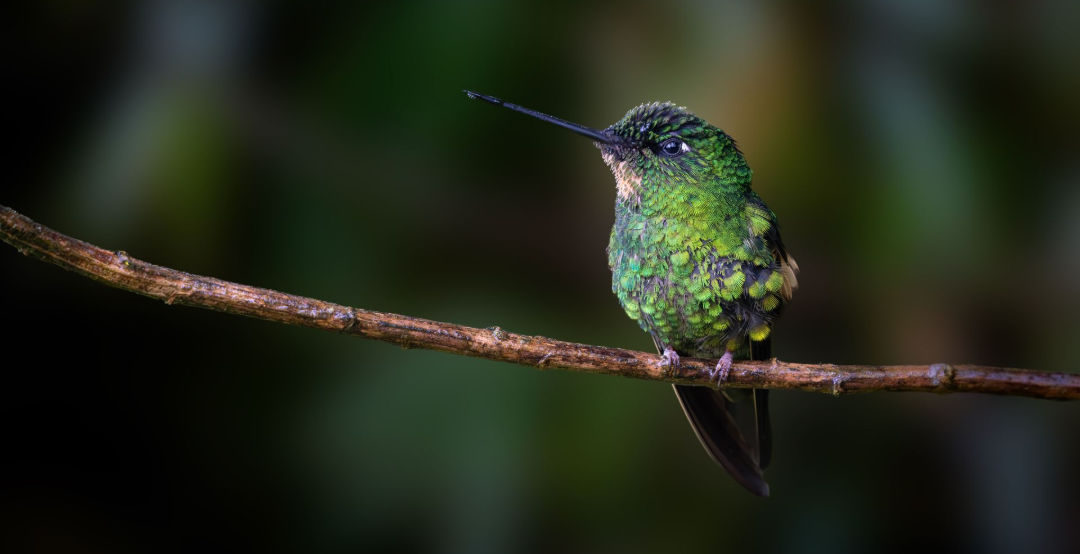
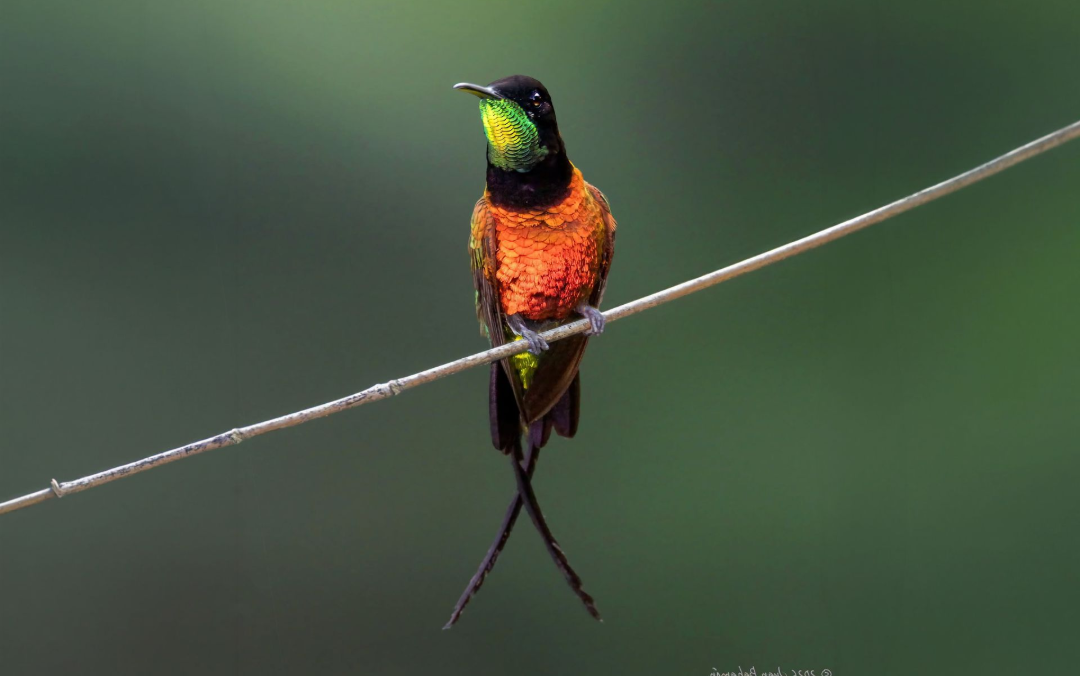
This is also why a serious bear expedition should allow for uncertainty. Wildlife cannot be guaranteed. A well-designed itinerary improves the odds through multiple days in the field, carefully selected habitat, and flexible daily decisions, while still offering rewarding photography of hummingbirds, tanagers, mountain landscapes, orchids, and other Andean wildlife when bears are out of sight.
Timing Your Spectacled Bear Photography Tour
There is no single universal “best month” for Spectacled Bears. Activity is closely tied to local food availability, and conditions can change considerably between mountain ranges and elevations. Bears may concentrate around fruiting trees, palms, bromeliads, or other seasonal resources, but natural cycles never follow a calendar with perfect precision.
Weather matters as much as season. Cloud forest can deliver soft, beautiful light, then shift quickly to rain, fog, and deep shade. Páramo environments may be bright and exposed one hour, cold and wet the next. A focused tour should plan field time around the most active periods of the day while preserving flexibility for a bear reported nearby or a clearing sky after rain.
For photographers travelling from the United States, the practical lesson is simple: pack for a range of conditions and choose a trip with enough days to absorb weather. A short visit may produce a memorable sighting, but additional time makes room for patient observation and more considered images.
The Images Worth Waiting For
The first image of a bear can feel urgent. Take it, especially if the animal is moving quickly. Once you have a record shot, slow down and look for behaviour. A bear feeding on fruit, stripping vegetation, standing to scan the slope, or moving through a dramatic patch of forest tells a more complete story than a tight portrait alone.
Environmental frames are especially powerful in the Andes. A distant bear in a patchwork of cloud forest and grassland can communicate scale, habitat, and the conservation stakes behind the encounter. When a closer opportunity develops, aim for a clean eye line, natural posture, and enough room around the animal to avoid a cramped composition.
Camera Gear for Andean Bear Photography
A 400mm or longer lens is often the most useful starting point because bears are usually photographed at respectful distances. A 500mm or 600mm lens provides greater reach for subjects on a far slope or high in a fruiting tree, although weight becomes a real consideration on uneven trails. A 100-400mm or 200-600mm zoom is highly versatile when a bear changes position or appears unexpectedly closer than expected.
Bring a second body if possible. Pairing a long lens with a mid-range zoom lets you move quickly from a distant behavioural image to a habitat scene without exposing equipment to rain and dust during a lens change. A 24-70mm or similar lens is also valuable for misty ridgelines, local landscapes, and the sense of place that turns a wildlife portfolio into a visual narrative.
Low light is a constant technical consideration. Modern cameras with strong high-ISO performance are helpful, but technique still matters. Use a shutter speed that matches the animal’s movement, stabilize your setup whenever the terrain allows, and avoid chasing extreme magnification at the expense of a sharp frame. A bear partly hidden by foliage may call for manual focus adjustments, a single focus point, or a smaller focus area rather than relying completely on wide-area subject detection.
Rain protection is not optional. Carry a cover for camera and lens, a dry bag or waterproof insert, microfiber cloths, and spare batteries kept warm and dry. A compact tripod or sturdy monopod can help, but the right support depends on access conditions and the need to reposition quietly. On some walks, a lighter and more mobile setup will produce more opportunities than a heavily loaded kit.
Field Etiquette Protects the Photograph
The best bear photographs begin with respect for the bear. Spectacled Bears should never be crowded, blocked from their path, called toward a camera, or pressured to remain visible. Their feeding sites and travel corridors are essential to their survival. A responsible guide observes from a safe distance, limits disturbance, and changes position only when doing so does not alter the animal’s behaviour.
Avoid treating a rare encounter as a contest for the closest frame. A calm bear feeding naturally is more valuable than an animal that has become alert, stressed, or forced away. Ethical distance also improves image quality in a less obvious way: natural behaviour creates photographs with integrity, and those images hold their value long after the excitement of the sighting.
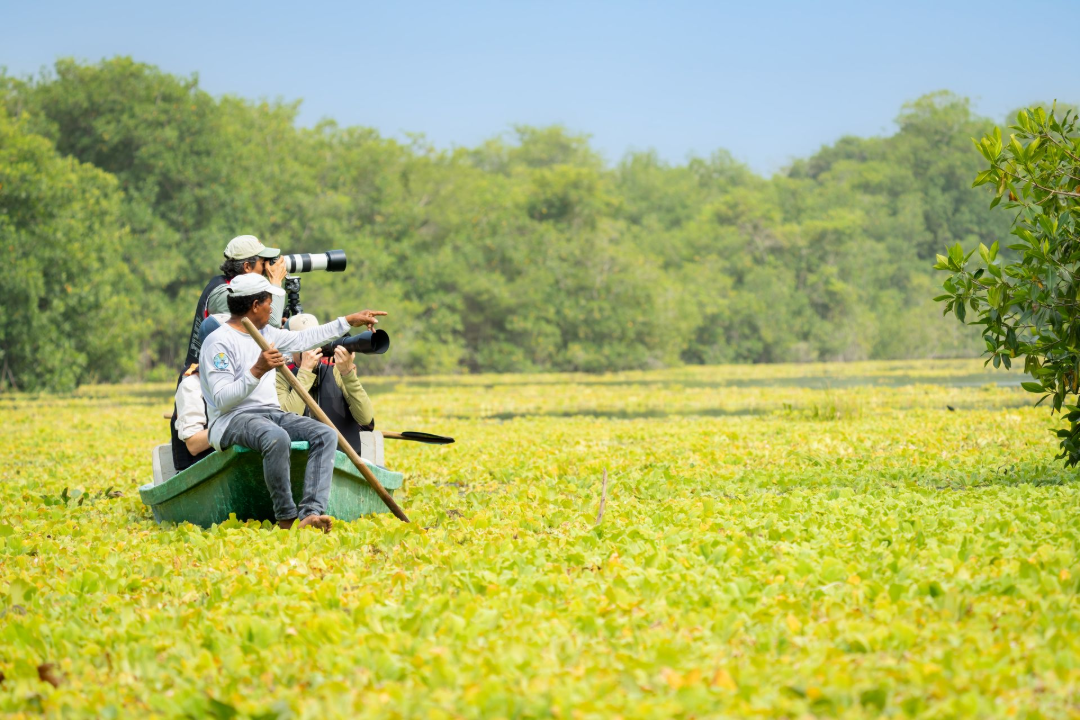
Community relationships are equally important. Much of Colombia’s wildlife habitat exists alongside rural families and local land stewards whose decisions shape the future of forests and water sources. Photography tourism, when managed thoughtfully, can create a direct reason to protect the landscapes that bears need. Retorno Photo Tours works with local knowledge, specialist guides, and conservation-minded partners because access and habitat protection must go together.
Preparing for the Physical Reality of the Andes
Bear habitat is beautiful, but it can be demanding. Elevation, muddy trails, sudden rain, and cool temperatures all affect how well you can concentrate in the field. Arrive with footwear that handles wet ground, layered clothing that can adapt from warm hiking conditions to cold waits in mist, and a waterproof outer shell that fits comfortably over a camera harness or backpack.
Fitness does not need to mean technical mountaineering ability, but a reasonable walking capacity makes a meaningful difference. Some sightings happen from roads or established viewpoints; others require a careful walk to a forest edge or hillside observation point. Private itineraries can be adjusted around mobility, preferred comfort level, and photographic priorities, but expectations should be discussed before the trip rather than discovered on the trail.
Altitude deserves respect as well. Drink water, move at a measured pace, and allow time to acclimatize where the itinerary reaches higher elevations. The goal is not to rush through bear habitat. It is to be alert enough to notice the quiet signs that reveal it.
Why Local Knowledge Changes the Experience
A guide who knows the species does more than point out a bear. They can explain why the animal is using a particular tree, identify calls and movements that signal other wildlife, choose a position that respects the bear’s route, and help photographers anticipate where a clear view may open. This turns waiting into informed fieldwork rather than guesswork.
Reliable logistics matter too. Remote photography days depend on safe transport, suitable lodging, nourishing meals, weather-aware timing, and a realistic plan for moving equipment. When these details are coordinated well, photographers can focus on light, composition, and the extraordinary possibility of meeting an Andean bear in its own landscape.
Bring patience, protect your gear, and leave space in your expectations for the mountain to set the rhythm. A true Spectacled Bear encounter is never just a photograph. It is a glimpse of a living Andean landscape worth returning to and protecting.