
Planning a Colombia bird photography tour?
Compare the Andes, Santa Marta, Chocó, and Amazonia to find the right route for your photographic goals.
by David Casas
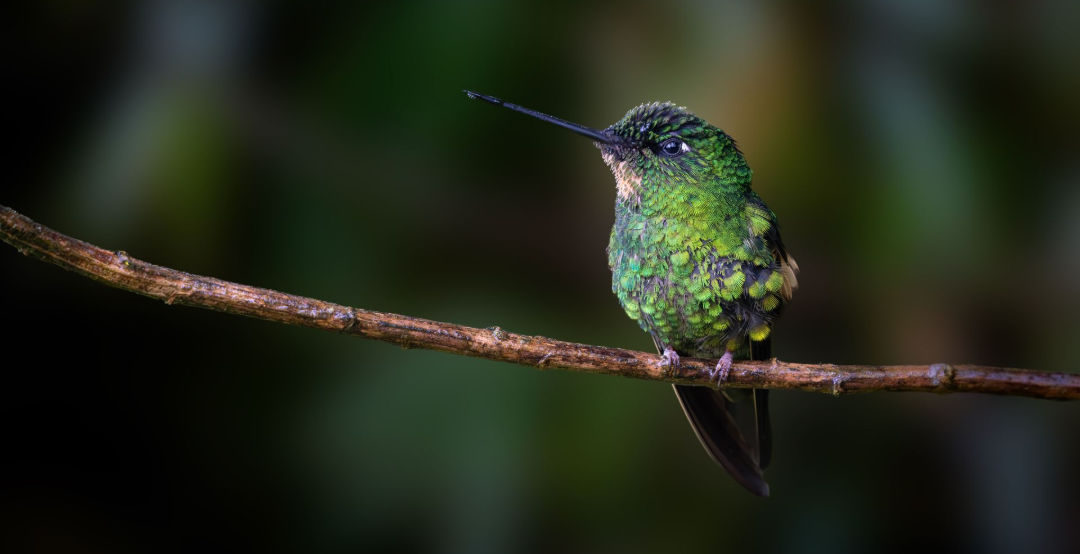
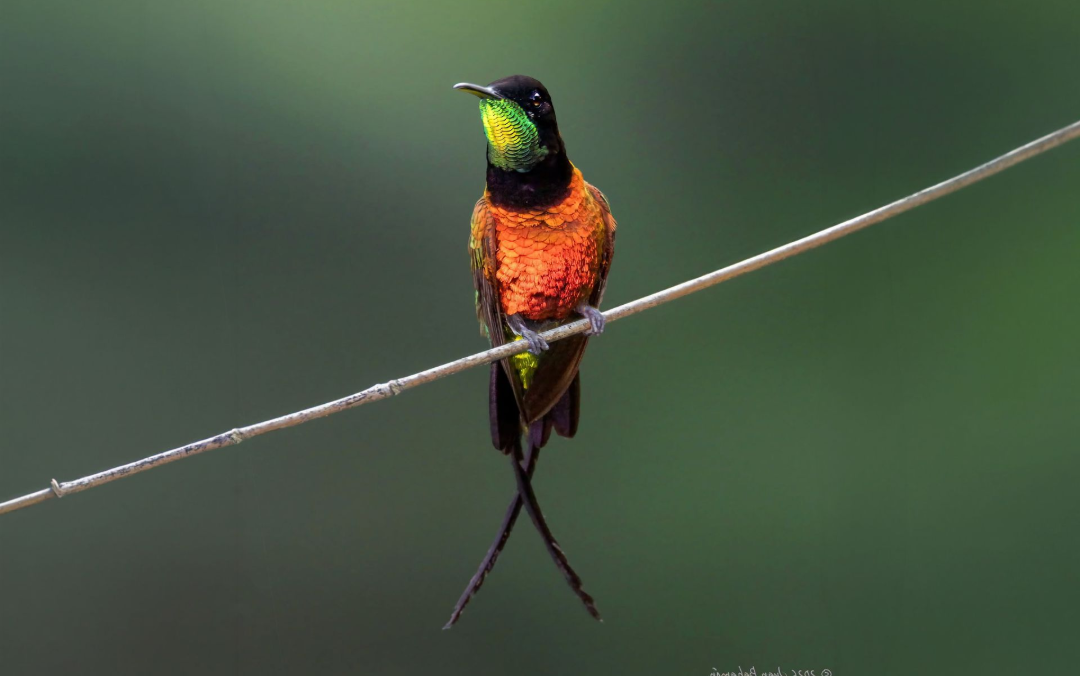
A Chestnut-bellied Hummingbird holds still for a fraction of a second. A Santa Marta Warbler slips through high-elevation foliage. A Cock-of-the-rock steps into a shaft of forest light. Colombia bird photography tours are built around moments like these, but getting the image requires far more than arriving with a long lens. It requires the right elevation, the right season, trusted local access, patient field time, and a team that understands where the birds actually move.
Colombia is one of the world's great birding nations, with nearly 2,000 recorded species across an extraordinary range of habitats. Within a single expedition, photographers can move from cloud forest hummingbird feeders to dry tropical scrub, Andean páramo, Amazonian rainforest, or the humid Chocó lowlands. That variety is the attraction. It is also the reason a well-designed photographic itinerary matters.
What Makes Colombia Bird Photography Tours Different
Colombia's diversity is not spread evenly along one easy road. Productive birding sites can sit at dramatically different elevations, with weather and species changing quickly from one valley to the next. A morning may begin at 9,000 feet in cool cloud forest and finish at a lower-elevation lodge where tanagers, toucans, and motmots visit fruiting trees.
For photographers, this creates exceptional opportunities and real logistical demands. Travel days need to be planned around the best light and active bird periods. Lodging must be positioned close enough to productive habitat that the group is not sacrificing dawn to a long transfer. Vehicles need space for people, tripods, camera bags, and changing conditions on mountain roads.
The strongest itineraries also recognize that bird photography is not simply birdwatching with a camera. A birder may be satisfied with a brief view of an endemic. A photographer needs a clean angle, a manageable background, enough time to refine exposure, and a guide who can anticipate behaviour without pushing the subject. Those requirements shape every decision, from group size to the number of nights spent in one location. At Retorno Photo Tours, this photographer-first philosophy shapes every route we design.
Choose an Itinerary by Your Photographic Targets
A broad Colombia trip can produce a remarkable species list, but a target-driven route usually produces stronger images. Before choosing an expedition, decide what you most want in your portfolio: endemic mountain birds, hummingbirds, tanagers, large forest raptors, antpittas, colourful lek species, or a wider mix of birds and mammals.
The Andes for Endemics and Hummingbirds
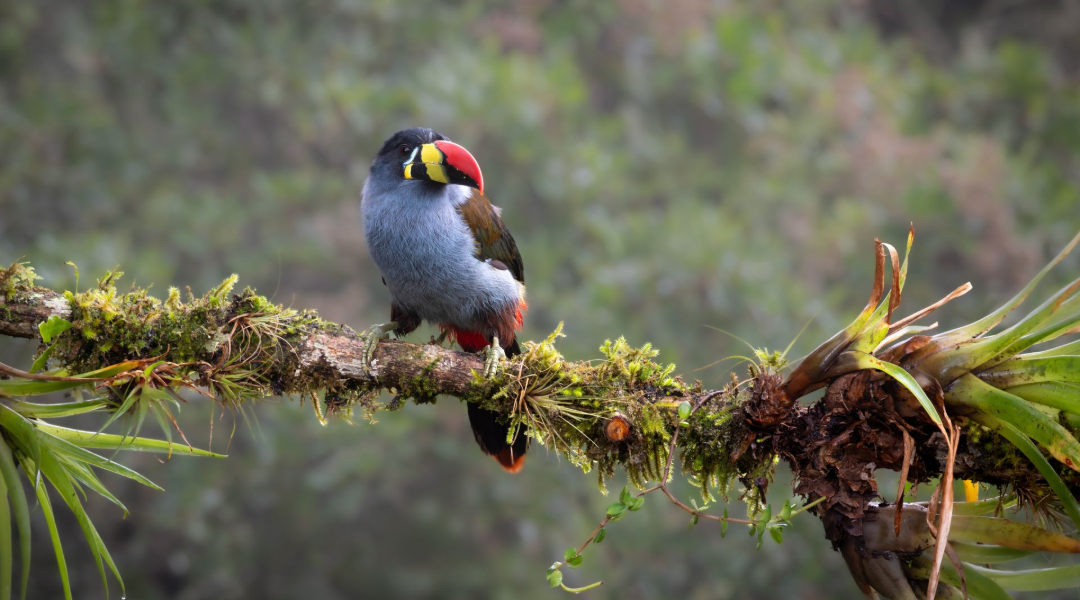
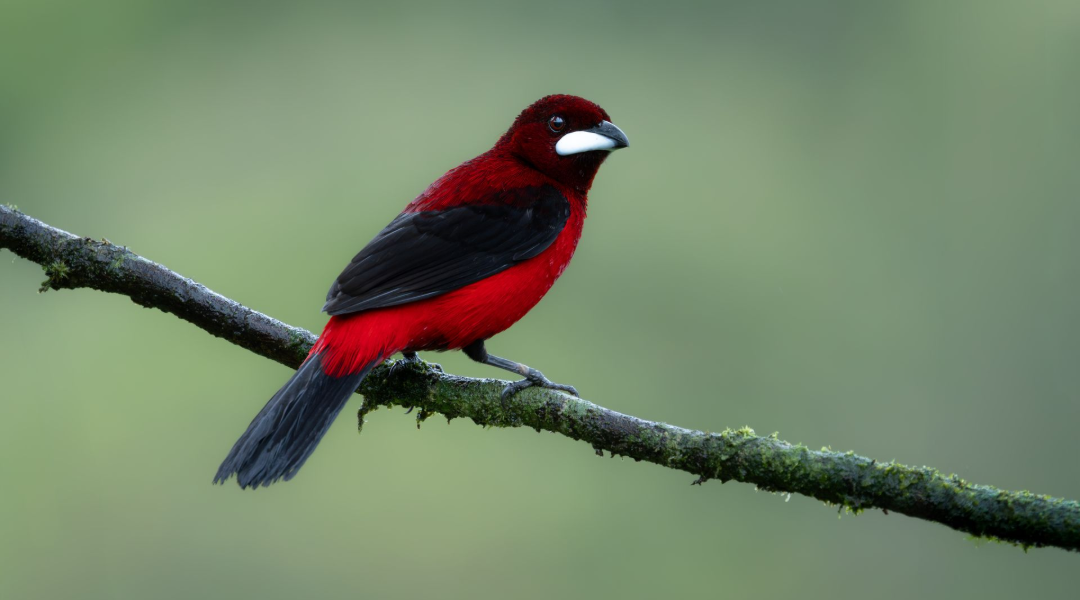
The Colombian Andes are a photographer's dream for colour, diversity, and accessible highland habitats. Feeders at carefully managed reserves can bring dazzling hummingbirds into predictable photographic range, while forest trails and fruiting trees offer tanagers, barbets, toucanets, mountain-tanagers, and regional endemics.
This is often the best choice for photographers who want a high volume of opportunities and the chance to work deliberately with flash, natural light, perch selection, and background separation. It is also ideal for visitors making their first specialized photo trip to Colombia, though altitude and cool, wet conditions should not be underestimated. Our Emblematic Andes Tour is built specifically around this kind of deliberate, feeder-and-trail photography.
Santa Marta for Birds Found Nowhere Else
The isolated Sierra Nevada de Santa Marta holds one of Colombia's most compelling collections of endemic birds. Species such as Santa Marta Screech-Owl, Santa Marta Brushfinch, Santa Marta Mountain-Tanager, and White-tailed Starfrontlet make this region a priority for photographers seeking genuinely distinctive subjects.
The trade-off is that mountain access can be more demanding and weather can change quickly. This is not a destination to rush through. Extra time protects the itinerary against rain, cloud, and the simple reality that forest birds do not perform on schedule. Our Santa Marta & Perijá Mountains Tour is designed with exactly this patience in mind — and can be extended to include our Harpy Eagle program for photographers seeking an even rarer subject.
The Chocó for Rare Western Specialties
Colombia's Pacific and Chocó-region forests are lush, remote, and intensely alive. They offer sought-after species associated with one of the wettest and most biodiverse regions on Earth, including spectacular tanagers, toucans, woodpeckers, and difficult Chocó endemics.
These journeys reward photographers who welcome humidity, rain, muddy trails, and a more expedition-style experience. Conditions can be challenging, but the visual atmosphere is extraordinary: moss-covered forest, dramatic low clouds, saturated greens, and birds that rarely appear in conventional travel itineraries.
Amazonia for Forest Atmosphere and Iconic Wildlife
Amazonian Colombia brings a different rhythm. The photography is less about feeder sessions and more about patient observation in dense forest, river corridors, canopy edges, and community-managed lands. Macaws, hoatzins, jacamars, puffbirds, trogons, and mixed-species flocks can all become subjects, while mammals and reptiles add welcome variety.
Expect lower light and longer periods of waiting. A fast lens, stable support, and realistic expectations are valuable here. The reward is not only a species list. It is the feeling of working inside a vast, living forest where every quiet pause may produce something unexpected. Our 7-Day Amazon Tour in Guaviare was built around this same patient, immersive rhythm.
Field Time Matters More Than a Packed Species List
A tour description filled with dozens of target birds can be exciting, but photographers should look beyond the list. Ask how many full mornings are allocated at each key site, whether the route returns to productive locations, and how transfers are timed. The best light is usually early and late in the day. If those hours are repeatedly spent in transit, photographic potential drops quickly.
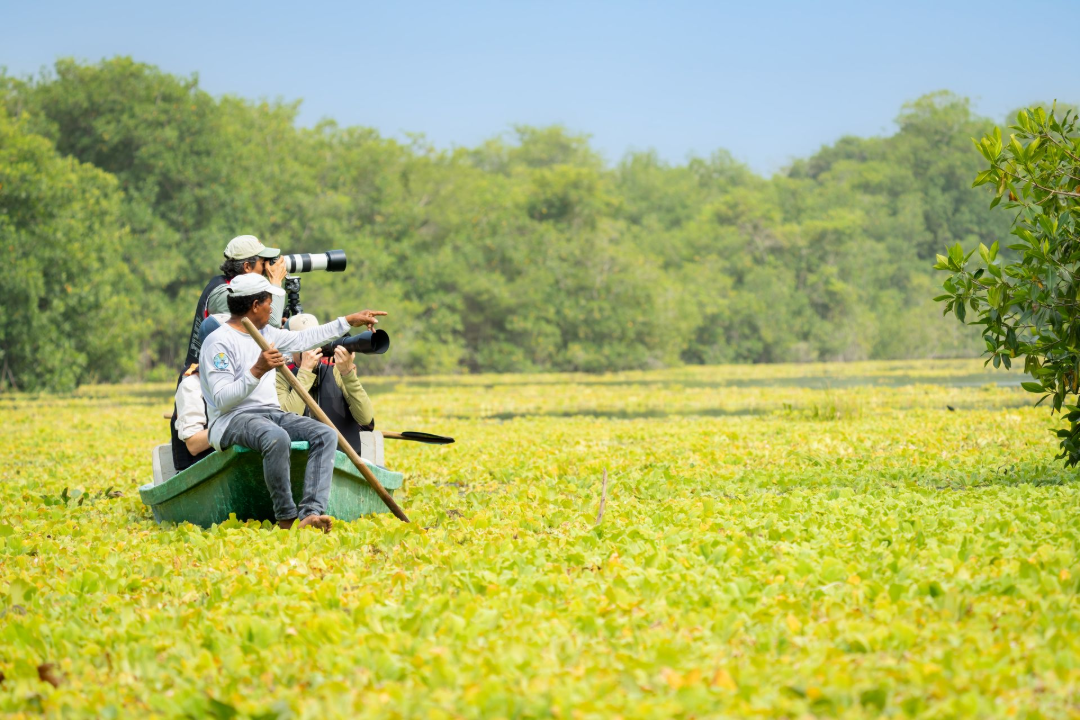
Small groups are equally important. With fewer photographers, everyone has more room at feeders, along trails, and near a forest opening. Guides can spend more time helping individuals with positioning, camera settings, and subject behaviour. It also reduces pressure on birds and makes the field experience calmer.
At Retorno Photo Tours, this is why routes are developed around photographic windows rather than a race to collect names. A productive perch may deserve an extra hour. A rain delay may justify a flexible afternoon. A rare bird heard near the trail may call for a quiet, respectful adjustment to the day's plan.
Prepare for Colombia's Changing Conditions
Colombia's equatorial location means bird photography is possible throughout the year, but there is no single weather pattern for the entire country. Rainfall, road conditions, flowering cycles, and bird activity vary by region and elevation. A date that is excellent for hummingbirds in the Central Andes may not be the most comfortable choice for a Pacific lowland expedition.
Your equipment should be ready for this variety. A 400mm or 500mm lens is highly useful for distant forest birds, while a 100-400mm or 200-600mm zoom offers flexibility at feeders, on trails, and from vehicles. A second camera body can save time when birds appear at radically different distances. Rain covers, dry bags, extra batteries, microfiber cloths, and silica gel are not luxuries in humid environments.
Clothing deserves equal attention. Bring lightweight layers for warm lowlands, a warm insulating layer for high elevations, a waterproof shell, sturdy trail shoes, and a hat. Neutral colours are sensible in the field. You do not need to dress like a camouflage catalogue, but bright clothing can distract subjects and other photographers.
Tripods are useful at feeders, for low-light work, and when waiting at a known perch. On narrow forest trails, however, a monopod or handheld setup can be more practical. The right choice depends on the route and your shooting style. A specialist operator can advise on this before departure, based on the habitats and target species in your itinerary.
Ethical Access Creates Better Photography
The most meaningful bird images come from respectful encounters. Ethical photography means giving birds room to feed, display, nest, and move naturally. It means avoiding playback where it may cause stress, never crowding nests, and accepting that a bird's welfare comes before a frame.
In Colombia, ethical travel also extends beyond the subject. Many of the country's finest birding areas are protected through the work of rural families, Indigenous communities, Afro-descendant communities, local guides, and private reserve owners. When photography tourism is thoughtfully managed, it creates income tied directly to healthy forest, local knowledge, and long-term habitat protection.
That relationship is practical as well as principled. Local hosts often know the seasonal movements of birds, the flowering trees that draw hummingbirds, and the small changes in a trail that make a photographic opportunity possible. Respectful partnerships create better access, more reliable experiences, and stronger reasons for communities to conserve the landscapes that make Colombia so exceptional.
Build in Patience, Then Let the Country Surprise You
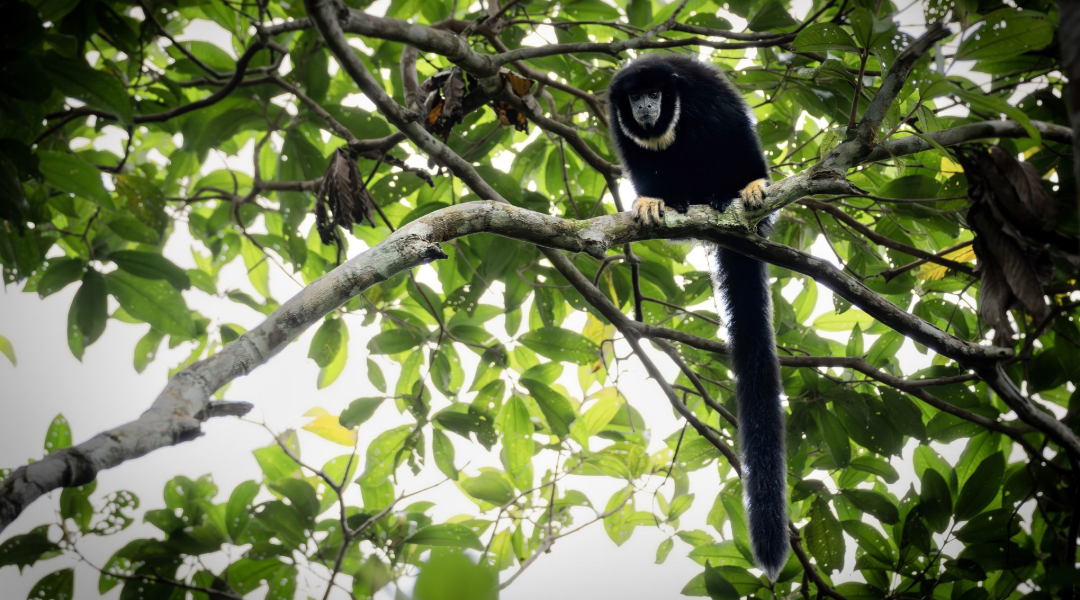
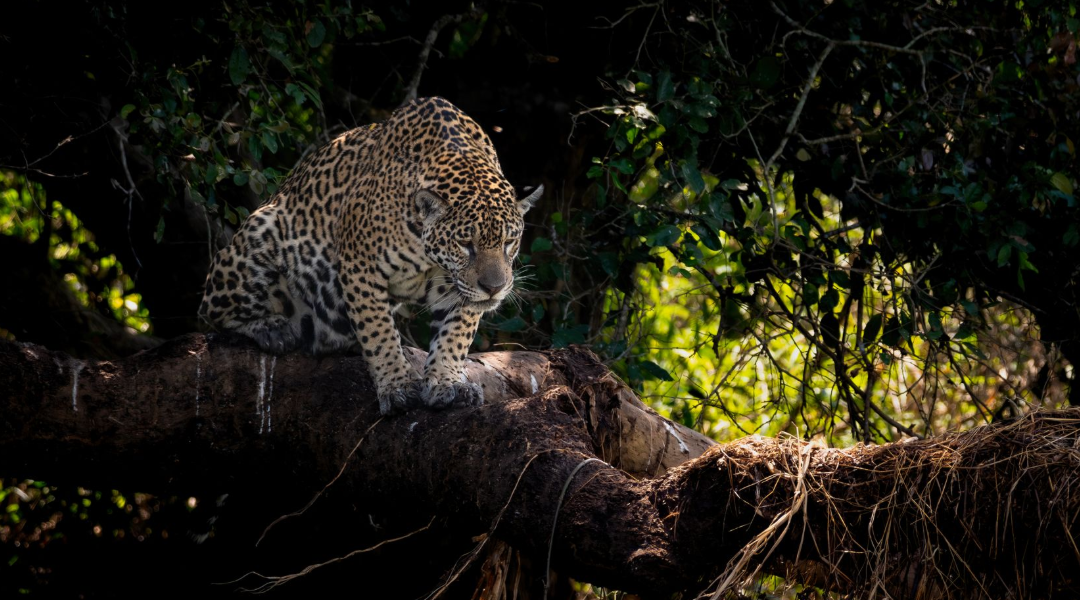
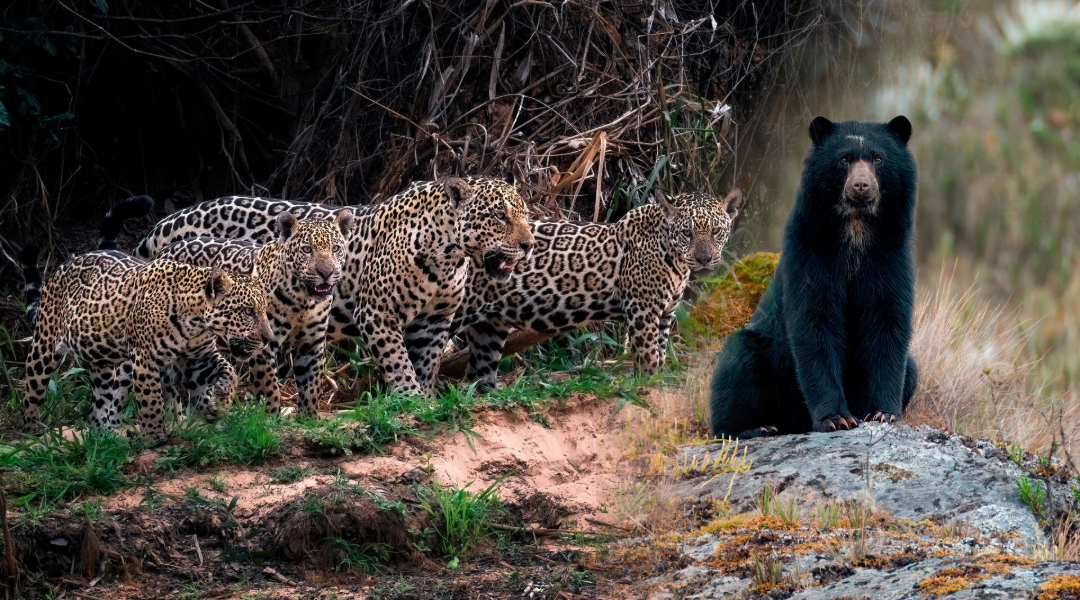
Come with target species, a clear equipment plan, and enough time to work a location properly. Then leave room for the surprise encounter: a mixed flock exploding through a forest edge, a frog calling from a bromeliad, a Spectacled Bear crossing a distant Andean slope, or a hummingbird you never expected to photograph.
The strongest Colombia bird photography tours do not promise that nature will follow a script. They put you in the right habitats, with capable people, thoughtful logistics, and the time to be present when the forest offers its best moment.
Plan Your Colombia Bird Photography Tour with Retorno
Whichever region calls to you first — the hummingbird feeders of the Andes, the endemic-rich slopes of Santa Marta, the wild green of the Chocó, or the deep quiet of the Amazon — the right itinerary comes down to matching your photographic goals with the right season, the right pace, and the right local partnerships.
At Retorno Photo Tours, we build every route around exactly that. Get in touch to talk through your target species and find the itinerary that fits, or visit our tours page to explore the full lineup of Colombia photography expeditions.