
Colombia Hummingbird Photography Workshop
Why Colombia Is a Hummingbird Photographer's Dream
by David Casas
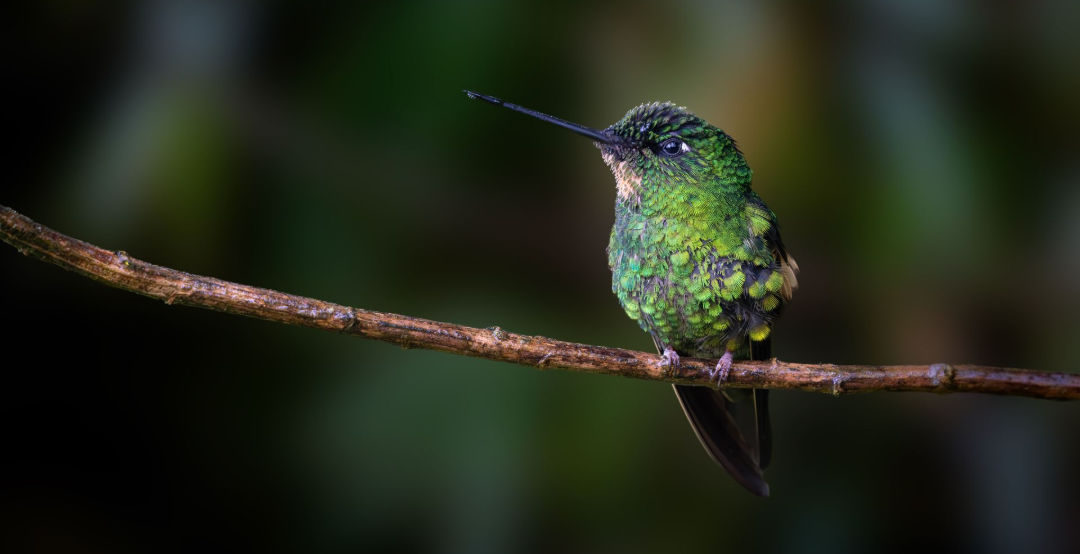
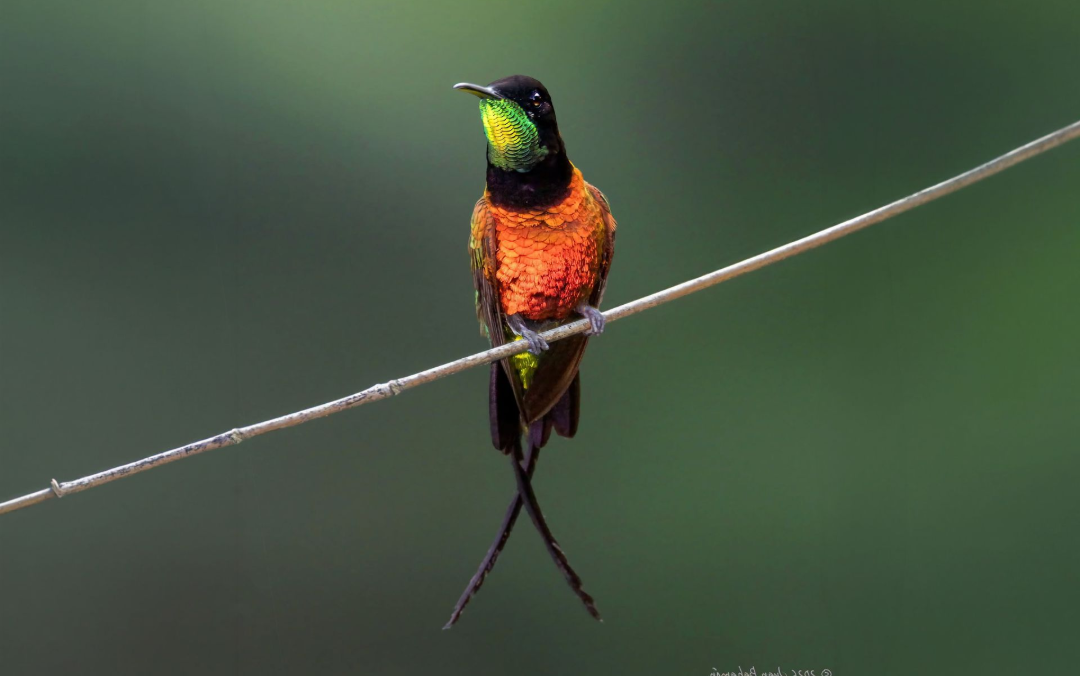
A Green Thorntail pauses at a flower for a fraction of a second, its gorget catching the light before it vanishes into the forest edge. That is the pace of a Colombia hummingbird photography workshop: intense, colourful, technical, and deeply rewarding. Colombia holds more hummingbird species than any other country, and its varied elevations create extraordinary opportunities to photograph birds that many photographers have only seen in field guides.
The difference between a productive hummingbird trip and a frustrating one is rarely just camera equipment. It is knowing which elevations are active, where natural flowers and established feeding stations support reliable activity, how weather changes across the Andes, and when to put the camera down long enough to read the behaviour in front of you. A well-designed workshop turns those variables into field time.
Why Colombia Is a Hummingbird Photographer's Dream
From cloud forest slopes to high Andean reserves, Colombia concentrates an exceptional range of habitats within reachable distances. A single photographic itinerary can move through warm foothill forest, misty mid-elevation woodland, and cool mountain landscapes, each with a different cast of hummingbirds. The result is not simply a long species list. It is a collection of distinctly shaped, colored, and behaved subjects.
At lower and middle elevations, photographers may work with glittering emeralds, hermits, woodstars, and thorntails. Higher in the Andes, spectacular species such as the Rainbow-bearded Thornbill, Sword-billed Hummingbird, Black-tailed Trainbearer, and numerous coquettes can become the focus, depending on season and location. Endemics and near-endemics add another reason to travel with local specialists who understand their narrow ranges and preferred habitats.
The light is part of the appeal and the challenge. Cloud cover often softens forest backgrounds and reduces harsh contrast, while brief sun breaks can turn a modest green bird into a jewel. Conditions can change quickly, particularly in mountain regions. Productive photography demands a flexible plan, dry equipment, and enough time at each site to let weather patterns work in your favour.
What a Colombia Hummingbird Photography Workshop Should Include
A serious workshop should be built around photographic conditions, not merely birdwatching checklists. Hummingbirds can be seen almost anywhere in suitable habitat, but quality images require thoughtfully selected perches, clean backgrounds, manageable shooting angles, and time to refine settings. The strongest locations offer a balance of natural behaviour and controlled opportunities, always with the welfare of the birds first.
Small groups matter. With too many photographers around one feeding station or flower patch, angles become restricted, and birds may be pressured by constant movement. A small group allows guides to rotate participants through positions, adjust perches when appropriate, and help each photographer solve practical problems without rushing the experience.
Local knowledge also determines how efficiently a day unfolds. Road conditions, rain, altitude, meal timing, and the distance between lodges can all shape the available light. Retorno Photo Tours plans around these realities, combining productive hummingbird sites with reliable transportation, comfortable lodging, field meals when needed, and guides who know the species and landscapes firsthand.
Ethical setups create better photographs
A workshop should never treat wildlife as a prop. Hummingbirds need dependable food sources, secure cover, and space to move naturally. Responsible operators work with reserves and local landowners who maintain habitat, use feeding stations carefully, and avoid handling birds or crowding active nests.
Ethical practice is not a limitation on photography. It often improves it. Birds that are not repeatedly disturbed settle into predictable patterns, return to favoured perches, and behave more naturally. A photograph of a hummingbird defending a flower patch, preening after rain, or hovering at a native bloom carries more life than an image created through pressure or excessive manipulation.
Your visit can also support the people protecting these places. Many of Colombia's most productive birding reserves are connected to rural families and communities whose conservation work creates habitat value far beyond a single photography session. Choosing operators with trusted local relationships helps direct tourism income toward the landscapes that make these encounters possible.
Equipment That Makes the Most of Fast Wings
You do not need one perfect camera kit, but you do need a setup that matches your goals. For perched hummingbird portraits, a 400mm, 500mm, or 600mm lens provides pleasing subject isolation while leaving room to photograph from a respectful distance. A zoom such as a 100-400mm or 200-600mm can be particularly useful when birds approach closely at feeders or flowers.
Flight photography requires more deliberate choices. Modern mirrorless bodies with strong subject detection and rapid frame rates are valuable, but technique still matters more than specifications alone. Start with continuous autofocus, use a shutter speed high enough to freeze the body, and accept that freezing wings fully may require flash. In natural light, a touch of motion blur in the wings can look graceful rather than imperfect.
When flash photography is used, it should be handled by experienced guides with carefully positioned, low-power units and appropriate bird welfare practices. Multiple flashes can freeze wing detail and reveal colors invisible to the eye, but the setup takes time and patience. It may not suit every photographer or every location. Natural-light work is often more flexible during changing weather and can produce images with a stronger sense of place.
Bring extra batteries, plenty of memory cards, rain protection for camera and lens, and a microfiber cloth that stays accessible. Colombia's mountain humidity is real, and moving between cool lodges and warmer outdoor air can cause condensation. Let equipment acclimatize in a protected bag when possible rather than exposing it immediately after a major temperature change.
A tripod or sturdy monopod can help with long lenses and flash setups, though handholding is often preferable when birds are moving among several perches. The best choice depends on the station, your lens weight, and whether you are prioritizing flight frames or composed portraits.
Field Technique: Slow Down Before the Action Starts
Hummingbirds move quickly, but successful photography begins before the bird arrives. Set exposure on a test perch or flower, check the background through the viewfinder, and watch which routes birds use to approach. Many individuals return to the same perch after feeding, especially when defending a territory. A guide who recognizes that behavior can help you anticipate the frame rather than chase it.
For perched images, focus on the eye and leave room around the bird for its long bill or tail. Avoid placing every subject in the center. A slightly wider composition often feels more natural and gives you flexibility when cropping. Watch for a clean head angle, a catchlight, and separation between the bird and any distracting branch behind it.
For flight images, begin with realistic expectations. The first goal may be a sharp body and a well-exposed head, not a perfect wings-out masterpiece. Work one background at a time. Once you can consistently acquire a bird entering the frame, adjust your position or settings rather than changing everything at once.
Most important, do not spend the entire day looking through the viewfinder. Watch the birds directly. You will notice courtship displays, territorial chases, rain-bathing behavior, and moments of stillness that no burst rate can predict. These observations also make you a more thoughtful photographer when the action begins.
Prepare for Colombia's Mountain Conditions
Hummingbird habitats can be cool, wet, sunny, and warm within the same day. Layering is more useful than one heavy jacket: a breathable base layer, an insulating mid-layer, and a waterproof shell will cover most conditions. Waterproof footwear with dependable traction is essential on wet paths, while a hat and sunscreen remain useful even in cloudy highlands.
Altitude deserves respect. Some Andean photography sites sit high enough for visitors to feel short of breath, fatigued, or mildly headachy during the first day or two. Build in time to acclimatize, drink water regularly, and communicate with your guide if you feel unwell. A carefully paced itinerary is not lost photography time. It protects your energy for the early mornings and long, rewarding sessions that matter most.
Choose Time Over a Bigger Checklist
The temptation in Colombia is to cover every region and chase every possible species. For photographers, that can become counterproductive. Constant transfers mean fewer chances to wait for clean light, refine a flight setup, or return to a favored subject after rain.
A better workshop balances variety with repetition. Two or three productive sessions at a strong location can yield a more coherent portfolio than a rapid sequence of brief stops. Ask whether the itinerary allows time for both natural-light and flash opportunities, whether weather alternatives are built in, and how many photographers share each setup.
Come with a wish list, but leave room for surprise. The bird you expected to photograph may stay hidden, while an unfamiliar hummingbird may choose the perfect perch at eye level just as the clouds brighten. Colombia rewards preparation, patience, and the willingness to stay present when the forest offers something better than the plan.